How to Track Skin Condition Changes Over Time: A Practical Guide
Learn how to track skin condition changes over time effectively using smart tools like Rash Detector. Empower your skincare routine with accurate monitoring.
Estimated reading time: 7 min
Key Takeaways
- Tracking skin condition changes over time helps in managing and diagnosing skin issues.
- Consistent photo documentation is essential for recognizing trends and triggers.
- Apps like Rash Detector make skin tracking easier and more accurate.
- Sharing tracked changes with healthcare professionals leads to better treatment outcomes.
Table of Contents
- Section 1: Why Track Skin Condition Changes?
- Section 2: Best Methods for Tracking Skin Changes
- Section 3: Using Rash Detector to Monitor Skin Over Time
- Section 4: Tips for Accurate Skin Tracking
- Section 5: When to Seek Medical Advice
- Conclusion
- FAQ
Section 1: Why Track Skin Condition Changes?
The Value of Monitoring Skin Over Time
Understanding how to track skin condition changes over time is crucial for anyone managing chronic skin issues like eczema, psoriasis, or recurring rashes. Early detection of changes, such as increased redness, new patterns, or spreading, can be the difference between quick relief and prolonged discomfort.
- Identify triggers: Tracking helps spot links between lifestyle factors—like diet, stress, or new medications—and skin flare-ups.
- Monitor effectiveness of treatments: You can see which creams or medications actually improve your condition.
- Provide better information to doctors: Documented changes over days or weeks help healthcare providers make more informed decisions.
Section 2: Best Methods for Tracking Skin Changes
Manual Tracking Approaches
Traditionally, people have relied on diaries or journals to note symptoms and treatments. While useful, this approach can be inconsistent and subjective.
- Written journals: Note date, symptoms, triggers, and treatments.
- Photo logs: Take regular photos under similar lighting for visual comparison.
Digital Tools and Skin Tracking Apps
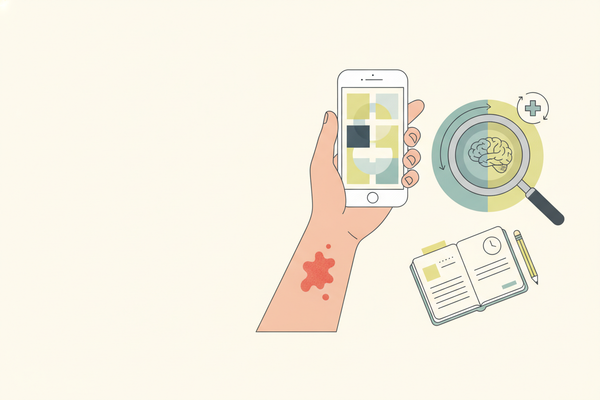
Modern technology now offers more accurate and convenient ways to track skin changes. Apps dedicated to skin monitoring help automate the process and provide visual timelines, reminders, and even guidance on next steps. Rash Detector, for example, allows users to upload images and receive instant AI-powered analysis, making tracking both easy and actionable.
Section 3: Using Rash Detector to Monitor Skin Over Time
Step-by-Step Guide to Using Rash Detector
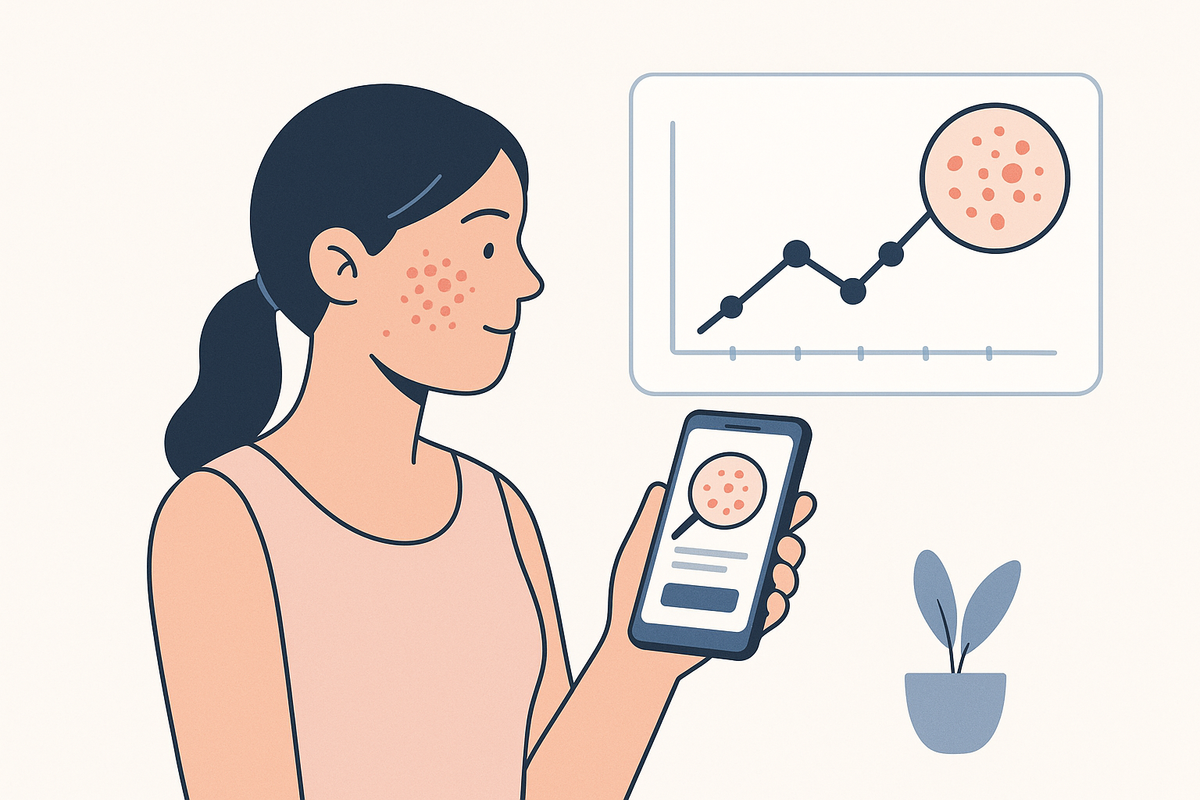
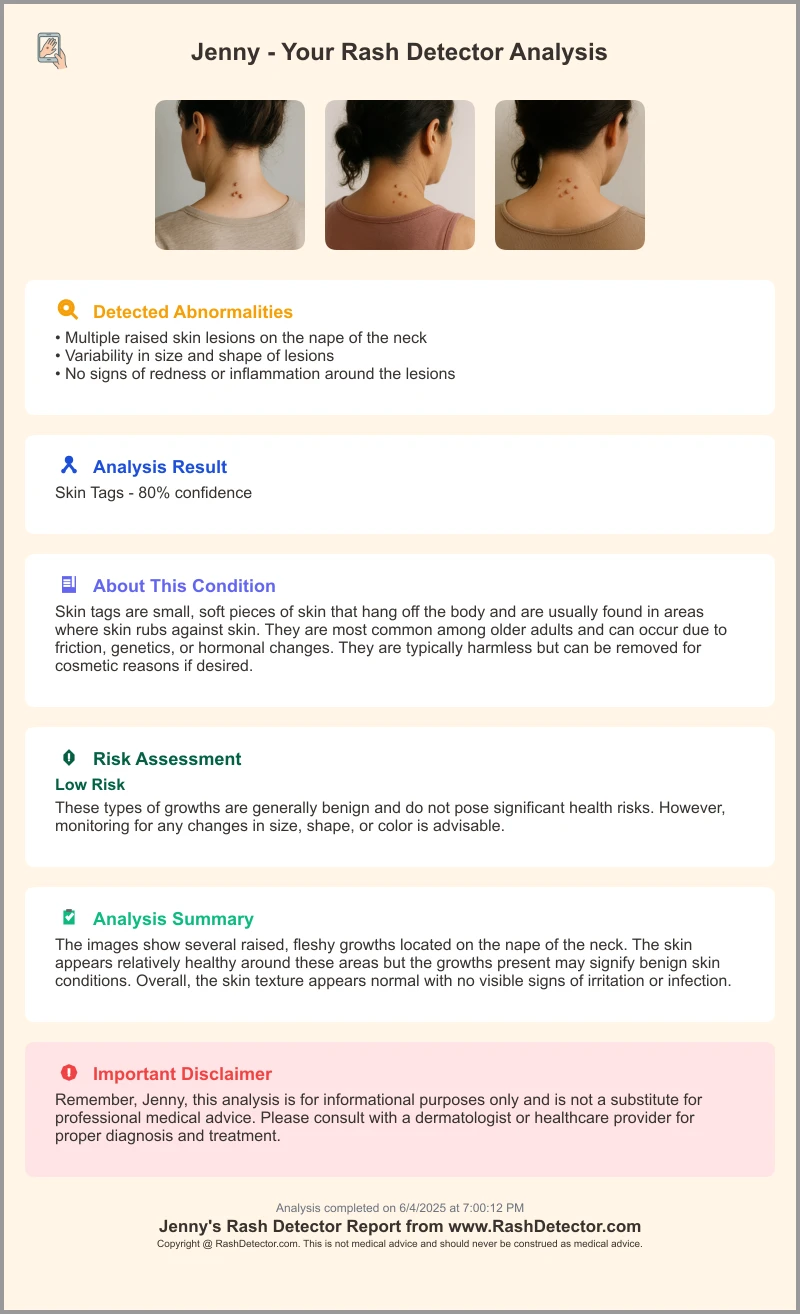
Rash Detector simplifies the process of tracking skin condition changes over time. Its AI-powered technology provides instant feedback and builds a visual timeline of your skin’s progress.
- Step 1 – Take Consistent Photos: Use your smartphone to capture clear images of the affected area. Rash Detector recommends uploading three images for more accurate analysis.
- Step 2 – Instant Analysis: Upload your images to Rash Detector and receive a detailed report outlining possible causes and guidance.
- Step 3 – Review and Compare: The app stores your history, allowing you to visually compare changes across days or weeks.
Benefits of Automated Tracking
- Objective measurement: AI reduces subjectivity.
- Timeline view: See patterns and progress at a glance.
- Easy sharing: Export reports for your dermatologist or healthcare provider.
Want to see how easy it is? Try Rash Detector for free and start building your skin health timeline.
Section 4: Tips for Accurate Skin Tracking
Consistency Is Key
For reliable results when tracking skin condition changes over time, consistency matters. This means:
- Taking photos at the same time each day
- Using the same camera and lighting conditions
- Noting any changes in medication, soap, or skincare products
- Updating your tracking log regularly—daily for acute issues, weekly for chronic conditions
What to Record Alongside Photos
- Symptoms and sensations (itch, pain, burning)
- Recent exposures (new foods, environments, medications)
- Any treatments applied and their timing
For more on treatments, see Skin Rash Treatment: Effective Solutions and Smart Tools for practical advice on managing symptoms.
Section 5: When to Seek Medical Advice
Recognizing Warning Signs
Tracking empowers you to recognize when a skin condition is getting worse or not responding to home remedies. Seek professional help if you notice:
- Rapid spread or severe pain
- Blisters, oozing, or signs of infection
- Fever or systemic symptoms
- Failure to improve after a week of consistent care
How Rash Detector Supports Your Care
By consistently documenting your skin changes, you can provide your healthcare provider with valuable insights. Rash Detector’s reports are designed to be shared, ensuring your doctor gets the full picture.
Conclusion
Learning how to track skin condition changes over time is a powerful tool for anyone dealing with recurring rashes, eczema, or unexplained skin issues. By combining consistent photo documentation with smart technology like Rash Detector, you gain a clearer understanding of your skin’s health. This approach leads to better self-management and more informed conversations with your doctor. Start your own skin health timeline today with Rash Detector and take control of your skin’s story.
FAQ
Q: How often should I take photos of my skin condition?
A:
Daily photos are best for acute conditions; weekly is sufficient for chronic issues. Consistency is more important than frequency.
Q: What should I do if my rash gets worse even after tracking?
A:
Consult a healthcare provider, especially if you notice spreading, pain, or signs of infection. Bring your photo log and reports for reference.
Q: Can tracking help identify allergy rashes or medication reactions?
A:
Yes, documenting triggers and timelines can help you and your doctor spot patterns—see our post on Drug Rash: Causes, Symptoms, and How to Identify It for more details.