How to Identify Unusual Rashes Quickly and Accurately
Learn how to identify unusual rashes with clear steps, symptom clues, and location tips. Check your rash now with AI using Rash Detector.
Estimated reading time: 8 min
Key Takeaways
- Recognize rash types by appearance and texture to help identify unusual rashes.
- Note rash location and symptom clues like itchiness or pain for better assessment.
- Understand the potential role of blanching tests and exposure history in rash evaluation.
- Track rash changes with photos and measurements over time.
- Seek urgent care for serious signs such as blistering, fever, or spreading rash.
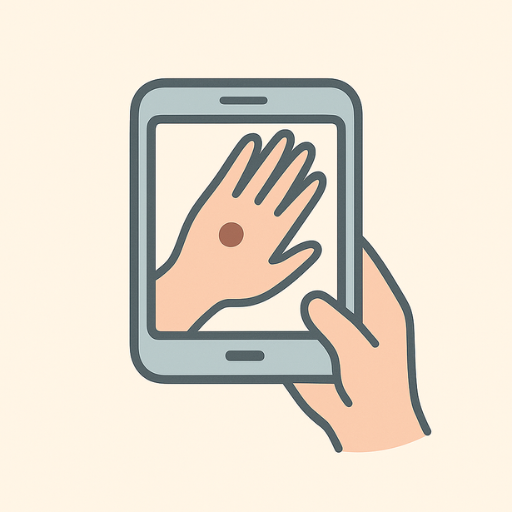
Identifying unusual rashes can be challenging but is important for timely care. This guide will show you how to observe rashes by their appearance, location, symptoms, and more. Using the AI-powered Rash Detector app, you can upload images of your rash and receive instant analysis to help guide your next steps.
Step 1: Describe the Rash by Morphology
Start by carefully observing the rash’s physical features. Morphology refers to the shape, texture, and appearance of the rash. Common descriptors include:
- Flat: Rash is flush with the skin surface, like a patch or discoloration.
- Raised: Bumps or lumps that protrude above the skin.
- Bumpy: Small, rounded nodules or papules.
- Blistering: Fluid-filled sacs or vesicles.
- Scaly: Flaky or peeling skin, often dry.
- Bruised: Purple or dark discoloration indicating bleeding under the skin.
- Oozing: Rash producing clear or yellowish fluid.
Accurately describing these features can help narrow down possible causes. For example, blistering rashes may be associated with infections or allergic reactions.
Step 2: Note Key Location Clues
Rash location can offer useful diagnostic clues. Pay attention to where the rash appears:
- Face: Often linked to allergies, eczema, or viral infections.
- Trunk (chest/back): Could indicate viral rashes, drug reactions, or heat rash.
- Limbs: Common for insect bites, contact dermatitis, or hives.
- Hands/Feet: May suggest fungal infections or allergic contact dermatitis.
- Mouth/Eyes: Sensitive areas where rashes may indicate allergic or autoimmune issues.
- Genital area: Watch for infections, irritants, or sexually transmitted conditions.
Knowing the location helps focus on relevant causes and treatments.
Step 3: Assess Symptom Clues
Symptoms accompanying the rash offer important insights. Ask yourself if you experience:
- Itchiness: Common in allergic reactions and eczema.
- Pain or burning: May suggest infections or inflammation.
- Tenderness: Indicates irritation or infection.
- Fever or fatigue: Possible systemic illness or viral infection.
- Swelling: Can be a sign of allergic reaction or infection.
Documenting symptoms supports better understanding and urgency assessment.
Step 4: Understand Time Course and Behavior
How a rash develops over time is important:
- Sudden onset: Could indicate allergic reaction or infection.
- Rapid spread: May signal serious infection or drug reaction.
- Persistent rash: Often chronic conditions like eczema or psoriasis.
- Changing color or shape: Watch for signs that may require medical evaluation.
- Recurring episodes: Suggest allergies or chronic skin conditions.
Tracking these patterns helps differentiate unusual rashes from common ones.
Step 5: Review Exposure History
Exposure to certain triggers can cause rashes. Consider recent:
- New medications or supplements.
- Foods or drinks consumed.
- Soaps, detergents, or skincare products.
- Contact with plants, insects, or animals.
- Travel history or exposure to sick contacts.
This information can help identify allergic or infectious causes. For more on drug-related rashes, visit Drug Rash: Causes, Symptoms, and How to Identify It.
Step 6: Check for Rash Blanching
Blanching means the rash fades or turns white when you press on it. To check:
- Use your finger to gently press a clear glass or the rash area for 5 seconds.
- Observe if the redness fades (blanches) or stays the same (non-blanching).
Non-blanching spots (such as petechiae or purpura) can indicate bleeding under the skin and should be evaluated by a healthcare professional promptly.
Step 7: Identify Serious Warning Signs
Seek immediate medical care if your rash includes:
- Blistering or open sores.
- Signs of infection: pus, warmth, or spreading redness.
- Difficulty breathing or swelling of face/throat.
- Widespread rash affecting large body areas.
- High fever or severe pain accompanying the rash.
These symptoms may indicate serious reactions or infections.
Step 8: Use Photos and Measurements to Track Changes
Documenting your rash over time helps track progress or worsening. Tips include:
- Take clear photos from the same angle and lighting regularly.
- Use a ruler or coin in photos to measure size.
- Note dates and any new symptoms.
Using the Rash Detector app, you can upload images to get instant analysis and track changes efficiently.
Tips & Common Mistakes
When identifying unusual rashes, avoid these pitfalls:
- Don’t ignore symptom severity—seek care if pain, fever, or spreading occurs.
- Avoid self-diagnosing without considering exposure history and rash appearance.
- Don’t delay medical attention for rashes with blistering or breathing difficulties.
- Keep a detailed rash diary including symptom changes and treatments tried.
Using AI tools like Rash Detector can help reduce guesswork and provide guidance based on your rash photos.
Conclusion
Identifying unusual rashes involves careful observation of morphology, location, symptoms, and history. Checking for blanching and monitoring rash changes over time are helpful steps. Always watch for serious warning signs and seek professional medical advice for diagnosis and treatment. To get a fast, AI-powered analysis, consider using the Rash Detector app by uploading photos of your rash for instant guidance.
FAQ
How do I know if a rash is serious or just irritation?
Serious rashes often have symptoms like blistering, spreading redness, pain, fever, or difficulty breathing. Mild irritation usually is localized and less severe. When in doubt, seek medical advice.
What does it mean if a rash doesn’t fade when pressed?
Rashes that do not blanch (fade) with pressure may indicate bleeding under the skin, such as petechiae or purpura, which require prompt medical evaluation.
What are the warning signs of an allergic reaction rash?
Warning signs include rapid swelling, blistering, difficulty breathing, widespread rash, or accompanying fever. These require immediate medical attention.
When should I see a doctor for a rash?
See a doctor if the rash is painful, spreading quickly, blistering, accompanied by fever, or if you have trouble breathing or swallowing.
What does a rash with fever mean?
A rash with fever may indicate an infection or systemic illness and should be evaluated promptly by a healthcare professional.
How can I tell if a rash is fungal, viral, or allergic?
Fungal rashes often affect moist areas with scaling; viral rashes may come with fever and fatigue; allergic rashes are itchy and linked to exposure history. Consult a doctor for accurate diagnosis.
Important: This information is educational and not a substitute for professional medical advice. If you have a rash that is severe, spreading, painful, or persistent, please see a healthcare provider or dermatologist for proper diagnosis and treatment.