How to Identify a Rash: The Complete Guide to Rash Recognition
Learn how to identify a rash, describe symptoms, recognize serious signs, and compare common types. Includes tips for photos and when to see a doctor.

Estimated reading time: 18 min
Key Takeaways
- Identifying a rash involves observing color, texture, pattern, and body location carefully, noting subtle variations and progression over time.
- Common types of rashes include eczema, contact dermatitis, hives, fungal infections, viral rashes, psoriasis, and drug-induced eruptions.
- Photo-based rash checkers and AI tools like Rash Detector can help provide instant analysis and guidance by comparing your rash to large datasets, but they do not replace professional medical evaluation.
- Serious rash warning signs include fever, rapid spreading, pain, blistering, purple discoloration, swelling, or breathing difficulty—seek medical care immediately if these occur.
- Describing a rash accurately to your doctor improves diagnosis—note onset, triggers, progression, symptoms, and any associated systemic signs.
Table of Contents
- Section 1: Understanding What a Rash Looks Like
- Section 2: Common Types of Skin Rashes and Their Features
- Section 3: How to Describe a Rash to a Doctor
- Section 4: Using Photos and Rash Checkers to Identify Rashes
- Section 5: When Is a Rash Serious and Needs Medical Attention
- Section 6: Rash Identification Challenges on Different Skin Tones
Conclusion
FAQ
Section 1: Understanding What a Rash Looks Like
Color Patterns and Shades
One of the first clues in how to identify a rash is its color. Rashes can appear in various hues, including red, pink, purple, brown, or even white. However, the appearance of these colors may vary depending on the underlying cause and the individual's skin tone.
Redness is a common sign indicating inflammation or irritation, but it may be less obvious or appear differently on darker skin tones, often showing as deeper purples or browns. It is important to compare the affected area with the surrounding normal skin to detect any unusual discoloration.
Specific colors can hint at different underlying mechanisms:
- Bright red: Often signals active inflammation or allergic reactions, such as in contact dermatitis or hives.
- Purple or violaceous spots: May indicate bruising, bleeding under the skin (purpura), or vasculitis.
- Brown patches: Can be post-inflammatory hyperpigmentation following rash resolution, common in eczema or fungal infections.
- White patches: Could reflect skin depigmentation or scaling, seen in conditions like pityriasis alba or fungal infections.
Observing subtle color changes, such as faint pinkness or dusky areas, helps in early detection. When monitoring a rash, note if the color intensifies, fades, or changes pattern over hours or days.
Shape, Size, and Distribution
The morphology of a rash provides valuable clues. Observe whether the rash consists of isolated spots, raised bumps, blisters, scaly plaques, or patches with irregular edges.
Shapes can be:
- Round or oval: Typical of fungal infections like ringworm or nummular eczema.
- Linear: May suggest contact with a plant like poison ivy or distribution along a dermatome in shingles.
- Irregular or geographic: Seen in some fungal infections or drug eruptions.
Size ranges from tiny pinpoints (millimeters) to large plaques covering several centimeters or more. Use a ruler or common objects like coins for size reference when documenting.
Distribution patterns are equally important:
- Localized: Confined to one area, often indicating contact dermatitis or insect bite reactions.
- Symmetrical: Common in systemic conditions like eczema or psoriasis.
- Generalized: Widespread rashes may suggest viral infections or drug reactions.
- Involving skin folds: Areas like behind knees or inside elbows are common for eczema or candidiasis.
Tracking how the rash spreads or migrates helps understand its behavior and potential triggers. For example, viral exanthems often start on the trunk and spread outward, while allergic contact dermatitis remains where contact occurred.
Texture and Sensations
Texture reveals important diagnostic details. Run your fingers gently over the rash to assess whether it is:
- Smooth: Flat and even, as in some viral rashes.
- Scaly: Dry flakes or peeling skin, typical in psoriasis or eczema.
- Raised or bumpy: Papules or plaques, seen in hives or fungal infections.
- Blistered or vesicular: Fluid-filled bumps, characteristic of shingles or contact dermatitis.
- Crusted or oozing: May indicate secondary infection or severe inflammation.
In addition to texture, note any sensations such as itching, burning, tenderness, or pain:
- Itching: Common in eczema, hives, and fungal infections.
- Burning or stinging: May occur with contact dermatitis or viral rashes.
- Pain: Suggests deeper inflammation, herpes zoster, or cellulitis.
For example, eczema typically causes dry, itchy patches that may crack, whereas hives produce raised, itchy welts that appear suddenly and often migrate. Documenting these sensations helps differentiate among possible causes.
Section 2: Common Types of Skin Rashes and Their Features
Contact Dermatitis
Contact dermatitis results from direct skin exposure to irritants or allergens, such as soaps, detergents, cosmetics, metals like nickel, or plants like poison ivy.
Features include:
- Red, itchy, scaly patches localized to the contact area.
- Possible development of blisters or vesicles in acute cases.
- Chronic exposure may cause thickened, cracked skin (lichenification).
- Onset is usually within hours to days of exposure.
For example, a person using a new laundry detergent may develop a rash on hands and wrists. Avoidance of the irritant and topical corticosteroids often relieve symptoms.
Eczema (Atopic Dermatitis)
Eczema is a chronic inflammatory skin condition often linked to allergies or asthma. It commonly affects children but can persist into adulthood.
Characteristic features:
- Dry, red to brownish-gray, itchy patches with rough, scaly texture.
- Predilection for flexural areas like the inside of elbows, behind knees, neck, and wrists.
- May present with oozing or crusting during flare-ups.
- Often associated with a personal or family history of atopy.
Management includes moisturizing regularly, avoiding irritants, and using prescribed anti-inflammatory creams.
Hives (Urticaria)
Hives are transient, raised, red or pink welts that can appear suddenly anywhere on the body. They usually itch intensely and may change shape or location within hours.
Common triggers include allergic reactions to foods, medications, insect stings, infections, or stress.
The hallmark is the rapid appearance and disappearance (usually within 24 hours) of itchy wheals surrounded by normal skin. Severe cases may involve swelling of deeper tissues (angioedema), especially lips and eyelids.
Heat Rash (Miliaria)
Heat rash occurs when sweat ducts become blocked, trapping sweat beneath the skin, commonly in hot, humid conditions.
It presents as small red bumps or tiny blisters, often in areas prone to sweating such as the neck, chest, back, and skin folds.
Symptoms include prickly or itchy sensations. Cooling the skin, wearing loose clothing, and reducing sweating typically resolve the rash.
Fungal Rashes
Fungal infections like tinea (ringworm) often manifest as circular, red, scaly patches with clearer centers and raised, well-defined borders.
They may itch and spread gradually if untreated. Common sites include the scalp, feet (athlete’s foot), groin (jock itch), and body.
Treatment involves antifungal creams or oral medications for widespread infections.
Viral Rashes
Viral rashes often accompany systemic symptoms such as fever, malaise, or respiratory signs.
They can be widespread, presenting as macules (flat spots), papules (raised bumps), or vesicles (blisters), and vary in color.
Examples include:
- Measles: Starts as a maculopapular rash beginning on the face and spreading downwards.
- Chickenpox: Characterized by itchy vesicles in various stages of healing.
- Shingles (herpes zoster): Painful vesicular rash along a single dermatome.
Psoriasis
Psoriasis is an autoimmune condition causing rapid skin cell turnover, leading to thick, red plaques covered with silvery scales.
Commonly affected areas are the scalp, elbows, knees, and lower back. It may cause itching or discomfort and can be associated with joint pain (psoriatic arthritis).
Treatment ranges from topical steroids to systemic therapies depending on severity.
Drug Rashes
Medications may cause a variety of rashes, often appearing days to weeks after initiation.
Features vary from mild red spots (maculopapular eruptions) to severe blistering conditions like Stevens-Johnson syndrome.
Identifying the offending agent and discontinuing it promptly is important.
Section 3: How to Describe a Rash to a Doctor
Key Details to Communicate
Accurate and detailed description of your rash helps healthcare professionals arrive at the correct diagnosis and recommend appropriate treatment.
Important information to include:
- Color: Specify hues (red, pink, purple, brown, white) and any changes over time.
- Texture: Describe if the rash is smooth, scaly, raised, blistered, crusted, or oozing.
- Shape and size: Note whether spots are round, oval, linear, irregular, and measure size in centimeters or inches if possible.
- Location: Indicate specific body parts affected, whether the rash is symmetrical, if it involves skin folds or mucous membranes.
- Onset and duration: When it first appeared, whether it developed suddenly or gradually, and how long it has lasted.
- Progression: If the rash is spreading, stable, or resolving; whether it comes and goes.
- Symptoms: Include itchiness, pain, burning, swelling, fever, or other systemic signs.
- Possible triggers: Mention recent exposures to new soaps, detergents, medications, foods, insect bites, heat, or stress.
Using Common Descriptive Terms
Doctors often inquire about specific features that indicate severity or particular conditions. For example:
- Blistering (vesicles or bullae): May suggest viral infections or severe allergic reactions.
- Crusting or oozing: Indicates secondary infection or severe inflammation.
- Scaling: Common in eczema and psoriasis.
- Blanching: Pressing the rash to see if it turns white temporarily helps distinguish inflammatory rashes from bleeding under the skin.
Also report systemic symptoms such as fever, chills, difficulty breathing, or swelling of the face or throat, as these may indicate life-threatening reactions.
Why Description Matters
Many rashes share overlapping appearances, so detailed descriptions help narrow down the differential diagnosis and guide further testing or specialist referrals.
For instance, an itchy, scaly rash on the elbows that has been persistent for months suggests psoriasis, whereas sudden, itchy welts that come and go point towards hives.
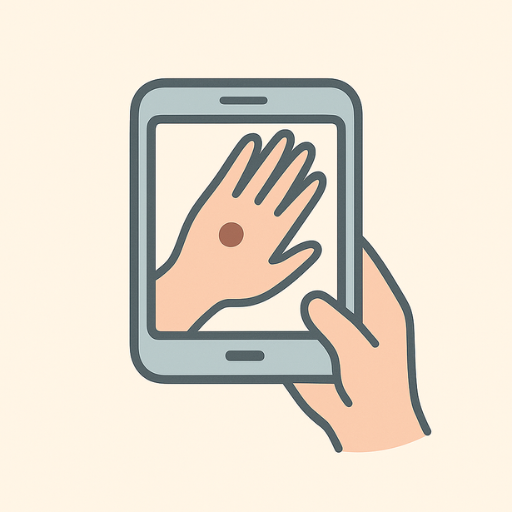
Providing photos or videos can further enhance the diagnostic process, especially during telemedicine consultations.
Section 4: Using Photos and Rash Checkers to Identify Rashes
Taking Useful Rash Photographs
High-quality photographs are invaluable for self-monitoring and for sharing with healthcare providers remotely.
Tips for effective photos include:
- Lighting: Use natural daylight where possible to capture true colors; avoid harsh shadows or flash glare.
- Angles: Take both close-up images focusing on texture and detail, plus wider shots showing the rash's extent and location on the body.
- Size reference: Place a ruler, coin, or standardized object next to the rash for scale.
- Compare: Photograph adjacent normal skin for better contrast.
- Multiple images: Capture the rash at different times to document progression or improvement.
How AI Rash Checkers Work
AI-powered apps such as Rash Detector analyze uploaded photos by comparing rash characteristics—color, shape, texture, size, and location—with a large database of documented skin conditions.
The AI uses machine learning algorithms trained on images across diverse skin tones to provide probable diagnoses and suggest next steps. These apps can enhance early identification and help users decide whether to seek medical advice.
It is important to note that AI tools do not replace professional medical evaluation but serve as adjuncts to increase awareness and reduce uncertainty.
Benefits of Using Rash Detector
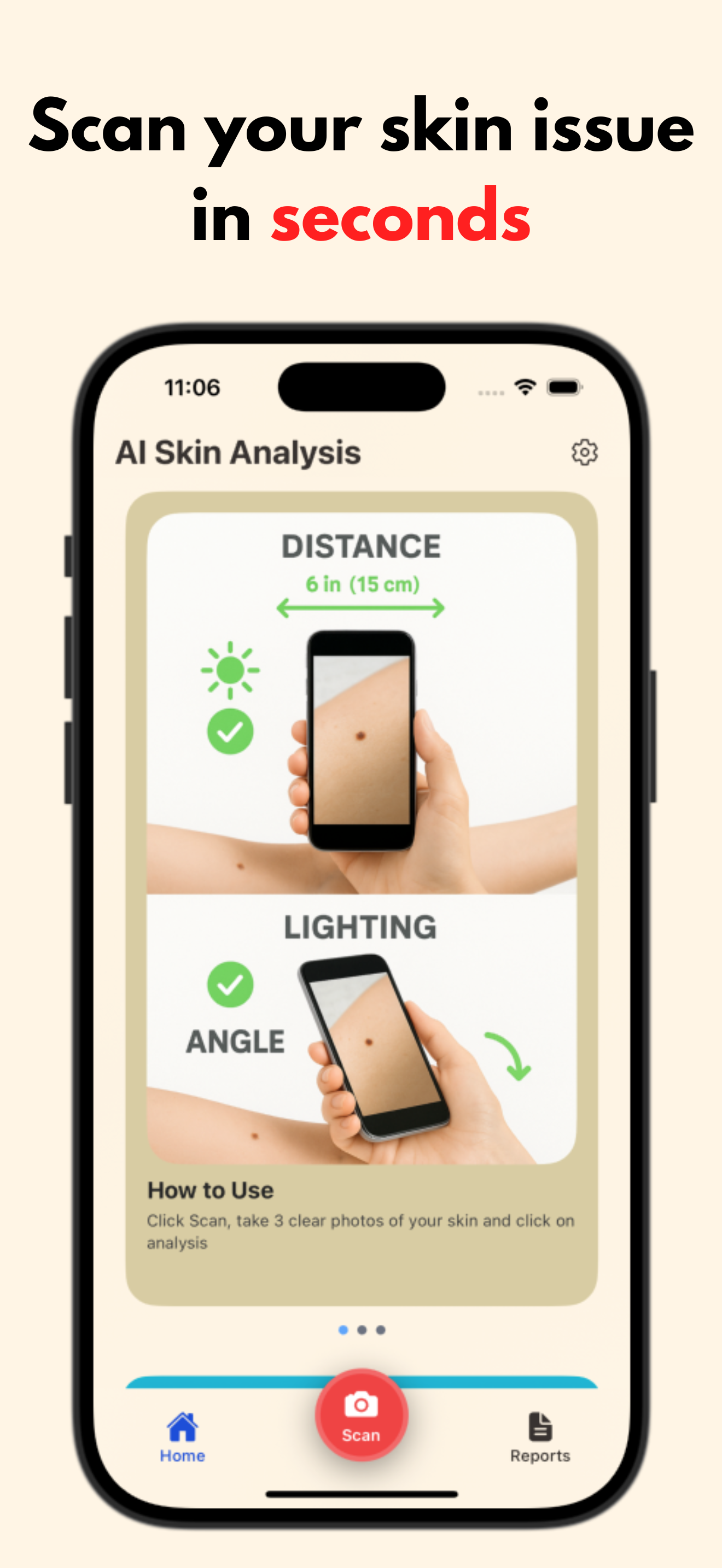
By uploading three images from different angles or at different stages, Rash Detector quickly returns possible causes along with guidance on monitoring and treatment options.
Its privacy-focused design aims to ensure user data security, and its training on diverse populations helps improve accuracy across various skin types.
Rash Detector also provides educational resources to help users understand potential conditions and warning signs.
Section 5: When Is a Rash Serious and Needs Medical Attention
Warning Signs to Watch For
While many rashes are benign, certain characteristics warrant prompt medical evaluation to prevent complications.
Seek medical attention if you observe:
- Rapidly spreading rash: Expansion over hours or large areas may indicate infections like cellulitis or serious allergic reactions.
- Rash accompanied by systemic symptoms: Fever above 38°C (100.4°F), chills, severe headache, or malaise.
- Blistering, open sores, or oozing: These may suggest secondary bacterial infection or severe drug reactions.
- Difficulty breathing or swelling: Especially swelling of lips, tongue, or throat, which can indicate anaphylaxis.
- Rash with purple or bruised appearance: Could signal bleeding under the skin (purpura) or vasculitis, requiring urgent evaluation.
- Severe pain or tenderness: May indicate infections or inflammatory conditions needing antibiotics or steroids.
- Rash lasting more than a week without improvement: Persistent or worsening rashes warrant specialist assessment.
Persistent or Recurrent Rashes
Rashes that recur frequently or do not respond to over-the-counter treatments should be evaluated by a dermatologist. Conditions like chronic eczema, psoriasis, or autoimmune disorders may require tailored therapies.
Keeping a symptom diary including flare triggers, treatments used, and response helps guide management.
Emergency Situations
If you experience any of the following, seek emergency medical care immediately:
- Rash with difficulty breathing, wheezing, or tightness in the throat.
- Rapid swelling of the face, tongue, or lips.
- High fever with rash and confusion or lethargy.
- Signs of infection such as pus, increasing redness, warmth, or swelling around the rash.
- Severe blistering, peeling, or skin detachment (possible Stevens-Johnson syndrome).
For comprehensive guidance, refer to our detailed post When Is a Rash Serious?
Section 6: Rash Identification Challenges on Different Skin Tones
Variations in Rash Appearance
Rashes can present differently depending on skin tone, which may pose challenges for accurate recognition and diagnosis.
On darker skin, redness may be less apparent or may manifest as deep purplish, gray, or brown discolorations. This can delay recognition or lead to underdiagnosis.
Therefore, greater emphasis is placed on texture changes such as swelling, scaling, or raised bumps, and the presence of symptoms like itching or pain.
What to Look for on Darker Skin
- Raised bumps or welts: May be more noticeable than color changes.
- Discoloration: Purple, gray, or brown patches often replace typical red hues.
- Dryness or scaling: Texture can be more evident than color.
- Warmth or swelling: Areas that feel warmer or swollen compared to surrounding skin.
Photographs for remote consultation should capture texture and lesion borders clearly, possibly using side lighting to emphasize raised areas.
Importance of Awareness and Inclusive Tools
Healthcare providers should be trained to recognize dermatological conditions across all skin tones to avoid misdiagnosis and ensure equitable care.
AI tools like Rash Detector incorporate diverse skin images in their training datasets to improve diagnostic accuracy for all populations.
Learning how to identify rashes effectively on different skin tones empowers individuals and providers to monitor skin health and seek timely care.
Conclusion
Knowing how to identify a rash involves careful and systematic observation of color, texture, shape, location, and associated symptoms, considering variations across different skin tones.
Understanding common types of skin rashes—such as eczema, contact dermatitis, hives, fungal infections, psoriasis, viral exanthems, and drug reactions—equips you to recognize patterns and triggers.
Providing a detailed description and photographic documentation of your rash can enhance your doctor’s ability to diagnose and recommend appropriate treatment.
Using photos and AI-powered rash checkers such as Rash Detector can assist in quick, confidential assessments, reduce uncertainty, and guide decisions on when to seek professional medical care.
Always consult a healthcare professional for severe, spreading, painful, or persistent rashes. Early identification and treatment are important for managing skin health effectively and preventing complications.
FAQ
Q: What does a rash look like when it is serious?
A: Serious rashes may spread rapidly, blister, cause severe pain, or exhibit purple or bruised discoloration. They often occur with systemic symptoms such as fever, swelling of the face or throat, or breathing difficulties. Immediate medical attention is essential if these signs are present.
Q: How can I tell what kind of rash I have?
A: Observe the rash’s color, shape, texture, location, and symptoms such as itching or pain. Comparing these features to common rash types and using AI-based rash checkers can help narrow down possible causes. However, professional evaluation is important for accurate diagnosis.
Q: When should I worry about a rash and see a doctor?
A: Seek medical advice if the rash spreads quickly, is painful or blistered, is accompanied by fever, or lasts more than a week without improvement. Also consult a doctor if systemic symptoms or breathing difficulties occur.
Q: What causes a rash to suddenly appear?
A: Sudden rashes may result from allergic reactions to foods, medications, insect bites, infections, heat, or exposure to new irritants like soaps or detergents.
Q: How do I tell if a rash is allergic, fungal, or eczema?
A: Allergic rashes often appear suddenly as itchy, red patches or welts after exposure to triggers. Fungal rashes tend to be circular with scaly, raised borders and clearer centers. Eczema usually presents as chronic, dry, itchy patches often in skin folds.
Q: What should I do if my rash is itchy, spreading, or painful?
A: Avoid scratching to prevent infection, keep the area clean and dry, and apply soothing measures like cool compresses or over-the-counter emollients. If symptoms worsen, the rash spreads, or signs of infection develop, consult a healthcare professional promptly.