Home Remedies for a Rash: Complete At-Home Soothing & Care Guide
Discover the best home remedies for a rash, how to treat rashes at home, stop itching, and know when to see a doctor. Expert-backed, detailed guide.

Estimated reading time: 13 min
Key Takeaways
- Learn safe and commonly used home remedies for a rash—cool compresses, gentle cleansing, oatmeal baths, and more.
- Understand key irritants and triggers to avoid for potentially faster healing.
- Compare over-the-counter options: hydrocortisone, calamine, and antihistamines.
- Recognize red-flag symptoms that mean you should see a doctor for your rash.
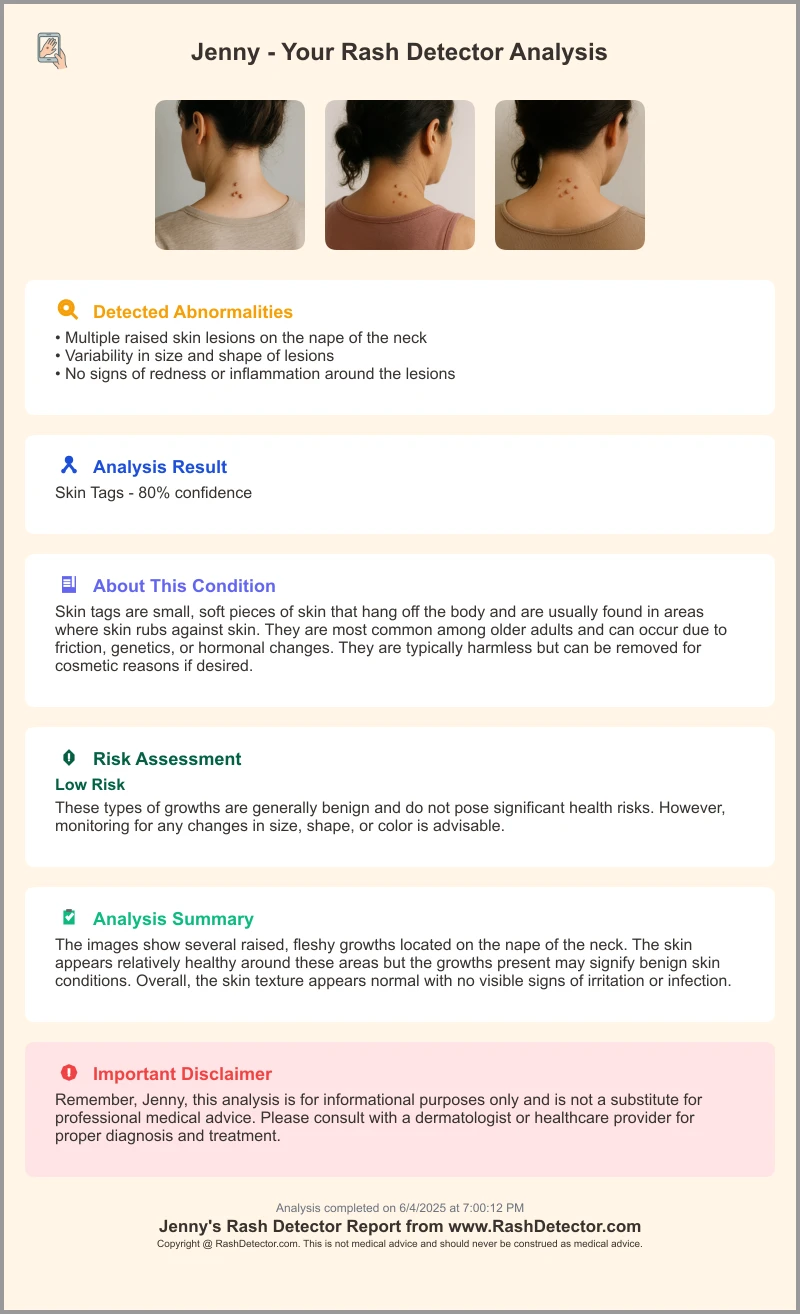
- Discover how Rash Detector can help you identify possible rash causes from a photo.
Table of Contents
- Section 1: Identifying Rash Triggers and Irritants
- Section 2: Gentle Cleansing and Moisturizing
- Section 3: Soothing with Cool Compresses and Oatmeal Baths
- Section 4: Over-the-Counter Relief—Hydrocortisone, Calamine, and Antihistamines
- Section 5: Protecting Skin and Preventing Further Irritation
- Section 6: Home Remedies for Specific Rash Types
- When to See a Doctor for a Rash
- How Long Does a Rash Last? Recovery Timelines
- Conclusion
- FAQ
Section 1: Identifying Rash Triggers and Irritants
Common Rash Triggers at Home
Before considering home remedies for a rash, it's important to try to identify what may have triggered your rash. Many skin rashes are caused or worsened by daily exposures to:
- Soaps and Detergents: Harsh soaps, laundry chemicals, and fabric softeners can strip natural oils and irritate skin.
- Fragrances and Preservatives: Perfumed lotions, cosmetics, and even some moist wipes can provoke allergic reactions.
- Fabrics: Wool, polyester, or tight clothing may cause friction or trap heat—leading to heat rash or irritation.
- Plants and Outdoor Allergens: Poison ivy, oak, and sumac are well-known triggers, but even grass or pollen can be triggers for some people.
- Nickel and Metals: Jewelry, snaps, or watchbands may cause localized allergic contact dermatitis.
How to Avoid Rash Triggers
To help a rash heal, consider these steps:
- Switch to fragrance-free, dye-free soaps and detergents.
- Wear loose, breathable cotton clothing to reduce friction and overheating.
- Avoid known irritants and allergens—note any new products you’ve tried recently.
- Wash new clothes before wearing to remove chemical residues.
For more on avoiding specific triggers and managing drug-related rashes, see our detailed post: Drug Rash: Causes, Symptoms, and How to Identify It.
When in Doubt, Document
If you’re unsure what caused your rash, take photos, note any new exposures, and consider using a tool like Rash Detector to help narrow down possible causes from images and your recent history.
Section 2: Gentle Cleansing and Moisturizing
Why Gentle Cleansing Matters
Proper skin care is important for managing many rashes at home. Washing the area gently may help remove irritants and reduce infection risk—but harsh soaps or scrubbing can worsen things.
- Use lukewarm water, not hot, which can dry or inflame skin.
- Choose mild, fragrance-free cleansers (avoid deodorant or antibacterial soaps).
- Pat skin dry with a soft towel—avoid rubbing.
The Role of Moisturizers
After cleansing, applying a fragrance-free, hypoallergenic moisturizer can help seal in hydration and support the skin barrier. Common options include:
- Petrolatum-based ointments (e.g., Vaseline)
- Creams with ceramides or colloidal oatmeal
- Thick, bland creams without alcohol or fragrance
Moisturize at least twice daily, especially after bathing.
What to Avoid
- No alcohol-based gels—these can sting and dry out skin.
- Avoid coconut oil or essential oils unless you’re sure you’re not allergic.
When Gentle Care Isn’t Enough
If you notice spreading redness, swelling, pus, or increasing pain, see a doctor promptly. For more advanced at-home skin care tips and when to escalate to medical treatment, read our in-depth guide: Skin Rash Treatment: Effective Solutions and Smart Tools.
Section 3: Soothing with Cool Compresses and Oatmeal Baths
Cool Compresses for Fast Relief
One commonly used home remedy for a rash is a cool compress. This method may help reduce inflammation, soothe itching, and provide comfort.
- Soak a clean washcloth in cool (not icy) water.
- Wring out and apply to the affected area for 10-15 minutes.
- Repeat several times a day as needed.
Never apply ice directly, as it can damage sensitive skin.
Oatmeal Baths: Nature’s Itch Relief
Colloidal oatmeal is a well-known ingredient for calming rashes. It forms a soothing barrier and may help relieve itching from eczema, contact dermatitis, hives, and more.
- Add one cup of colloidal oatmeal (pre-ground, available at most pharmacies) to a lukewarm bath.
- Soak for 10-20 minutes, then pat dry and moisturize.
If you don’t have colloidal oatmeal, blend plain rolled oats into a fine powder as a substitute.
When to Use These Methods
Cool compresses and oatmeal baths are often used for:
- Heat rash (prickly heat)
- Hives (urticaria)
- Mild eczema outbreaks
- Allergic reactions (non-severe)
For more information on preventing heat rash, visit our guide: How to Prevent Heat Rash: Practical Tips for Every Season.
Section 4: Over-the-Counter Relief—Hydrocortisone, Calamine, and Antihistamines
Hydrocortisone Cream: When and How to Use
Over-the-counter hydrocortisone cream (1%) is a commonly used anti-itch cream for many mild rashes. It may reduce redness, swelling, and itching caused by inflammation.
- Apply a thin layer to affected skin 1-2 times daily, but avoid the face, groin, or broken skin unless a doctor advises.
- Limit use to 1-2 weeks—long-term or widespread use can thin the skin.
Hydrocortisone is often used for eczema, contact dermatitis, and insect bites. It’s generally less effective for hives, where oral antihistamines may be preferred.
Calamine Lotion: Soothing and Protective
Calamine lotion provides a cooling effect and may help dry out weepy or blistering rashes. It’s commonly used for poison ivy, chickenpox, and other itchy eruptions.
- Shake well and dab lightly onto the rash with a cotton ball.
- Let air dry; reapply as needed.
Antihistamines: Oral vs Topical
Oral antihistamines (like cetirizine or diphenhydramine) are often used for hives or widespread itching, especially if rash is allergy-related. They can also help with sleep if itching is severe at night.
- Avoid topical antihistamine creams (like diphenhydramine gel) on rashes—they can sometimes cause allergic reactions themselves.
For an expert breakdown of choosing the right anti-itch cream and the hydrocortisone vs antihistamine debate, see our post: Best Anti Itch Cream: Top Picks and How to Choose.
Safety Tips
- Read and follow all label directions.
- Do not use these remedies on large areas or for severe, spreading, or infected rashes—see a doctor instead.
Section 5: Protecting Skin and Preventing Further Irritation
How to Stop a Rash from Itching
Persistent scratching can break the skin, slow healing, and increase infection risk. Here are some general tips to help reduce itching:
- Keep nails short and clean.
- Use distraction—cover the area with clothing or a soft bandage if appropriate.
- Try cool compresses or oatmeal baths for relief.
- Apply anti-itch cream sparingly as needed.
Protecting from Heat, Sun, and Friction
- Avoid direct sunlight on a rash—UV exposure can worsen some rashes.
- Stay in cool environments; heat can aggravate many types of rashes.
- Wear loose-fitting, breathable clothing.
- Skip heavy lotions or occlusive bandages unless directed by a doctor.
Preventing Infection
- Do not scratch or pick at blisters or scabs.
- Clean the area gently and keep it dry.
- If the rash is oozing, cover lightly with sterile gauze.
If you notice any yellow crusting, foul odor, or spreading redness, seek medical care for possible infection.
Section 6: Home Remedies for Specific Rash Types
Heat Rash (Prickly Heat)
- Move to a cooler, less humid area.
- Apply cool compresses and keep skin dry.
- Avoid ointments or heavy creams that trap heat.
For comprehensive prevention, check out our guide to preventing heat rash.
Hives (Urticaria)
- Use oral antihistamines for itching and swelling.
- Cool compresses can help soothe discomfort.
- Avoid known allergens and triggers.
Eczema (Atopic Dermatitis)
- Moisturize frequently with thick, fragrance-free creams.
- Apply hydrocortisone cream to itchy or inflamed areas as directed.
- Consider colloidal oatmeal baths for flare-ups.
Contact Dermatitis
- Identify and avoid the irritant or allergen.
- Wash the area with mild soap and water as soon as possible after exposure.
- Use hydrocortisone cream and cool compresses for relief.
Drug-Related Rashes
If you suspect your rash is related to a medication, stop the drug only if your doctor advises. Some drug rashes can be serious—learn more in our detailed article: Drug Rash Treatment: Effective Solutions for Skin Reactions.
When to See a Doctor for a Rash
Red-Flag Symptoms
While some mild rashes may respond to home remedies, others require prompt medical attention. See a doctor or dermatologist if you have:
- Rash covering large areas or rapidly spreading
- Fever, chills, or feeling very unwell
- Painful blisters, open sores, or raw skin
- Swelling of the lips, tongue, face, or difficulty breathing (possible emergency—call 911)
- Yellow crusting, pus, or signs of infection
- Rash not improving after 1-2 weeks of home care
For children, infants, or those with weakened immune systems, consult a healthcare provider sooner for any rash with concerning symptoms.
Why Professional Diagnosis Matters
Some rashes mimic others but have very different causes and treatments. If you’re unsure or worried, use a tool like Rash Detector to get possible causes from photos and guidance on next steps—but always see a professional for diagnosis and treatment, especially for severe, spreading, painful, or persistent symptoms.
How Long Does a Rash Last? Recovery Timelines
Factors That Affect Rash Recovery
The duration of a rash depends on its cause, your skin type, and how quickly you can remove triggers and start gentle care. Here’s what is generally expected:
- Contact dermatitis: May improve within 1-2 weeks with avoidance and home treatment.
- Heat rash: May clear in a few days with cooling and dryness.
- Eczema flare-ups: Can last from days to weeks, but frequent moisturizing and anti-itch care may help.
- Hives: Individual welts usually fade within 24 hours, but outbreaks can recur for days or weeks if the trigger persists.
If your rash persists beyond 2 weeks, worsens, or is accompanied by other symptoms, seek medical evaluation.
What If a Rash Isn’t Getting Better?
Some rashes are stubborn or indicate a deeper medical problem. Chronic rashes, new medication reactions, and unexplained symptoms call for a professional evaluation. For a step-by-step approach to rash evaluation, see our post: Skin Rash Treatment: Effective Solutions and Smart Tools.
Conclusion
Home remedies for a rash may provide relief for some mild skin problems. Key strategies include gentle cleansing, fragrance-free moisturizers, cool compresses, oatmeal baths, and careful use of over-the-counter anti-itch creams and oral antihistamines. Avoiding triggers and irritants may help your skin heal, and protecting the area from scratching, heat, and sun is important.
However, not all rashes are the same. If your rash is severe, spreading, painful, or doesn’t improve with home care, always see a doctor or dermatologist for diagnosis and treatment. For help identifying possible causes and guidance on next steps, try uploading photos to Rash Detector for instant analysis. Your skin’s health and safety come first—never hesitate to get professional help when needed.
FAQ
Q: What home remedy gets rid of a rash fast?
A: Cool compresses, gentle cleansing, and avoiding irritants are commonly used ways to soothe many rashes. Oatmeal baths and fragrance-free moisturizers may help, too. For itchy or inflamed rashes, over-the-counter hydrocortisone or calamine lotion can provide relief for some people. However, how fast a rash clears depends on its cause—always see a doctor for severe, spreading, or infected rashes.
Q: What can I put on a rash to stop itching?
A: Cool compresses, colloidal oatmeal, and fragrance-free moisturizers may provide relief. Over-the-counter anti-itch creams like hydrocortisone or calamine lotion are used for many rashes. Oral antihistamines may help with hives and allergy rashes. Avoid topical antihistamine creams, which can sometimes cause reactions.
Q: Is oatmeal bath good for a rash?
A: Oatmeal baths (using colloidal oatmeal) are often recommended for soothing a wide range of rashes, including eczema, hives, and contact dermatitis. Oatmeal may help calm inflammation and relieve itching. Use lukewarm water and moisturize after soaking.
Q: When should I worry about a rash and see a doctor?
A: Seek medical care if your rash is spreading quickly, covers a large area, is accompanied by fever, pain, blistering, or swelling of the face or mouth, or shows signs of infection (yellow crusting, pus). Rashes in infants, immunocompromised individuals, or lasting longer than 2 weeks also warrant a doctor’s evaluation.
Q: What causes a rash to suddenly appear?
A: Sudden rashes can result from allergic reactions (to foods, plants, medications), contact with irritants, infections (viral or bacterial), heat, or underlying health conditions. Identifying and removing the trigger is key. If you’re unsure, tools like Rash Detector can help suggest possible causes, but always seek professional advice for concerning symptoms.
Q: Can I use hydrocortisone or calamine on any rash?
A: Hydrocortisone and calamine are used for many mild rashes, like eczema, contact dermatitis, and insect bites. Avoid hydrocortisone on the face, groin, or open wounds unless directed by a doctor. For widespread, severe, or infected rashes, or in infants, consult a healthcare provider before applying any medication.