Effective Medication Rash Treatment: A Comprehensive Guide
Discover effective strategies for medication rash treatment, including identification, diagnosis, and management to prevent severe complications.

Estimated reading time: 8 min read
Key Takeaways
- Early recognition of drug rashes reduces complications and speeds recovery.
- Distinct symptoms—from mild itching to life-threatening blistering—require different responses.
- Accurate diagnosis uses medication reviews, allergy tests, and patch testing.
- Therapeutic options range from antihistamines and corticosteroids to hospitalization for severe cases.
- Prevention hinges on thorough history taking, pre-treatment screening, and patient education.
Table of Contents
- Understanding Drug-Induced Rashes
- Identifying Symptoms and Onset
- Diagnostic Considerations
- Treatment Options and Support
- Preventative Measures
- FAQ
Understanding Drug-Induced Rashes
Medication-induced rashes are adverse skin reactions tied directly to drug exposure. They can range from mild irritation to severe, life-threatening allergic responses.
- Definition: Rashes appearing shortly after starting, changing, or stopping a medication.
- Also known as: Drug eruptions or adverse cutaneous drug reactions.
Common causes:
- Immune-mediated allergies: Urticaria (hives), morbilliform eruptions.
- Non-allergic sides: Photosensitivity, fixed-drug eruptions from chemical irritation.
- Interactions/overdoses: Metabolic buildup triggering toxic reactions.
Severity spectrum:
- Mild: Pruritus, erythema, minor swelling.
- Severe: Stevens-Johnson syndrome, toxic epidermal necrolysis, anaphylaxis.
Red flags (seek urgent care): blistering or widespread peeling; mucosal involvement; facial or tongue swelling; difficulty breathing or swallowing.
Experience Tip: On one rotation, a patient on allopurinol developed target-shaped lesions and mucosal redness—classic Stevens-Johnson syndrome requiring hospitalization.
For detailed background, see Merck Manuals and the Harvard Health Blog.
Identifying Symptoms and Onset
Early recognition guides prompt intervention.
Common symptoms:
- Erythema (red blotches)
- Pruritus (intense itching)
- Angioedema (deep swelling)
- Urticaria (itchy hives)
- Peeling, scaling, or blistering
Timing:
- Immediate reactions (minutes–hours): IgE-mediated hives and angioedema.
- Delayed reactions (days–weeks): Morbilliform eruptions, fixed-drug rashes.
Correlation Tip: Maintain a timeline from first dose to rash onset. Day 0 = start date; note progression daily.
Learn more on Identifying drug-induced rash symptoms.
Diagnostic Considerations
Accurate diagnosis steers effective treatment.
When to seek professional care: Systemic symptoms (fever, malaise), mucosal ulcers, respiratory distress, rash worsening after drug cessation.
Diagnostic procedures:
- Medication review and supervised discontinuation
- Skin prick or blood allergy tests for IgE responses
- Patch testing for delayed hypersensitivity
- Skin biopsy in severe or ambiguous cases
Diary guidance: Record Date | Time | Drug | Dose | Symptom onset/progression | Photo reference.
For tracking tips, visit Track rash progress pictures.
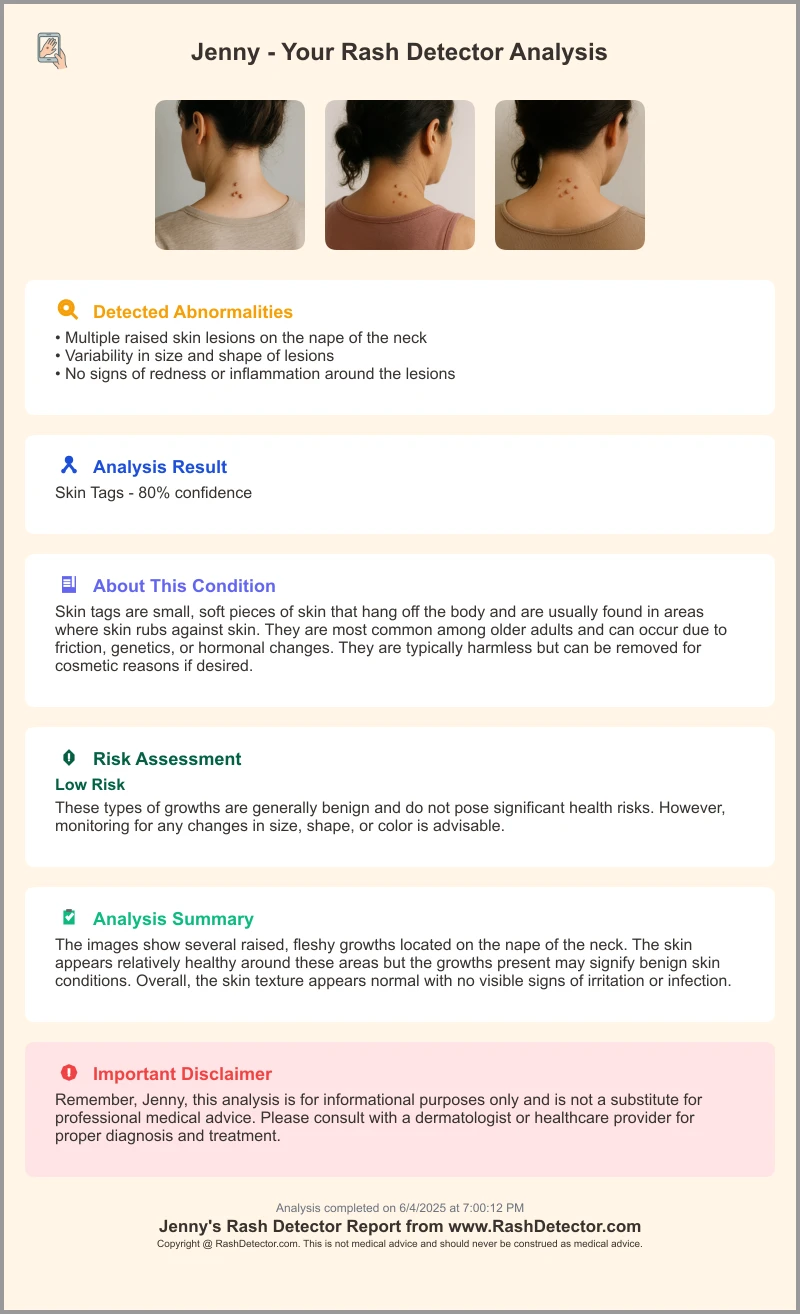
Consider using Rash Detector for AI-based skin analysis.
Treatment Options and Support
Therapy depends on severity and patient history.
Primary intervention: Discontinue or adjust the offending drug under medical supervision; substitute when possible.
First-line prescriptions:
- Oral antihistamines (e.g., cetirizine) to relieve itching.
- Topical corticosteroids (hydrocortisone cream) for redness and swelling.
- Oral corticosteroids (prednisone) for extensive eruptions.
- Emergency epinephrine for anaphylaxis; carry an auto-injector if at risk.
For more, see Managing drug allergy rash.
Severe reaction management: Hospitalization, IV steroids, IVIG, wound care, and multidisciplinary support.
Supportive care: Cool compresses, fragrance-free moisturizers, oatmeal baths, hydration, and nail care.
Home remedies are only for mild, self-limiting rashes—never replace medical evaluation for moderate-to-severe cases.
Preventative Measures
Safeguard future treatments by reducing risk.
- Allergy disclosure: Inform all providers of past reactions and wear a medical ID listing severe allergies.
- Pre-treatment screening: Skin testing for high-risk drugs and graded dosing under supervision.
- Immediate actions: Follow wound care, monitor spread, and never re-challenge without approval.
- Patient education: Keep an up-to-date medication list; learn early warning signs and when to seek help.
FAQ
- How soon should I stop a medication if a rash appears?
Stop only under medical guidance. Mild rashes may resolve, but urgent care is needed for red-flag signs. - Can over-the-counter creams help?
Yes for mild, non-allergic rashes. Cool compresses and hydrocortisone may relieve symptoms but aren’t substitutes for professional care. - How do I prevent future drug rashes?
Always disclose allergies, consider skin testing, carry a medical ID, and keep a detailed drug and symptom diary.