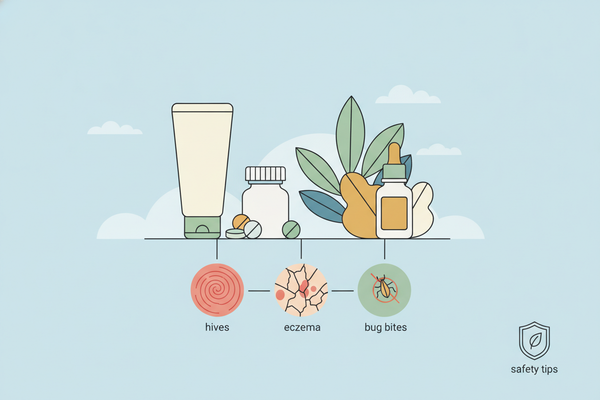
Cream for Skin Rashes: Best Options, Ingredients & When to Use
Find the best cream for skin rashes. Learn when to use hydrocortisone, calamine, zinc oxide, antifungal, and more. Try the AI rash detector for instant guidance.


Estimated reading time: 12 min
Key Takeaways
- Over-the-counter hydrocortisone 1% is commonly used for many itchy, inflamed rashes.
- The best cream for a rash depends on the cause—eczema, allergic reaction, heat rash, or infection.
- Calamine, zinc oxide, colloidal oatmeal, and ceramides may offer relief for specific rash types.
- Use fragrance-free, sensitive-skin formulas to avoid further irritation.
- See a doctor for spreading, blistering, oozing, infected, or persistent rashes.
Table of Contents
- Section 1: Understanding Skin Rashes and When to Use Creams
- Section 2: Hydrocortisone 1% Cream—When and How to Use It
- Section 3: Choosing Between Creams, Ointments, Lotions, and Balms
- Section 4: Calamine, Zinc Oxide, and Barrier Creams for Specific Rashes
- Section 5: Colloidal Oatmeal, Ceramides, and Sensitive Skin Formulations
- Section 6: When to Use Antifungal Creams and When to See a Doctor
- Conclusion
- FAQ
Section 1: Understanding Skin Rashes and When to Use Creams
What Is a Skin Rash?
A skin rash is an area of irritated or swollen skin that may appear red, itchy, bumpy, or blistered. Rashes can arise from allergies, infections, heat, friction, or underlying health conditions. Common types include eczema, contact dermatitis, heat rash, and reactions to medications.
- Eczema: Chronic, itchy, inflamed patches, often on arms and legs. Eczema (atopic dermatitis) can be triggered by environmental factors, genetics, or irritants like soaps and detergents. The skin often appears dry, cracked, and sometimes thickened from chronic scratching.
- Contact dermatitis: Caused by touching an irritant or allergen (like poison ivy or nickel). Irritant contact dermatitis occurs when skin is exposed to harsh chemicals or soaps, while allergic contact dermatitis results from an immune reaction to a substance. Typical symptoms include redness, swelling, and sometimes blisters.
- Heat rash: Blocked sweat ducts lead to small red bumps, usually in hot, humid weather. This is especially common in infants but can affect anyone. Heat rash often occurs where clothing causes friction, such as underarms, neck, or groin.
- Insect bites: Swollen, itchy welts from bug stings or bites. The skin may develop a small, red bump or larger, more pronounced swelling depending on individual sensitivity and the type of insect.
Other less common but important causes of rashes include viral infections (such as chickenpox, measles, or shingles), bacterial infections (like impetigo or cellulitis), autoimmune disorders (such as lupus), and medication reactions. Recognizing the pattern and triggers of a rash is important for choosing the correct approach to care.
When Does a Rash Need a Cream?
Creams are sometimes helpful for rashes, especially when you experience itching, inflammation, or discomfort. Over-the-counter (OTC) options may soothe mild to moderate symptoms. However, not all rashes respond to the same cream. The right treatment depends on the type and cause of the rash.
- Anti-itch or hydrocortisone creams are often used for mild, inflamed rashes, such as eczema, mild allergic reactions, or insect bites.
- Barrier creams or zinc oxide may help with friction or diaper-type rashes, as these protect the skin from moisture and further irritation.
- Antifungal creams are used for ringworm, athlete’s foot, or yeast-related rashes, which appear in moist, folded areas like the groin or underarms.
- Avoid creams with added fragrance, dyes, or harsh ingredients on sensitive skin, as these may worsen irritation or trigger allergies.
Some rashes, such as those caused by viral infections or severe allergic reactions, may not improve with topical creams and require different management. Always consider your overall health, age, and any underlying conditions when selecting a rash cream.
When to Seek Medical Advice
See a doctor or dermatologist if your rash is spreading quickly, blistering, oozing pus, very painful, or lasts more than a week without improvement. Some rashes signal infection or a severe allergic reaction and require prescription medications. If in doubt, always seek expert advice. Additionally, seek prompt care if you experience fever, shortness of breath, facial swelling, or involvement of the eyes, mouth, or genitals.
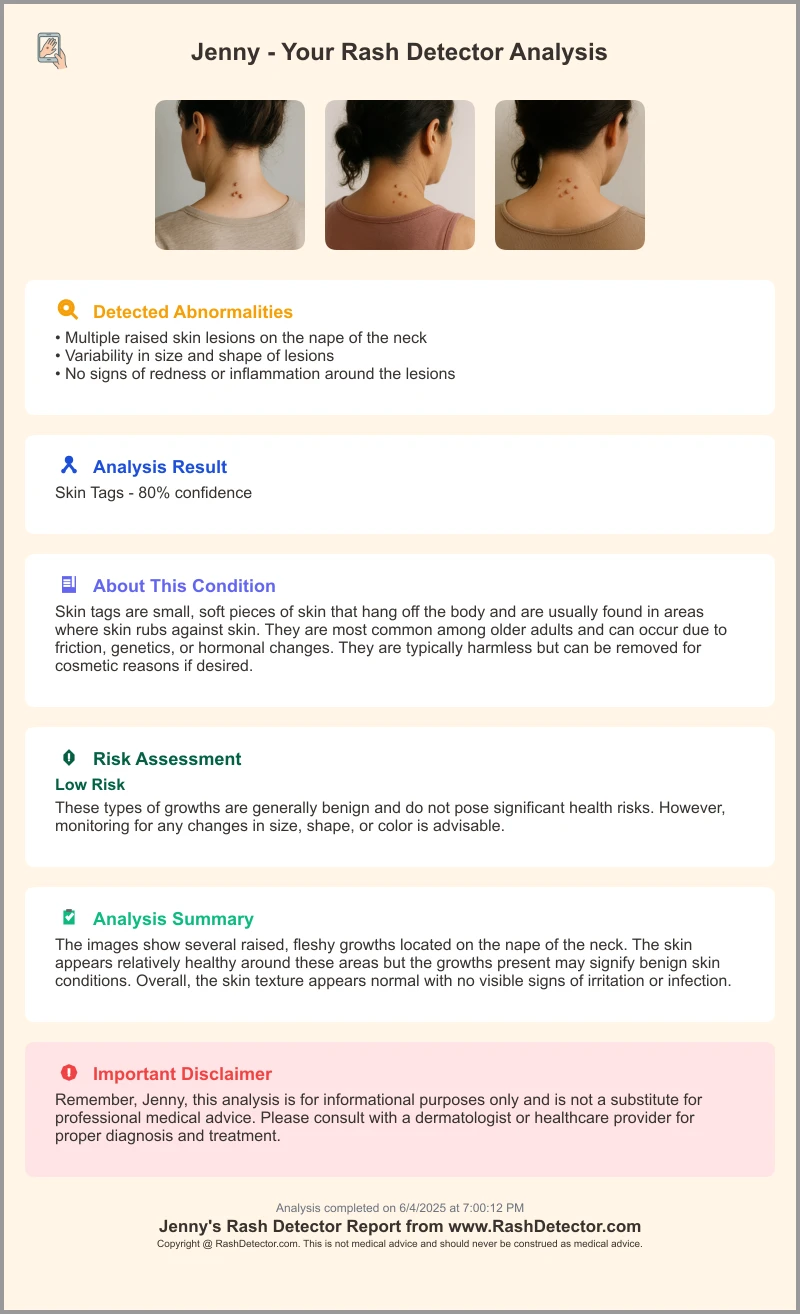
For instant, AI-powered guidance on your skin rash, try Rash Detector. Upload three images and get a personalized analysis in seconds. Remember, this is not a substitute for professional medical evaluation, especially for severe or worsening symptoms.
Section 2: Hydrocortisone 1% Cream—When and How to Use It
Why Hydrocortisone 1% Is Commonly Used
Hydrocortisone 1% is a widely available OTC cream for many itchy, inflamed rashes. It’s a mild corticosteroid that can reduce redness, swelling, and irritation. You’ll find it in most pharmacies under names like Cortizone-10 or generic hydrocortisone cream.
- Often used for: Eczema flare-ups, allergic contact dermatitis, insect bites, mild psoriasis, and heat rash. It may also help reduce inflammation from mild reactions to plants (like poison ivy or oak) and minor irritation from shaving or environmental exposure.
- Not for: Fungal infections (like ringworm), acne, or deep/open wounds. Hydrocortisone can mask the appearance of infections and, if misused, may worsen certain conditions.
Hydrocortisone acts by suppressing the local immune response, which can ease itching and burning but should not be used on infections unless specifically instructed by a healthcare provider. For children under 2, consult a doctor before applying hydrocortisone.
How to Apply Hydrocortisone Cream Safely
- Apply a thin layer to the affected area 1-2 times daily. Use just enough to cover the rash—more is not better and may increase side effects.
- Wash hands before and after use. If applying to your hands, do not wash after application.
- Avoid using on broken skin, face (unless directed), or large body areas for long periods. The skin on the face, groin, and underarms absorbs steroids more readily, increasing risk of side effects.
- Limit use to 1-2 weeks unless instructed by a doctor. Prolonged use, especially in children, can thin the skin or cause stretch marks.
Overuse can thin the skin, cause discoloration, or trigger a rebound rash when stopped abruptly. If irritation worsens or new symptoms develop (such as burning, swelling, or visible infection), discontinue and seek medical advice.
Hydrocortisone vs. Other OTC Creams
While hydrocortisone 1% is a common first-line option for many rashes, it’s not always the best choice. For example, fungal rashes (like athlete’s foot) require antifungal creams, and oozing blisters may do better with calamine lotion. For more on top over-the-counter itch relievers, see Best Anti Itch Cream: Top Picks and How to Choose.
It is important to note that stronger corticosteroids (such as 2.5% hydrocortisone or prescription-strength creams) may be needed for severe eczema or psoriasis, but these should only be used under medical supervision. OTC hydrocortisone is generally considered safe for short-term use for mild rashes, but always read the package insert and follow directions.
Never use hydrocortisone on viral rashes (like cold sores or shingles) or on broken, infected, or ulcerated skin. If the rash covers the face or genitals, or if you are treating a rash in a child or infant, consult your healthcare provider first.
Section 3: Choosing Between Creams, Ointments, Lotions, and Balms
Texture Matters: Which Base Is Best?
Not all topical treatments are created equal—the type of base matters for both comfort and effectiveness. Here’s how to choose between creams, ointments, lotions, and balms for your skin rash:
- Cream: Water and oil blend. Spreads easily, absorbs quickly. Suitable for most rashes on moist body areas. Creams are less greasy than ointments, making them comfortable for application during the day and under clothing.
- Ointment: Oil-based, thicker, and greasier. Often used for very dry, scaly, or chronic rashes (like eczema). Seals in moisture. Ointments last longer on the skin and provide superior hydration. Examples include Aquaphor and Vaseline-based products.
- Lotion: More water than oil. Light, non-greasy, and good for large or hairy areas. Less moisturizing than creams or ointments. Lotions can be applied easily over wide areas without leaving residue, ideal for mild dryness or light irritation.
- Balm: Dense, waxy. Used as a protective barrier for friction or diaper rashes. Balms, such as those containing beeswax or lanolin, create a semi-occlusive layer that shields skin against further damage.
Choosing the right base can help maximize relief and minimize discomfort. For example, ointments can feel too greasy in hot weather, while lotions may not provide enough moisture during winter or with very dry skin.
How to Decide Which to Use
- For itching and inflammation: Creams are usually easiest and least greasy. Use hydrocortisone or anti-itch creams for areas that need fast absorption and minimal residue.
- For open, oozing rashes: Lotions or calamine are less occlusive and less likely to trap moisture. Lotions are also less likely to sting compared to alcohol-based gels.
- For chronic dryness or eczema: Ointments or thick balms provide superior moisture retention, especially overnight. Using a humidifier and applying ointment after a warm (not hot) bath can further improve skin hydration.
Some people with sensitive skin may react to certain bases, such as lanolin or beeswax in balms, so always test a small area first if unsure.
Application Tips for Each Type
- Apply after bathing while skin is still damp to lock in moisture. This "soak and seal" method is especially helpful for eczema and chronic dry rashes.
- Use clean hands or a disposable spatula for sanitary application. Avoid double-dipping into jars to prevent contamination.
- Don’t share creams or ointments—this can spread infection, especially with fungal or bacterial rashes.
- Monitor for allergic reactions or worsening symptoms. If redness, burning, or swelling appears, stop use and consult a healthcare provider.
Always follow package instructions for frequency and amount. For children or elderly individuals, use the lowest effective amount to reduce risk of side effects.
Section 4: Calamine, Zinc Oxide, and Barrier Creams for Specific Rashes
Calamine Lotion: Classic Relief for Itchy, Oozing Rashes
Calamine lotion, a blend of zinc oxide and ferric oxide, may help soothe itch and dry oozing rashes. It’s often used for:
- Poison ivy, poison oak, or sumac—the lotion dries weepy blisters and may ease itchiness. Apply several times daily until the rash dries up.
- Allergic contact dermatitis—especially when accompanied by clear fluid or mild blistering.
- Bug bites—may reduce itching and swelling, making the area less tempting to scratch, which can help prevent secondary infection.
- Oozing blisters or mild chickenpox spots—calamine can be dabbed onto lesions to provide relief, but avoid on large, raw areas.
Apply with a cotton ball, let it dry, and reapply as needed. Avoid on large, open wounds or infected skin. Calamine is generally considered safe for most people, but if irritation occurs, discontinue use. Do not use near eyes or mucous membranes.
Zinc Oxide Barrier Creams for Friction and Diaper-Type Rashes
Zinc oxide creates a physical barrier on the skin, shielding it from moisture and irritants. It’s commonly used for:
- Diaper rash in babies and adults—apply a thick layer after each diaper change to protect skin from urine and stool.
- Friction rashes (from skin rubbing, pads, or sports gear)—zinc oxide may help prevent chafing and soothe existing irritation. Athletes sometimes use it to prevent "saddle sores" or "runner's rash."
- Mild irritant contact dermatitis—barrier creams may reduce exposure to soaps, detergents, or other irritants in the environment.
- Heat rash prevention—may help protect skin folds (under breasts, groin, armpits) where sweat and friction combine to cause irritation.
Apply a thick layer after cleansing the area. Reapply at every diaper change or after sweating. For tips on avoiding heat rash, see How to Prevent Heat Rash: Practical Tips for Every Season. Additionally, ensure the area is kept clean and dry between applications. For diaper rash, allow the skin to air-dry before reapplying cream.
When to Use Barrier Creams and When Not To
- Barrier creams may be helpful for redness from friction, moisture, or mild irritation. They can be preventive as well as soothing.
- Do not use on infected, blistering, or spreading rashes unless a doctor advises. Barrier creams can trap bacteria or fungus and worsen infection.
- Look for fragrance-free, hypoallergenic formulas for sensitive skin. Some diaper rash creams contain lanolin or oils that can cause allergies in sensitive individuals.
If a rash worsens, becomes painful, or is accompanied by fever or pus, stop using the barrier cream and seek medical help.
Section 5: Colloidal Oatmeal, Ceramides, and Sensitive Skin Formulations
Colloidal Oatmeal for Eczema and Itchy, Dry Rashes
Colloidal oatmeal is a finely ground oat that’s been used for centuries to soothe skin. Modern creams and lotions with colloidal oatmeal (like Aveeno) are often used for:
- Eczema-prone skin—oatmeal may help reduce itch, redness, and inflammation, making it a gentle option for children and adults alike.
- Very dry, itchy rashes—colloidal oatmeal helps retain moisture and supports the skin barrier, reducing flakiness and rough texture.
- Post-sun irritation—oatmeal may help calm the skin after sunburn or windburn, reducing discomfort and peeling.
Oatmeal can help calm inflammation, hydrate, and protect the skin barrier. Apply twice daily or as needed for itch relief. Colloidal oatmeal is generally safe, but those with oat allergies should avoid use.
For additional relief, colloidal oatmeal baths can be used: add 1-2 cups to lukewarm bathwater, soak for 10-15 minutes, and pat dry before applying moisturizer.
Ceramide-Based Creams to Restore the Skin Barrier
Ceramides are fatty molecules that help hold skin cells together, keeping moisture in and irritants out. Creams with ceramides (like CeraVe or Eucerin) are often used for:
- Chronic eczema (atopic dermatitis)—regular use may help reduce the frequency and severity of flare-ups.
- Dry, flaky, or sensitive skin—ceramides support the natural skin barrier, improving resilience to environmental triggers.
- Prevention of rash recurrence—daily maintenance with ceramide-rich creams may help keep skin healthy and reduce future rashes.
Regular use may help reduce flare-ups and improve skin resilience. For best results, apply after bathing and as part of a daily skincare routine. These creams are generally considered safe for long-term use and are often recommended by dermatologists for sensitive skin and children.
Ingredients to Look for (or Avoid) in Rash Creams
- Choose fragrance-free, dye-free, and non-comedogenic formulas to avoid further irritation. These are less likely to cause allergic reactions or clog pores.
- Avoid creams with alcohol, menthol, or lanolin if you have sensitive skin or allergies. Alcohol can dry the skin, menthol may cause stinging, and lanolin is a common allergen.
- Look for products labeled for “eczema” or “sensitive skin” when in doubt. Such products are formulated to minimize irritation and maximize soothing ingredients.
For more info on safe, effective rash treatments, visit Skin Rash Treatment: Effective Solutions and Smart Tools. Always check the ingredient list, especially if you have a history of allergies or sensitive skin.
Section 6: When to Use Antifungal Creams and When to See a Doctor
When an Antifungal Cream Is Needed
Not all rashes respond to hydrocortisone or barrier creams. Fungal infections—like athlete’s foot, jock itch, ringworm, or yeast rashes—require an antifungal cream (e.g., clotrimazole, miconazole, terbinafine).
- Signs of a fungal rash: Red, itchy patches with a raised border; ring-shaped lesions; scaling; or rash in moist, folded areas (groin, under breasts). Sometimes, the center of the rash clears as the border expands, creating a ring-like appearance.
- Common antifungal brands: Lotrimin (clotrimazole), Tinactin (tolnaftate), Lamisil (terbinafine), Monistat (miconazole, especially for yeast infections).
Apply a thin layer to the affected area 1-2 times daily, continuing for at least a week after symptoms resolve. Wash and dry the area thoroughly before application. Fungal infections often need 2-4 weeks of treatment for full resolution. Tight clothing and moisture can worsen fungal rashes, so keep the area cool and dry.
When Not to Use Hydrocortisone Alone
- Hydrocortisone may worsen fungal rashes if used by itself. While it can reduce itching, it can also suppress the immune response and allow the fungus to spread.
- If you’re unsure whether your rash is fungal or not, consult a pharmacist, doctor, or use a tool like Rash Detector for guidance. Mixed rashes (both inflammatory and fungal) may require a combination of treatments.
Using hydrocortisone on a fungal rash can sometimes lead to "tinea incognito," where the infection is masked and becomes harder to diagnose and treat. Always confirm the cause of the rash before starting steroid creams.
Signs You Need to See a Doctor
- Rash is spreading, blistering, or oozing pus. These may indicate a bacterial infection or severe allergic reaction.
- Severe pain, fever, or signs of infection (red streaks, warmth, swelling) develop. These require prompt medical attention.
- No improvement after 1-2 weeks of OTC treatment, or the rash keeps coming back.
- Rash covers large areas, face, or genitals, or is accompanied by other symptoms such as difficulty breathing, joint pain, or swelling.
Some rashes—especially those caused by medications or allergies—can be serious. Learn more about these in our post Drug Rash Treatment: Effective Solutions for Skin Reactions or use Rash Detector for fast, AI-powered analysis. Remember: if your rash is severe, spreading, very painful, or not improving, always see a doctor or dermatologist for diagnosis and treatment.
Conclusion
Choosing the right cream for skin rashes depends on the cause, location, and symptoms of your rash. Hydrocortisone 1% is a commonly used option for itchy, inflamed rashes, but other options—calamine, zinc oxide, antifungals, or ceramide-rich creams—may be better for specific situations. Always opt for fragrance-free, gentle formulas and use topical treatments as directed. If your rash is spreading, blistering, or not improving, see a doctor or dermatologist as soon as possible. For quick, personalized guidance, try uploading your rash photos to Rash Detector for an instant analysis. However, remember that online tools and AI analysis do not replace professional medical evaluation, especially if you have severe, persistent, or worsening symptoms.
Proper skin care and prompt attention to new or changing rashes can help prevent complications. Keep affected skin clean, avoid scratching, and use only the recommended cream for your specific type of rash. If you are ever unsure about a skin rash, especially if you have underlying health conditions or are caring for a child or elderly person, err on the side of caution and consult a healthcare provider.
FAQ
Q: What is the best cream for skin rashes?
A: The best cream depends on the rash type. Hydrocortisone 1% is often used for itching and inflammation. Calamine may soothe oozing rashes, while zinc oxide is commonly used for friction or diaper rashes. Antifungal creams are needed for ringworm or yeast infections. Always choose fragrance-free, sensitive-skin formulas. For persistent or severe rashes, see a doctor for diagnosis and treatment.
Q: Is hydrocortisone cream good for rashes?
A: Hydrocortisone 1% cream is a commonly used OTC treatment for many itchy, inflamed rashes like eczema, allergic reactions, or insect bites. It can help reduce redness and swelling. Don’t use it on fungal, viral, or bacterial infections unless directed by a doctor. Overuse can thin the skin or cause other side effects, so follow package instructions.
Q: What cream should I use for an itchy rash or allergic rash?
A: For itchy or allergic rashes, hydrocortisone 1% or calamine lotion may help relieve symptoms. If you suspect an allergy, avoid the trigger and use gentle, fragrance-free creams. See a doctor if the rash worsens or persists for more than a week, or if you develop other symptoms like swelling or difficulty breathing.
Q: Can I use anti-itch cream on eczema or contact dermatitis?
A: Anti-itch creams (like hydrocortisone or colloidal oatmeal creams) can sometimes help calm eczema or contact dermatitis. Moisturizers with ceramides are also often used. Avoid products with fragrances or harsh chemicals. For chronic or severe eczema, consult a dermatologist for a tailored treatment plan.
Q: What should I put on a rash that is oozing, blistering, or spreading?
A: Calamine lotion may help soothe oozing or blistering rashes. Avoid thick ointments unless advised. If the rash is spreading, painful, or producing pus, see a doctor promptly. These may be signs of infection or a more serious condition that requires prescription medication.
Q: When should I use antifungal cream instead of hydrocortisone?
A: Use antifungal creams for rashes with ring-shaped borders, scaling, or in moist areas (like athlete’s foot or jock itch). Hydrocortisone alone may worsen fungal infections. If unsure, consult a healthcare provider or use Rash Detector for guidance. Persistent or recurrent fungal rashes should always be evaluated by a doctor.