Best Cream for Rashes for Adults: How to Choose & Use Effectively
Discover the best cream for rashes for adults, with expert tips on choosing, applying, and when to see a doctor. Check your rash now with AI guidance.

Estimated reading time: 18 min
Key Takeaways
- Choosing the right cream for rashes for adults depends on the rash type, skin condition, and symptoms, requiring careful assessment for optimal results.
- Common OTC ingredients include hydrocortisone, zinc oxide, calamine, colloidal oatmeal, and moisturizers, each targeting different rash characteristics.
- Different formulations (cream, ointment, lotion, gel, spray) suit different rash locations and skin states; matching formulation may enhance comfort and efficacy.
- Proper usage, including frequency, duration, and layering techniques, plus knowing when to stop or seek medical advice, is important for rash healing and safety.
- Avoid fragranced or irritating products unless recommended and consult a clinician for persistent, severe, spreading, or painful rashes to ensure appropriate care.
Table of Contents
- Section 1: Understanding Common Types of Adult Rashes
- Section 2: Key Ingredients in Creams for Adult Rashes
- Section 3: Choosing the Right Cream Formulation
- Section 4: How to Use Rash Creams Safely and Effectively
- Section 5: When to Avoid Certain Ingredients and Products
- Section 6: Signs You Should See a Doctor
Conclusion
FAQ
Section 1: Understanding Common Types of Adult Rashes
Recognizing Rash Causes
Choosing the best cream for rashes for adults starts with identifying the rash cause, as this informs both the treatment choice and expected healing timeline. Adult rashes are diverse, and some can look similar but require different approaches. Common adult rashes include:
- Allergic/contact dermatitis: This is an inflammatory reaction to direct skin contact with allergens or irritants such as soaps, detergents, metals like nickel, fragrances, or plants like poison ivy or poison oak. Symptoms typically include redness, swelling, itching, and sometimes blistering. The rash usually develops within hours to days after exposure.
- Eczema (Atopic Dermatitis): A chronic inflammatory skin condition characterized by dry, itchy, scaly patches that often occur on flexural areas such as behind the knees or inside elbows. Flare-ups can be triggered by allergens, stress, weather changes, or irritants.
- Psoriasis: An autoimmune disorder causing rapid skin cell turnover, resulting in thick, silvery, scaly plaques, often on the scalp, elbows, knees, and lower back. Psoriasis can be itchy or asymptomatic but tends to be persistent and recurrent.
- Insect bites: Localized red bumps or swelling caused by bites from mosquitoes, fleas, ticks, or spiders. These often itch or burn and can sometimes become infected if scratched excessively.
- Heat rash (miliaria): Caused by blockage of sweat ducts leading to tiny red or clear vesicles and itching, commonly seen in hot and humid climates or during heavy sweating.
- Friction or chafing: Irritation resulting from skin rubbing against skin or clothing. Common in skin folds, underarms, thighs, or areas under tight clothing, presenting as redness, tenderness, or sometimes rawness.
Why Cause Matters
The effectiveness of a rash cream depends on the underlying cause. For example, hydrocortisone cream, a mild corticosteroid, is effective for inflammatory conditions like eczema and allergic dermatitis by reducing immune system activity and inflammation. However, it is not suitable for fungal infections, which require antifungal agents, and may worsen such conditions by suppressing the body's natural defenses.
Zinc oxide creams act as physical barriers protecting the skin from moisture and irritants. They are particularly helpful for wet or chafed skin but do not treat inflammation directly. Calamine lotion provides symptomatic relief by soothing itch and irritation but lacks anti-inflammatory properties.
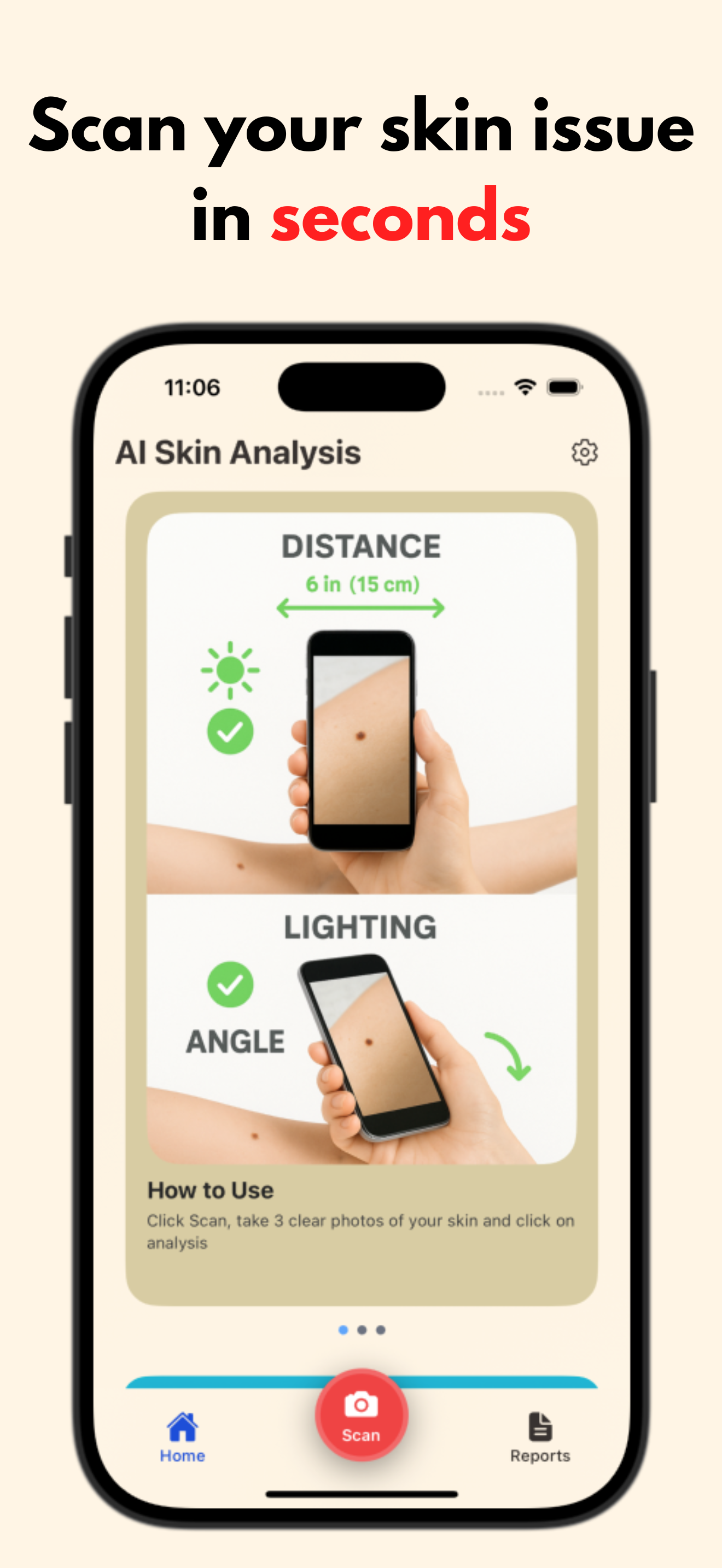
Identifying your rash helps guide you to the most appropriate treatment and avoids unnecessary irritation or slow healing. For unknown or persistent rashes, tools like Rash Detector can assist by analyzing photos with AI to suggest possible causes and treatment guidance, which may be useful when access to healthcare providers is limited.
Related Reading
For deeper insights on allergic rashes, visit Drug Allergy Rash: Identification, Causes, and What to Do, which covers symptom recognition, common triggers, and management strategies.
Section 2: Key Ingredients in Creams for Adult Rashes
Hydrocortisone (1%)
Hydrocortisone cream is a mild topical corticosteroid widely used to manage inflammatory rashes such as eczema, allergic/contact dermatitis, and mild insect bites. It works by suppressing the immune response that causes inflammation, thereby reducing redness, swelling, itching, and discomfort.
- How it works: Hydrocortisone inhibits the release of inflammatory mediators like prostaglandins and cytokines, thus calming redness and itching.
- Typical use: Apply a thin layer 1-2 times daily for up to 7 days. Longer use or higher potency steroids require medical supervision due to risk of side effects.
- Limitations: Avoid hydrocortisone on fungal infections, viral rashes (e.g., herpes), or broken skin, as it can delay healing or worsen infection.
- Side effects: Prolonged use can cause skin thinning, stretch marks, and pigmentation changes. Use sparingly and stop if adverse effects occur.
Zinc Oxide
Zinc oxide is a mineral-based ingredient commonly found in barrier creams. It forms a physical protective layer that shields skin from moisture, irritants, and friction, making it suitable for wet rashes, diaper or incontinence rash, friction/chafing, and minor burns.
- How it works: Acts as a moisture barrier preventing skin maceration and irritation.
- Advantages: Generally safe for sensitive, broken, or inflamed skin; non-irritating and has mild antimicrobial properties.
- Usage: Can be applied liberally as needed, often multiple times daily, especially when moisture exposure is ongoing.
Calamine
Calamine lotion is a traditional remedy for soothing itchy rashes, including poison ivy, insect bites, and mild allergic reactions. It contains zinc oxide plus a small amount of ferric oxide, giving it a characteristic pink color.
- How it works: Acts as a mild astringent, drying oozing areas, and provides antipruritic (anti-itch) effects by cooling irritated skin.
- Usage notes: Can be drying; often combined with moisturizers to prevent excessive dryness and cracking.
- Application tips: Shake well before use for even suspension; apply with a cotton ball or pad.
Colloidal Oatmeal
Colloidal oatmeal is finely ground oat flour suspended in creams or baths, widely used for its soothing and anti-inflammatory properties. It is particularly beneficial for dry, itchy, or inflamed skin seen in eczema or other dermatitis types.
- Helps restore the skin barrier by moisturizing and reducing irritation.
- Contains avenanthramides, natural antioxidants that may inhibit inflammation.
- Often combined with emollients and moisturizers in OTC products designed for sensitive or delicate skin.
- Generally safe for all ages and skin types, including babies with eczema.
Menthol and Cooling Agents
Menthol and related cooling agents provide temporary relief from itching by activating cold-sensitive receptors in the skin, creating a sensation of coolness that distracts from itch. They are found in some anti-itch creams and gels.
- Use cautiously, as menthol can irritate broken or sensitive skin.
- Not recommended for use on open wounds or in infants.
- Often combined with other soothing ingredients for balanced effect.
Moisturizers and Barrier Creams
Maintaining skin hydration is important for healing many rashes, especially eczema and dry dermatitis. Moisturizers and barrier creams help restore skin integrity, prevent dryness and cracking, and improve comfort.
- Petrolatum-based products (e.g., Vaseline) are occlusive, locking in moisture effectively.
- Ceramide-enriched creams help replenish essential lipids in the skin barrier.
- Choose fragrance-free, hypoallergenic options to minimize irritation risk.
- Regular use, even after rash resolution, may help prevent recurrence.
Section 3: Choosing the Right Cream Formulation
Creams vs. Ointments
Creams are water-based emulsions that feel lighter and absorb quickly. They are often preferred for moist or oozing rashes and covering large surface areas comfortably. Creams are less greasy, which may improve patient compliance, especially in visible areas like the face or hands.
Ointments are oil-based, thick, and greasy formulations that create a strong occlusive barrier, making them suitable for dry, scaly, or cracked skin. They retain moisture longer and enhance penetration of active ingredients but may feel heavy and are less cosmetically acceptable for some users.
For example, a patient with dry, scaly eczema on the elbows might benefit more from an ointment to lock in moisture, while a weeping poison ivy rash on the forearm might respond better to a cream that absorbs quickly and does not trap moisture.
Lotions, Gels, and Sprays
- Lotions: Lightweight, less greasy, and spread easily over large or hairy areas such as the scalp or chest. They dry quickly and are suitable for mild rashes.
- Gels: Typically alcohol- or water-based, gels provide a cooling effect and are less greasy. They may be preferred for acute inflammatory rashes or acne-like eruptions. Gels can sometimes cause dryness due to alcohol content, so monitor skin response.
- Sprays: Convenient for hard-to-reach or sensitive areas like the back or groin. Sprays reduce the need to touch the rash directly, minimizing irritation and contamination risk.
Matching Formulation to Rash Location and Severity
Tailoring formulation to the rash and skin condition may optimize absorption and comfort. Examples include:
- For a dry, thickened eczema patch on the elbow, a hydrocortisone ointment combined with moisturizers may provide potent anti-inflammatory action and hydration.
- For a weeping poison ivy rash on the forearm, hydrocortisone cream or calamine lotion can reduce inflammation and soothe itching without trapping moisture.
- Friction rashes in skin folds like underarms or thighs often benefit from zinc oxide ointments which provide a moisture barrier and reduce further irritation.
- Scalp rashes with scaling may respond better to medicated lotions or gels that penetrate hair easily.
Application Tips
- Always clean and gently pat dry the affected area before applying any topical product to improve absorption and reduce infection risk.
- Use a thin layer of cream or ointment; applying too much increases risk of side effects without improving efficacy.
- Wash hands thoroughly after application to prevent accidental transfer to eyes or mouth unless treating hand rashes.
- For sensitive areas (face, genitals), use milder formulations and avoid prolonged use without medical advice.
- Avoid occlusive dressings unless explicitly recommended by a healthcare professional, as these can exacerbate some rashes.
Section 4: How to Use Rash Creams Safely and Effectively
Proper Frequency and Duration
Most over-the-counter hydrocortisone creams are intended for use 1-2 times daily for a maximum of 7 days. Extended or excessive use can lead to side effects such as skin thinning (atrophy), stretch marks, and increased susceptibility to infections. It is important to adhere strictly to label instructions or healthcare provider recommendations.
Barrier creams, such as those containing zinc oxide, can be applied more liberally and frequently, especially in cases where moisture exposure or friction persists (e.g., incontinence or diaper rash). These creams act primarily by protecting the skin rather than modifying inflammation, so longer use is generally considered safe.
Layering Products
Sometimes combining topical agents may enhance treatment. A common practice is:
- First, apply the active medication such as hydrocortisone cream to reduce inflammation.
- After allowing the active to absorb (usually a few minutes), apply a moisturizer or barrier cream to seal in moisture and protect the skin barrier.
This layering helps maintain skin hydration, may reduce irritation from corticosteroids, and supports healing.
Patch Testing
If you suspect sensitivity or allergy to a product ingredient (e.g., fragrances, preservatives, lanolin), perform a patch test before full use:
- Apply a small amount of the product to an area of healthy skin, such as the forearm.
- Cover the area with a bandage.
- Wait 24 to 48 hours and observe for redness, itching, swelling, or blistering.
- If irritation develops, discontinue use and consult a clinician for alternative options.
Monitoring Response
Improvement is often noticeable within 3 to 5 days of appropriate treatment. If the rash improves, continue treatment for the recommended duration but avoid prolonged use beyond that without medical advice.
If there is no improvement or the rash worsens (increased redness, swelling, pain, blistering, or spread), discontinue use and seek medical evaluation to rule out infection, misdiagnosis, or need for prescription therapy.
Section 5: When to Avoid Certain Ingredients and Products
Products to Use Cautiously
- Fragrances and alcohol: These are common causes of skin irritation and allergic reactions, especially on sensitive or broken skin. Fragrance-free and alcohol-free formulations are generally preferred for rash treatment.
- Topical antibiotics and diphenhydramine: Should only be used if the rash is clearly infected or an allergic reaction requiring antihistamines. Overuse can lead to sensitization or resistance.
- Potent steroids: Prescription-only corticosteroids (e.g., betamethasone) have stronger anti-inflammatory effects but carry greater risks. They should only be used under medical supervision to avoid complications.
Avoid Hydrocortisone on Broken or Infected Skin
Applying hydrocortisone to skin that is broken, oozing, or visibly infected can delay healing and worsen infections by suppressing local immune responses. Signs of infection include increased pain, warmth, swelling, pus, or crusting. In such cases, antimicrobial treatment and medical evaluation are necessary.
Fungal Rashes
Fungal infections (e.g., athlete’s foot, ringworm) require antifungal creams such as clotrimazole or terbinafine. Hydrocortisone alone is not recommended because it dampens inflammation but may allow fungal organisms to proliferate unchecked, worsening the infection.
If you suspect a fungal rash (ring-shaped, scaly, itchy patches often on feet, groin, or body), consult a healthcare provider for accurate diagnosis and appropriate treatment.
Section 6: Signs You Should See a Doctor
When to Seek Medical Advice
- Rapidly spreading rash or involvement of large body areas, which may indicate systemic illness or severe allergic reactions.
- Signs of infection: increased pain, warmth, swelling, pus, yellow crusting, or fever, which require prescription antibiotics or antivirals.
- Severe pain, blistering, bleeding, or skin breakdown that compromises the skin barrier.
- No improvement after 7 days of proper OTC treatment, or worsening despite appropriate care.
- Rashes recurring frequently or accompanied by systemic symptoms such as difficulty breathing, swelling of face or throat, or joint pain, which may indicate serious allergic or autoimmune conditions.
- Rashes in sensitive areas such as the eyes, genitals, or mucous membranes needing specialized evaluation.
For accurate diagnosis and personalized treatment, consult a healthcare provider or dermatologist. Using apps like Rash Detector can be a helpful first step to understanding your rash and deciding if professional care is needed. The app’s AI-driven analysis can assist in identifying rash patterns and suggesting possible causes, but it does not replace professional medical evaluation.
Conclusion
Choosing the best cream for rashes for adults requires understanding the rash cause, skin condition, and treatment goals. Over-the-counter ingredients like hydrocortisone, zinc oxide, calamine, and colloidal oatmeal may provide relief when used appropriately and with formulation suited to the rash location and severity. Proper usage—adhering to recommended frequency, duration, and application techniques—supports safety and healing. Avoiding potentially irritating ingredients such as fragrances, alcohols, and inappropriate steroid use helps prevent worsening or chronic irritation.
Always monitor your response to treatment and seek medical advice if symptoms persist, worsen, or are accompanied by signs of infection or systemic illness. For quick, AI-powered rash analysis and tailored guidance, try the Rash Detector app by uploading clear images of your rash and receiving insights to inform next steps.
FAQ
Q: What is the best cream for rashes for adults?
A: The best cream depends on the rash cause and skin condition. Mild hydrocortisone cream may be effective for inflammatory rashes like eczema or contact dermatitis to reduce itching and redness. Zinc oxide creams are often used for moisture-related or chafing rashes, providing a protective barrier. Calamine lotion soothes itching from poison ivy or insect bites. Selecting the right ingredient and formulation tailored to the rash type and location is important for effective relief.
Q: Is hydrocortisone cream good for adult rashes?
A: Yes, 1% hydrocortisone cream is a common over-the-counter option for reducing inflammation and itching in many adult rashes, including eczema and allergic dermatitis. It should be used for short periods (up to 7 days) and avoided on infected, broken, or fungal skin. Prolonged use without medical supervision can cause side effects.
Q: What cream should I use for a rash from chafing or friction?
A: Barrier creams containing zinc oxide or petrolatum are often recommended for chafing and friction rashes. They create a protective layer that shields the skin from moisture and reduces irritation, promoting healing. Reapplication after sweating or washing helps maintain protection.
Q: Can I use rash cream on eczema, poison ivy, or insect bites?
A: Yes, but choose the cream based on the condition. Hydrocortisone cream may help reduce inflammation and itching in eczema and poison ivy. Calamine lotion provides symptomatic itch relief for poison ivy. For insect bites, hydrocortisone or soothing lotions can reduce itching and swelling. Avoid creams on infected or broken skin without medical advice.
Q: When should an adult rash be checked by a doctor?
A: See a doctor if the rash spreads rapidly, becomes painful, shows signs of infection (pus, warmth, swelling), fails to improve after 7 days of appropriate OTC treatment, or is accompanied by systemic symptoms like fever or difficulty breathing. Also seek care for rashes on sensitive areas or recurrent/unknown causes.
Q: What is the difference between hydrocortisone, calamine, and zinc oxide for rashes?
A: Hydrocortisone is a mild steroid that reduces inflammation and itching in inflammatory rashes. Calamine is a soothing, anti-itch lotion useful for mild rashes and drying weeping areas. Zinc oxide acts as a moisture barrier protecting irritated or wet skin from friction and further irritation. Each serves a different purpose depending on rash type and symptoms.