Back Rash: Causes, Symptoms & Smart Solutions
Learn about back rash: causes, symptoms, and treatments. Discover how to identify and manage a back rash quickly using Rash Detector's instant analysis tool.
Estimated reading time: 7 min
Key Takeaways
- Back rashes have many causes, from allergies to infections and heat.
- Identifying the type of back rash is essential for effective treatment.
- Self-care, over-the-counter remedies, and smart tools like Rash Detector can help.
- Persistent or severe rashes may require medical attention.
Table of Contents
- Section 1: What Is a Back Rash?
- Section 2: Common Causes of Back Rash
- Section 3: Symptoms and When to Worry
- Section 4: At-Home Remedies and Prevention
- Section 5: How Rash Detector Can Help
- Conclusion
- FAQ
Section 1: What Is a Back Rash?
Understanding Back Rash
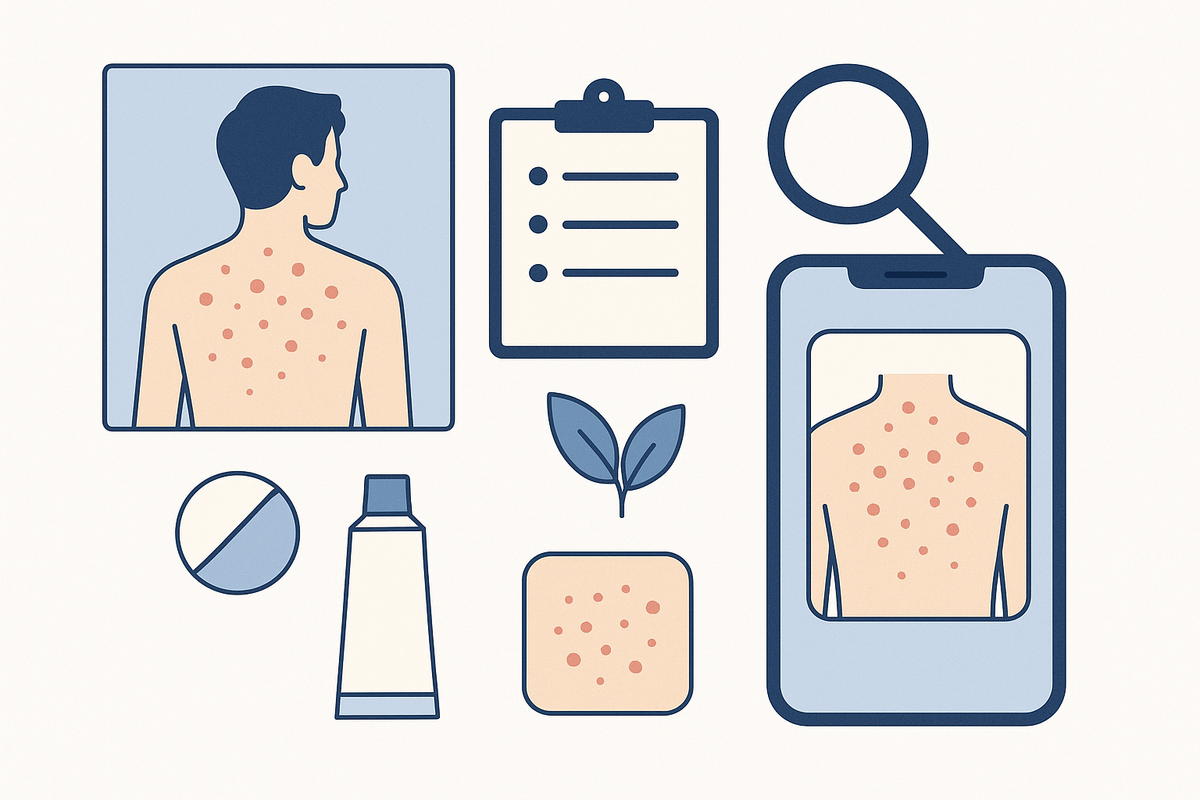
"Back rash" refers to any abnormal change in the skin’s color, texture, or appearance that occurs on the back. This can include redness, bumps, scaling, itching, or pain. A rash on your back might appear suddenly or develop over time, and its characteristics can help pinpoint the underlying cause.
- Location matters: Some rashes are more likely to affect the upper, middle, or lower back.
- Appearance varies: Raised, flat, blistering, or peeling rashes each suggest different issues.
- Itching and discomfort are common, but not always present.
Types of Back Rashes
- Allergic rashes: Triggered by skin contact with allergens or irritants.
- Heat rashes: Caused by blocked sweat ducts, especially in hot weather.
- Infectious rashes: Due to viruses, bacteria, or fungi.
- Medication rashes: Reactions to drugs can appear on the back and elsewhere.
Section 2: Common Causes of Back Rash
Allergic Reactions and Irritants
Contact with certain fabrics, laundry detergents, or personal care products may cause contact dermatitis on your back. Nickel in jewelry, perfumes, or even plant exposure can be culprits.
- Switching soaps or detergents can trigger a rash.
- Clothing made from synthetic fibers may irritate sensitive skin.
Heat Rash (Miliaria)
Hot and humid conditions, tight clothing, or excessive sweating often lead to heat rash. This appears as small, itchy red bumps, sometimes with a prickly sensation.
- Common in summer or after exercise.
- Babies and those with limited mobility are especially susceptible.
For more on prevention, visit How to Prevent Heat Rash: Practical Tips for Every Season.
Infections
Bacterial (impetigo), viral (shingles), and fungal (ringworm) infections can all cause back rashes.
- Fungal rashes often have a ring-like appearance.
- Shingles may cause burning pain and blisters on one side of the back.
Medication Reactions
Certain medications can cause drug rashes, presenting as red, blotchy areas that may itch or peel. If you suspect a drug rash, consult a healthcare provider and learn more in our resource on drug rash treatment.
Section 3: Symptoms and When to Worry
Recognizing Symptoms
Back rash symptoms range from mild and annoying to severe and alarming. Key symptoms include:
- Itching or burning
- Red or purple discoloration
- Blisters or open sores
- Swelling or tenderness
- Fever or chills (if infection is present)
Warning Signs
Seek medical attention if you notice:
- Rapidly spreading rash
- Difficulty breathing or swelling of the face/lips (possible allergic reaction)
- Severe pain, especially with blisters (may indicate shingles)
- Signs of infection: pus, increasing redness, warmth, or fever
Section 4: At-Home Remedies and Prevention
First Steps for Relief
Most mild back rashes respond well to simple self-care. Try these strategies:
- Keep the area clean and dry
- Wear loose, breathable clothing
- Avoid known irritants and allergens
- Apply fragrance-free moisturizers
Over-the-Counter Solutions
Non-prescription creams and ointments can help control itching and inflammation. Popular options include:
- Hydrocortisone cream for mild irritation
- Antihistamine tablets for itching
- Calamine lotion for soothing
Choosing the best anti itch cream can make a big difference in comfort and recovery.
Prevention Tips
- Bathe regularly, especially after sweating
- Choose gentle, hypoallergenic products
- Stay cool and dry in hot weather
- Rotate bedding and clothing to prevent buildup of sweat or allergens
Section 5: How Rash Detector Can Help
Instant Analysis with AI
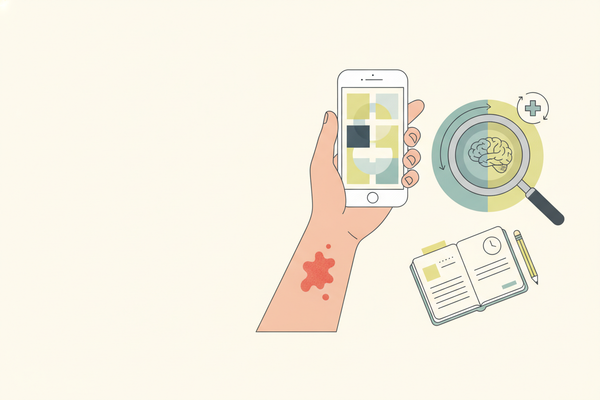
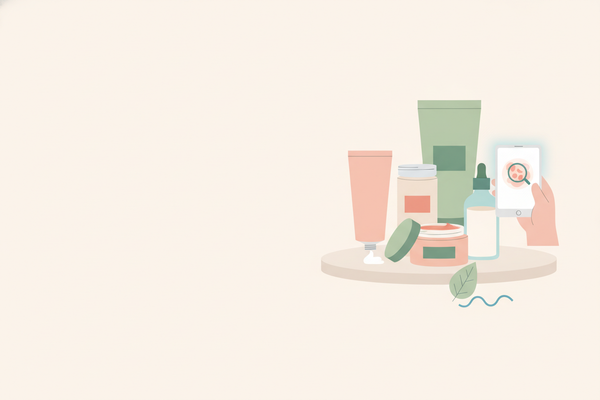
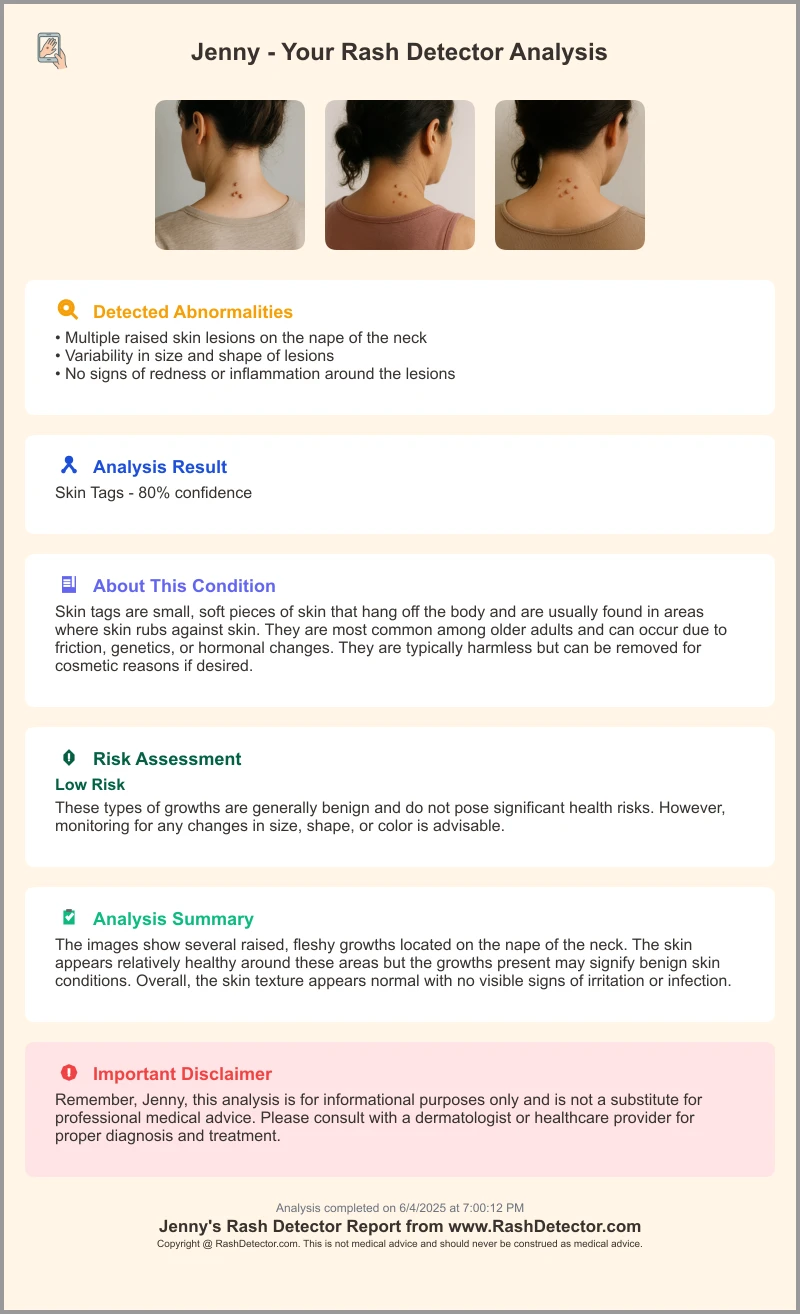
Uncertain about the cause of your back rash? Rash Detector offers a fast, reliable way to get guidance. Simply upload three clear images of your rash, and the AI-powered app analyzes them instantly—providing possible causes and next steps.
Why Use Rash Detector?
- Convenience: No waiting for appointments or endless online searches.
- Privacy: Analyze rashes discreetly from home.
- Actionable: Get tailored suggestions and information for your specific situation.
Try Rash Detector today at rashdetector.com and gain peace of mind with instant answers.
Conclusion
Back rashes are common and can stem from a variety of causes, including allergies, infections, heat, and medication reactions. Accurate identification is the first step to effective treatment and relief. Use self-care, over-the-counter remedies, and smart digital tools like Rash Detector to address most back rashes confidently. If symptoms worsen or don’t improve, consult a healthcare professional promptly.
FAQ
Q: What is the most common cause of a rash on the back?
A: Allergic reactions and heat are frequent causes, along with irritation from sweat, clothing, or personal care products.
Q: When should I see a doctor for a back rash?
A: If the rash is spreading quickly, blistering, very painful, or accompanied by fever or breathing problems, seek medical attention immediately.
Q: Can Rash Detector diagnose all types of rashes?
A: Rash Detector provides AI-powered analysis for many common rashes but does not replace a healthcare provider. It is a helpful first step for guidance and peace of mind.
衣装を通販で探すときは、商品画像だけでなく実寸とセット内容も確認しておくと安心です。具体的な候補を確認する場合は、コスプレ衣装 高品質から関連する商品や情報を比較できます。使用後は素材に合う方法で手入れし、装飾を傷めない形で保管することが大切です。