Atypical Rash: Causes and What to Do for Unusual Skin Issues
Discover atypical rash causes and what to do next. Learn about symptoms, risk factors, and how to get fast guidance using Rash Detector's AI analysis.
Estimated reading time: 7 min
Key Takeaways
- An atypical rash can signal a range of causes, from allergies to infections and autoimmune conditions.
- Early identification is crucial for the right treatment and avoiding complications.
- AI tools like Rash Detector help you assess and understand atypical rashes quickly.
- Not all rashes are emergencies, but some signs require immediate medical attention.
Table of Contents
- Section 1: What Is an Atypical Rash?
- Section 2: Common Causes of Atypical Rashes
- Section 3: When to Worry—Red Flags and Risk Factors
- Section 4: What to Do If You Have an Atypical Rash
- Section 5: How Rash Detector Can Help
- Conclusion
- FAQ
Section 1: What Is an Atypical Rash?
Defining "Atypical" in Skin Rashes
An atypical rash refers to a skin eruption that doesn't fit the classic patterns doctors expect. Unlike common rashes such as eczema or hives, atypical rashes may:
- Appear in unusual locations
- Change shape, size, or color rapidly
- Resist standard treatments
- Come with other unexplained symptoms (fever, joint pain, swelling)
Why Do Atypical Rashes Matter?
Because they don't follow predictable patterns, atypical rashes can be challenging to diagnose. They sometimes signal underlying issues that may need urgent care, including rare infections, drug reactions, or autoimmune diseases.
Section 2: Common Causes of Atypical Rashes
Drug Reactions
Medications are a frequent culprit for unusual skin changes. Drug allergies can trigger rashes that look very different from typical hives or rashes. For more on identifying these, see our in-depth guide on drug allergy rash identification, causes, and what to do.
- New or recently changed prescriptions
- Antibiotics and anticonvulsants are especially common triggers
- Rashes may include blisters, peeling, or target-like lesions
Infections (Viral, Bacterial, Fungal)
Some infections cause rashes that are hard to recognize. Examples include:
- Viral: Measles, shingles, hand-foot-and-mouth disease
- Bacterial: Lyme disease, scarlet fever
- Fungal: Ringworm variants
Autoimmune or Systemic Diseases
Conditions such as lupus, vasculitis, and dermatomyositis often produce rashes that defy classic descriptions. These may be accompanied by systemic symptoms like fatigue or joint pain.
Other Causes
- Contact with unusual allergens or irritants
- Rare genetic conditions
- Unknown causes—sometimes, no clear trigger is found
Section 3: When to Worry—Red Flags and Risk Factors
Serious Symptoms to Watch For
Seek urgent care if your atypical rash comes with any of the following:
- Fever higher than 101°F (38.3°C)
- Shortness of breath or swelling of the face/throat
- Painful blisters or widespread peeling
- Sudden onset with rapid spreading
- Signs of infection (pus, heat, streaking redness)
Risk Factors for Atypical Rashes
- Recent travel, especially to new countries
- Underlying immune system problems
- Use of new medications
For medication-related concerns, learn about rash from medication: causes, symptoms & next steps.
Section 4: What to Do If You Have an Atypical Rash
Step 1: Document the Rash
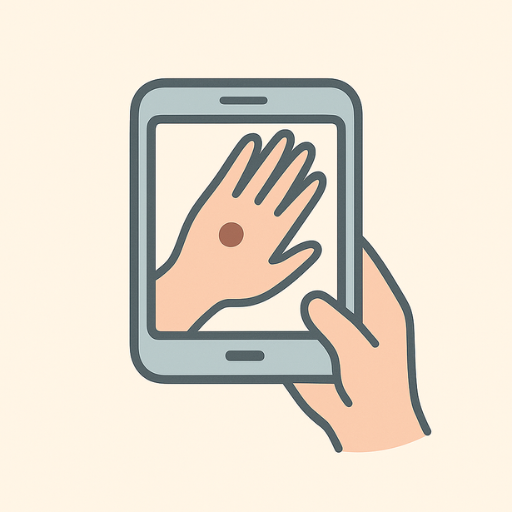
- Take clear photos from multiple angles
- Note any new products, foods, or medications
- Track symptoms: when they started, any changes
Step 2: Avoid Self-Medicating
Unless prescribed, don’t apply steroid creams or take antihistamines without professional advice—these can mask symptoms or worsen some conditions.
Step 3: Get an Expert Opinion Quickly
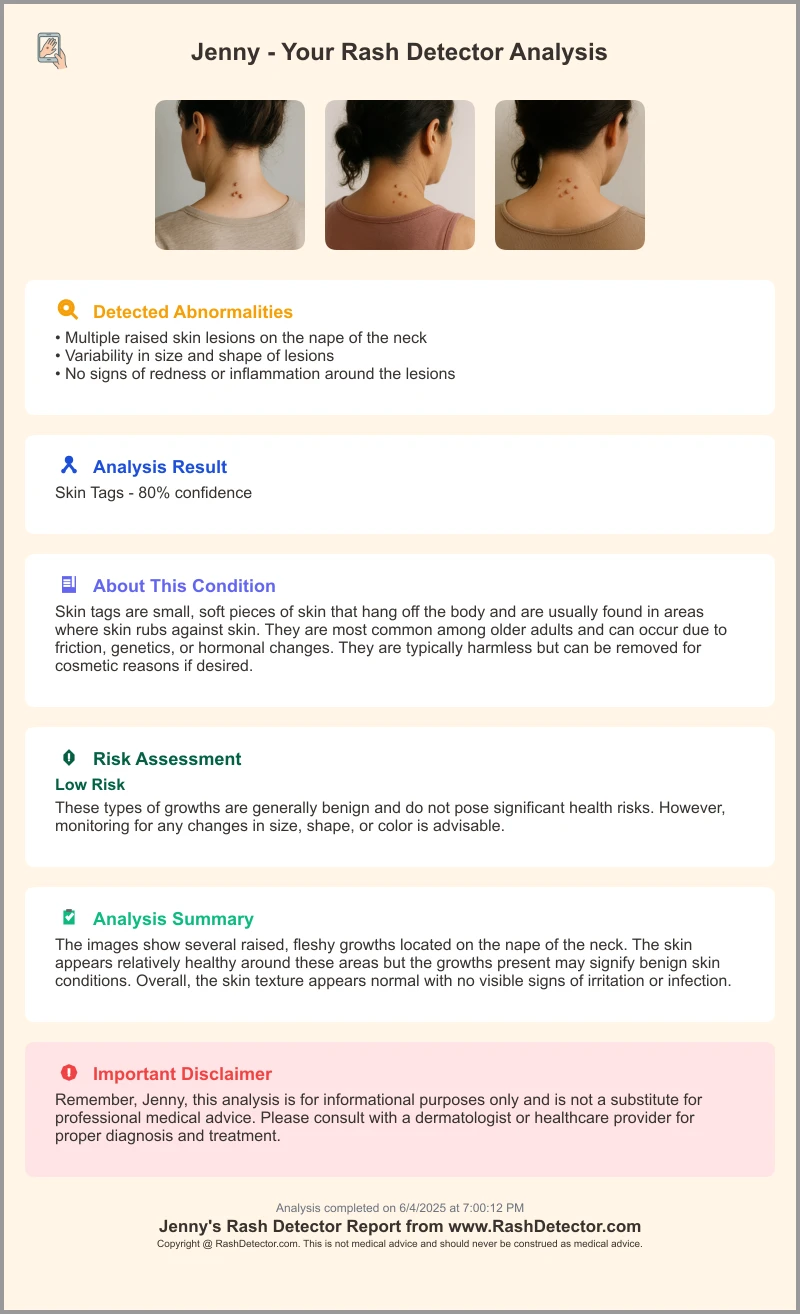
Traditional appointments can take days or weeks. Apps like Rash Detector use AI to analyze three images of your rash, giving you instant, personalized guidance. This can help you decide if you need to see a dermatologist, seek urgent care, or try safe home measures first.
Step 4: Monitor and Follow Up
- If symptoms worsen or new ones appear, seek in-person care
- Keep a record of any new exposures or medications
For effective treatment strategies, explore our post on skin rash treatment: effective solutions and smart tools.
Section 5: How Rash Detector Can Help
AI-Powered Skin Analysis
Rash Detector harnesses artificial intelligence to review your uploaded photos and provide a rapid assessment. This includes possible causes, urgency level, and next steps—all in minutes.
Guidance and Early Action
- Instant feedback means you don’t wait and worry
- Personalized recommendations based on your photos and symptoms
- Helps you communicate effectively with your healthcare provider
If you’re unsure whether your rash is typical or needs urgent attention, try Rash Detector for fast peace of mind or actionable advice.
Conclusion
An atypical rash can be unsettling, but knowing the causes and what to do makes a big difference. Document your symptoms, avoid risky self-treatment, and use advanced tools like Rash Detector to get quick, informed guidance. Early insight helps you get the care you need—and avoid unnecessary complications.
FAQ
Q: What makes a rash "atypical"?
A: Atypical rashes don't follow classic patterns and may have unusual color, shape, or distribution. They may also resist common treatments.
Q: When should I see a doctor about an atypical rash?
A: Seek care immediately if you have fever, shortness of breath, rapidly spreading rash, or blisters. Otherwise, use apps like Rash Detector for fast screening and guidance.
Q: Can a medication cause an atypical rash even if I've taken it before?
A: Yes, drug allergies can develop at any time. If you suspect a new or worsening rash is related to medication, stop the drug if safe and consult a healthcare provider promptly.
初めて準備する場合は、使用日から逆算して注文、確認、調整の時間を確保すると安心です。商品仕様や選び方を比べたい場合は、ブルアカ コスプレから関連情報を確認できます。商品が届いたら内容を早めに確認し、必要な調整や追加準備を本番前に済ませましょう。
Q: How does Rash Detector work for unusual rashes?
A: Upload three clear images and answer brief questions; the AI provides possible causes and next steps within minutes.