Medication Rash Treatment: A Complete Guide to Identifying, Managing, and Preventing Drug Rashes
Discover medication rash treatment strategies for identifying, managing, and preventing drug rashes effectively. Learn about symptoms, diagnosis, and care options.

Estimated reading time: 7 minutes
Key Takeaways
- Early recognition of drug rashes can prevent serious complications.
- Medication rashes range from mild itching to life-threatening SCARs like Stevens–Johnson syndrome (SJS) and toxic epidermal necrolysis (TEN).
- Immediate withdrawal of the offending drug is critical under medical supervision.
- Treatment options include antihistamines, corticosteroids, IVIG, and specialized supportive care.
- Prevention through careful prescribing, patient education, and monitoring reduces risk of recurrence.
Table of Contents
- Understanding Medication Rashes
- Signs and Symptoms of Medication Rashes
- Diagnosing Medication Rashes
- Medication Rash Treatment Options
- Preventing Medication Rashes
- Managing and Monitoring the Rash
- Conclusion
Understanding Medication Rashes
A medication rash is the skin’s adverse reaction to a drug. It may stem from an allergic hypersensitivity or a non-allergic toxic effect. Common mechanisms include:
- Allergic hypersensitivity—immune response against the drug or its metabolites
- Non-allergic toxic/irritant effects—direct damage to skin cells
- Photosensitivity—drug makes skin more sensitive to ultraviolet light
Frequent culprits include antibiotics (penicillins, sulfonamides), anticonvulsants (carbamazepine, lamotrigine), allopurinol, and NSAIDs. Rashes range from maculopapular eruptions and urticaria to severe cutaneous adverse reactions (SCARs) like SJS, TEN, and DRESS.
Signs and Symptoms of Medication Rashes
Common Signs
- Redness or discolored patches
- Itching (pruritus) or burning sensation
- Raised bumps or hives
- Swelling of face, lips, or limbs
- Dry, scaly skin
Timing and Pattern
- Onset days to weeks after starting or raising the dose of a drug
- Widespread, symmetric rash on trunk and limbs
- Systemic symptoms (fever, fatigue) may indicate a drug cause
Warning Signs for Immediate Care
Seek urgent help if you notice blistering, peeling, mucosal sores, or severe systemic symptoms like breathing difficulty or hypotension.
Diagnosing Medication Rashes
Patient Documentation
- Note the exact date the rash began relative to each medication
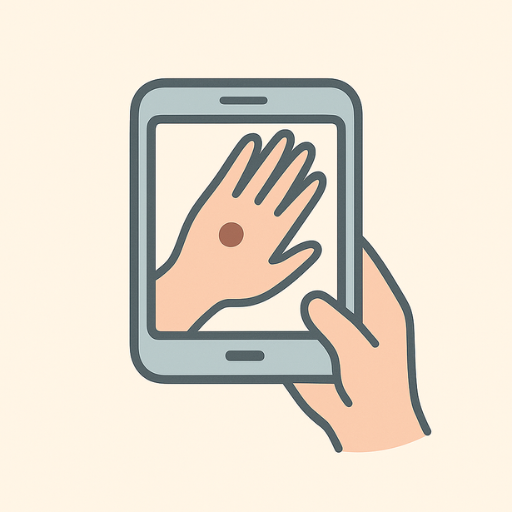
- Photograph the rash daily to track changes
- Log associated symptoms (fever, swelling, breathing issues)
- Keep a full list of prescription, over-the-counter, and herbal products
For more detailed analysis, you can upload clear images to the AI Skin Analysis App by Rash Detector and get an instant sample report that highlights likely drug-related patterns.
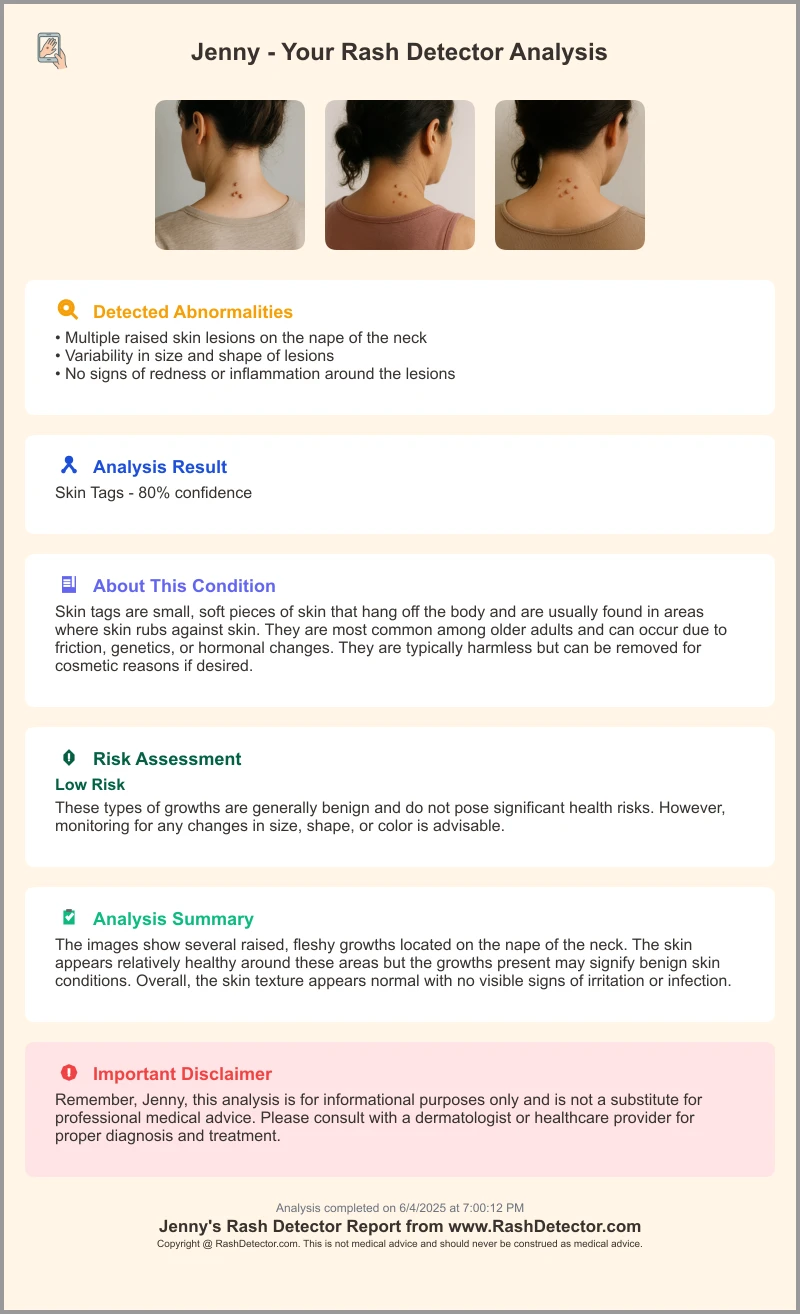
Provider Evaluation
- Comprehensive medication review and timeline assessment
- Supervised trial discontinuation of non-essential drugs
- Substitution with chemically unrelated medications when possible
Advanced Tests
- Skin biopsy for histology in severe or unclear cases
- Patch testing or delayed skin tests to identify delayed reactions
- Lymphocyte transformation tests for certain drugs (2–6 months post-reaction)
If you’re looking for more on drug-specific patterns and early clues, see our post on Identifying and Managing Drug-Induced Rash Symptoms.
Medication Rash Treatment Options
- Discontinue the Offending Drug—always under medical supervision.
- Manage Mild–Moderate Rashes—oral antihistamines, topical corticosteroids, emollients.
- Treat Severe Reactions and SCARs—systemic corticosteroids, IVIG, specialized burn-unit care.
- Home Care—loose clothing, cool compresses, sun protection for photosensitive drugs.
- Follow Professional Advice Closely—never stop essential meds without your provider’s guidance.
For strategies on avoiding repeat episodes and safe re-exposure protocols, see our guide to Managing Drug Allergy Rash.
Preventing Medication Rashes
- Thorough medication reconciliation and disclosure of past reactions
- Use antibiotics and NSAIDs only when necessary
- Closer monitoring for high-risk drugs
- Patient education on red-flag rash symptoms
- Plan sun safety if photosensitivity is a risk
Managing and Monitoring the Rash
- Daily rash diary with photos and symptom notes
- Watch for new systemic signs: fever, malaise, breathing trouble
- Scheduled follow-ups especially if on systemic steroids
- Return for urgent care if the rash worsens, darkens, blisters, or systemic symptoms appear
Ongoing monitoring with our AI report plus professional follow-up can help catch recurrence early.
Conclusion
Medication-induced rashes range from mild irritations to life-threatening SCARs. Early recognition—based on timing, medication history, rash pattern, and warning signs—is essential. Immediate withdrawal of the offending drug, targeted therapies (antihistamines, corticosteroids, epinephrine), and supportive care form the treatment cornerstone. Prevention through careful prescribing, full disclosure of past reactions, and patient education reduces risk. For personalized, on-demand AI analysis alongside your clinician’s expertise, consider the Rash Detector Skin Analysis App. Always consult healthcare professionals promptly rather than self-treating or stopping essential medicines.
FAQ
- What causes medication rashes?
- They result from allergic or non-allergic reactions to drugs, including immune system hypersensitivity and direct toxic effects on skin cells.
- How soon do drug rashes appear?
- Onset typically occurs days to weeks after starting or increasing a dose, though timing can vary by individual and medication.
- When should I seek urgent care?
- If you experience blistering, skin peeling, mucosal involvement, or systemic symptoms like difficulty breathing or fever, seek immediate medical attention.
- Can I ever re-take the drug that caused the rash?
- Re-exposure may be possible under specialist supervision with graded challenge protocols, depending on rash severity and alternative drug options.
- How can I prevent future drug rashes?
- Keep a detailed medication history, inform providers of past reactions, use sun protection for photosensitive drugs, and monitor high-risk medications closely.
撮影用のシューズは、立ち姿と裾丈のバランスも考えて選ぶと仕上がりを整えやすくなります。サイズやセット内容を確認する場合は、コスプレイベント用 靴から候補を探せます。使用後は汚れと水分を落とし、装飾や形を保護して保管しましょう。