What to Do If You Have an Atypical Rash: Step-by-Step Guide
Worried about an unusual skin rash? Learn what to do if you have an atypical rash, how to assess it, and when to seek help. Get actionable steps and expert tips.
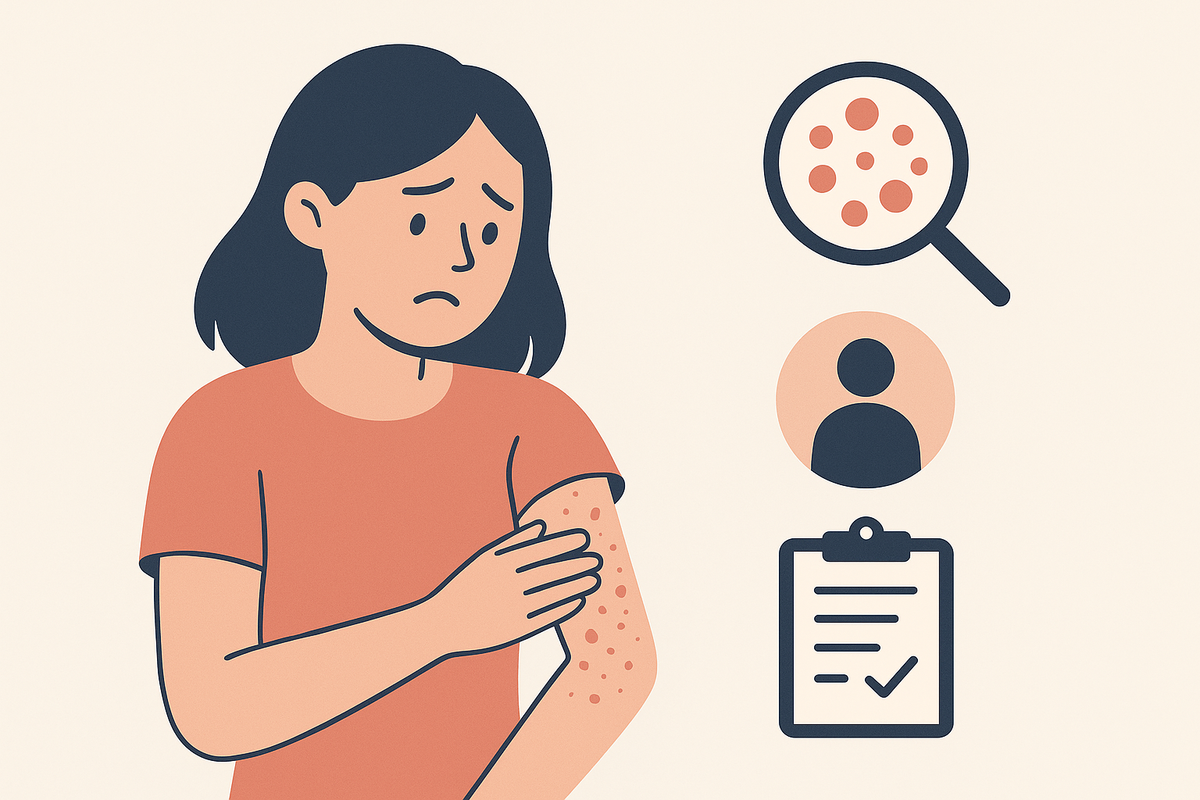
Estimated reading time: 8 min
Key Takeaways
- Identify warning signs of an atypical rash and what makes it unusual.
- Understand initial steps and home care if you notice a strange rash.
- Know when to consult a healthcare professional for your skin concerns.
- Use smart tools like Rash Detector for fast analysis and guidance.
Table of Contents
- Section 1: Recognizing an Atypical Rash
- Section 2: Immediate Steps to Take
- Section 3: Home Care and Precautions
- Section 4: When to Seek Medical Help
- Section 5: Digital Tools for Rash Analysis
- Conclusion
- FAQ
Section 1: Recognizing an Atypical Rash
What Makes a Rash "Atypical"?
When considering what to do if you have an atypical rash, first understand what sets it apart. An atypical rash is any skin eruption that looks different than common rashes (like eczema, hives, or heat rash) and may:
- Appear suddenly or spread rapidly
- Be accompanied by other symptoms (fever, swelling, pain)
- Have unusual colors (purple, blue, or black)
- Not respond to standard over-the-counter creams
Common Causes of Unusual Rashes
Potential causes include:
- Allergic reactions (to drugs, foods, or new products)
- Infections (viral, bacterial, or fungal)
- Autoimmune conditions
- Reactions to medication—see more details in our guide on drug rash treatment
Section 2: Immediate Steps to Take
Assess Your Symptoms
Start by noting:
- When the rash appeared and how quickly it spread
- Any recent exposures (new soaps, foods, medications)
- Associated symptoms: fever, shortness of breath, swelling, pain, or blistering
Document Your Rash
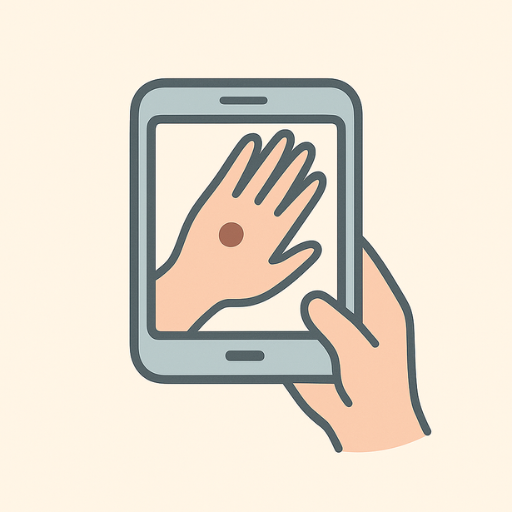
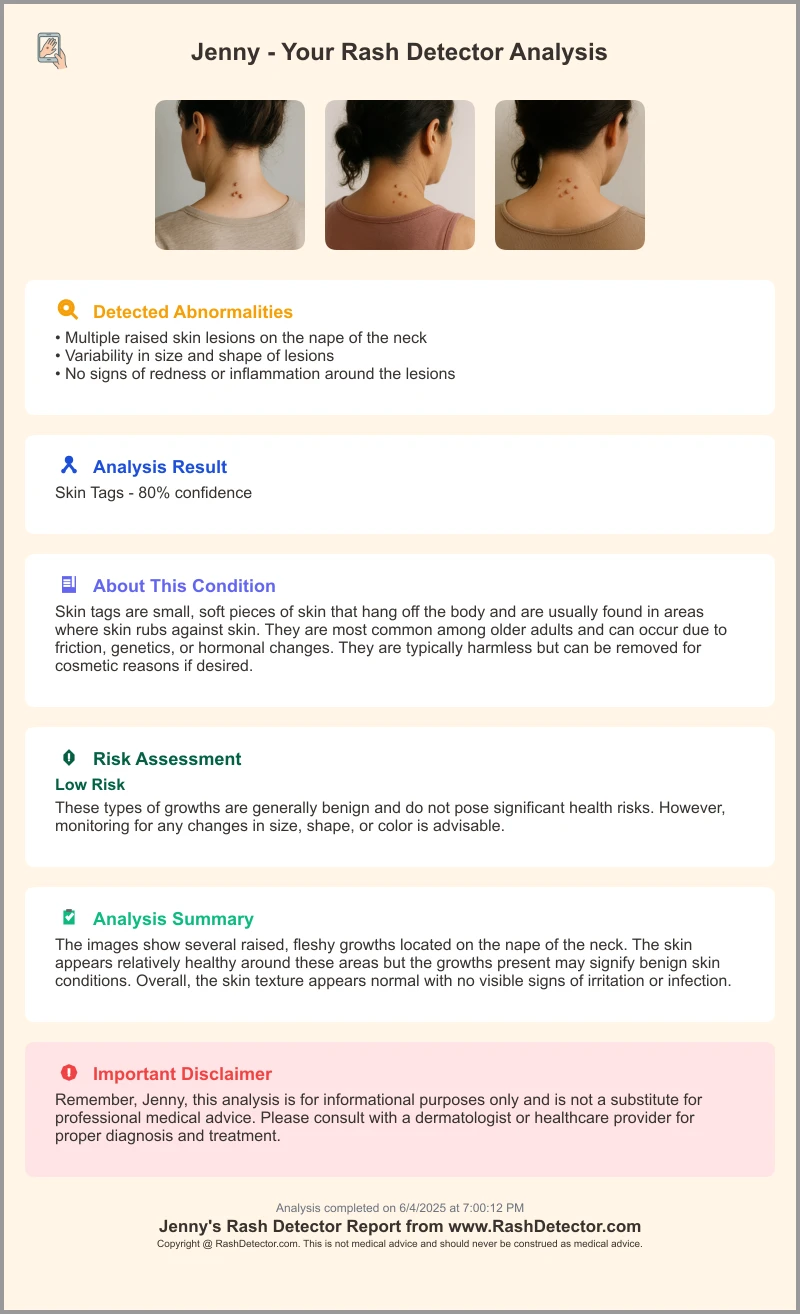
Take clear photos in good lighting. Uploading multiple images from different angles can help with digital analysis and physician consultations. Rash Detector allows you to upload three images to get a fast, AI-powered assessment.
Section 3: Home Care and Precautions
Safe Self-Care Measures
While waiting for expert advice, you can:
- Keep the affected area clean and dry
- Avoid scratching to prevent infection
- Wear loose, breathable clothing
- Apply a cool compress for itching or discomfort
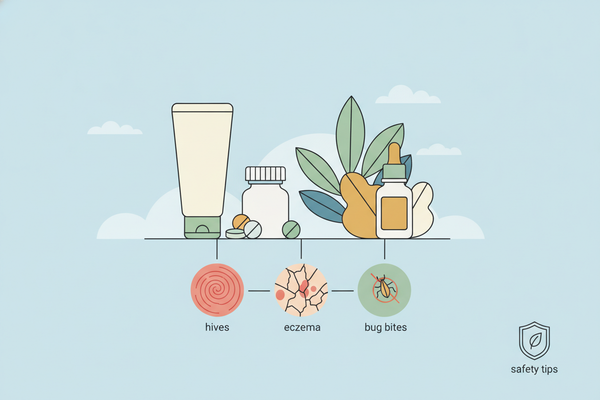
For general itch relief, you may consider an over-the-counter anti-itch cream. For guidance on selection, read our post on the best anti-itch creams.
What Not to Do
- Do not use harsh chemicals or home remedies without professional advice
- Avoid covering the rash with tight bandages
- Don’t ignore rapidly worsening symptoms
Section 4: When to Seek Medical Help
Red Flag Symptoms
Contact a healthcare professional immediately if you notice:
- Rapid swelling of the lips, tongue, or throat
- Difficulty breathing
- High fever, confusion, or a rapidly spreading rash
- Painful blisters, skin peeling, or open sores
- Signs of infection: pus, warmth, or increasing redness
Special Considerations
People with weakened immune systems, infants, or elderly individuals should be extra cautious with any atypical rash.
Section 5: Digital Tools for Rash Analysis
How Rash Detector Can Help
If you’re unsure what to do if you have an atypical rash, technology can provide fast guidance. With Rash Detector, you can:
- Upload three images of your rash for instant analysis
- Receive possible causes and recommended next steps
- Share results with your doctor for more informed care
Limitations of Digital Tools
AI apps are not a substitute for professional diagnosis, especially if red flag symptoms are present. Always seek medical attention for severe or worsening rashes.
Conclusion
Knowing what to do if you have an atypical rash can make a real difference. Start by recognizing warning signs, documenting the rash, and practicing safe home care. Use tools like Rash Detector for preliminary analysis, but never hesitate to seek medical help for concerning symptoms. Taking quick, informed action ensures your skin—and your health—get the attention they need.
FAQ
Q: What is considered an "atypical" rash?
A: An atypical rash is one that looks or behaves differently than common rashes, such as spreading rapidly, appearing with other symptoms, or not responding to usual treatments.
Q: Can I treat an atypical rash at home?
A: Mild rashes can be cared for at home, but if you experience severe symptoms or the rash worsens quickly, seek medical attention.
Q: How can Rash Detector help me?
A: Rash Detector lets you upload three images for instant analysis, providing possible causes and guidance—helpful for deciding your next step.
コスプレ衣装を選ぶ際は、サイズ表、素材、付属品、発送予定日を確認すると比較しやすくなります。具体的な候補を確認する場合は、軍服 コスプレ 衣装 通販から関連する商品や情報を比較できます。最後に衣装全体を試着し、正面だけでなく横や後ろからもシルエットを確認すると安心です。
Q: When should I see a doctor for a rash?
A: Seek urgent medical care if you have difficulty breathing, swelling, severe pain, blisters, or signs of infection with your rash.