Comprehensive Guide to Medication Rash Treatment: Identification, Management, and Prevention
Explore effective medication rash treatment options, from identification and management to prevention, in our comprehensive guide. Ensure better patient outcomes.
Estimated reading time: 7 minutes
Key Takeaways
- Early recognition of drug-related skin reactions can prevent progression to severe, life-threatening conditions.
- Diagnosis relies on a detailed medication history, timing of rash onset, and, when needed, skin tests or biopsies.
- Treatment ranges from over-the-counter antihistamines and topical corticosteroids to emergency care for anaphylaxis or Stevens–Johnson syndrome.
- Prevention involves thorough documentation of drug allergies, careful dose management, and patient–provider communication.
Table of Contents
- Understanding Medication-Induced Rashes
- Recognizing Symptoms and Signs
- Diagnosis and Professional Guidance
- Medication Rash Treatment Options
- Home Remedies and Self-Care Strategies
- Prevention and Risk Reduction
- When to Seek Immediate Medical Help
- Integrating AI Skin Analysis
- Conclusion
- FAQ
1. Understanding Medication-Induced Rashes
Definition
A medication-induced rash, also known as a drug eruption, is a skin reaction triggered by exposure to a pharmaceutical agent. It can present as redness, hives, blisters, or peeling.
- Allergic reactions (immune-mediated): even small doses can cause severe responses.
- Non-allergic side effects: predictable reactions without an allergy mechanism.
- Photosensitivity: increased UV sensitivity leads to rash in sun-exposed areas.
Distinguishing Features
These rashes often appear shortly after starting a new medication or changing the dose and typically resolve once the drug is discontinued, unlike chronic conditions such as eczema or psoriasis.
2. Recognizing Symptoms and Signs
Common Presentations
Patients may experience erythema (redness), papules (raised bumps), urticaria (hives), blisters, pruritus (itching), and skin peeling. Severe features include widespread blistering, mucosal sores, fever, and malaise.
Differentiating Mild vs. Severe
- Mild: localized rash, moderate itching, no systemic signs—managed with over-the-counter topical agents and antihistamines.
- Severe: rapid spread, widespread blisters, mucosal involvement, breathing difficulty, or hypotension—may indicate Stevens–Johnson syndrome or toxic epidermal necrolysis.
3. Diagnosis and Professional Guidance
Self-Assessment Steps
1. Compile a comprehensive medication list, including OTC drugs, supplements, and herbals.
2. Note the rash’s onset, distribution, progression, and associated symptoms such as fever or breathing issues.
3. Contact the prescribing clinician for advice before stopping any essential medicine.
For more details, see our post on Identifying and Managing Drug-Induced Rash Symptoms.
When to Seek Urgent Care
Breathing difficulty, throat or chest tightness, facial or tongue swelling, fainting, severe dizziness, hypotension, widespread blistering, or mucosal sores warrant immediate attention.
Diagnostic Methods
Skin biopsy, patch testing, delayed intradermal testing, and in-vitro assays such as the lymphocyte transformation test may be used to confirm a drug allergy. A thorough medical history is essential for guiding future treatment and prevention.
4. Medication Rash Treatment Options
Core Approach
Identify and discontinue the offending drug under medical supervision, then focus on symptom relief.
- Oral antihistamines (OTC or prescription) for itching and hives.
- Topical corticosteroids like hydrocortisone for localized inflammation.
- Systemic corticosteroids for extensive or severe eruptions.
- Epinephrine injections in emergency cases of anaphylaxis.
- Hospitalization with IV fluids, wound care, and IVIG for Stevens–Johnson syndrome and toxic epidermal necrolysis.
Supportive care, including hydration, electrolyte replacement, pain control, and specialized wound management, may be provided in a burn or dermatology unit.
Explore additional strategies in Managing Drug Allergy Rash: A Comprehensive Guide.
5. Home Remedies and Self-Care Strategies
Gentle Cleansing
Use fragrance-free, mild soap and pat the skin dry.
Soothing Applications
Apply cool compresses, fragrance-free moisturizers, or low-strength hydrocortisone. Over-the-counter antihistamines (e.g., diphenhydramine) can help with itching.
Avoid Irritants
Stay away from perfumes, harsh chemicals, and limit sun exposure if photosensitivity is suspected.
Medication Caution
Do not stop essential medications without clinician approval.
6. Prevention and Risk Reduction
- Maintain Records: Keep an updated list of drug allergies and past reactions and share it with all healthcare providers.
- Pre-Treatment Communication: Discuss any history of severe reactions before starting new medications.
- Dose Management: Gradually escalate doses of high-risk drugs under supervision.
- Testing Strategies: Utilize patch or intradermal testing when indicated.
- Permanent Avoidance: Document and avoid known culprit drugs.
7. When to Seek Immediate Medical Help
Anaphylaxis and SCAR Signs:
Shortness of breath, wheezing, throat or chest tightness, facial or tongue swelling, fainting, severe dizziness, hypotension, rapidly spreading rash with blisters or raw skin, mucosal involvement, and high fever require emergency care. Call 911 or go to the nearest emergency department immediately.
Integrating AI Skin Analysis
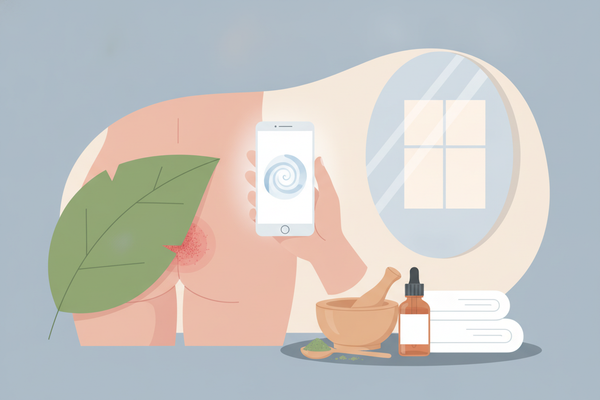
For a quick at-home evaluation, consider using Rash Detector, an AI skin analysis app that generates an instant report on possible rash causes and severity.

Conclusion
Medication-induced rashes range from mild irritations to life-threatening reactions. Early identification, discontinuation of the offending drug, and targeted therapies such as antihistamines and corticosteroids are key to management. Maintaining detailed allergy records, communicating with healthcare providers, and implementing prevention strategies can significantly reduce risk. If any rash worsens or is accompanied by systemic symptoms, seek medical attention without delay.
FAQ
- How do I know if my rash is medication-related?
A rash that appears soon after starting a new medication or increasing the dose, especially with itching or blistering, should raise suspicion. Always review your medication history and consult a clinician. - Can over-the-counter treatments help?
Yes. Antihistamines and topical corticosteroids can relieve mild itching and inflammation. However, severe or rapidly spreading rashes require professional evaluation. - Should I stop my medication if I develop a rash?
Never discontinue essential drugs without consulting your healthcare provider. They can advise whether to switch medications or provide emergency interventions. - When is a rash a medical emergency?
Seek immediate care for breathing difficulties, facial or tongue swelling, high fever, widespread blistering, mucosal sores, or hypotension. - How can I prevent future drug rashes?
Keep an updated allergy list, inform all providers, consider patch testing, and follow dose escalation protocols under supervision.