Medication Rash Treatment: Recognize, Manage, and Prevent Drug-Induced Skin Reactions
Learn how to effectively recognize, manage, and prevent medication rashes. Essential guidance on safe treatments and when to seek professional help.
Estimated reading time: 7 minutes
Key Takeaways
- Early recognition of drug-induced rashes can prevent serious complications.
- Stopping the culprit medication under medical guidance is critical.
- At-home relief with antihistamines, topical steroids, and moisturizers helps ease symptoms.
- Severe reactions require immediate professional intervention, such as systemic steroids or burn-unit support.
- Maintaining an updated allergy history and monitoring new medications aid in prevention.
Table of Contents
- Defining Medication-Induced Rashes
- Identifying a Medication-Induced Rash
- Management and Treatment Options
- Prevention and Safety Tips
- When to Seek Professional Help
- Conclusion
Defining Medication-Induced Rashes
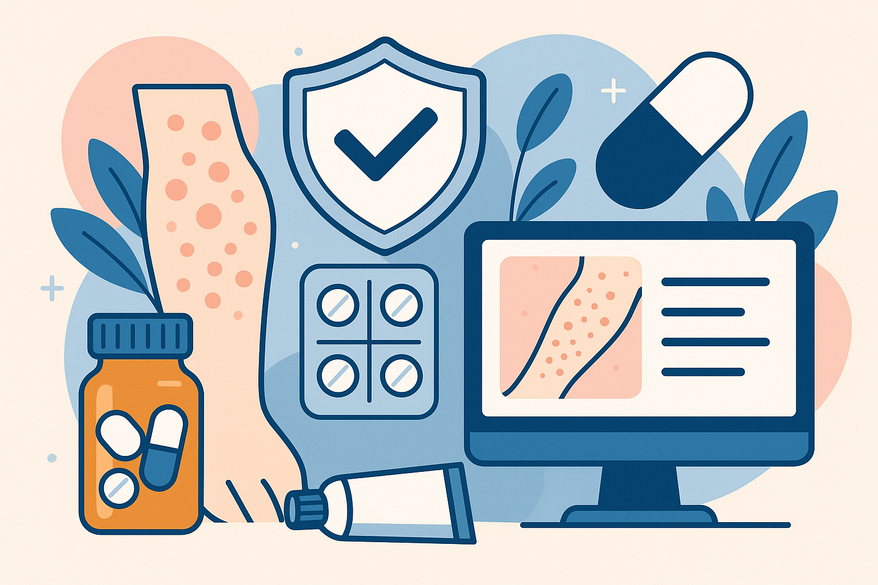
A drug rash—or drug eruption—is any new skin reaction caused directly by medications such as antibiotics, anticonvulsants, NSAIDs, chemotherapy agents, or supplements. Understanding these rashes’ appearances and triggers is the first step in effective treatment.
Common Morphologies
- Hives (urticaria): raised, itchy welts that appear and fade quickly.
- Morbilliform eruption: measles-like red macules and papules, often from antibiotics or anticonvulsants.
- Fixed drug eruption: round, dark-red patches that recur in the same spot with each dose.
- Severe cutaneous adverse reactions (SCARs): includes Stevens–Johnson syndrome, toxic epidermal necrolysis, DRESS, and AGEP.
Common Symptoms
- Widespread red spots or patches
- Intense itching or burning sensations
- Swelling of the face, lips, or tongue in allergic cases
- Blisters, skin peeling, and mouth or eye sores in severe reactions
Identifying a Medication-Induced Rash
Early identification is key to effective treatment. Look for timing and warning signs—immediate hives may follow drug exposure in minutes, whereas allergic-type rashes emerge days to two weeks after starting or increasing a drug. For more details, see our identifying drug-induced rash symptoms guide.
Key Warning Signs
- Rapidly spreading red bumps or patches
- Severe itching, burning, or pain
- Swelling of the face or throat, difficulty breathing (emergency)
- Blisters or mucosal involvement
- Fever, lymph node swelling, or jaundice
Management and Treatment Options
Effective management involves prompt, structured steps:
- Stop the offending drug under medical supervision.
- Relieve symptoms with antihistamines and topical steroids.
- Protect the skin barrier with fragrance-free emollients.
- Escalate care for severe cases: systemic steroids, IVIG, or burn-unit support.
At-Home Care
- OTC antihistamines (cetirizine, diphenhydramine)
- Hydrocortisone 1% for mild inflammation
- Cool compresses and loose clothing
- Moisturizers to restore the skin barrier
Prevention and Safety Tips
- Keep an updated allergy list with every provider visit
- Consider specialist-led patch testing or graded challenges
- Monitor for any new rash during the first weeks after starting a medication
- Never self-discontinue critical medications without clinician approval
Light AI Insight
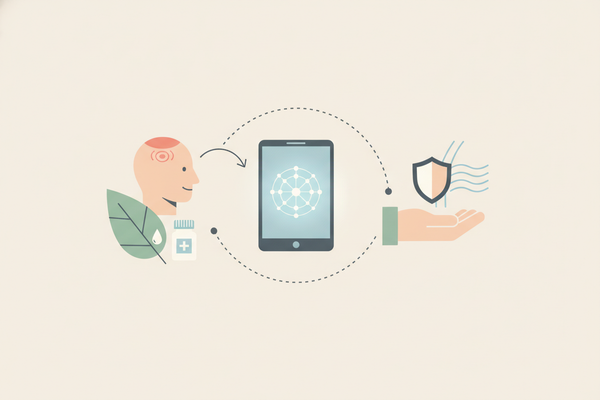
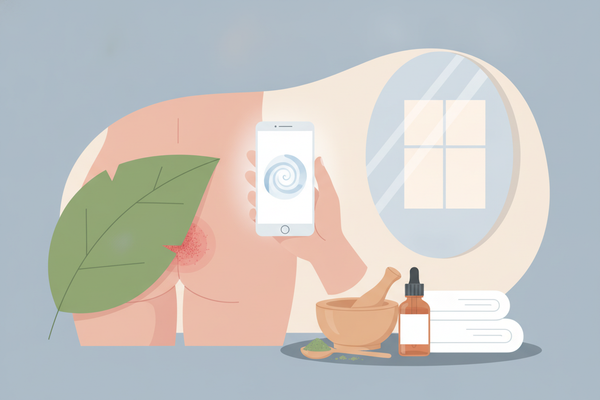
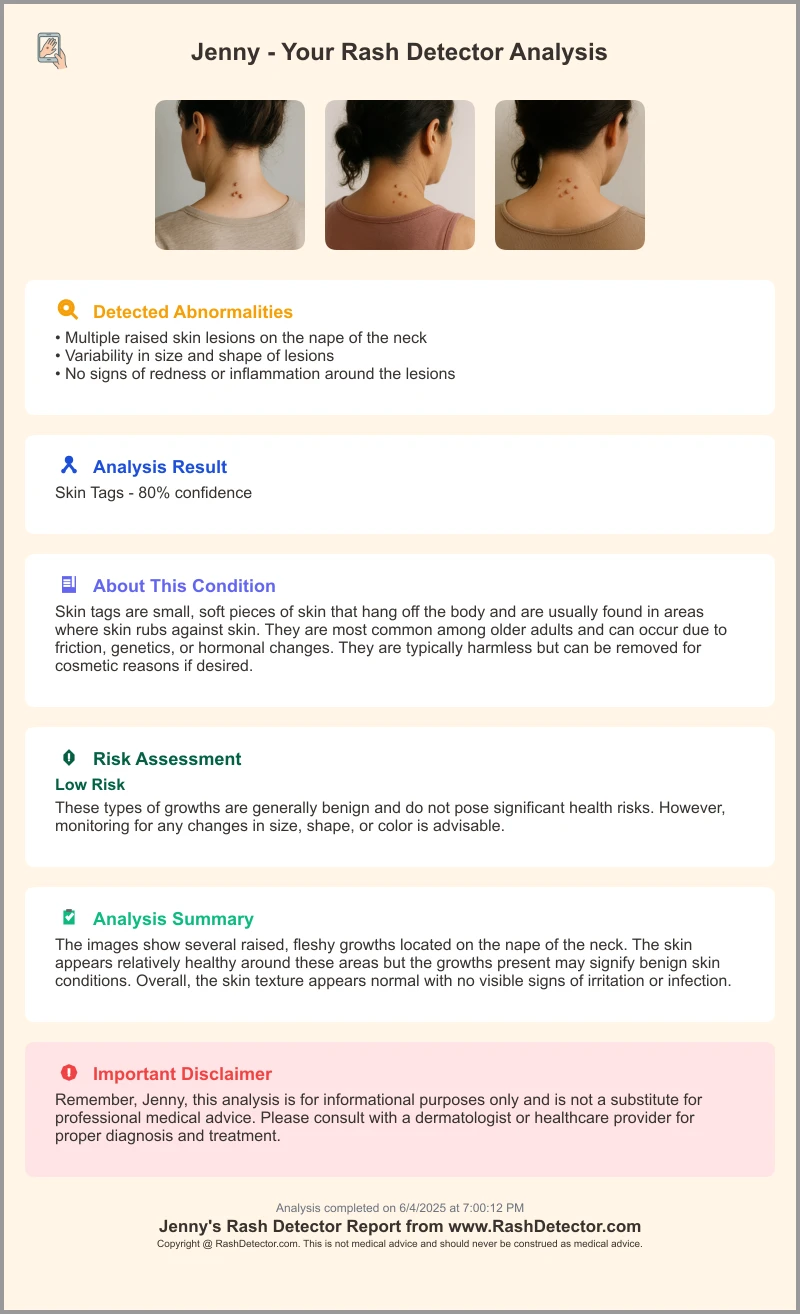
For patients seeking quick, preliminary insights between visits, integrating AI reports from apps like the Skin Analysis App can streamline monitoring and support early flagging of concerning changes.
When to Seek Professional Help
Call 911 or go to the emergency department if you experience respiratory distress, facial swelling, dizziness, blistering, mucosal erosions, or systemic signs (fever, jaundice). For mild-to-moderate rashes that don’t improve with OTC care, follow up with your provider within 48–72 hours. For a comprehensive overview of how to identify, manage, and prevent drug-induced rashes, see our Medication Rash Treatment: Identify, Manage, and Prevent Drug-Induced Rashes guide.
Conclusion
Effective medication rash treatment depends on awareness, prompt action, and professional support. Recognize warning signs early, stop the culprit drug under medical guidance, relieve symptoms appropriately, and escalate care when needed. Combining AI-driven monitoring with clinical expertise enhances vigilance and optimizes patient outcomes.
Additional reading:
FAQ
What are the earliest signs of a medication-induced rash?
Early signs often include red, itchy bumps or patches that appear within hours to days of starting a new drug. Pay attention to any new skin changes after medication changes.
Can mild drug rashes be treated at home?
Yes. Over-the-counter antihistamines, topical hydrocortisone, cool compresses, and gentle moisturizers can provide relief for mild rashes. For more detailed guidance on managing drug-induced skin reactions at home and when to escalate care, refer to our complete guide to managing drug-induced skin reactions.
When should I seek emergency care?
If you experience facial or throat swelling, difficulty breathing, widespread blistering, mucosal sores, fever, or jaundice, seek immediate medical attention.
How can I prevent future drug rashes?
Maintain an accurate allergy list, inform every healthcare provider of past reactions, and consider specialist testing for high-risk medications. For additional strategies to identify, manage, and prevent drug-induced skin reactions, see our Medication Rash Treatment guide.