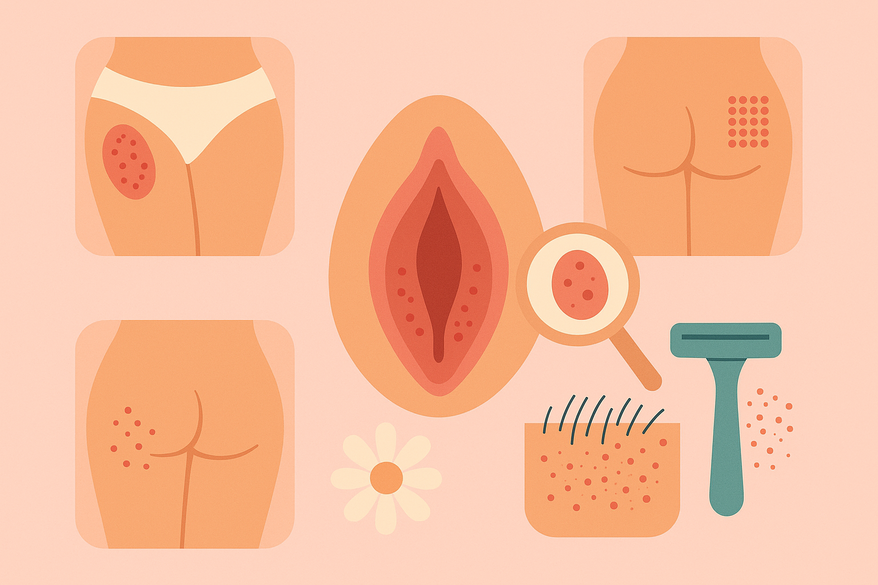
Understanding Vaginal Rash Causes and Prevention for Females
Explore causes of vaginal rash in females, with insights on jock itch vs heat rash, buttock rashes, and post-shaving irritation. Learn prevention tips for sensitive areas.
Estimated reading time: 8 minutes
Key Takeaways
- Vaginal rash basics: Irritation, redness, or bumps on the vulva often stem from dermatitis, infections, or friction.
- Jock itch vs. heat rash: Fungal rings versus sweat duct blockages—distinct triggers call for different self-care.
- Buttock rashes: Friction, moisture, and contact allergens are common culprits; hygiene and topical treatments may help.
- Shaving irritation: Razor burn and ingrown hairs can sometimes be minimized with proper technique and soothing aftercare.
- Prevention: Hypoallergenic products, breathable fabrics, gentle cleansing, and lifestyle tweaks may help protect sensitive skin.
Table of Contents
- What Is a Vaginal Rash?
- Jock Itch vs Heat Rash: Key Differences
- Common Buttock Rashes in Adults & Treatment
- Managing Irritation After Shaving Your Pubic Area
- Overall Prevention and Skin Care Tips for Delicate Areas
What Is a Vaginal Rash?
Vaginal rash causes female discomfort through irritation, redness, burning, swelling, or bumps on the vulva. A rash here can range from mild pink patches to painful blisters. For more on general genital rash causes and when to worry, consider professional guidance.
- Contact Dermatitis
Allergic reactions to soaps, detergents, latex, personal care products, or fabrics. Symptoms include redness, itching, burning, and occasional blisters. Hypoallergenic intimate care products are available for sensitive skin. - Infections
- Bacterial Vaginosis: Gray discharge, fishy odor.
- Yeast Infection: Thick white discharge, intense itch. Over-the-counter antifungal options are commonly used, but oral therapies are also available by prescription.
- Molluscum Contagiosum: Pearly, dome-shaped bumps.
- Scabies: Intense itch, tiny burrow lines. Persistent itch should prompt medical evaluation.
- Other Irritants
Heat, moisture, and friction can cause chafing and inflammation. Moisture-wicking underwear may help with prevention.
Common symptoms: itching, burning, red or pink patches, swelling, or pain during intercourse or tampon use.
When to seek professional advice: severe or worsening itch; unusual discharge; sores lasting over a week despite OTC care; fever or spreading redness. Always see a doctor or dermatologist for diagnosis and treatment, especially for severe, spreading, painful, or persistent symptoms.
Jock Itch vs Heat Rash: Key Differences
jock itch vs heat rash can be confusing since both affect warm, moist areas like the groin and buttocks. Yet their causes and appearances differ:
- Jock Itch (Tinea cruris)
Fungal infection with ring-shaped, scaly red patches; very itchy and can spread. Topical antifungal sprays and powders are available for daily use. - Heat Rash (Miliaria)
Blocked sweat ducts produce clusters of tiny red bumps or blisters wherever sweat accumulates. Cooling body wipes and wearable tech that monitors skin temperature are available to help prevent flare-ups.
Key comparisons:
- Appearance: Jock itch has defined borders and scaling; heat rash shows uniform tiny bumps, often with a prickly sensation.
- Affected Areas: Jock itch targets inner thighs and groin folds; heat rash can appear under arms, back, and buttocks.
- Triggers: Jock itch thrives on fungal overgrowth; heat rash stems from sweat duct blockage in hot, humid conditions or with prolonged mask/garment use.
For a deeper dive on intertrigo and jock itch management between the legs, explore expert advice. If self-care (drying, antifungal powder) fails after several days, consult a provider for examination or culture. Never share towels or personal items if you suspect a fungal infection.
Common Buttock Rashes in Adults
buttock rash adults often results from friction, moisture, or allergic contact. Redness, itching, and pain on the cheeks can disrupt daily life. Learn more about butt cheek rashes.
- Friction/Chafing: Tight clothing, repetitive movement, long sitting periods, and cycling.
- Sweat & Moisture: Trapped sweat can foster bacterial and fungal growth. Moisture-wicking fabrics may help.
- Contact Dermatitis: Irritation from soaps, detergents, fabric dyes, or toilet paper. Eco-friendly cleaning products may still contain plant-based allergens.
- Risk Factors: Obesity, sedentary habits, poor hygiene, excessive sweating, and certain medications.
Treating Rash Between Butt Cheeks
- Hygiene: Wash gently with mild, unscented soap; pat dry thoroughly. Barrier creams with zinc oxide may offer added protection.
- Topical Treatments: OTC hydrocortisone for inflammation; antifungal cream if needed. Combination creams (corticosteroid plus antifungal) are available but should be used only as directed by a healthcare provider.
- Clothing: Choose loose, breathable cotton or moisture-wicking underwear; skip tight synthetics. Seamless and tagless designs may reduce irritation.
- Monitoring: Watch for pus, pain, or fever—signs of infection. Telehealth options can help you quickly share photos with a professional if needed.
- When to Consult: No improvement in one week or rash spreading beyond buttocks. Always see a doctor or dermatologist for diagnosis and treatment, especially for severe, spreading, painful, or persistent symptoms.
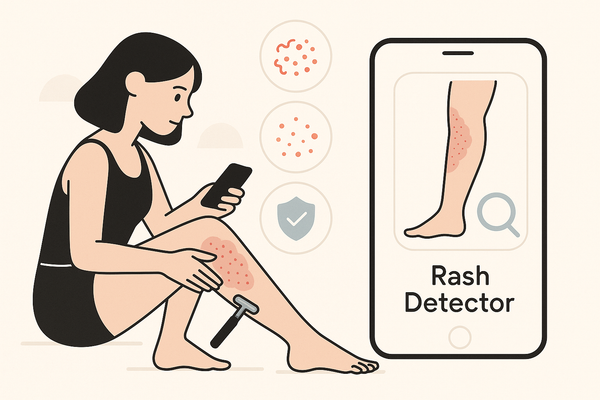
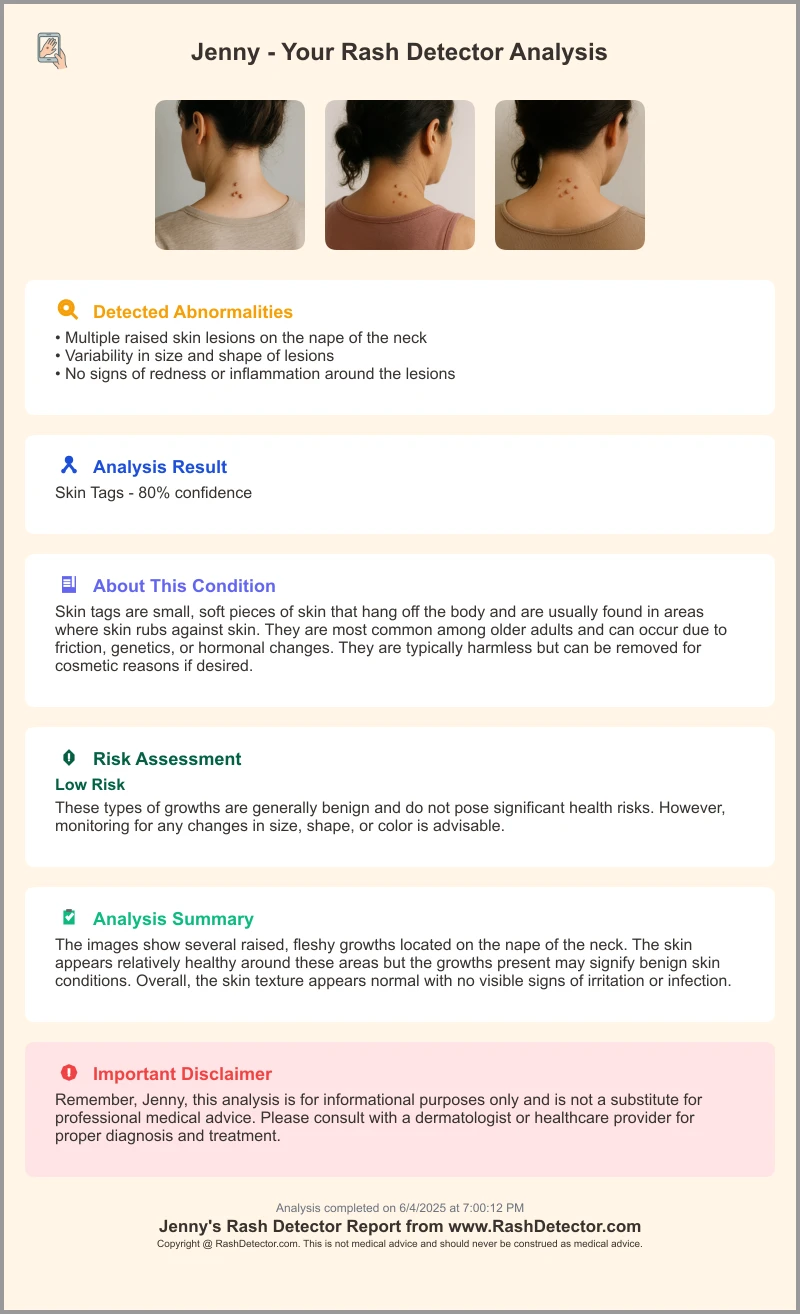
For AI-powered insights from photos, try Rash Detector:
Managing Irritation After Shaving Your Pubic Area
irritation after shaving pubic area can cause razor burn, micro-abrasions, and ingrown hairs. Adopting a careful approach may help prevent discomfort.
- Primary Causes: Dull blades, shaving against growth, fragranced products. Electric trimmers with hypoallergenic blades are available for sensitive skin.
- Preventive Measures: Use a fresh razor on damp skin; apply fragrance-free shaving cream or gel; shave with hair growth; rinse with cool water; pat dry and moisturize with unscented lotion or aloe vera gel.
- Alternative Options: Trimming with scissors or electric trimmers; waxing with professional aftercare; depilatory creams (always patch-test first); professional laser reduction is also available.
- Dermatologist Visit: Persistent redness or bumps beyond one week; signs of infection such as pus, increasing pain, or fever. See a doctor or dermatologist for diagnosis and treatment if symptoms are severe, spreading, painful, or persistent.
Overall Prevention and Skin Care Tips for Delicate Areas
Healthy habits and lifestyle tweaks may help ward off many rashes in sensitive zones.
- Daily Habits: Use hypoallergenic, unscented soaps and detergents; wear breathable, moisture-wicking underwear; change wet clothes quickly; cleanse gently; keep skin folds dry. Fabric tech advancements offer more options for sensitive skin.
- Lifestyle Adjustments: Maintain a healthy weight to reduce friction; shower after heavy sweating; opt for loose clothing in heat; use barrier creams if prone to chafing.
- When to Escalate Care: Rashes lasting over a week; worsening or spreading; systemic signs like fever or swollen lymph nodes. Always see a doctor or dermatologist for diagnosis and treatment, especially for severe, spreading, painful, or persistent symptoms.
FAQ
Q: How do I know when to see a doctor for a vaginal rash?
A: If itching worsens, discharge is unusual or painful, sores last beyond one week, or you experience fever or spreading redness, seek professional care. Never delay medical attention for severe, spreading, or persistent symptoms.
Q: Can I treat jock itch and heat rash with the same remedies?
A: No. Jock itch typically requires antifungal approaches, while heat rash may improve with cooling, drying, and barrier creams. Evaluate your symptoms before choosing treatment. If uncertain, consult a healthcare professional.
Q: What’s the best way to prevent razor burn in the pubic area?
A: Use a sharp blade or hypoallergenic trimmer, shave on damp skin with fragrance-free cream or gel, follow hair growth direction, rinse with cool water, and apply a soothing moisturizer or aloe vera. Avoid shaving if skin is already irritated.
Q: Are there home remedies for buttock rashes?
A: Gentle cleansing, keeping the area dry, loose breathable clothing, and OTC hydrocortisone or antifungal creams may help. Consult a provider if symptoms persist or worsen, or if you notice signs of infection.
Disclaimer: This article is for general, educational information only and does not provide a diagnosis. Always see a doctor or dermatologist for diagnosis and treatment, especially for severe, spreading, painful, or persistent symptoms.