Understanding Teen Rash Causes: From Triggers to Treatments
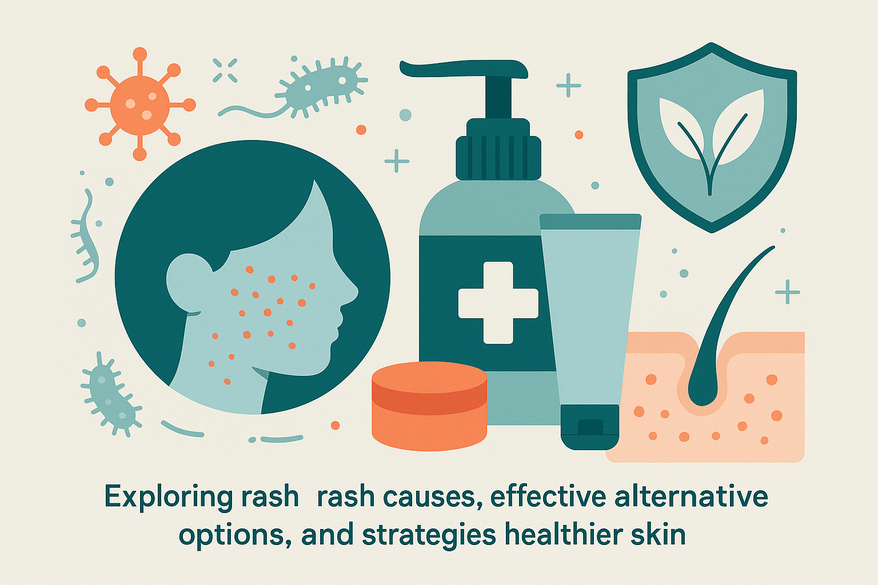
Explore teen rash causes, effective adolescent skin rash treatment options, and strategies for preventing rashes in teenagers for healthier skin.
Estimated reading time: 8 minutes
Key Takeaways
- Teen rashes can stem from allergies, hormonal changes, environmental irritants, infections, medications, or stress.
- Effective treatment ranges from over-the-counter options like moisturizers and hydrocortisone to prescription therapies.
- Consistent skincare routines, proper hygiene, and lifestyle adjustments are vital for prevention.
- Monitor warning signs—rapid spreading, fever, pain—to determine when to see a healthcare professional.
- Stress management and allergen tracking reduce the frequency and severity of flare-ups.
Table of Contents
- Defining Teen Rash
- Exploring Teen Rash Causes
- Adolescent Skin Rash Treatment
- Preventing Rashes in Teenagers
- Conclusion
Introduction
Teen rash causes are common concerns for adolescents and their families. Knowing the root causes, effective adolescent skin rash treatment options, and prevention methods helps manage discomfort and support healthy skin. This guide breaks down definitions, explores key triggers, outlines evidence-based treatments, and offers practical prevention strategies for teens and caregivers.
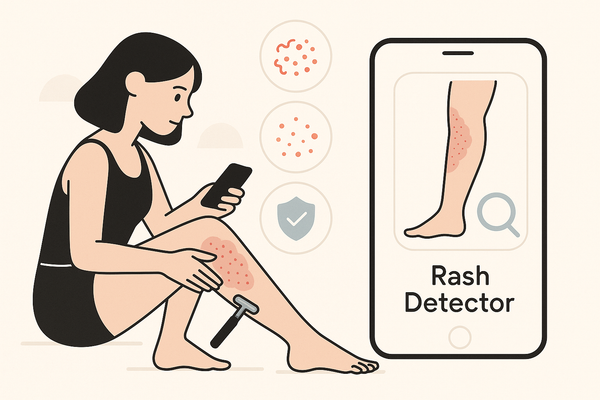
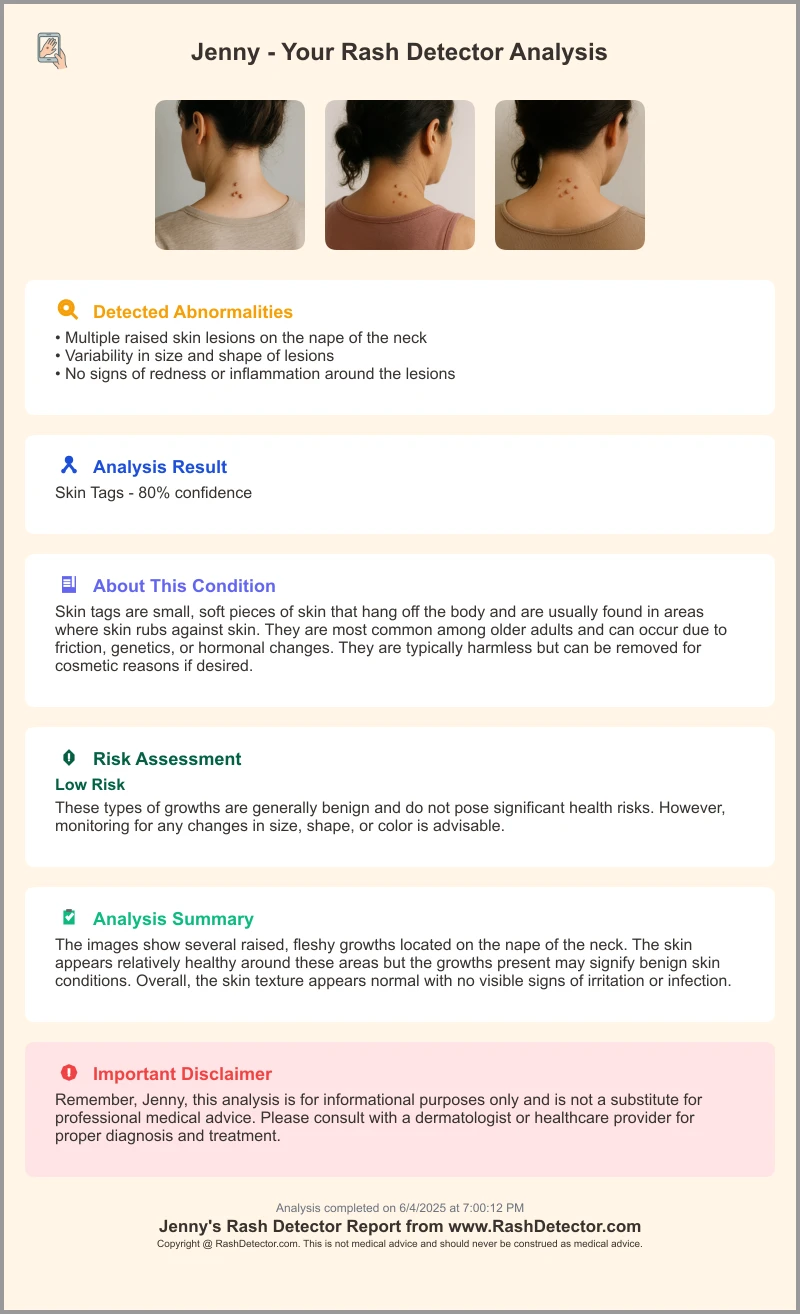
For a quick, objective analysis of a new rash, you can upload images to Rash Detector, an AI-based skin analysis app that returns instant sample reports.
Defining Teen Rash
A teen rash refers to any area of irritated, red, swollen, or bumpy skin appearing during adolescence. The term covers a wide spectrum of skin changes that often coincide with hormonal shifts and lifestyle transitions typical of the teenage years.
Appearance details:
- Redness and inflammation around hair follicles or spreads of small bumps
- Swollen or fluid-filled blisters that may ooze or crust over
- Raised, rough patches that can be dry, scaly, or raw
- Sometimes accompanied by itching, burning, or tender sensations
Adolescent-specific factors:
- Hormonal fluctuations increase sebum (oil) production, making skin more prone to acne or clogged pores
- Shifting hygiene habits, new cosmetic or laundry products, and varying sleep/exercise patterns impact skin barrier integrity
By defining teen rash, we connect the visible signs to underlying triggers, setting the stage for tailored solutions.
Sources: Cleveland Clinic; MedlinePlus
Exploring Teen Rash Causes
Understanding teen rash causes is key to choosing the right treatment and prevention. Below are seven primary triggers, each with its common presentation and example scenarios.
- Allergies and Sensitivities
Definition: Contact dermatitis occurs when the immune system reacts to an external allergen.
Common presentation: Itchy, red patches that may blister, ooze, or form crusty scales.
Example triggers: Poison ivy, latex gloves, fragrance-laden soaps, certain detergents.
(Source: MedlinePlus, UCHealth) - Hormonal Fluctuations
Definition: Puberty-driven hormone surges boost oil production in skin glands.
Common presentation: Acne lesions—whiteheads, blackheads, red papules or painful cysts—especially on the face, chest, and back.
Example: A teen starting menstruation or experiencing a growth spurt may develop clustered breakouts.
(Source: Cleveland Clinic) - Environmental Irritants
Definition: Irritant contact dermatitis from non-allergenic agents that damage the skin barrier.
Common presentation: Dry, cracked, itchy or burning skin, sometimes peeling.
Example triggers: Harsh soaps, chlorinated pools, extreme temperatures, prolonged sweating under sports gear.
(Source: UCHealth, Children’s Hospital & Medical Center) - Skin Conditions
- Eczema (Atopic Dermatitis): Chronic, itchy inflammation often with a family history of allergies or asthma.
- Psoriasis: Rapid skin cell turnover leading to silvery, scaly plaques on elbows, knees, scalp.
- Seborrheic Dermatitis: Oily, red patches with dandruff-like flaking on the scalp, eyebrows, and around the nose.
(Source: Alberta Health Services, Cleveland Clinic) - Infections
- Bacterial (Impetigo): Honey-colored crusts around the mouth or nose; may spread rapidly.
- Viral (Herpes Simplex, Varicella): Grouped clear blisters that can be painful or tingle.
- Fungal (Tinea): Ring-shaped, itchy, scaly patches on the body, scalp, or feet.
Learn more: Fungal Rash Symptoms Guide - Medications
Definition: Drug-induced rashes range from mild eruptions to severe reactions like toxic epidermal necrolysis.
When to suspect: Onset within days to weeks of starting a new drug.
(Source: Alberta Health Services, Children’s Hospital & Medical Center) - Stress
Definition: Emotional stress can trigger hives or worsen chronic rashes like eczema.
Common presentation: Sudden red welts or intensification during exams, social pressures, or personal crises.
More details: Stress-Related Rash Triggers
Adolescent Skin Rash Treatment
Treatment varies by cause and severity. Use this framework for safe, effective care.
Over-the-Counter Remedies
- Moisturizers: Fragrance-free, ceramide-enhanced creams to restore the lipid barrier.
- Soothing lotions: Calamine or colloidal oatmeal (e.g., Aveeno) to calm itching.
- Topical hydrocortisone 1%: Apply thinly once or twice daily for up to two weeks.
- Oral antihistamines: Diphenhydramine or cetirizine to relieve itching.
(Source: MedlinePlus)
Prescription Treatments
- Topical corticosteroids: Mid-potency agents like triamcinolone for moderate eczema.
- Oral antibiotics: Cephalexin or dicloxacillin for bacterial infections like impetigo.
- Antifungals: Topical ketoconazole for tinea; oral terbinafine for extensive cases.
- Systemic agents: Methotrexate or biologics for psoriasis under dermatologist care.
(Source: UCHealth, Cleveland Clinic)
Home Care Measures
- Gentle cleansing: Use lukewarm water and mild, soap-free cleansers.
- Cool compresses: Apply damp cloths for 10–15 minutes to soothe inflammation.
- Avoid scratching: Keep nails short; consider cotton gloves at night.
(Source: Children’s Hospital & Medical Center, MedlinePlus)
When to Seek Professional Advice
- Rapidly spreading rash or large coverage
- Fever, chills, or systemic signs
- Painful, oozing, or pus-filled lesions
- No improvement after one to two weeks
- Chronic or recurrent issues affecting life quality
A dermatologist can perform diagnostics and tailor treatments.
(Source: Alberta Health Services, MedlinePlus)
Preventing Rashes in Teenagers
Consistent skincare and lifestyle choices reinforce the skin barrier and reduce trigger exposure.
Good Skincare Routine
- Use mild, fragrance-free cleanser twice daily.
- Apply a non-comedogenic moisturizer immediately after washing.
- Patch-test new products on the inner forearm for 48 hours.
(Source: MedlinePlus)
Hygiene Practices
- Shower after sports or heavy sweating; wear dry, breathable fabrics.
- Wash hands after contact with potential allergens like pet dander or plants.
See Tips for Preventing Heat Rash
Lifestyle Modifications
- Choose breathable fabrics like cotton; avoid wool or synthetic blends.
- Limit harsh chemicals; wear gloves or ensure ventilation when cleaning.
- Protect against extreme weather with layering and sunscreen.
(Source: UCHealth)
Allergen Awareness
- Identify triggers like nickel jewelry, latex, or certain foods.
- Keep a diary of products, foods, and environments linked to rashes.
(Source: MedlinePlus, UCHealth)
Stress Management
- Encourage sufficient sleep (8–10 hours), balanced diet, and regular exercise.
- Practice relaxation: deep breathing, guided imagery, or mindfulness.
- Seek counseling or support when emotional stressors arise.
(Source: Alberta Health Services, Children’s Hospital & Medical Center)
Conclusion
Early identification of teen rash causes leads to targeted treatments and successful prevention. By understanding triggers—from allergens and hormones to environmental factors—and applying appropriate over-the-counter and prescription therapies, teens can find relief and improve skin health. Consistent routines, lifestyle habits, and stress management further reduce flare-ups. Consult a dermatologist for personalized guidance on stubborn or severe rashes to ensure expert-backed care for lasting comfort and confidence.
FAQ
- What causes hormonal rashes in teenagers?
Hormonal surges during puberty increase oil production in skin glands, often leading to acne and clogged pores. - How can I treat a teen rash at home?
Use gentle cleansers, fragrance-free moisturizers, cool compresses, and over-the-counter hydrocortisone or antihistamines as needed. - When should a teen see a dermatologist?
Seek professional help if the rash spreads rapidly, is accompanied by fever, oozes, persists beyond two weeks, or significantly impacts quality of life.