How to Treat a Rash on Neck and Other Body Areas
Explore effective ways to treat a rash on neck, inner thigh, back of arm, and genital areas. Learn symptoms, remedies, and when to seek medical advice.


Estimated reading time: 10 minutes
Key Takeaways
- Identify the rash type and location to help narrow down possible causes and appropriate treatment.
- Home remedies and over-the-counter (OTC) options—like hydrocortisone, antifungals, and cool compresses—may offer relief for some mild rashes.
- Good hygiene, moisture control, and breathable clothing are important to help prevent recurrent irritation.
- See a doctor or dermatologist for diagnosis and treatment of severe, spreading, painful, or persistent rashes—especially those on the neck or genital area.
Table of Contents
- What Is a Skin Rash?
- Why Location Matters: Lifestyle, Environment & Hygiene
- Rash on Neck
- Rash on Inner Thigh
- Rash on Back of Arm
- Rash Between Legs
- Genital Rash Male
- Butt Cheek Rash
- Common Causes & Risk Factors
- Diagnosing Skin Rashes
- Treatment Options & Home Remedies
- Prevention Tips
- Conclusion
What Is a Skin Rash?
A skin rash is a visible change in the skin’s appearance, often involving inflammation, redness, bumps, or scales. Rashes can appear anywhere on the body, including the neck, inner thigh, or between the legs, and may be triggered by a wide range of causes.
Common symptoms include:
- Itching (pruritus)
- Swelling or tenderness
- Color changes (red, pink, brown, or white patches)
- Oozing, crusting, or blistering
The rash’s location often hints at its cause. For example, friction under collars may trigger a rash on neck, while chafing during exercise can lead to a rash on inner thigh or one between legs. Environmental factors like heat, humidity, and allergens also play key roles.
For more information, see Medical News Today and Tru-Skin.
Why Location Matters: Lifestyle, Environment & Hygiene
Different body areas face unique stresses that can irritate the skin:
- Neck: Friction from jewelry or collars; sweat accumulation; exposure to hair products or perfumes.
- Inner Thigh: Skin-on-skin rubbing; moisture build-up from sweat or tight clothing.
- Between Legs: Warm, dark creases may be prone to fungal growth.
- Butt Cheeks: Pressure from sitting and trapped humidity, especially when wearing synthetic fabrics.
Both under-washing and over-washing with harsh soaps can worsen rashes. Gentle cleansing and thorough drying are recommended (Medical News Today).
Rash on Neck
A rash on neck may appear as red, itchy patches, sometimes with raised bumps or tiny blisters.
Symptoms: Itching, redness, warmth, papules, and occasionally vesicles or scaling.
Common causes:
- Friction from necklaces, shirt collars, or rough fabrics
- Allergic contact dermatitis (from fragrances, detergents, or metals)
- Fungal or bacterial infections (especially in humid conditions)
- Heat rash (blocked sweat ducts, common in hot weather)
Home & OTC remedies:
- Wash gently with fragrance-free cleanser
- Consider hydrocortisone 1% cream for mild inflammation, following package directions
- Oral antihistamines like cetirizine or loratadine may help with itching
- Use cool, damp compresses for short periods
- Switch to hypoallergenic laundry detergents and avoid jewelry until healed
See a healthcare provider if the rash spreads rapidly, blisters worsen, or you develop fever or other systemic symptoms (UCHealth).
Rash on Inner Thigh
This rash may appear as red, itchy patches or ring-shaped lesions, sometimes referred to as “jock itch.”
Causes: Friction, excess sweat, fungal infection (Tinea cruris), and contact dermatitis.
Treatments:
- Wash the area daily with gentle, non-soap cleanser and dry thoroughly
- Consider clotrimazole 1% cream or terbinafine cream as directed for possible fungal causes
- Use barrier creams (zinc oxide or petroleum jelly) to reduce friction
- Wear moisture-wicking, breathable fabrics
- Consider using anti-chafing balms or sticks before activity
Rash on Back of Arm
Usually presents as small bumps or red papules on the outer or posterior upper arm.
- Insect bites: Mosquito or flea reactions, often clustered
- Allergic contact dermatitis: Reactions to lotions, sunscreen, or clothing dyes
- Heat rash: Clogged sweat ducts, especially after exercise
- Eczema (atopic dermatitis): Chronic, dry, scaly patches, sometimes with itching
- Keratosis pilaris: Common, harmless condition causing rough, bumpy skin
Relief tips may include cool compresses, oatmeal baths, low-strength hydrocortisone, and pH-balanced cleansers. For keratosis pilaris, gentle exfoliation and moisturizers containing urea or lactic acid may help (UCHealth).
Rash Between Legs
Appears as moist, red patches in the groin crease, often causing chafing and discomfort.
- Friction from walking, running, or cycling
- Sweat-induced moisture, especially in hot climates
- Fungal overgrowth (Tinea cruris), common in athletes
- Contact dermatitis from hygiene products or pads
Treatment: Wash gently, consider medicated antifungal powders or creams if appropriate, wear loose cotton underwear, and apply barrier creams. Talc-free powders are now widely recommended to avoid respiratory risks (Tru-Skin).
Genital Rash Male
Presents as red bumps, scales, or ulcers on the penis, scrotum, or groin, often with itching or burning.
- Irritants: Harsh soaps, scented personal care products, or synthetic fabrics
- Fungal infections: Candida yeast overgrowth, especially in warm, damp environments
- Allergic reactions: Condoms, lubricants, topical medications
- Sexually transmitted infections (STIs): Herpes (painful vesicles), syphilis (painless sores), and others
Important: Persistent, recurrent, or painful rashes in the genital area require prompt medical evaluation and possible lab tests for accurate diagnosis and treatment (UCHealth).
Butt Cheek Rash
Irritation or heat rash on the buttocks, often aggravated by prolonged sitting or tight clothing.
- Pressure and friction from sitting or cycling
- Occluded sweat glands in humid conditions
- Allergic contact dermatitis from laundry detergents, wipes, or hygiene products
- Folliculitis (inflamed hair follicles) from shaving or sweating
Use fragrance-free soap, hypoallergenic detergents, barrier ointments (such as zinc oxide), and low-strength hydrocortisone if appropriate. If no improvement within a week, or if there are signs of infection (pus, spreading redness, fever), consult a healthcare professional (Tru-Skin).
Common Causes & Risk Factors
Most rashes share overlapping triggers:
- Allergens (soaps, fragrances, fabrics, metals)
- Heat, sweat, and humidity
- Friction and chafing from activity or clothing
- Infections (fungal, bacterial, viral)
- Underlying skin conditions (eczema, psoriasis, keratosis pilaris)
Unique factors—like necklace friction on the neck or tight undergarments between legs—increase risk in specific areas.
Diagnosing Skin Rashes
For mild, non-spreading rashes without systemic symptoms, self-care may be sufficient. However, you should see a doctor or dermatologist for diagnosis and treatment if the rash:
- Spreads rapidly or is associated with fever
- Is severe, extremely painful, or blistering
- Persists for more than a week or recurs frequently
- Appears on the face or genitals
Healthcare providers may perform skin swabs, cultures, or biopsies to identify the cause (Medical News Today).
Treatment Options & Home Remedies
- OTC creams: Hydrocortisone 1%, antifungals (clotrimazole, terbinafine), calamine lotion
- Oral antihistamines: Cetirizine or loratadine for itching (non-drowsy options are available)
- Home remedies: Cool compresses, oatmeal baths, barrier creams (zinc oxide, petroleum jelly)
- Area-specific tips: Avoid jewelry on the neck; use anti-chafing sticks or balms on the inner thigh; patch-test new lotions before use on the arm; use talc-free powder between legs; clean the genital area with mild, fragrance-free cleansers; apply barrier ointments for buttocks.
Note: Always follow package directions and discontinue use if irritation worsens.
Prevention Tips
- Maintain daily hygiene and dry skin folds thoroughly, especially after sweating
- Wear breathable, moisture-wicking fabrics (cotton, bamboo, or modern technical fibers)
- Avoid known allergens in skin care and laundry products
- Use anti-chafing powders, creams, or balms before activity
- Take stand-up breaks when seated for long periods
- Change out of wet or sweaty clothes promptly
Conclusion
Understanding whether a rash is caused by friction, allergens, infections, or heat may help guide care. While some mild rashes may improve with home care—such as gentle cleansing, cool compresses, and OTC creams—persistent, severe, or spreading rashes, especially on the neck or genitals, require professional evaluation. Early diagnosis and appropriate treatment can help ensure a safer recovery.
Remember: This information is for general educational purposes only and is not a substitute for professional medical advice. Always see a doctor or dermatologist for diagnosis and treatment, especially if your rash is severe, spreading, painful, or persistent.
衣装を購入する前に、使用日から逆算して納期と試着時間を確保しておくと安心です。用途に合う候補を整理するときは、エヴァ コスプレ衣装で商品内容を見比べられます。使用後は素材に合う方法で手入れし、装飾を傷めない形で保管することが大切です。
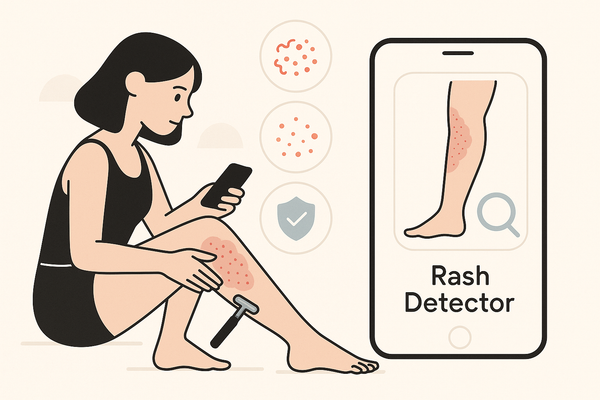
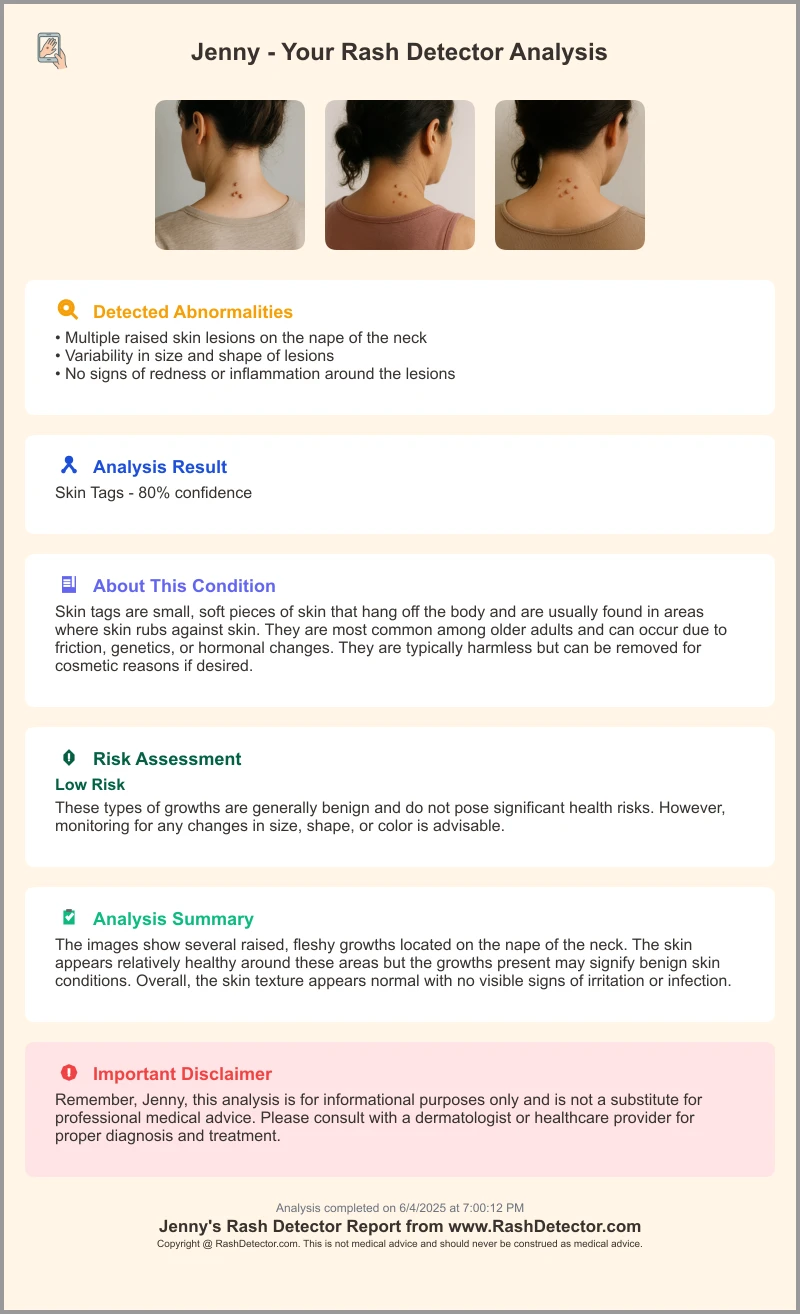
For quick, AI-powered rash assessment, try Rash Detector to upload images and receive an instant analysis.
FAQ
- When should I see a doctor for a rash? See a healthcare provider if a rash spreads rapidly, blisters, is painful, lasts more than a week, or is accompanied by fever or other systemic symptoms.
- Can I use hydrocortisone on any rash? Hydrocortisone is sometimes used for mild inflammatory rashes but should not be used on infected, open, or broken skin without professional advice. Avoid use on the face or genitals unless directed by a doctor.
- How do I prevent chafing on the inner thigh? Apply anti-chafing powder, balm, or stick before activity and wear moisture-wicking, loose-fitting shorts or underwear.
- Is a genital rash always a sign of an STI? No. Many genital rashes result from irritants, yeast infections, or allergens, but persistent or painful rashes require STI screening and medical evaluation.
- What home remedy soothes heat rash? Cool compresses, colloidal oatmeal baths, and wearing loose, breathable clothing may help soothe irritation.