Safe Rash Treatment During Pregnancy: A Comprehensive Guide for Expectant Mothers
Discover safe rash treatment during pregnancy to ease discomfort while ensuring safety for your baby. Learn effective remedies and preventive tips in this guide.

Estimated reading time: 8 minutes
Key Takeaways
- Safety first: Choose pregnancy-safe topical and oral treatments that protect both mom and baby.
- Know your rash: Identify eczema, PUPPP, heat rash, hives, and other pregnancy-specific eruptions.
- OTC & prescription: Use fragrance-free moisturizers, colloidal oatmeal baths, and low-potency steroids only under medical guidance.
- Avoid risks: Steer clear of retinoids, high-dose ketoconazole, and unverified herbal creams.
- Professional input: Always consult your obstetrician or dermatologist for tailored advice and monitoring.
Table of Contents
- Introduction
- Understanding Rashes During Pregnancy
- Safe Treatment Options
- Consultation and Professional Guidance
- Preventive Measures and Self-Care Tips
- Conclusion & Call to Action
- FAQ
Introduction
Balancing comfort and safety is essential when treating pregnancy-related rashes. Expectant mothers often face itchy bumps, red patches, or hives, yet some topical and systemic drugs can cross the placenta or affect fetal development. With up-to-date guidance, you can select remedies that may relieve symptoms while safeguarding your baby’s health. Always consult a healthcare provider before starting any treatment during pregnancy.
Understanding Rashes During Pregnancy
Hormonal fluctuations, immune shifts, and increased blood flow can make pregnant skin more reactive. Common types include:
- Eczema
– A chronic inflammatory disorder causing dry, scaly, itchy patches on elbows, knees, or torso.
– Hormonal changes may flare pre-existing eczema or trigger new cases.
– Source: Schweiger Dermatology - PUPPP (Pruritic Urticarial Papules and Plaques of Pregnancy)
– Intensely itchy hive-like lesions starting on the abdomen in late third trimester.
– Occurs in a small percentage of pregnancies.
– Sources: Medical News Today, Schweiger Dermatology - Heat Rash & Hives
– Heat rash (miliaria): Small, blister-like bumps from trapped sweat.
– Hives (urticaria): Raised wheals due to allergies or heat.
– Pregnancy can increase sweating and skin sensitivity.
– Source: Medical News Today - Allergic Reactions
– Localized redness, swelling, or widespread itch from new skincare, detergents, or foods.
– Always patch-test new products on the forearm for 48 hours. - Other Specific Rashes
– Pemphigoid Gestationis: Autoimmune blistering needing dermatologist referral.
– Intrahepatic Cholestasis: Intense itching on palms/soles indicating possible liver dysfunction.
– Source: Schweiger Dermatology
Important note: Some rashes, like intrahepatic cholestasis or pemphigoid gestationis, require blood tests and urgent specialist attention due to potential risks for you and your baby.
Safe Treatment Options
Over-the-Counter (OTC) Aids
- Fragrance-Free Moisturizers
– Hypoallergenic, ceramide-rich creams may help restore the skin barrier.
– Apply to damp skin 2–3 times daily, especially after bathing.
– See top picks: fragrance-free moisturizer suggestions - Oatmeal Baths
– Colloidal oatmeal may soothe inflammation and itch.
– Add 1 cup to a lukewarm bath; soak for 10–15 minutes. Rinse off and pat skin dry.
– Learn more: oatmeal bath for rash - Oral Antihistamines
– Some second-generation agents (loratadine, cetirizine) are sometimes used for minimal drowsiness and have a more established safety profile.
– Use only after obstetrician approval, especially in the first trimester.
Source: Healthline guide
Prescription Options
- Topical Corticosteroids
– Low- to medium-potency (e.g., hydrocortisone 1%, triamcinolone 0.1%) may be considered for short courses.
– Monitor cumulative dose; avoid high-potency unless specialist-prescribed. Prolonged or large-area use should be supervised. - Oral Corticosteroids
– Sometimes reserved for severe PUPPP or autoimmune blistering diseases.
– Short-term prednisone with taper under close monitoring. Used only when benefits outweigh risks and under specialist care.
Sources: Schweiger Dermatology, Mount Sinai blog
Treatments to Avoid
- High-potency steroids without supervision
- Retinoids (tretinoin, isotretinoin) — these are contraindicated in pregnancy
- Tetracycline antibiotics
- High-dose ketoconazole (oral or topical)
- Unverified herbal creams or essential oils (risk of irritation or unknown fetal safety)
Source: Healthline guide
Update: Newer non-steroidal topicals (like pimecrolimus or tacrolimus) are still not first-line in pregnancy due to limited safety data. If prescribed, this should be by a dermatologist with a clear risk/benefit discussion.
Consultation and Professional Guidance
Always start with professional input. Your obstetrician, dermatologist, or midwife can confirm the diagnosis and tailor treatment to your gestational stage and personal health history.
Red-flag symptoms needing urgent evaluation include:
• Severe, widespread rash covering large areas
• Fever, jaundice, or pronounced swelling
• Signs of infection: pain, pus, warmth, or expanding redness
Key questions for your provider:
- Is this treatment safe for my baby at my stage of pregnancy?
- Are there lower-absorption alternatives or purely topical options?
- What monitoring will be required (e.g., ultrasounds, blood tests)?
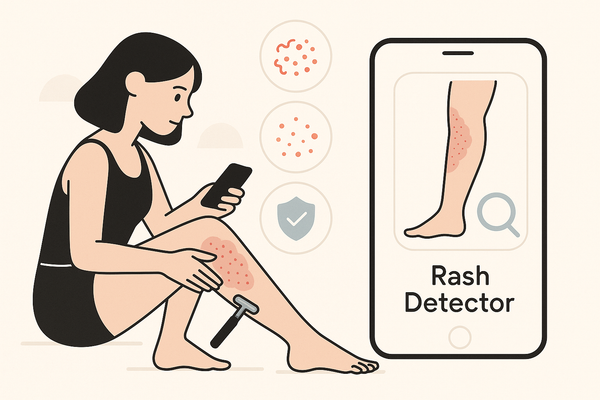
For ongoing monitoring, expectant mothers may find the AI-powered Rash Detector Skin Analysis App helpful for quick educational insights on rash images. Here’s a sample report:
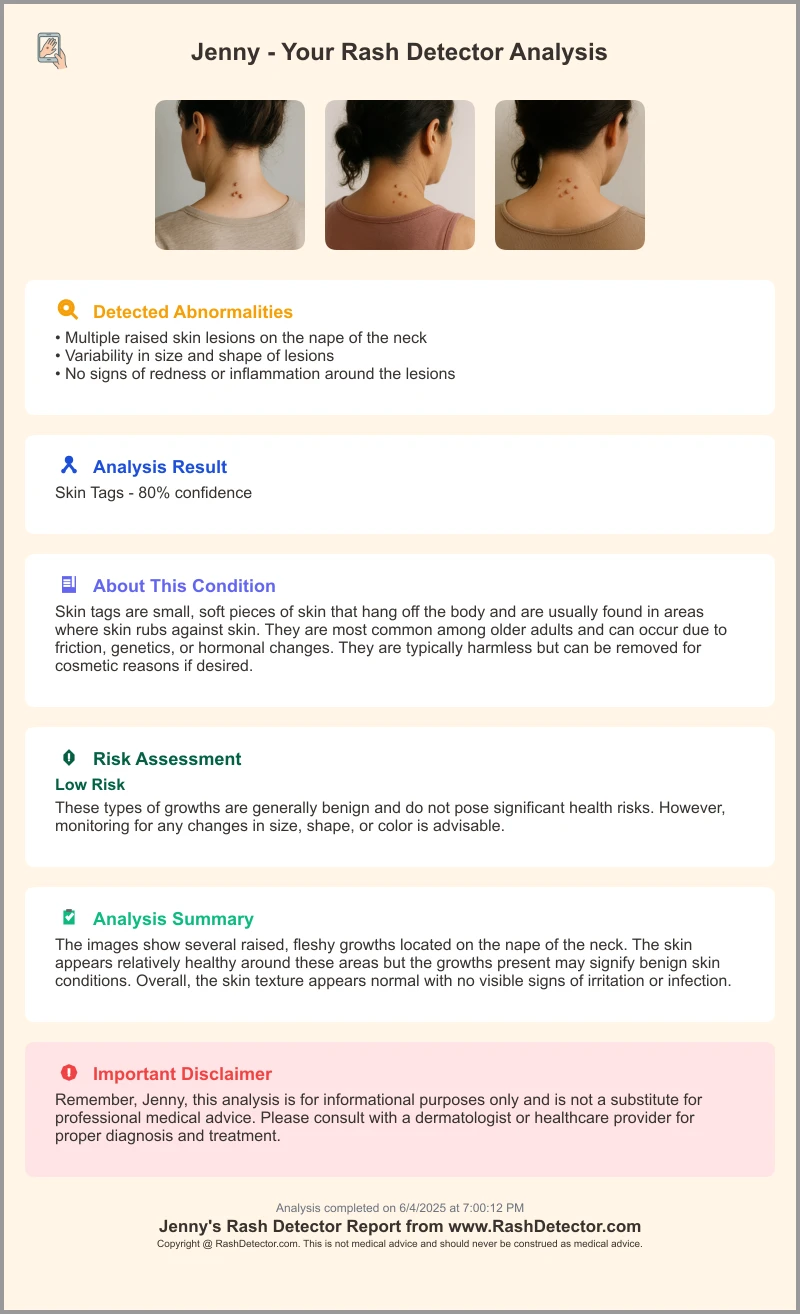
Important: The Rash Detector app provides educational analysis only and does not replace medical diagnosis or advice. Always see a doctor or dermatologist for diagnosis and treatment, especially for severe, spreading, painful, or persistent symptoms.
Preventive Measures and Self-Care Tips
- Gentle Cleansing: Use pH-balanced, hypoallergenic formulas. Avoid soaps with strong fragrances or irritants.
- Immediate Moisturizing: Apply emollients within three minutes of bathing to lock in moisture.
- Short, Lukewarm Showers: Avoid long, hot showers that strip natural oils.
- Loose, Breathable Clothing: Opt for cotton or bamboo; avoid tight synthetics that trap heat and sweat.
- Hydration: Drink water regularly to support skin health.
- Good Hygiene: Keep nails trimmed; use soft washcloths to minimize scratching and help prevent infection.
- Symptom Diary: Record daily triggers—foods, products, or environments that seem to worsen symptoms.
- Sun Protection: Use mineral-based sunscreen (zinc oxide or titanium dioxide) if outdoors, as some rashes are sun-sensitive.
Conclusion & Call to Action
Effective management of pregnancy-related rashes relies on evidence-based, physician-approved strategies that may relieve itch and inflammation while prioritizing fetal safety. From ceramide-rich moisturizers to low-potency corticosteroids and soothing home remedies, each approach centers on safety and relief. Always consult your healthcare provider for personalized guidance—and seek immediate attention if red-flag symptoms arise.
Talk to your obstetrician or dermatologist today to create a personalized prenatal skin-care plan. For persistent or severe rashes, timely specialist evaluation is crucial to protect both you and your baby.
FAQ
- Q: Can I use topical steroids safely during pregnancy?
A: Low- to medium-potency steroids may be considered for short courses under medical supervision. Avoid prolonged use or application on large areas unless directed by your doctor. - Q: Are natural remedies effective?
A: Gentle options like colloidal oatmeal baths and fragrance-free moisturizers may soothe mild rashes. However, always discuss any remedy with your provider before use. - Q: When should I seek urgent care?
A: If you experience severe, widespread rash with fever, jaundice, intense swelling, or signs of infection (pain, pus, warmth, expanding redness), seek immediate medical attention. - Q: How can I avoid future flare-ups?
A: Adopt preventive habits—use gentle cleansers, moisturize promptly, wear breathable fabrics, keep a symptom diary, and avoid known triggers. Consult your healthcare provider for ongoing management.