Rashes by Body Part: Identify Causes & When to Seek Help
Explore rashes by body part—face, arms, legs, chest, groin, hands—and learn what causes them. Check your rash now with AI guidance from Rash Detector.

Estimated reading time: 18 min
Key Takeaways
- Rash location helps narrow down possible causes and guides treatment steps.
- Common rashes vary by body part: face, arms, legs, chest, groin, hands, and more.
- Understanding rash distribution patterns aids in recognizing urgent symptoms and appropriate management.
- Specific environmental, anatomical, and physiological factors influence rash development at different sites.
- See a doctor for spreading, painful, blistering rashes or those with systemic symptoms such as fever or malaise.
- Use tools like Rash Detector for quick AI-powered rash analysis from photos to assist in early identification.
Table of Contents
- Section 1: Why Rash Location Matters
- Section 2: Rashes on the Face and Scalp
- Section 3: Rashes on Arms and Hands
- Section 4: Rashes on Legs and Feet
- Section 5: Rashes on Chest, Back, and Torso
- Section 6: Rashes in Groin and Skin Folds
- Conclusion
- FAQ
Section 1: Why Rash Location Matters
Understanding Distribution Patterns
The location of a rash on the body provides important diagnostic clues. Dermatologists often consider the distribution pattern to help differentiate between various causes, which can range from localized contact reactions to systemic illnesses. Some rashes present symmetrically on both sides of the body, while others are unilateral or follow distinctive patterns like dermatomes—areas of skin supplied by specific spinal nerves.
For example, a rash limited to one dermatome, such as in shingles (herpes zoster), often appears as a painful, unilateral band of blisters. In contrast, rashes stemming from viral exanthems like measles or rubella tend to be more generalized and symmetric. Recognizing these patterns can help prioritize which conditions may require urgent care.
Localized vs Generalized Rashes
- Localized rashes are confined to a specific area, often signaling direct skin irritation or infection at that site. Examples include poison ivy contact dermatitis, which appears only where the plant touched the skin, or a localized bacterial infection like impetigo.
- Generalized rashes cover extensive areas or multiple body regions and often suggest systemic causes. Viral exanthems, drug reactions, and autoimmune diseases such as lupus erythematosus can produce widespread rashes.
Distinguishing between these types is important because generalized rashes may indicate underlying internal disease requiring systemic treatment, whereas localized rashes often respond to topical therapies.
Why Certain Areas Are More Prone
Different body sites have unique characteristics affecting rash development. Moisture and warmth in skin folds increase susceptibility to fungal and bacterial infections. For example, the groin and underarms are common sites for intertriginous dermatitis due to trapped sweat and friction.
Areas exposed to sunlight, such as the face and arms, are prone to photosensitive rashes and conditions like polymorphous light eruption or lupus. The scalp, rich in sebaceous glands, is often affected by seborrheic dermatitis and psoriasis.
Furthermore, friction-prone areas (elbows, knees) frequently develop chronic inflammatory rashes like psoriasis plaques. Understanding these anatomical predispositions aids in evaluating the rash’s potential causes and management strategies.
Recognizing why rashes appear in certain areas can improve self-assessment and guide timely medical consultation, potentially preventing complications from delayed diagnosis.
Section 2: Rashes on the Face and Scalp
Common Causes of Facial Rashes
Facial rashes are common and can result from a wide spectrum of causes, often related to the unique environment and skin type of the face. The face is exposed to external factors such as UV radiation, pollutants, and allergens, and has a high density of sebaceous (oil) glands, which influence rash presentation.
- Acne vulgaris is characterized by inflammatory papules, pustules, and sometimes cysts, primarily affecting adolescents but also adults. Lesions typically cluster on the forehead, cheeks, chin, and jawline. Acne severity can range from mild comedones to more severe forms that may require medical treatment.
- Rosacea presents as persistent facial redness, flushing, telangiectasias (visible blood vessels), and sometimes papules or pustules centered around the nose and cheeks. It commonly affects adults aged 30-50 and may be triggered by sun exposure, spicy foods, or stress. Untreated rosacea can progress to rhinophyma (nose enlargement) in some cases.
- Seborrheic dermatitis causes greasy, flaky, scaly patches predominantly on the scalp, eyebrows, nasolabial folds, and behind the ears. It results from an inflammatory reaction to Malassezia yeast, which can be exacerbated by stress or cold weather. Treatment includes antifungal shampoos and topical corticosteroids.
- Perioral dermatitis manifests as small red papules and pustules around the mouth or nose, sometimes extending to the eyes. It often affects young women and can be triggered by prolonged topical steroid use, fluoridated toothpaste, or cosmetics. Discontinuing steroids and using appropriate treatments typically help resolve it.
Scalp Rashes
Scalp rashes may be challenging due to hair coverage and can cause significant discomfort. Common causes include:
- Psoriasis: Presents as well-demarcated, thick, silvery plaques that can extend beyond the hairline. It often causes itching and scaling.
- Seborrheic dermatitis: As mentioned, leads to dandruff and erythematous scaling patches on the scalp.
- Tinea capitis (scalp ringworm): A fungal infection more common in children, causing scaly patches, hair loss, and sometimes pustules or black dots where hair breaks off.
- Allergic or irritant contact dermatitis: Reaction to hair dyes, shampoos, or styling products causing redness, itching, and scaling.
Scalp rashes should be examined closely, and fungal infections confirmed by microscopic or culture tests when appropriate. Treatment varies from antifungal shampoos and oral medications to corticosteroids for inflammatory conditions.
When to Seek Help
Facial rashes that rapidly worsen, develop blisters, or involve the eyes require prompt medical attention to prevent complications such as infection or vision impairment. Chronic or recurrent facial rashes benefit from dermatologist evaluation for tailored treatment, especially if over-the-counter remedies fail.
Additionally, systemic symptoms like fever, malaise, or joint pain accompanying a rash warrant urgent assessment.
Section 3: Rashes on Arms and Hands
Typical Arm Rashes
Arms are often exposed to environmental irritants, allergens, and sunlight, leading to diverse rash presentations.
- Contact dermatitis: The most common cause of localized rash on the arms, contact dermatitis appears as itchy, red, sometimes blistered lesions after exposure to irritants (soaps, solvents) or allergens (nickel, poison ivy). Patch testing can identify specific allergens.
- Psoriasis: Frequently affects extensor surfaces like elbows and forearms, presenting as thick, scaly, well-demarcated plaques. Itching and discomfort are common. Treatment includes topical corticosteroids, vitamin D analogs, and systemic agents in severe cases.
- Heat rash (miliaria): Occurs from blocked sweat ducts during hot, humid weather, presenting as clusters of small red bumps or vesicles especially in areas with occlusion.
Rashes on Hands
Hands are subjected to frequent washing, exposure to chemicals, and physical trauma, making them vulnerable to several rash types:
- Dyshidrotic eczema: Characterized by small, deep-seated, intensely itchy blisters on the palms, sides of fingers, and soles of feet. Episodes can last weeks and recur. Management includes topical steroids and avoiding triggers.
- Fungal infections: Tinea manuum causes dry, scaly, often itchy patches, especially between fingers. Confirmed by skin scrapings, treated with topical or systemic antifungals.
- Hand-foot-mouth disease: A viral illness common in children, leading to red spots or vesicles on hands, feet, and oral mucosa. It is self-limited but contagious.
Tips for Management
Protect hands by minimizing contact with irritants, using fragrance-free moisturizers frequently, and wearing protective gloves during exposure to chemicals or wet work. Avoid scratching to prevent secondary infection.
Persistent, spreading, or painful hand rashes should be evaluated by a healthcare professional. Early diagnosis helps prevent chronicity and complications such as secondary infections or lichenification (thickened skin).
Section 4: Rashes on Legs and Feet
Common Leg Rashes
Leg rashes are often influenced by circulatory issues, trauma, and external irritants. Key conditions include:
- Stasis dermatitis: Occurs primarily on the lower legs and ankles in people with chronic venous insufficiency. It presents as red, swollen, itchy, and scaly skin with brownish pigmentation due to hemosiderin deposition. Ulceration may develop in severe cases.
- Venous eczema: Similar to stasis dermatitis, it is often bilateral and associated with leg swelling and varicose veins. Compression therapy and skin care are important parts of management.
- Allergic contact dermatitis: Exposure to allergens like nickel in buckles, soaps, or plants such as poison ivy can cause localized leg rashes.
Foot Rashes
The feet’s enclosed environment in socks and shoes fosters fungal and bacterial growth:
- Athlete’s foot (tinea pedis) is a common foot rash, presenting with itchy, scaling skin, redness, and sometimes blistering between toes or on soles.
- Eczema can affect feet causing dryness, cracking, and redness, often exacerbated by footwear and sweating.
- Psoriasis on the feet may appear as thickened, scaly plaques, sometimes mistaken for fungal infections.
When to See a Doctor
Leg rashes causing swelling, pain, warmth, or open sores require prompt evaluation to rule out cellulitis or vascular complications. Persistent or worsening foot rashes that interfere with walking or cause significant discomfort should be assessed to guide treatment and prevent secondary infections.
People with diabetes should be particularly vigilant about foot rashes due to increased risk of ulcers and infections.
Section 5: Rashes on Chest, Back, and Torso
Typical Chest and Back Rashes
Rashes on the chest, back, and torso may result from infectious, inflammatory, or allergic causes:
- Shingles (herpes zoster): Reactivation of varicella-zoster virus causes a painful, blistering rash in a unilateral dermatomal distribution on the chest or back. Early antiviral treatment may reduce complications such as postherpetic neuralgia.
- Heat rash: Common in sweat-prone areas during hot weather, heat rash presents as small red papules or vesicles, often on the chest, back, and neck. It results from sweat duct obstruction and usually resolves with cooling and drying.
- Contact dermatitis: Allergic or irritant reactions to clothing materials, detergents, perfumes, or topical products can cause itchy, red rashes on the torso.
- Pityriasis rosea: A self-limited rash usually starting with a single herald patch on the trunk, followed by a Christmas-tree pattern of smaller lesions. It typically resolves within several weeks.
Distribution Patterns
Recognizing rash patterns aids diagnosis. Dermatomal rashes like shingles do not cross the midline and are sharply demarcated. Flexural rashes in folds under the breasts or armpits suggest intertriginous dermatitis or candidiasis.
Generalized rashes over the torso can point toward viral exanthems or drug eruptions. Detailed history and physical examination are key to differentiating these.
Self-Care and When to Consult
For mild rashes on the chest and back, keeping the skin clean and dry, avoiding known irritants, and using soothing emollients can provide relief. Avoid tight clothing that traps sweat.
Rashes with blistering, severe pain, fever, or rapid spread require urgent medical attention. Early diagnosis of conditions like shingles can reduce complications.
Learn more about rashes by body part for detailed insights and management tips.
Section 6: Rashes in Groin and Skin Folds
Why Rashes Appear in Skin Folds
Skin folds such as the groin, underarms, under breasts, and between buttocks create moist, warm environments prone to friction. These conditions can compromise the skin barrier, increasing susceptibility to infections and inflammation.
Excessive sweating (hyperhidrosis), obesity, and poor hygiene may further exacerbate these factors, leading to recurring rashes.
Common Causes in Groin and Folds
- Intertriginous dermatitis: Non-infectious inflammation caused by skin rubbing and moisture accumulation. It presents as red, macerated, sometimes weepy patches in folds.
- Candidiasis: Fungal infection by Candida species manifests as bright red patches with satellite pustules around the edges. Itching and burning are common symptoms.
- Contact dermatitis: Allergic or irritant reactions to soaps, deodorants, shaving products, or laundry detergents often cause rashes in these sensitive areas.
- Inverse psoriasis: A variant of psoriasis affecting skin folds with smooth, shiny, red plaques, often confused with fungal infections.
Rashes Between Buttocks
Intergluteal cleft rashes may result from hygiene issues, candidiasis, psoriasis, or irritant dermatitis from prolonged moisture exposure such as in incontinence. Persistent rashes here can cause discomfort, pain, and secondary bacterial infections.
Management includes maintaining dryness, gentle cleansing, use of antifungal powders or creams if indicated, and addressing underlying causes such as obesity or diabetes.
Maintaining good hygiene, keeping areas dry, wearing breathable clothing, and using barrier creams like zinc oxide can help prevent flare-ups and promote healing.
Conclusion
Knowing the common rashes by body part can help you better recognize skin changes and seek appropriate care. Whether it’s a rash on the face, arms, legs, chest, groin, or hands, understanding typical causes, characteristic features, and distribution patterns is useful for informed self-care and timely professional evaluation.
Many rashes are benign and manageable at home with proper hygiene and topical treatments. However, it is important to monitor for warning signs such as rapid spreading, increasing pain, blistering, or systemic symptoms like fever, malaise, or difficulty breathing.
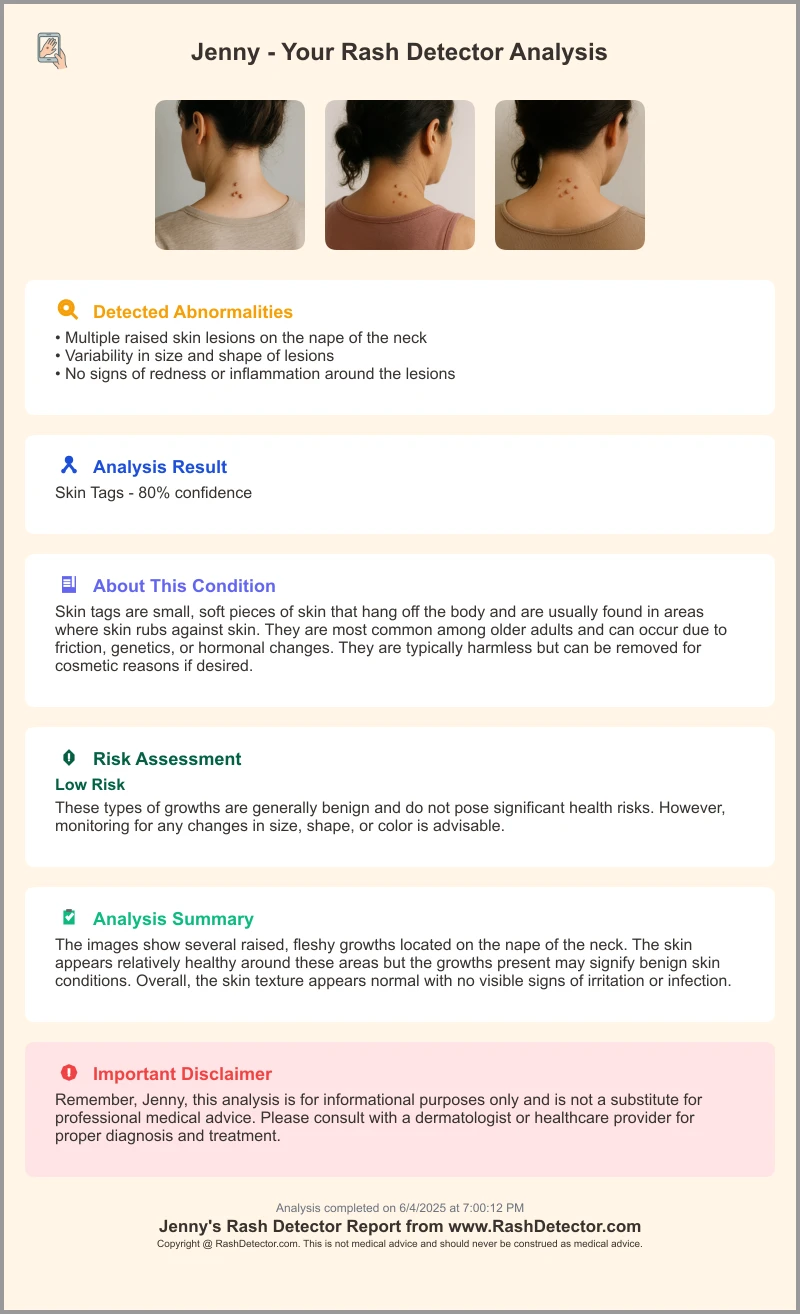
For instant, AI-powered guidance on your skin concerns, consider using Rash Detector. Upload photos of your rash and receive possible causes with next-step advice, helping you make informed decisions about your skin health. This can be a valuable adjunct but does not replace professional diagnosis.
Remember, this article provides educational information only. Always consult a healthcare professional or dermatologist for an accurate diagnosis and individualized treatment plan, especially for severe, spreading, painful, or persistent rashes.
FAQ
Q: What does a rash on a specific body part mean?
A: The meaning depends on the body part and rash characteristics. For example, rashes on the face could be acne, rosacea, or seborrheic dermatitis; on the legs, they might indicate venous eczema or stasis dermatitis. Location helps narrow down causes but diagnosis requires professional evaluation including history, examination, and sometimes tests.
Q: What rash causes itching on hands and feet?
A: Common itchy rashes on hands and feet include dyshidrotic eczema (characterized by small blisters), fungal infections like athlete’s foot, and viral rashes such as hand-foot-mouth disease in children. Proper identification guides treatment.
Q: What rash appears on the face around the mouth or nose?
A: Perioral dermatitis causes small red bumps around the mouth and nose, often triggered by topical steroids or irritants. Seborrheic dermatitis can also affect these areas with flaky, scaly patches. Both require different management approaches.
Q: What causes rashes in skin folds or the groin?
A: Rashes in skin folds often result from moisture, friction, and fungal infections like candidiasis. Intertriginous dermatitis and contact dermatitis are also common causes. Maintaining dryness and hygiene is key to prevention and treatment.
Q: What does a rash on the legs or ankles indicate?
A: Leg rashes may indicate stasis dermatitis due to poor circulation, allergic reactions, or eczema. Chronic swelling, skin discoloration, or open sores warrant medical assessment to prevent complications.
Q: When is a rash serious enough to see a doctor?
A: Seek medical care if a rash spreads rapidly, is painful, blistering, involves mucous membranes, or is accompanied by systemic symptoms such as fever, difficulty breathing, or severe malaise. Early diagnosis is important for effective treatment.