Pregnancy Rash Causes: Essential Insights for Expectant Mothers
Explore pregnancy rash causes, from hormonal changes to serious conditions. Learn how to manage symptoms and know when to seek medical advice.
Estimated reading time: 8 minutes
Key Takeaways
- Pregnancy rashes differ from benign skin changes and often involve itching and new lesions.
- Common triggers include hormonal shifts, allergic reactions, and underlying conditions such as PUPPP or ICP.
- Gentle skincare, avoiding irritants, and lifestyle adjustments may help prevent or reduce symptoms.
- Severe itching or systemic signs require prompt medical evaluation to protect mother and baby.
Table of Contents
- Understanding Pregnancy Rashes
- Common Causes of Rashes During Pregnancy
- How Physiological Changes Lead to Rashes
- Managing and Preventing Rashes
- When to Seek Medical Advice
- Conclusion
Understanding Pregnancy Rashes
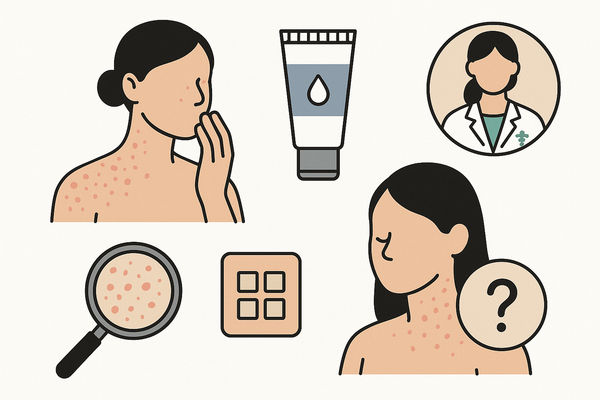
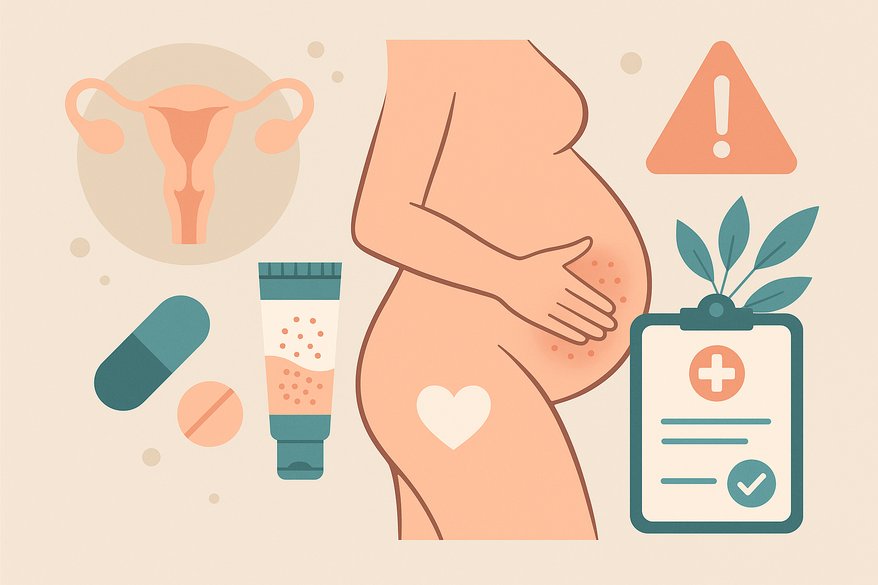
A pregnancy rash describes any new skin eruption—such as red bumps, intense itching, or hive-like patches—that goes beyond normal changes like stretch marks or linea nigra. Clinically, these are known as pregnancy dermatoses.
Key distinctions:
- Benign changes: Hyperpigmentation, linea nigra, or striae gravidarum (stretch marks).
- Pregnancy rashes: New red or raised lesions often accompanied by pruritus (itchiness).
Most dermatoses emerge in the third trimester but can appear at any stage. Early recognition allows better symptom control and helps rule out serious conditions.
Common Causes of Rashes During Pregnancy
Hormonal Changes
Fluctuating estrogen and progesterone levels can:
- Increase skin sensitivity.
- Promote water retention in skin layers.
- Trigger generalized itching.
Allergic Reactions
Immune modulation during pregnancy may provoke contact allergies. Common culprits include:
- Fragranced skincare or makeup.
- Certain fabrics (wool, synthetic blends).
- Laundry detergents with dyes or enzymes.
Underlying Conditions
- Eczema (Atopic Dermatitis): Flare-ups may occur due to immune shifts, and symptoms can sometimes be more severe during pregnancy.
- PUPPP (Pruritic Urticarial Papules and Plaques of Pregnancy): Hive-like patches on stretch marks, usually in the third trimester and more common in first pregnancies or multiple gestations.
- ICP (Intrahepatic Cholestasis of Pregnancy): Intense itching on palms and soles, often without a visible rash. Typically arises late in pregnancy and may require close monitoring of liver function and fetal well-being.
- Other rare dermatoses: Atopic eruption of pregnancy, pemphigoid gestationis (autoimmune blistering disorder), or impetigo herpetiformis (a form of pustular psoriasis).
Other Triggers
- Dietary changes or new prenatal vitamins.
- New medications (such as antibiotics or antacids).
- Heat rash and hives due to increased circulation and body temperature, especially during warmer months or with excessive clothing.
How Physiological Changes Lead to Rashes
Immune System Adjustments
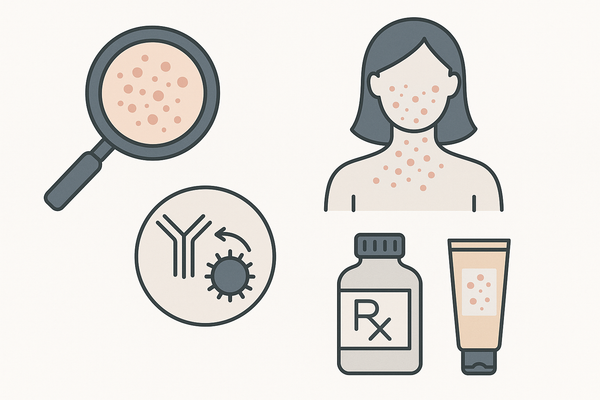
Pregnancy shifts immunity from Th1 (cell-mediated) to Th2 (antibody-mediated) dominance, which:
- May trigger inflammatory skin reactions.
- Can worsen autoimmune or atopic conditions.
Circulatory & Fluid Changes
- Blood volume rises during pregnancy, increasing skin perfusion and sometimes leading to visible changes and increased susceptibility to irritation.
- Fluid retention can stretch the skin, leading to edema and itching. This is especially noticeable in the abdomen, legs, and hands.
Genetic & Environmental Predispositions
- Family history of eczema, psoriasis, or other dermatoses may raise risk for pregnancy-related rashes.
- Environmental factors such as heat, humidity, and allergen exposure can exacerbate symptoms, making prevention more challenging in certain climates.
Managing and Preventing Rashes
Skincare Recommendations
- Use gentle, fragrance-free cleansers and avoid products with alcohol or strong surfactants.
- Moisturize daily with emollients such as those containing ceramides, shea butter, or colloidal oatmeal. For specific product ideas, see Top Fragrance-Free Moisturizer Suggestions.
- Avoid hot showers and harsh soaps that can strip natural oils from the skin.
Minimizing Irritants
- Wear breathable, moisture-wicking fabrics like cotton or bamboo to reduce sweating and friction.
- Switch to hypoallergenic, dye-free detergents and avoid fabric softeners.
- Patch-test any new skincare or cosmetic product on a small area before full use.
Lifestyle Adjustments
- Stay well-hydrated to support the skin barrier and overall health.
- Opt for loose-fitting clothing to reduce friction and allow for better air circulation.
- Practice stress management through prenatal yoga, meditation, or gentle exercise.
- Cool compresses or oatmeal baths may help relieve acute itching and are generally considered safe for most pregnant individuals.
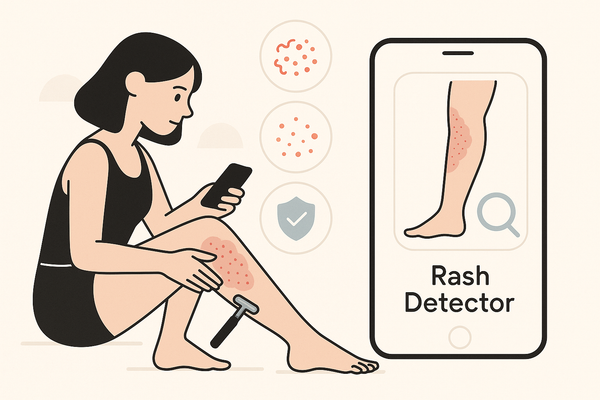
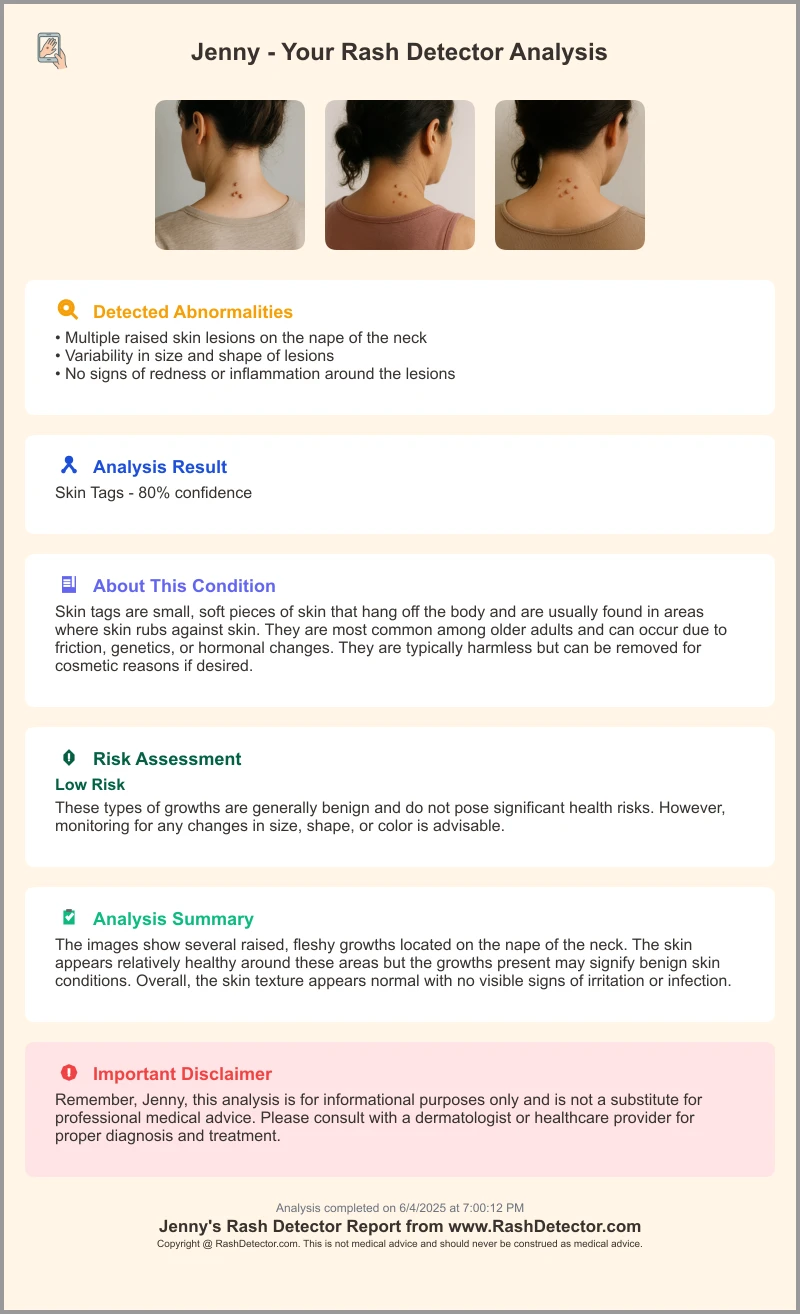
Additionally, for personalized rash insights, Rash Detector uses AI to analyze your rash photos and deliver instant reports. Rash Detector aims to offer improved accuracy, faster results, and enhanced privacy controls to help keep your health data secure.
Medical Interventions
- Over-the-counter: Colloidal oatmeal lotions, calamine lotion, and certain doctor-approved antihistamines (such as loratadine or cetirizine, which are generally considered safe in pregnancy—always check with your healthcare provider).
- Prescription: Low- to mid-potency topical corticosteroids may be prescribed for localized, severe rashes. In some cases, UVB phototherapy may be considered for widespread eczema or psoriasis.
- Severe cases: Conditions like PUPPP or ICP may require specialist referral and systemic treatments, such as ursodeoxycholic acid for ICP or oral corticosteroids for severe inflammatory dermatoses.
When to Seek Medical Advice
Red flag symptoms:
- Persistent or severe itching, especially on palms or soles.
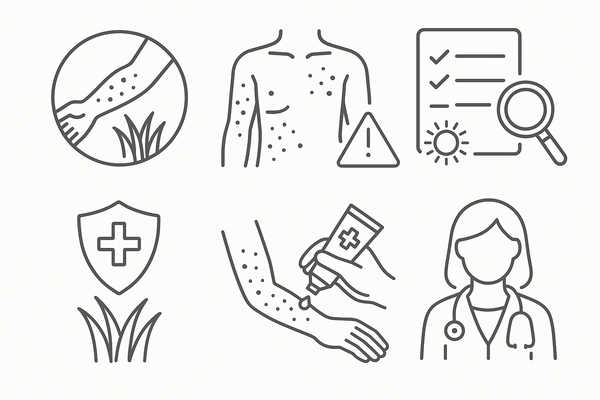
- Rash with blisters, ulcers, or rapidly spreading plaques.
- Systemic signs such as fever, malaise, joint pain, or swelling.
- Jaundice (yellowing of skin or eyes), which can indicate possible ICP or liver involvement.
History to share with your provider:
- Onset, progression, and distribution of the rash.
- Itching intensity, pain, or other associated symptoms.
- Recent changes in products, medications, supplements, or diet.
Early diagnosis and treatment may improve outcomes. See a doctor or dermatologist for diagnosis and treatment, especially for severe, spreading, painful, or persistent symptoms. Contact your OB/GYN or dermatologist if you notice any warning signs.
Conclusion
Pregnancy rash causes range from harmless hormonal shifts to conditions such as PUPPP and ICP. Gentle skincare routines, minimizing irritants, and lifestyle adjustments may help prevent or ease many rashes. However, severe itching—especially on palms and soles—or systemic symptoms warrant prompt medical evaluation. Always consult a healthcare provider for diagnosis and treatment. Share your experiences or questions in the comments below to support fellow expecting mothers.
FAQ
- Can pregnancy rashes harm my baby?Most pregnancy‐related rashes are benign and do not affect fetal health. However, conditions like ICP require medical oversight due to possible increased risks for complications.
- Are there safe over-the-counter treatments?Some over-the-counter products, such as colloidal oatmeal lotions, and certain antihistamines may be considered safe, but always check with your provider before use.
- How can I distinguish normal skin changes from a rash?Normal changes include stretch marks and hyperpigmentation without itching. New, itchy, red, or raised lesions may indicate a rash and could require medical attention.
- When should I see a specialist?If you experience severe itching, systemic symptoms, or signs of ICP like jaundice, consult your OB/GYN or a dermatologist promptly.