Ointment for Rashes: How to Choose and Use the Best Treatment
Find the best ointment for rashes, from hydrocortisone to zinc oxide. Learn how to choose and apply treatments for itchy, red, or irritated skin.

Estimated reading time: 18 min
Key Takeaways
- Choosing the right ointment for rashes depends on rash type, symptoms, and skin sensitivity, with careful consideration of each factor to support safe and effective treatment.
- Hydrocortisone, zinc oxide, calamine, petrolatum, and colloidal oatmeal are common OTC ingredients, each with distinct mechanisms to address inflammation, barrier protection, itching, and moisture retention.
- Barrier creams protect skin by forming shields against irritants and moisture, while anti-itch ointments relieve symptoms by targeting inflammation and itching; knowing when and how to use each type can help with rash management.
- Adult and baby rashes may require different ointments, with sensitive-skin options available that minimize risk of irritation or side effects.
- Proper application techniques and safety precautions, including frequency and duration of use, help maximize effectiveness and reduce potential side effects like skin thinning or infection.
Table of Contents
- Section 1: Understanding Common Ointments for Rashes
- Section 2: Best Ointments by Rash Cause
- Section 3: Barrier Creams vs Anti-Itch Ointments
- Section 4: Choosing Ointments Based on Symptoms
- Section 5: Special Considerations for Adults and Babies
- Section 6: Applying Rash Ointments Correctly and Safely
- Conclusion
- FAQ
Section 1: Understanding Common Ointments for Rashes
Over-the-Counter Ingredient Types
When looking for an ointment for rashes, understanding the active ingredients and their functions is helpful. This knowledge can assist you in selecting an appropriate treatment for your specific rash. Below are five common OTC ingredients widely used in rash ointments, along with their primary roles and examples of typical uses:
- Hydrocortisone: A mild corticosteroid available in 0.5% or 1% concentrations OTC. It may reduce inflammation, redness, and itching by suppressing immune responses in the skin. It is commonly used for allergic rashes, eczema flare-ups, and contact dermatitis.
- Zinc Oxide: A mineral-based skin protectant that forms a physical barrier over irritated skin, helping to prevent moisture and irritants from worsening the rash. It is a classic component in diaper rash creams such as Desitin and is also useful in protecting areas prone to chafing.
- Calamine: A combination of zinc oxide and ferric oxide that provides a cooling, soothing effect. It may help relieve itching by absorbing fluids and drying weeping rashes like poison ivy or insect bites.
- Petrolatum (Petroleum Jelly): An occlusive moisturizer that locks in skin hydration by creating a waterproof barrier. It protects broken skin from external irritants and supports healing by maintaining a moist environment. Brands like Aquaphor and Vaseline use petrolatum extensively.
- Colloidal Oatmeal: Finely ground oats suspended in ointments or bath products, known for anti-inflammatory and skin-soothing properties. It may help alleviate dryness, itching, and irritation associated with eczema, heat rash, and other dry skin conditions.
How These Ingredients Work
Each ingredient targets specific aspects of rash symptoms and may complement each other when combined appropriately:
- Hydrocortisone works by suppressing local immune responses, which can reduce the release of inflammatory mediators like histamines and cytokines. This action may decrease redness, swelling, and itching. It typically begins to show relief within hours but should be used cautiously to avoid skin thinning or other side effects.
- Zinc oxide and petrolatum act as physical barriers that shield the skin from irritants such as urine, feces, sweat, or friction. Zinc oxide also has mild antiseptic properties, which may help prevent secondary infections. These barriers help the skin heal by preventing further damage and moisture loss.
- Calamine absorbs excess fluids from oozing rashes and provides a mild astringent effect, which helps dry the skin. Its cooling sensation also may distract from the itch, offering symptomatic relief.
- Colloidal oatmeal contains polysaccharides and avenanthramides that have anti-inflammatory and antioxidant effects. It may enhance skin barrier function, reduce itching by calming nerve endings, and moisturize the skin to prevent cracking and irritation.
When to Choose OTC Ointments
OTC ointments are generally appropriate for mild to moderate rashes that do not show signs of infection, such as pus, significant swelling, or fever. Examples include mild eczema, diaper rash, heat rash, insect bites, and minor allergic reactions. They may offer symptomatic relief and support healing when used correctly. However, if a rash persists beyond 7 to 10 days, worsens, spreads, or is accompanied by systemic symptoms like fever or severe pain, it is important to seek evaluation by a healthcare provider. Prescription treatments may be necessary in such cases, including stronger corticosteroids, antibiotics, or antifungals.
Section 2: Best Ointments by Rash Cause
Diaper Rash
Diaper rash, also known as irritant diaper dermatitis, is a common condition in infants and adults who wear diapers due to prolonged exposure to moisture, friction, and irritants like urine and feces. The skin becomes red, inflamed, and sometimes painful.
The most effective ointments for diaper rash typically contain zinc oxide or petrolatum, which create a thick, protective barrier that seals out moisture and irritants. Zinc oxide products such as Desitin, Boudreaux's Butt Paste, and Triple Paste not only protect but also have mild antiseptic properties. Petrolatum-based ointments like Aquaphor and Vaseline are often used to maintain skin moisture and support healing.
In cases of mild to moderate diaper rash, applying a thick layer of zinc oxide or petrolatum ointment at every diaper change is commonly recommended. For severe or persistent diaper rash, especially if there are signs of inflammation beyond irritation (such as swelling, blistering, or pain), a mild hydrocortisone cream (0.5% or 1%) may be used sparingly and only under medical supervision to reduce inflammation.
Heat Rash
Heat rash, or miliaria, occurs when sweat ducts become blocked, trapping sweat beneath the skin and causing small red bumps, itching, and sometimes a prickly sensation. It commonly develops in hot, humid environments and areas where skin rubs together.
Treatment centers on cooling the skin and reducing irritation. Calamine lotion provides a soothing, cooling effect and may help reduce itching. Regular baths with colloidal oatmeal can calm inflammation and hydrate skin without causing further irritation. Lightweight barrier creams containing zinc oxide or petrolatum may be applied to protect irritated areas but should be non-comedogenic to avoid clogging pores.
Avoid heavy ointments that trap heat. Additionally, keeping the affected areas dry and wearing loose, breathable clothing helps prevent worsening.
Chafing
Chafing results from repetitive friction, typically in areas like inner thighs, underarms, or nipples, leading to redness, irritation, and sometimes rawness. It often occurs during physical activities like running or cycling.
Ointments that reduce friction and lock in moisture may be effective for both prevention and treatment. Petrolatum (petroleum jelly) and zinc oxide ointments provide a smooth surface that minimizes rubbing. Applying a thin, even layer before activity can help reduce irritation. Products such as Vaseline, Body Glide, or diaper rash creams containing zinc oxide are commonly used.
For existing chafed skin, gentle cleansing and regular ointment application may help the skin heal. Avoid further abrasive activity until the skin recovers.
Eczema
Eczema, or atopic dermatitis, is a chronic inflammatory skin condition characterized by dry, itchy patches that can become red, cracked, and sometimes weepy. It results from a compromised skin barrier and immune dysregulation.
Management includes reducing inflammation and restoring the skin barrier. Mild hydrocortisone ointments (0.5% or 1%) are often used for flare-ups to reduce redness and itchiness. However, they should be used for limited durations to prevent adverse effects.
Daily moisturizing with ointments containing colloidal oatmeal and petrolatum supports barrier repair and hydration. Products like Aveeno eczema therapy or Aquaphor Healing Ointment are frequently recommended.
Avoid triggers such as harsh soaps, fragrances, and allergens. Bathing routines should incorporate gentle cleansers and immediate application of moisturizers while skin is still damp.
Contact Dermatitis and Insect Bites
Contact dermatitis is an allergic or irritant reaction caused by exposure to substances such as poison ivy, soaps, or chemicals. Insect bites often trigger localized allergic responses, leading to itching, redness, and swelling.
For mild to moderate cases, hydrocortisone ointments may reduce inflammation and itchiness effectively. Calamine lotion is also helpful to soothe itching and dry out any oozing lesions from scratching.
It is important to avoid scratching to prevent infection. If swelling or pain increases, or if there are signs of infection (pus, warmth, spreading redness), medical evaluation is necessary.
Section 3: Barrier Creams vs Anti-Itch Ointments
What Are Barrier Creams?
Barrier creams are topical formulations designed to create a protective physical layer on the skin’s surface. They shield the skin from irritants such as moisture, chemicals, and friction that can exacerbate or cause rashes. Key ingredients include zinc oxide, which forms a thick, opaque shield, and petrolatum, which provides an occlusive, waterproof layer.
Barrier creams are especially useful for preventing diaper rash, chafing, and other irritant-induced dermatoses. They can be applied proactively in high-risk areas to reduce irritation or as part of a healing regimen to protect compromised skin. Their protective nature also helps reduce moisture loss, which is important for damaged or sensitive skin.
What Are Anti-Itch Ointments?
Anti-itch ointments primarily target the symptoms of itching and inflammation, which are common to many rashes. Ingredients like hydrocortisone work by modulating the immune system’s inflammatory response, reducing swelling, redness, and the urge to scratch. Calamine lotion also provides anti-itch benefits by cooling the skin and drying oozing areas.
These ointments are particularly valuable in allergic, inflammatory, or immune-mediated rashes such as eczema, contact dermatitis, or insect bites. They address the underlying causes of itch rather than just protecting the skin.
When to Use Each
- Use barrier creams: When the goal is to protect vulnerable skin from moisture, friction, or irritants, such as in diaper rash prevention, chafing, or minor skin breakdown. They are appropriate for both intact and mildly irritated skin.
- Use anti-itch ointments: When itching and inflammation are prominent symptoms, such as in eczema flare-ups, allergic contact dermatitis, or insect bites, and there is a need to calm the immune response and reduce discomfort.
- Combination use: Sometimes, combining barrier creams with anti-itch ointments provides comprehensive relief by both protecting the skin and reducing inflammation. However, prolonged or excessive use of corticosteroids should be avoided without medical supervision to prevent adverse effects like skin thinning or systemic absorption.
Section 4: Choosing Ointments Based on Symptoms
Itchy and Red Skin
Itchy, red skin often signals inflammation due to allergic or irritant reactions. For these symptoms, hydrocortisone ointment is often used as a first-line OTC treatment. It may reduce the immune response, helping to decrease swelling, redness, and itchiness within hours to days. For example, a 1% hydrocortisone cream applied twice daily can improve mild eczema or contact dermatitis symptoms within several days in many cases.
In cases of milder itchiness without significant redness or swelling, calamine lotion can provide a cooling sensation and mild drying effect that relieves discomfort without the risks associated with steroids.
Weepy or Oozing Rashes
Rashes that weep or ooze clear or yellowish fluid indicate skin barrier disruption and possible inflammation. These can be seen in severe eczema, allergic reactions, or secondarily infected rashes.
For these, it's important to use gentle, protective ointments that promote healing and prevent further irritation. Zinc oxide and petrolatum barrier creams are preferred as they protect the skin from moisture and irritants while maintaining a healing environment. Avoid applying hydrocortisone ointments on open wounds or broken skin unless prescribed by a healthcare provider, as steroids can delay healing and increase infection risk.
Dry and Irritated Skin
Dry, flaky, or cracked rashes often result from impaired skin barrier function. In these cases, moisturizing ointments with colloidal oatmeal or petrolatum can replenish skin hydration and soothe irritation. Colloidal oatmeal products such as Aveeno's Soothing Bath Treatment or ointments containing colloidal oatmeal applied regularly may reduce dryness and itching over time.
Regular moisturizing is important to rebuild the skin’s protective barrier and prevent recurrent flare-ups. Avoid harsh soaps and hot water, which can exacerbate dryness.
Section 5: Special Considerations for Adults and Babies
Ointments for Baby Rash
Babies’ skin is thinner, more permeable, and more sensitive than adult skin. Therefore, ointments for baby rashes need to be gentle, non-irritating, and safe for frequent use. Zinc oxide and petrolatum based ointments are widely recommended for diaper rash due to their barrier properties and low risk of side effects.
Hydrocortisone use in infants should be limited and only under pediatrician supervision, as overuse can cause skin thinning, increased absorption, and systemic side effects. It is generally advised to avoid steroids on babies unless necessary and prescribed.
Additionally, fragrance-free, hypoallergenic, and dye-free formulations are preferred to minimize irritation. Parents may consider performing patch tests by applying a small amount of ointment on a limited skin area to observe for adverse reactions before widespread use.
Adult Rash Ointments
Adults have a broader selection of ointments available, including mild corticosteroids like hydrocortisone for inflammatory rashes. However, adults with sensitive or allergy-prone skin may benefit from fragrance-free and hypoallergenic products to reduce the risk of irritation or allergic contact dermatitis.
Patch testing new products on a small area is advisable, especially if you have a history of skin sensitivities. For chronic conditions like eczema or psoriasis, prescription-strength ointments may be necessary, and it is important to consult a dermatologist for tailored treatment plans.
Sensitive Skin Options
For both adults and babies with sensitive skin, products that avoid dyes, fragrances, parabens, and harsh preservatives are preferred. Ingredients like colloidal oatmeal are beneficial due to their gentle anti-inflammatory properties and ability to soothe irritation without triggering allergic reactions.
Natural oils such as coconut oil or sunflower oil (formulated for topical use) may also be included in some ointments to provide moisturizing effects and enhance barrier repair, though care should be taken to avoid products that may clog pores or cause allergies.
Section 6: Applying Rash Ointments Correctly and Safely
Proper Application Steps
- Clean the affected skin gently: Use lukewarm water and a mild, fragrance-free soap or cleanser. Avoid scrubbing, which can worsen irritation. Pat the area dry with a soft towel rather than rubbing.
- Apply a thin, even layer: Use clean fingers or a cotton swab to spread the ointment evenly over the rash and a small margin of surrounding healthy skin to ensure full coverage.
- Avoid vigorous rubbing: Gently smooth the ointment to allow it to absorb naturally. Excessive rubbing can damage sensitive skin or worsen inflammation.
- Wash hands before and after application: This step helps prevent contamination of the ointment and reduces the risk of spreading infectious agents or irritants to other skin areas.
How Often to Reapply
Frequency of ointment application varies by product and rash severity, but most OTC ointments recommend 1 to 3 times daily. For example, hydrocortisone ointment is typically applied twice daily for up to 7 days. Overuse beyond this period can cause skin thinning, especially on delicate areas like the face, groin, or underarms.
Barrier creams can be reapplied more frequently, especially after washing or diaper changes, to maintain continuous protection. Always read and follow specific product instructions and consult a healthcare provider if unsure.
Safety Warnings
- Do not use steroid ointments on infected, broken, or open skin unless advised by a healthcare provider, as this may worsen infection or delay healing.
- Avoid prolonged or excessive use of hydrocortisone, particularly on thin or sensitive skin areas like the face, genitals, and skin folds, to reduce the risk of side effects such as skin atrophy, stretch marks, or systemic absorption.
- If the rash worsens, spreads, or is accompanied by symptoms such as severe pain, swelling, fever, oozing pus, or blistering, seek prompt medical attention.
- Carefully read all ingredient labels to avoid allergens or irritants, especially if you have a history of contact allergies.
- When using multiple topical products, separate application times and consult a healthcare provider to avoid interactions or reduced effectiveness.
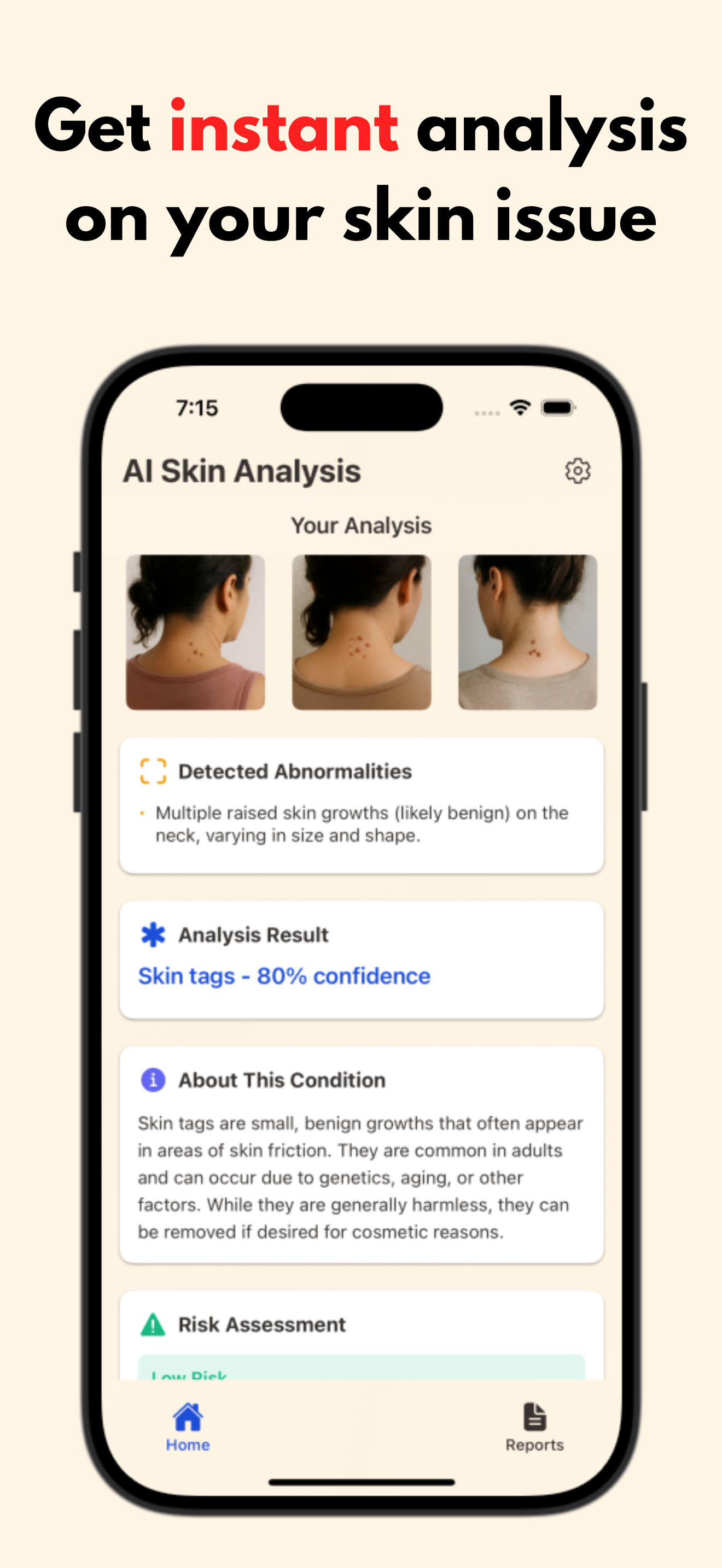
Technology can assist in faster and more accurate rash identification, guiding appropriate treatment choices. The Rash Detector app allows users to upload images of their rash and receive AI-powered analysis suggesting possible causes and relevant treatment options. This tool may help reduce uncertainty, save time, and support better treatment outcomes by recommending suitable ointments for your specific rash condition.
Conclusion
Choosing the right ointment for rashes involves assessing the rash type, symptoms, and individual skin sensitivity. Over-the-counter products featuring hydrocortisone, zinc oxide, calamine, petrolatum, and colloidal oatmeal can provide relief for many common rashes by addressing inflammation, barrier protection, itching, and hydration.
Distinguishing between barrier creams and anti-itch ointments allows targeted treatment that maximizes benefits and minimizes risks. Special considerations are necessary when treating babies or individuals with sensitive skin to avoid adverse effects. Correct application techniques and adherence to safety guidelines further support healing and reduce complications.
For persistent, severe, or spreading rashes, consultation with a healthcare provider is essential for accurate diagnosis and potential prescription treatments.
Additionally, leveraging modern tools like the Rash Detector app can provide fast, reliable guidance to help you select the most appropriate ointment quickly and confidently.
FAQ
Q: What is the best ointment for a rash?
A: The best ointment depends on the rash's cause, symptoms, and skin type. For itchy, inflamed rashes, hydrocortisone ointment may help reduce inflammation and itch. Zinc oxide and petrolatum are ideal for barrier protection, especially in diaper rash or chafing. Calamine lotion soothes itching and helps dry oozing rashes. Colloidal oatmeal relieves dry, irritated skin. If a rash is persistent, severe, or worsening, seeing a doctor is important for proper diagnosis and treatment.
Q: Can I use hydrocortisone on a rash?
A: Yes, hydrocortisone ointments are commonly used to reduce inflammation and itching in many types of rashes, including eczema, contact dermatitis, and insect bites. However, they should be used as directed—typically not more than 7 days—and avoided on infected or broken skin unless prescribed by a healthcare provider. Overuse or prolonged use can lead to skin thinning and other side effects.
Q: What ointment is best for diaper rash in adults or babies?
A: Ointments containing zinc oxide or petrolatum are commonly recommended for diaper rash in both adults and babies. These ingredients create a protective barrier that shields irritated skin from moisture and friction, allowing healing. In babies, formulations should be fragrance-free and gentle. Hydrocortisone should only be used under medical supervision.
Q: Is zinc oxide or calamine better for rash?
A: Zinc oxide is generally better as a barrier cream to protect skin and support healing, particularly in diaper rash or chafing. Calamine is often used for soothing itching and drying oozing rashes like poison ivy or insect bites. Depending on symptoms, both may be used in combination for relief.
Q: What can I put on a heat rash or chafing rash?
A: For heat rash, calamine lotion and colloidal oatmeal baths may help soothe itching and calm inflammation. For chafing, barrier ointments containing petrolatum or zinc oxide protect the skin and reduce friction. Keeping the affected area dry, cool, and wearing loose clothing are important preventive measures.
Q: When should I see a doctor for a rash instead of using ointment?
A: You should consult a doctor if the rash is severe, spreading rapidly, painful, accompanied by fever or systemic symptoms, oozing pus, or not improving after a week of treatment. Also seek care if you suspect an allergic reaction, infection, or if the rash affects sensitive areas like eyes or genitals. Professional diagnosis ensures appropriate treatment and helps prevent complications.