Natural Ways to Soothe Eczema Rash: 11 Gentle Home Remedies
Discover natural ways to soothe eczema rash fast. Learn home remedies, what to avoid, anti-itch tips, and when to see a doctor. Try Rash Detector for instant help.

Estimated reading time: 9 min
Key Takeaways
- Natural ways to soothe eczema rash may include moisturizers, cool compresses, and gentle baths.
- Avoid harsh soaps, fragrances, and scratching to help prevent worsening symptoms.
- Wet wrap therapy and certain natural oils may provide relief for itchy, inflamed skin for some people.
- Try an AI-powered tool like Rash Detector for instant analysis of your rash at home.
- See a doctor if your rash is severe, spreading, painful, or not improving after home care.
If you or your child is struggling with dry, itchy, or inflamed skin, you’re probably searching for natural ways to soothe eczema rash. Eczema (atopic dermatitis) can flare up quickly, leaving skin red, sore, and hard to ignore. While prescription treatments are sometimes needed, many people find relief with gentle, home-based remedies. In this guide, you’ll learn how to treat a rash at home using commonly recommended, natural strategies — and when it’s time to seek professional care. Try the AI-powered Rash Detector app for instant guidance if you’re unsure what type of rash you have or how to manage it.
1. Moisturize Frequently with Thick, Fragrance-Free Creams
Dry skin is a common trigger for eczema problems. One of the most important steps is to lock in moisture with a thick, emollient-rich moisturizer. Go for fragrance-free creams or ointments over lotions, which have more water and can evaporate quickly. Petroleum jelly, mineral oil, or products with ceramides are often recommended.
Apply moisturizer:
- Immediately after bathing (within 3 minutes, while skin is still damp)
- At least twice daily, and more often during flares or dry weather
- To all affected areas, not just visible rashes
Consistent moisturizing helps reinforce the skin barrier and may reduce itch and inflammation over time.
2. Cool Compresses and Wet Cloths for Itch Relief
When a rash itches or burns, a cool, wet compress may offer relief. Soak a clean washcloth in cold water, wring it out, and place it on the rash for 5–10 minutes. This can help calm inflammation and numb itch, and can be repeated as needed throughout the day.
- For extra relief, apply moisturizer after removing the compress.
- Never use ice directly on the skin, which can damage sensitive eczema patches.
This simple home remedy is generally considered safe for kids and adults — and can help reduce scratching, which may worsen eczema and increase infection risk.
3. Lukewarm Baths and Oatmeal Soaks
Bathing can soothe eczema, but only if done gently. Skip hot water, which strips oils from the skin. Instead, opt for a lukewarm bath (not more than 10–15 minutes). Adding colloidal oatmeal (finely ground oats found in most drugstores) may help reduce itching and calm redness for some people.
- After the bath, gently pat the skin dry (don’t rub!) and apply moisturizer right away.
- Avoid bubble baths and fragranced bath products.
Oatmeal baths are a commonly recommended home remedy for eczema, especially for kids.
4. Wet Wrap Therapy for Severe Flares
Wet wrap therapy may provide relief during severe eczema flares. Here’s how it can be done at home:
- Soak clean cotton garments or gauze in lukewarm water and wring them out.
- Apply a generous layer of moisturizer or prescribed cream to the rash.
- Wrap the damp cloths over the affected skin and cover with a dry layer (like pajamas or gloves).
- Leave on for 2–6 hours or overnight.
This method hydrates skin and may help with absorption of topical treatments, potentially helping to break the itch-scratch cycle. Consult your healthcare provider before starting wet wrap therapy, especially for children.
5. Avoid Triggers: Harsh Soaps, Fragrances, and Rough Fabrics
Avoiding flare triggers is important in managing eczema. Common irritants for eczema-prone skin include:
- Soaps or cleansers with fragrance, alcohol, or sulfates
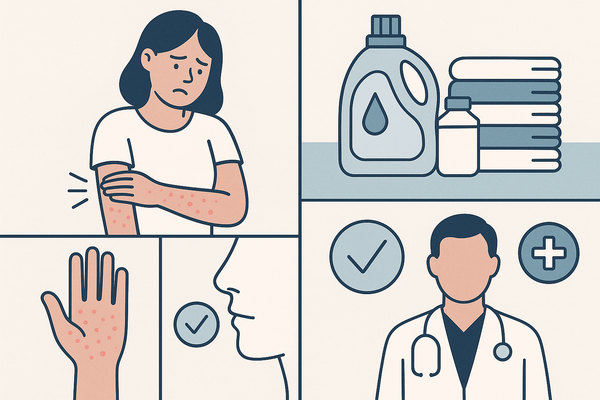
- Laundry detergents with dyes or scents
- Scratchy wool, synthetics, and rough clothing
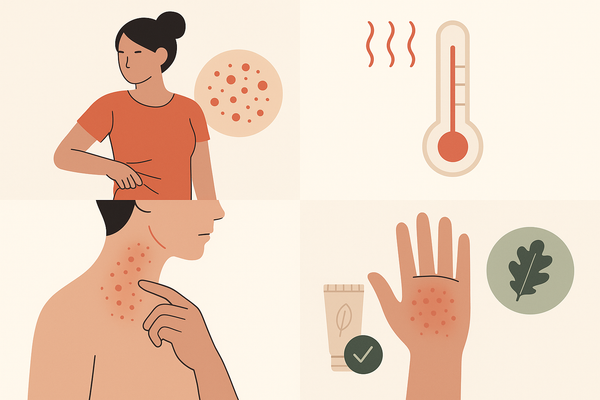
- Hot environments and sweating
Switch to gentle, fragrance-free products. Dress in soft cotton layers and keep skin cool. This preventative step may help reduce how often eczema flares up.
6. Natural Bath Additives: Vinegar and Bleach Baths
For stubborn eczema, certain bath additives are sometimes used to help restore the skin’s natural balance. Consider:
- Apple cider vinegar: Add 1/4 cup to a full tub of water. This may help balance skin pH and reduce bacteria, but avoid use on open or cracked skin.
- Bleach bath (for doctor-approved cases): Use 1/4 to 1/2 cup of regular bleach in a full bathtub (about 40 gallons). Soak 5–10 minutes, rinse off, and moisturize.
Always talk to your doctor before starting a bleach bath, especially for children or if you have asthma.
7. Skin-Protective Habits: Trimmed Nails, Gloves, and Bandaging
Scratching can worsen eczema and increase infection risk. To help prevent this:
- Keep nails short and smooth
- Wear soft cotton gloves at night
- Cover open or raw patches with a bandage
For children, consider distraction techniques or hand coverings to reduce scratching during sleep. Reducing trauma to the skin may help rashes heal and reduce scarring risk.
8. Home-Friendly Natural Oils and Topicals
Certain natural oils may help restore moisture and reduce eczema flare-ups for some people:
- Coconut oil: Has gentle, natural anti-bacterial properties and may be soothing for mild eczema when applied to the skin.
- Sunflower oil: Supports the skin barrier without clogging pores.
- Aloe vera gel: May cool and calm itchy, inflamed patches.
- Petroleum jelly: Seals in moisture and protects raw skin.
Always patch-test new products first, especially on sensitive skin. If irritation increases, stop immediately.
9. Humidifiers and Moisture-Sealing Habits
Dry indoor air, especially in winter, can make eczema worse. Using a humidifier in your bedroom or main living space may help keep skin hydrated. Aim for indoor humidity levels between 40–50% if possible.
After bathing or handwashing, always apply moisturizer while skin is still damp to help trap in hydration. This habit may make a difference in how long a rash lasts — and how often it comes back.
10. Over-the-Counter Anti-Itch Creams: Hydrocortisone vs. Antihistamine
While not strictly "natural," over-the-counter options can sometimes complement home remedies for a rash. 1% hydrocortisone cream is a mild steroid sometimes recommended for short-term itch relief. Apply it in a thin layer no more than twice daily for up to one week, unless otherwise directed.
Oral antihistamines (like diphenhydramine) may help with nighttime itching but are not always effective for eczema’s surface itch. For more on safe, effective choices, see our guide: Best Anti Itch Cream: Top Picks and How to Choose.
Never use prescription-strength steroids or medicated creams without your doctor’s advice.
11. Know When to See a Doctor for a Rash
Sometimes, home remedies for a rash aren’t enough. Seek medical advice if you notice:
- Severe, spreading, or painful rash
- Signs of infection (oozing, yellow crust, fever)
- Rash not improving after one week of home care
- Blistering, swelling, or raw open skin
An AI-powered app like Rash Detector can help you identify warning signs and decide on next steps, but only a dermatologist or healthcare professional can diagnose or prescribe treatment. For more about when to seek professional help, check our detailed guide: Skin Rash Treatment: Effective Solutions and Smart Tools.
Conclusion
Natural ways to soothe eczema rash focus on restoring moisture, calming inflammation, and protecting sensitive skin from further irritation. From oatmeal baths to coconut oil and wet wraps, these gentle home remedies may bring relief for mild eczema. However, never ignore severe, spreading, or persistent rashes — see a doctor or dermatologist for diagnosis and care. If you’re unsure what’s causing your skin issue, or want instant guidance, try uploading photos to Rash Detector for a fast, private analysis from the comfort of home.
FAQ
Q: What natural remedies help soothe eczema rash fast?
A: The fastest natural relief often comes from applying a thick, fragrance-free moisturizer, using cool compresses, and taking an oatmeal bath. Wet wrap therapy and natural oils like coconut oil or sunflower oil may also help calm an itchy rash. Always avoid scratching and harsh products.
Q: Does oatmeal bath help eczema itching and rash?
A: Colloidal oatmeal baths are a commonly recommended home remedy for eczema. They may ease itching and reduce inflammation, and are generally considered safe for children and adults. Add the oatmeal to a lukewarm bath, soak for 10–15 minutes, then moisturize right after.
Q: Is coconut oil good for eczema?
A: Coconut oil is generally considered safe for mild eczema and may help moisturize and protect the skin barrier for some people. It also has gentle anti-bacterial properties. Apply a thin layer to damp skin up to twice daily, but stop if irritation develops.
Q: Can apple cider vinegar help eczema flare-ups?
A: Diluted apple cider vinegar baths may help restore skin pH and reduce bacteria for some people, but they aren’t for everyone. Use only a small amount in a full tub, and don’t use on open or cracked skin. Ask your doctor before trying this remedy, especially for children.
Q: What should I put on eczema overnight to stop itching?
A: Apply a thick moisturizer or ointment, then cover with cotton gloves or pajamas. Wet wrap therapy overnight may provide extra relief. For severe itch, a short course of 1% hydrocortisone cream may help, but consult your doctor if the rash persists.
Q: When should I stop home treatment and see a doctor for eczema?
A: See a doctor if your rash is severe, spreading, oozing, or not improving after a week of home care. Seek immediate help for fever, pain, large blisters, or signs of infection. Only a healthcare professional can diagnose and recommend prescription treatment for eczema.