How to Minimize Rash Aftereffects: Expert Tips
Learn expert tips for minimizing rash aftereffects with targeted care strategies, natural solutions, and lifestyle adjustments for healthier, resilient skin.

Estimated reading time: 7 minutes
Key Takeaways
- Understand common aftereffects—discoloration, scarring, and lingering irritation.
- Implement an anti-inflammatory diet and gentle skincare at the first sign.
- Use targeted topicals with key actives like ceramides, colloidal oatmeal, and mild steroids.
- Complement medical treatments with home remedies such as aloe vera and coconut oil.
- Seek professional care for persistent, spreading, or infected rashes.
- Maintain long-term skin resilience through trigger avoidance, hydration, and sun protection.
Table of Contents
- Understanding Rash Aftereffects
- Prevention Strategies for Minimizing Rash Aftereffects
- Anti-Inflammatory Diet & Lifestyle Changes
- Early Treatment & Proper Skincare
- Healing Products & Key Ingredients
- Home Remedies & Natural Solutions to Alleviate Aftereffects
- Professional & Medical Guidance on Minimizing Rash Aftereffects
- Lifestyle Adjustments & Long-Term Skin Care
- Conclusion
Understanding Rash Aftereffects
After a rash clears, the skin may still show signs of damage. These residual issues—collectively called aftereffects—can linger for weeks or months if untreated. Knowing these common problems and what makes them worse is the first step toward minimizing rash aftereffects.
- Discoloration: dark (hyperpigmentation) or light (hypopigmentation) patches left on healed skin
- Scarring: raised (hypertrophic) or indented (atrophic) marks from deeper inflammation
- Ongoing irritation: lingering dryness, itching, or redness that signals barrier disruption
Factors That Prolong Aftereffects
- Delayed or inadequate treatment after rash onset
- Persistent scratching or picking, which deepens skin damage
- Repeated exposure to the same irritants or allergens
- Secondary infections entering broken skin
- Underlying conditions like eczema or weakened immunity
Prevention Strategies for Minimizing Rash Aftereffects
Anti-Inflammatory Diet & Lifestyle Changes
Nutrition plays a central role in controlling inflammation that can worsen aftereffects. An anti-inflammatory diet supports skin barrier repair and calms immune overreactions.
- Include fatty fish (salmon, mackerel) rich in omega-3s to reduce inflammatory cytokines
- Eat leafy greens (spinach, kale) high in antioxidants and vitamin K for repair
- Add berries (blueberries, strawberries) packed with flavonoids to protect cells
- Limit processed foods, refined sugars, and excessive dairy that fuel inflammation
- Stay active with regular, moderate exercise to boost circulation and healing
Early Treatment & Proper Skincare
Addressing a rash at first sign and following a gentle skincare routine reduces barrier damage and cuts down on aftereffects.
- Cleanse gently: wash the rash area with mild, fragrance-free soap and cool water right after noticing irritation.
- Moisturize promptly: apply a gentle, fragrance-free emollient within three minutes of bathing to lock in hydration and seal the skin barrier.
- No scratching or picking: keep nails trimmed short and clean to prevent tears that lead to scarring and pigmentation changes.
- Use barrier creams: choose products with ceramides to rebuild the lipid matrix in the skin (see fragrance-free moisturizer suggestions).
Healing Products & Key Ingredients
Topical treatments can accelerate skin recovery and reduce residual marks. Choosing the right active ingredients matters for safe, effective relief.
- Topical Steroid Options
• OTC hydrocortisone 1%: mild cases, apply thin layer twice daily for up to two weeks
• Prescription corticosteroids (e.g., clobetasol): for severe inflammation under doctor supervision - Soothing Over-the-Counter Products
• Colloidal oatmeal lotions: form a protective film, soothe itching, and reduce redness
• Ceramide-rich barrier creams: restore lipids and prevent transepidermal water loss
• Fragrance-free moisturizers: minimize risk of new irritation - Application Tips
• Clean and dry skin before application
• Apply a thin layer and massage using gentle, cushioning motions
• Allow full absorption before covering or dressing the area
For quick itch relief, see our Best Anti-Itch Cream: Top OTC Solutions for Instant Relief.
Home Remedies & Natural Solutions to Alleviate Aftereffects
Natural soothers can complement medical treatments and offer gentle relief without harsh chemicals. Always patch-test and monitor for sensitivity.
- Aloe vera gel: fresh or pure-extracted gel calms irritation, reduces redness, and supports collagen synthesis
- Colloidal oatmeal baths: soak 10–15 minutes in lukewarm water to ease itching and restore moisture (oatmeal bath for rash)
- Virgin coconut oil: gentle massage hydrates skin and reduces pro-inflammatory cytokines
Professional & Medical Guidance on Minimizing Rash Aftereffects
Knowing when to seek expert help ensures persistent or severe rashes don’t leave lasting damage.
- Rash persists more than two weeks or spreads rapidly
- Signs of infection: fever, pus, increased warmth or redness
- OTC measures fail to relieve itching or irritation
Medical interventions may include prescription corticosteroids, oral antihistamines, immunosuppressants, or patch testing to identify allergens and prevent repeat episodes.
Lifestyle Adjustments & Long-Term Skin Care
Beyond immediate treatment, sustainable habits build skin resilience and reduce future risks.
- Avoiding Triggers: read ingredient labels; choose hypoallergenic, fragrance-free products
- Daily Skin Maintenance: cleanse gently twice daily, apply moisturizer immediately after washing, reapply every 4–6 hours on dry areas, and use broad-spectrum SPF 30+ sunscreen on healed sites
- Building Resilience: hydrate (eight glasses of water per day), include vitamin C-rich fruits and zinc-containing foods, and resume exercise gradually to restore circulation without stressing healing skin
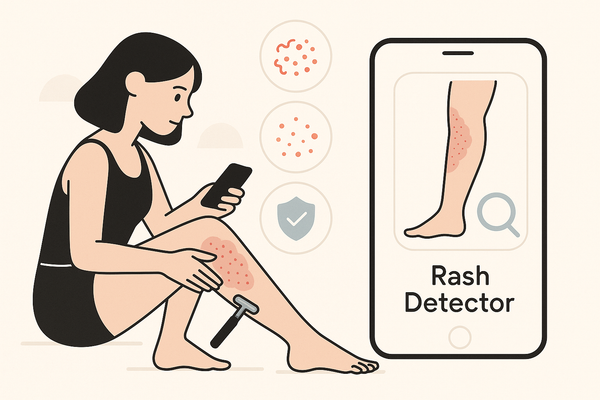
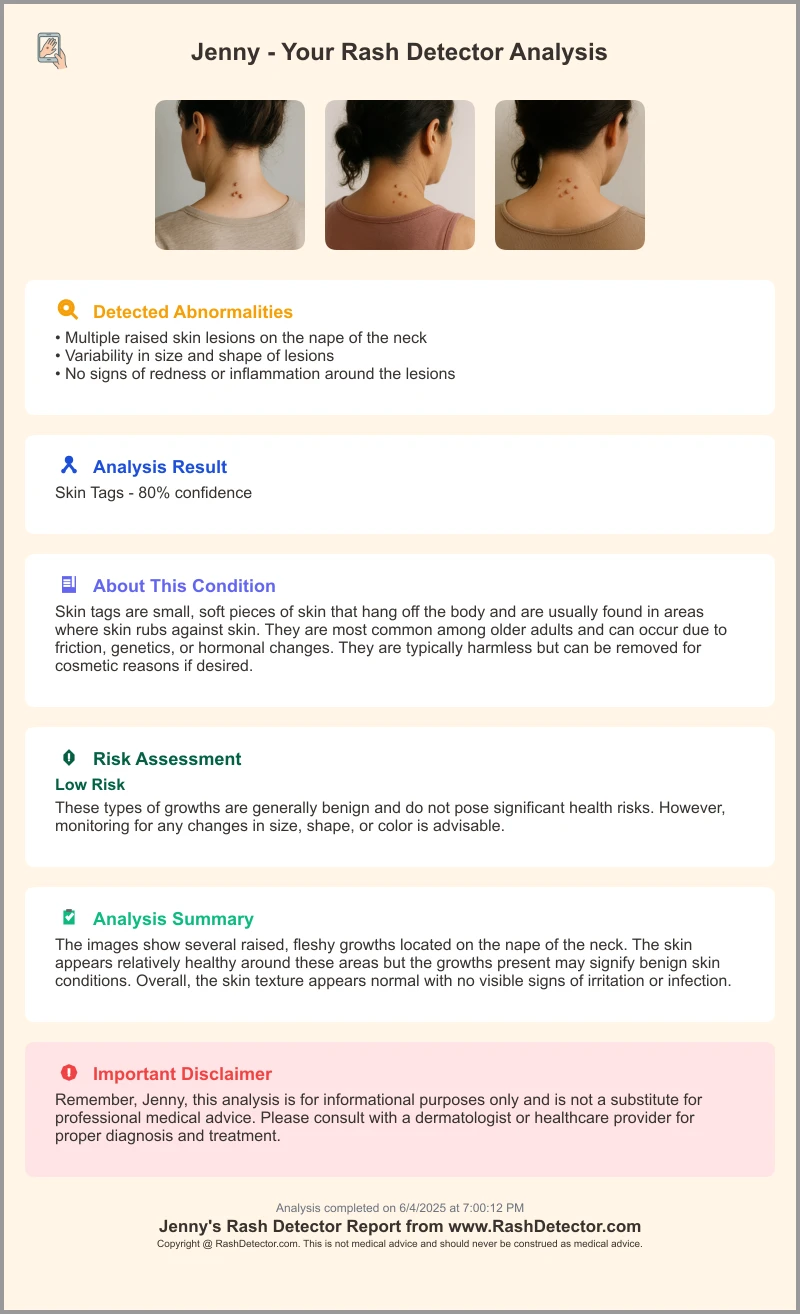
You can also use AI-powered tools like Rash Detector to get an instant analysis by uploading photos of your rash or skin issue.
Conclusion
Minimizing rash aftereffects demands early action, gentle yet targeted care, and professional support when needed. To recap:
• Identify and avoid triggers—keep a diary and read labels.
• Treat rashes promptly with mild cleansers, fragrance-free moisturizers, and, if required, topical steroids.
• Employ natural soothers—aloe vera, oatmeal, coconut oil—with proper patch-testing.
• Seek a dermatologist for persistent, spreading, or infected rashes; consider prescription treatments and patch testing.
• Commit to a daily skin maintenance routine, hydration, sun protection, and supportive nutrition.
By combining these actionable steps and leaning on expert guidance, you can effectively minimize rash aftereffects, restore skin health, and enjoy lasting comfort and clarity. Bookmark these tips and share them with anyone seeking strategies for minimizing rash aftereffects and preserving beautiful, resilient skin.
FAQ
-
Q: When should I start skincare after a rash?
A: Begin gentle care at the first sign of irritation—cleanse with mild soap, pat dry, and apply a fragrance-free moisturizer within three minutes to seal hydration and protect the barrier.
-
Q: How can I reduce discoloration and pigmentation changes?
A: Use targeted products containing ceramides, vitamin K, and antioxidants; incorporate broad-spectrum SPF 30+ daily; and avoid picking or scratching to prevent further damage.
-
Q: Are natural remedies effective for rash aftereffects?
A: Yes—aloe vera, colloidal oatmeal, and virgin coconut oil can soothe, hydrate, and support repair. Always perform a patch-test and discontinue if irritation occurs.
-
Q: When should I see a dermatologist?
A: Seek professional advice if the rash persists beyond two weeks, spreads rapidly, shows signs of infection (fever, pus, increased redness), or fails to improve with OTC treatments.