Effective Medication Rash Treatment and Management Guide
Learn how to effectively identify and manage medication-induced rashes with our comprehensive treatment guide, featuring expert tips and preventive measures.

Estimated reading time: 8 minutes
Key Takeaways
- Early recognition of drug-induced rashes—ranging from mild hives to severe Stevens-Johnson syndrome—is vital.
- Discontinue the offending medication promptly and initiate symptomatic relief (antihistamines, topical steroids).
- Red-flag signs such as difficulty breathing, rapid blistering, or mucosal involvement demand urgent medical care.
- Prevent recurrence by maintaining clear allergy records, using genetic screening, and considering patch tests for high-risk drugs.
- Long-term management includes rotating non-sedating antihistamines, tapering steroids carefully, and consulting dermatology for scarring or desensitization protocols.
Table of Contents
- Introduction
- 1. Understanding Medication-Induced Rashes
- 2. Causes and Mechanisms of Medication Rash Treatment
- 3. Diagnosis and When to Seek Medical Advice
- 4. Medication Rash Treatment Options
- 5. Prevention and Risk Reduction
- 6. Managing Side Effects and Long-Term Care
- Conclusion
- Additional Resources and FAQs
Introduction
Medication rash treatment is the process of identifying, managing, and resolving skin reactions caused by prescription or over-the-counter drugs. These pharmacodermia—also called drug eruptions—can range from mild hives to life-threatening Stevens-Johnson syndrome (SJS). For more on symptom patterns and red-flag signs, including timing and progression, see Rash Detector’s guide. This article offers step-by-step instructions on recognizing drug eruptions, exploring treatment options, reducing risk, and knowing when to seek professional help.
1. Understanding Medication-Induced Rashes
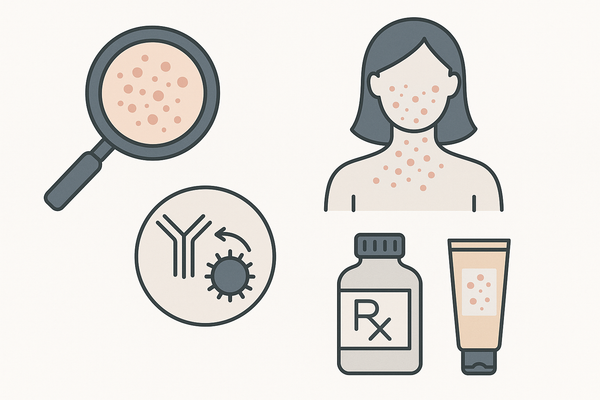
These rashes typically develop shortly after starting or changing a medication, distinguishing them from viral or contact dermatitis. Common types include:
- Hives (urticaria): Raised, itchy welts that appear and fade within hours.
- Morbilliform eruptions: Widespread red macules and papules resembling measles.
- Fixed drug eruptions: Dark red or purple patches that recur at the same spot upon re-exposure.
Common culprits: Antibiotics (penicillins, sulfonamides, cephalosporins), anticonvulsants (phenytoin, carbamazepine), NSAIDs (ibuprofen, naproxen), others (allopurinol, barbiturates, isotretinoin).
Signs and symptoms: Itching, burning, redness, swelling, blistering, peeling; systemic fever or lymph node enlargement.
Sources:
2. Causes and Mechanisms of Medication Rash Treatment
Drug eruptions arise via several pathways:
- Allergic (Type I hypersensitivity): Drugs act as haptens, leading to IgE formation and mast cell degranulation → hives, swelling, possible anaphylaxis.
- Delayed (Type IV hypersensitivity): T-cell activation 4–14 days after drug initiation → morbilliform rash.
- Non-allergic mechanisms: Phototoxic reactions (UV-triggered free radicals), acneiform eruptions (follicular inflammation from drugs like steroids).
The biological cascade involves cytokine release (IL-4, IL-5, TNF-α), sensory nerve activation, and keratinocyte apoptosis.
Sources:
- Harvard Health: When Is a Drug Rash More Than Just a Rash?
- Merck Manual: Drug Rashes
- Johns Hopkins Medicine: Drug Rashes
- NYU Langone: Drug Reactions & Hives
3. Diagnosis and When to Seek Medical Advice
Self-assessment: Note timing (hours to two weeks after dosing), grade severity, discontinue the suspect drug if safe.
Red-flag symptoms: Difficulty breathing or facial swelling (anaphylaxis); rapid blistering, fever, mucosal involvement (SJS/TEN); rash >2 weeks or worsening.
Diagnostic procedures: Detailed history, physical exam, skin biopsy, blood tests (eosinophils, liver/kidney function), patch testing, controlled drug challenge.
Sources:
4. Medication Rash Treatment Options
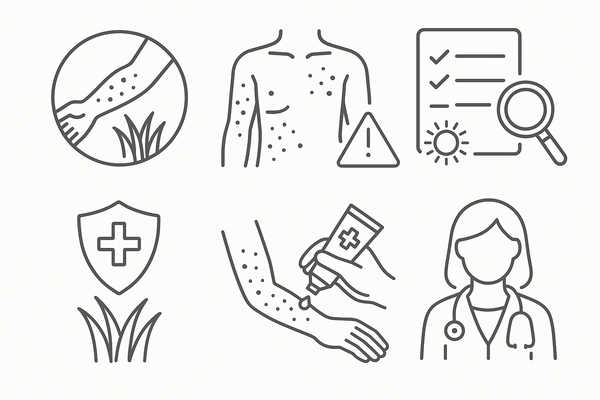
First step: Discontinue the offending drug. Most eruptions resolve within days to two weeks.
Immediate symptomatic care:
- Cool compresses (15–20 minutes, several times daily)
- OTC antihistamines: cetirizine 10 mg once daily; diphenhydramine 25–50 mg every 6 hours
- Topical steroids: hydrocortisone 1% cream
For a detailed comparison of OTC vs prescription options, visit our blog.
Prescription interventions:
- Moderate: oral antihistamine + medium-potency topical steroid (triamcinolone 0.1%)
- Severe systemic (DRESS): oral prednisone taper over 2–6 weeks
- Anaphylaxis: intramuscular epinephrine 0.3 mg, emergency transfer
- SJS/TEN: hospital admission, wound care, IV fluids, IV corticosteroids or cyclosporine
Home remedies: calamine lotion, colloidal oatmeal baths, aloe vera gel.
Follow-up: Reassess in 48–72 hours; consult a dermatologist if no improvement.
Sources:
- Becker ENT: Drug Allergy
- Merck Manual: Drug Rashes
- IU Health: Drug Rashes
- Mayo Clinic: Contact Dermatitis Treatment
- NYU Langone: Drug Reactions & Hives
5. Prevention and Risk Reduction
- Record full allergy and drug reaction history before prescribing.
- Use patch testing for high-risk agents (e.g., sulfonamides).
- Initiate high-risk drugs at low doses with close monitoring.
- Conduct genetic screening when indicated (HLA-B*1502 before carbamazepine).
- Encourage MedicAlert bracelets and clear patient–provider communication.
For long-term allergy management strategies, visit Rash Detector.
6. Managing Side Effects and Long-Term Care
- Monitor rash evolution and document triggers in an allergy card or health app.
- Rotate non-sedating antihistamines (loratadine, fexofenadine) to prevent tolerance.
- Taper corticosteroids gradually to avoid rebound eruptions.
- Refer to dermatology for scarring or pigmentation issues.
- Explore desensitization protocols or alternative drug classes.
Conclusion
Effective medication rash treatment starts with early identification and prompt discontinuation of the offending agent. Symptomatic relief with antihistamines, topical or systemic steroids, and home remedies helps most patients. Recognize red-flag signs—anaphylaxis, SJS/TEN—and seek urgent care. Prevent recurrence by keeping clear allergy records, using genetic screening, and fostering open communication with healthcare professionals. Always consult a medical professional for personalized diagnosis and therapy plans.
Additional Resources and FAQs
Reputable Sources:
- Merck Manuals: Drug Rashes
- Johns Hopkins Medicine: Drug Rashes
- NYU Langone: Drug Reactions & Hives
- Mayo Clinic: Contact Dermatitis Diagnosis & Treatment
- Harvard Health: Drug Rash Insights
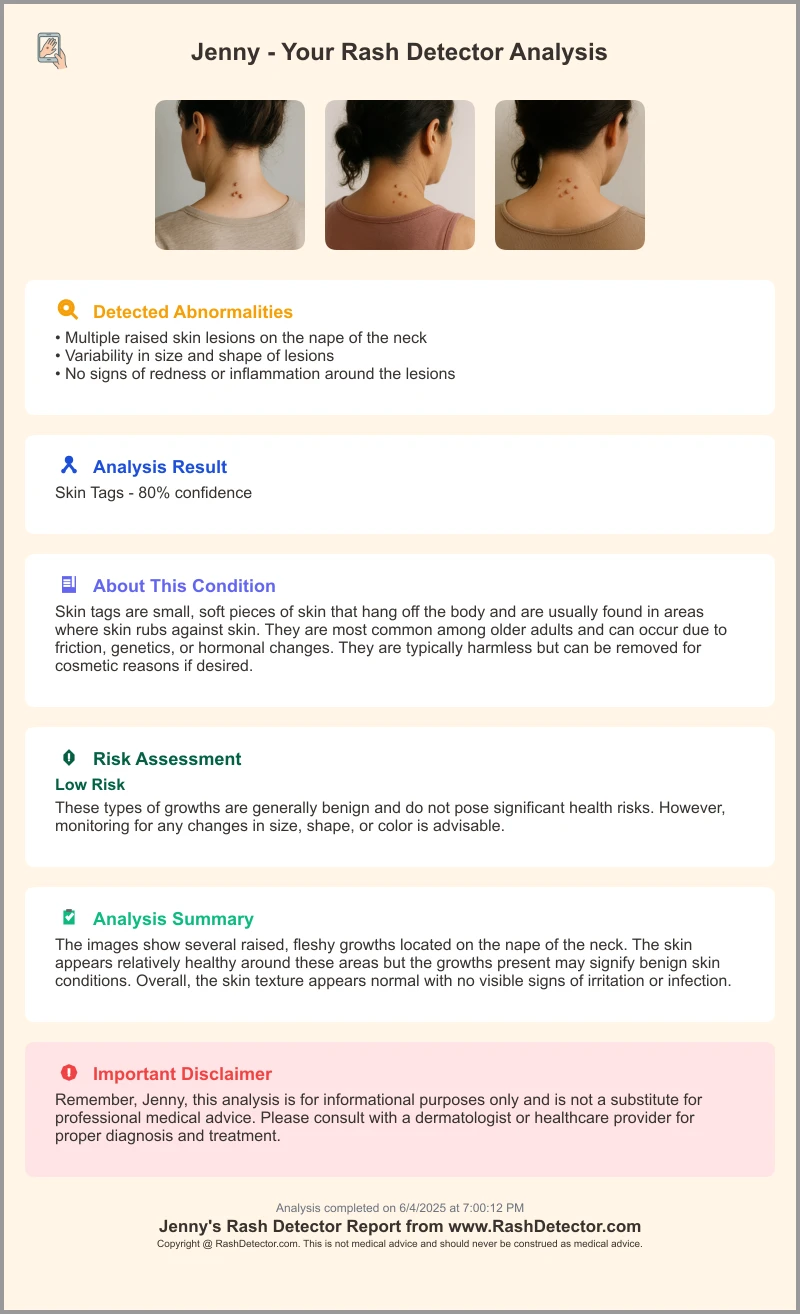
While home care and clinical treatments form the backbone of management, you can also leverage AI support. Try Rash Detector—an AI skin analysis app that lets you upload images of your rash for instant insights. Below is a sample report to show how detailed guidance is delivered:
衣装を通販で探すときは、商品画像だけでなく実寸とセット内容も確認しておくと安心です。条件に合う選択肢を探す際は、コスプレ衣装 メンズを手掛かりに内容を確認できます。注文前に使用日と発送予定を照らし合わせ、試着や調整に使える時間も確保しておくと安心です。
FAQ
- How long does a medication rash last? Most resolve within days to two weeks after stopping the drug, especially with antihistamines and topical steroids.
- Can I use Benadryl for a drug rash? Yes, diphenhydramine can relieve mild hives and itching—consult your pharmacist before dosing.
- Are all drug rashes allergic? No. Some are non-allergic side effects like phototoxicity or acneiform eruptions.
- What if it’s Stevens-Johnson syndrome? SJS requires hospitalization, biopsy confirmation, intensive supportive care, and possible burn-unit management.
- How can I prevent recurrence? Detailed allergy history, patch testing, and genetic screening before prescribing new or high-risk drugs.