Medication Rash Treatment: A Comprehensive Guide to Identifying and Managing Drug-Induced Skin Reactions
Learn about medication rash treatment, including identification, diagnosis, and management of drug-induced skin reactions to prevent serious complications.

Estimated reading time: 8 minutes
Key Takeaways
- Early recognition is essential to prevent severe complications like Stevens-Johnson syndrome.
- Accurate diagnosis involves detailed medication history, physical exams, and laboratory tests.
- Effective treatment includes discontinuation of the culprit drug, antihistamines, corticosteroids, and supportive care.
- Prevention strategies such as patient education, genetic testing, and careful prescribing reduce recurrence risk.
- Long-term follow-up ensures documentation and safe alternative therapies.
Table of Contents
- Understanding Medication-Induced Rashes
- Identification and Diagnosis
- Treatment Approaches for Medication Rashes
- Risk Factors and Prevention Strategies
- Patient Stories and Expert Insights
- Conclusion
- FAQ
Understanding Medication-Induced Rashes
A medication-induced rash—also known as a cutaneous adverse drug reaction (CADR)—emerges from the body’s systemic response to a drug rather than topical agents or infections. These reactions present through three main mechanisms:
- Allergic reactions (Type I–IV hypersensitivity)
- Predictable side effects based on drug pharmacology
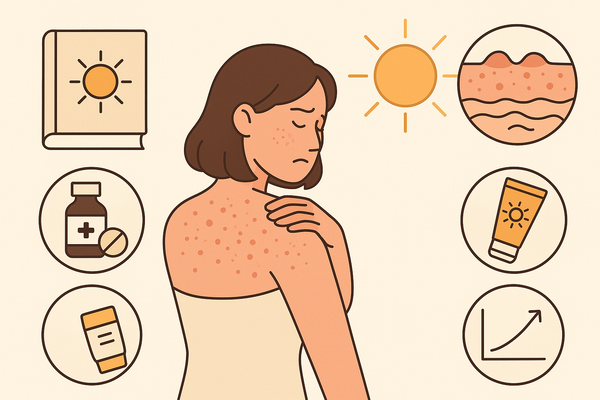
- Photosensitivity reactions triggered by light exposure
Common offenders include antibiotics such as penicillin and sulfonamides, anticonvulsants like phenytoin, NSAIDs, ACE inhibitors, and corticosteroids. The rash can appear within hours to weeks after drug initiation, manifesting as maculopapular eruptions, urticaria, exfoliative dermatitis, or fixed drug eruptions. Severity is gauged by body surface area, systemic signs (fever, lymphadenopathy), and risk of blistering disorders like SJS/TEN.
Identification and Diagnosis
Accurate diagnosis begins with recognizing key signs:
- Sudden, symmetric redness or hives
- Itching, swelling, blisters, or peeling
- Tenderness or mild pain in affected areas
Seek urgent care if you notice:
- Widespread scaling (>30% BSA)
- Mucosal involvement (eyes, mouth)
- High fever or swollen lymph nodes
- Respiratory distress or facial swelling
The diagnostic workflow involves:
- Medication history: Document prescriptions, OTC drugs, and supplements with start/stop dates.
- Physical exam: Evaluate rash distribution, morphology, and mucosal surfaces.
- Laboratory tests: Complete blood count for eosinophilia; liver and kidney panels if systemic signs appear.
- Skin biopsy: Reserved for severe or atypical cases.
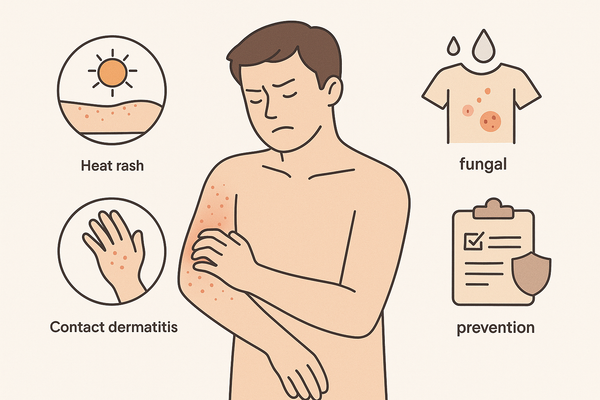
- Differential diagnosis: Exclude viral exanthems, contact dermatitis, and autoimmune disorders.
Treatment Approaches for Medication Rashes
Immediate steps:
- Discontinue the suspected drug under medical guidance (exceptions for essential medications require specialist input).
- Monitor the rash daily and track vital signs if severe.
Medical therapies:
- Antihistamines: Diphenhydramine (25–50 mg every 4–6 hr) or non-sedating options like cetirizine.
- Corticosteroids: Topical hydrocortisone 1%, oral prednisone taper, or IV methylprednisolone for extensive CADRs.
- Hospitalization: For fluid/electrolyte management and wound care in exfoliative dermatitis or SJS/TEN.
Supportive care at home:
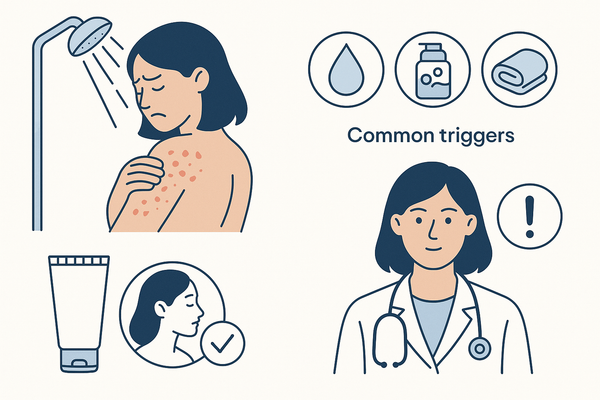
- Cool compresses (15 minutes, 3–4 times daily).
- Oatmeal baths: Colloidal oatmeal in a lukewarm bath for itch relief.
- Fragrance-free, ceramide-based moisturizers after bathing.
- Topical calamine or OTC hydrocortisone 0.5% for limited use (≤7 days).
- Avoid irritants and sun exposure; wear loose cotton clothing.
Long-term follow-up: Document the reaction in medical records, plan alternative therapies, and schedule specialist consultations.
For a quick AI-powered second opinion, use the Rash Detector Skin Analysis App to upload images and receive a sample report:
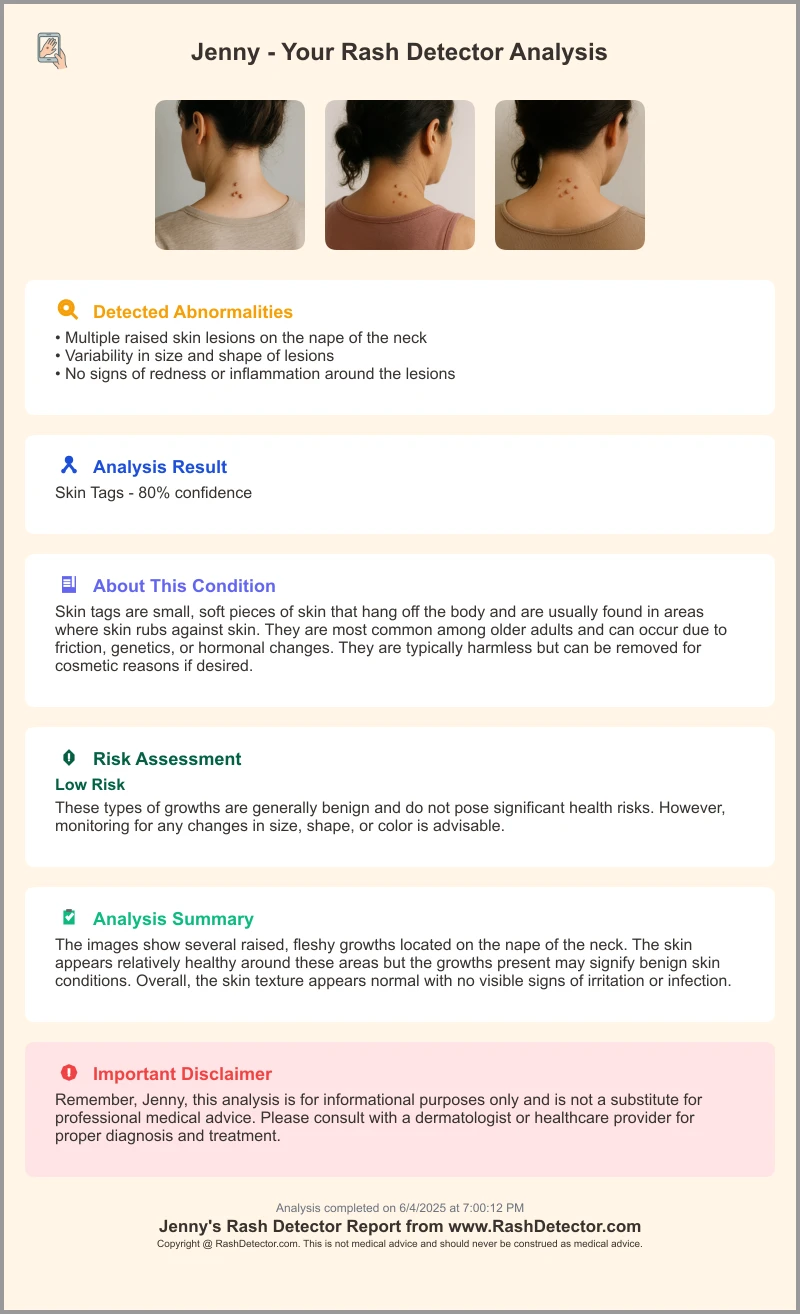
For more on managing drug allergy rashes and preventing recurrence, visit managing drug allergy rashes.
Risk Factors and Prevention Strategies
Personal risk factors: A history of CADRs, atopic dermatitis, or genetic predispositions (e.g., HLA-B*1502 with carbamazepine).
Medication-related risks: High-risk classes, polypharmacy, and long-term low-dose therapy.
Prevention best practices:
- Collect thorough allergy and reaction histories before prescribing.
- Educate patients on early rash signs and self-monitoring.
- Initiate high-risk drugs at low doses with gradual escalation.
- Utilize genetic or patch testing when available.
- Maintain real-time allergy alerts in electronic health records.
Patient Stories and Expert Insights
Case Study 1: Penicillin-Induced Urticaria
A 30-year-old male developed rapid hives two days after penicillin administration. Discontinuation and diphenhydramine resulted in full resolution within 48 hours.
Case Study 2: DRESS Syndrome from Allopurinol
A 60-year-old female treated for gout presented with fever, rash, and organ involvement. She required a five-day hospitalization with systemic steroids and supportive care.
“Early recognition of drug eruptions can prevent progression to SJS/TEN,” notes Dr. Jane Smith, dermatologist at Johns Hopkins Medicine.
Pharmacist Insight: Compounded formulations without common excipients may reduce risk in sensitive patients.
Conclusion
- Recognize symmetric rashes following new medication starts.
- Diagnose with detailed history, examination, and targeted tests.
- Implement treatment by stopping the culprit drug and providing antihistamines, corticosteroids, and supportive measures.
- Prevent recurrence with patient education, careful prescribing, and genetic testing when appropriate.
Medication rash treatment begins with prompt action to avoid severe outcomes. Always consult a healthcare professional before altering any regimen.
FAQ
Q: How can I tell if my rash is drug-related?
A: Look for timing (hours to weeks post-medication), symmetry, and associated systemic symptoms such as fever or lymphadenopathy. A healthcare provider can confirm with history and tests.
Q: Can I treat a drug rash at home?
A: Mild rashes may respond to cool compresses, oatmeal baths, and OTC antihistamines. However, any worsening or systemic signs warrant medical evaluation.
Q: Should I stop my medication if a rash appears?
A: Never discontinue essential drugs without consulting a healthcare professional. Non-essential medications may be stopped under medical guidance.
Q: Is genetic testing useful for preventing drug rashes?
A: Yes, HLA testing (e.g., HLA-B*1502) can identify high-risk patients for certain drugs, guiding safer prescribing practices.
Q: Where can I find more resources?
A: Visit drug-induced rash symptoms for an in-depth overview.
ウィッグの候補を比べる場合は、毛質、耐熱性、長さ、セットのしやすさを同じ基準で確認しましょう。条件に合う選択肢を探す際は、コスプレ ショートウィッグを手掛かりに内容を確認できます。購入後は本番前に一度着用し、前髪、長さ、毛量を少しずつ調整すると安心です。