Medication Rash Treatment: A Complete Guide to Identify & Manage Drug Rashes
Learn how to identify and manage medication-induced rashes safely and effectively with our complete guide, including treatment options and prevention tips.
Estimated reading time: 12 minutes
Key Takeaways
- Early recognition of drug-related rashes can prevent progression to severe reactions.
- Prompt drug cessation under medical supervision is essential.
- Self-care and OTC remedies like antihistamines and topical steroids help manage mild rashes.
- Severe cases (SCARs) may require systemic therapies or hospitalization.
- Long-term prevention involves documentation, provider communication, and genetic testing when indicated.
Table of Contents
- Introduction
- Understanding Medication-Induced Rashes
- Identifying a Medication Rash
- Immediate Management and Treatment
- Detailed Treatment Options
- Prevention and Long-Term Management
- Conclusion
- FAQ
Introduction
Medication rash treatment is essential for anyone who develops a skin reaction after taking a new drug. A medication-induced rash is a skin eruption caused by an adverse immunologic or non-immunologic response to a prescription or over-the-counter medication. Prompt medication rash treatment matters because:
- Mild cases cause itch, redness, and discomfort.
- Severe cases, such as Stevens-Johnson syndrome or toxic epidermal necrolysis, can be life-threatening.
- Early intervention focuses on recognizing a drug-related skin reaction, stopping the culprit medication under medical supervision, and using targeted therapies to relieve symptoms and prevent serious complications.
Sources:
Merck Manual
Johns Hopkins Medicine
Understanding Medication-Induced Rashes
Medication rash treatment begins with knowing how drugs provoke skin eruptions.
Mechanisms of Drug-Induced Rashes
- Allergic hypersensitivity (Type I or IV immune reactions)
- Non-allergic side effects (direct irritation, vascular changes)
- Photosensitivity (UV-induced rash on certain medications)
Common Rash Morphologies
- Morbilliform – widespread red macules or papules days to weeks after drug start
- Urticaria (hives) – itchy wheals minutes to hours after dose, sometimes with angioedema
- Photosensitive rash – erythema or blistering on sun-exposed skin
- Severe Cutaneous Adverse Reactions (SCARs)
- Stevens-Johnson syndrome/TEN: blistering, mucosal erosions
- DRESS: rash with fever, eosinophilia, organ involvement
- AGEP: widespread pustules with fever
Sources:
Merck Manual
Johns Hopkins Medicine
CCJM; Harvard Health Blog
High-Risk Drug Classes
- Antibiotics (penicillins, sulfonamides)
- Anticonvulsants (carbamazepine, phenytoin, lamotrigine)
- Allopurinol
- NSAIDs
- Antiretrovirals
Identifying a Medication Rash
Accurate diagnosis is key to effective medication rash treatment.
Diagnostic Clues
- Timing relative to drug start or dose change
- Distribution often begins on the trunk and then spreads
- Systemic signs: itching, burning, fever, malaise, facial swelling, mucosal sores
For more on recognizing early drug rash symptoms, see rashdetector.com
Differentiating from Other Rashes
- Consider medication history versus eczema or viral exanthem
- Systemic symptoms or mucosal involvement suggest drug reaction
- Skin biopsy in unclear or severe cases
When to Seek Medical Advice
Emergency signs requiring immediate attention include:
- Difficulty breathing or swallowing
- Facial or lip swelling, hypotension
- Blistering, mucosal ulcers, high fever
Seek outpatient evaluation if the rash is spreading, painful, or intensely itchy.
Immediate Management and Treatment
Early steps reduce risk and discomfort.
Initial Self-Care
- Stop the suspected medication until reviewed by a professional
- Photograph the rash for documentation
- Avoid scratching; wear loose cotton clothing
Learn more about managing drug allergy rash: rashdetector.com
Over-the-Counter Remedies
- Oral antihistamines: cetirizine, loratadine, diphenhydramine
- Topical corticosteroids: hydrocortisone 1% or medium-potency creams
- Emollient lotions, cool compresses, colloidal oatmeal baths
Always consult a healthcare professional before resuming medications.
Detailed Treatment Options
A multi-pronged approach ensures effective results.
1. Discontinuation or Substitution
- Stop the offending drug under medical supervision
- Substitute with a safer alternative when possible
2. Symptomatic Pharmacologic Therapies
- Oral antihistamines – relieve pruritus and urticaria; use 1–3 weeks
- Topical corticosteroids – apply for 7–14 days based on potency
- Systemic corticosteroids – prednisone taper over 2–4 weeks for severe cases
- Epinephrine injection for anaphylaxis
- Intravenous immunoglobulin for SJS/TEN
3. Supportive Care
- Fluid and electrolyte management
- Wound care for blistered areas
- Pain control, infection prevention
4. Long-Term Regimen Adjustments
- Document drug allergy in medical record
- Avoid cross-reactive agents; use alternatives
- Consider desensitization protocols when needed
5. Adjunctive Non-Drug Measures
- Use gentle, fragrance-free cleansers
- Stress reduction techniques
- Psychosocial support during hospitalization
Prevention and Long-Term Management
Risk-Reduction Strategies
- Maintain an up-to-date list of culprit drugs
- Wear medical alert ID for severe allergies
- Limit unnecessary medications; review supplements
- Consider genetic testing (e.g., HLA-B*1502) for high-risk drugs
Provider Communication
- Inform clinicians of past drug rashes and severity
- Discuss rash risks before starting new medications
Monitoring New Medications
- Daily skin self-exams for redness, bumps, hives
- Watch for fever or lymphadenopathy in first weeks
- Seek evaluation at first sign of suspicious rash
Conclusion
Effective medication rash treatment hinges on:
- Early recognition of drug-related skin reactions
- Medical-supervised drug cessation or substitution
- Targeted therapies: antihistamines, corticosteroids, supportive care
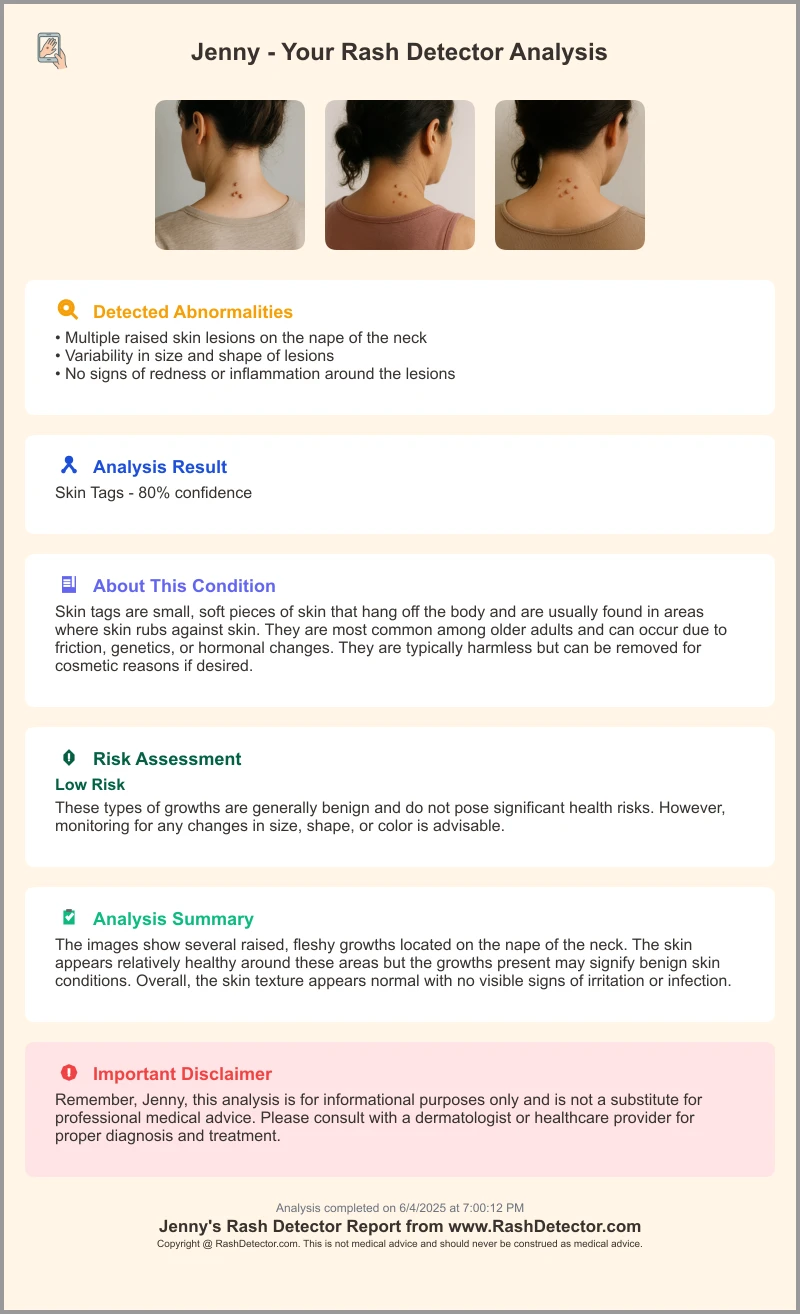
Severe reactions require urgent, multidisciplinary management. Consult a healthcare professional at the first sign of a drug rash. Below is a sample AI-driven analysis report:
衣装を購入する前に、使用日から逆算して納期と試着時間を確保しておくと安心です。サイズやセット内容を確認する場合は、NIKKE コスプレ衣装から候補を探せます。使用後は素材に合う方法で手入れし、装飾を傷めない形で保管することが大切です。
FAQ
- How quickly do drug rashes appear?
Urticaria can develop within minutes to hours; morbilliform rashes often emerge days to weeks after drug initiation. - Can I treat a drug rash at home?
Mild rashes may respond to OTC antihistamines and topical steroids, but consult a professional before stopping any medication. - When is a drug rash an emergency?
Seek immediate care for difficulty breathing, facial swelling, blistering, mucosal ulcers, or high fever. - Are all drug rashes allergic?
No, some are non-allergic side effects or photosensitivity reactions rather than immune-mediated events. - How can I prevent future drug rashes?
Keep a detailed allergy list, communicate with providers, limit unnecessary drugs, and consider genetic tests when indicated.