Effective Medication Rash Treatment: Identify, Manage, and Prevent Drug-Induced Skin Reactions
Learn how to identify, manage, and prevent medication-induced rashes effectively. Discover treatment options for drug-induced skin reactions including Stevens-Johnson syndrome.
Estimated reading time: 8 minutes
Key Takeaways
- Medication-induced rashes can range from mild to life-threatening.
- Early identification and prompt discontinuation of the culprit drug are crucial.
- Symptom relief with antihistamines, corticosteroids, and supportive care aids recovery.
- Emergency signs like breathing trouble or blistering require immediate attention.
- Document allergies, avoid triggers, and maintain open communication with providers to prevent recurrence.
Table of Contents
- Understanding Medication-Induced Rashes
- When to Seek Professional Help
- Treatment Options
- Managing and Preventing Future Rashes
- Conclusion
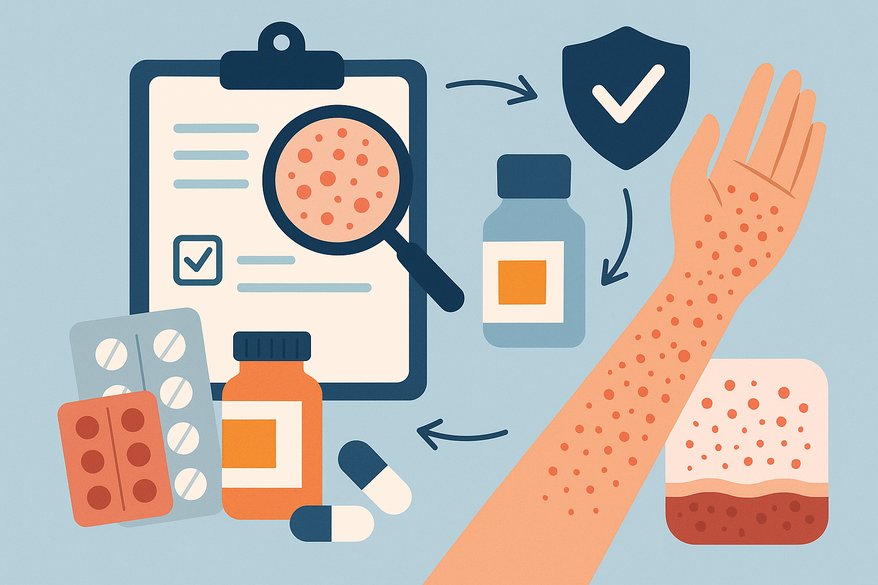
Medication rash treatment is critical for anyone experiencing a skin reaction after starting a new drug. A medication-induced rash—also called a drug eruption—can range from mild, itchy spots to severe, blistering conditions like Stevens–Johnson syndrome (SJS) or toxic epidermal necrolysis (TEN). Recognizing these rashes early helps protect your skin and overall health.
Prompt medication rash treatment matters because stopping the culprit drug safely, relieving symptoms, and preventing complications can be lifesaving. Mild rashes sometimes mimic serious reactions, and severe eruptions can involve internal organs. Acting quickly under medical guidance ensures proper relief and reduces the risk of long-term harm.
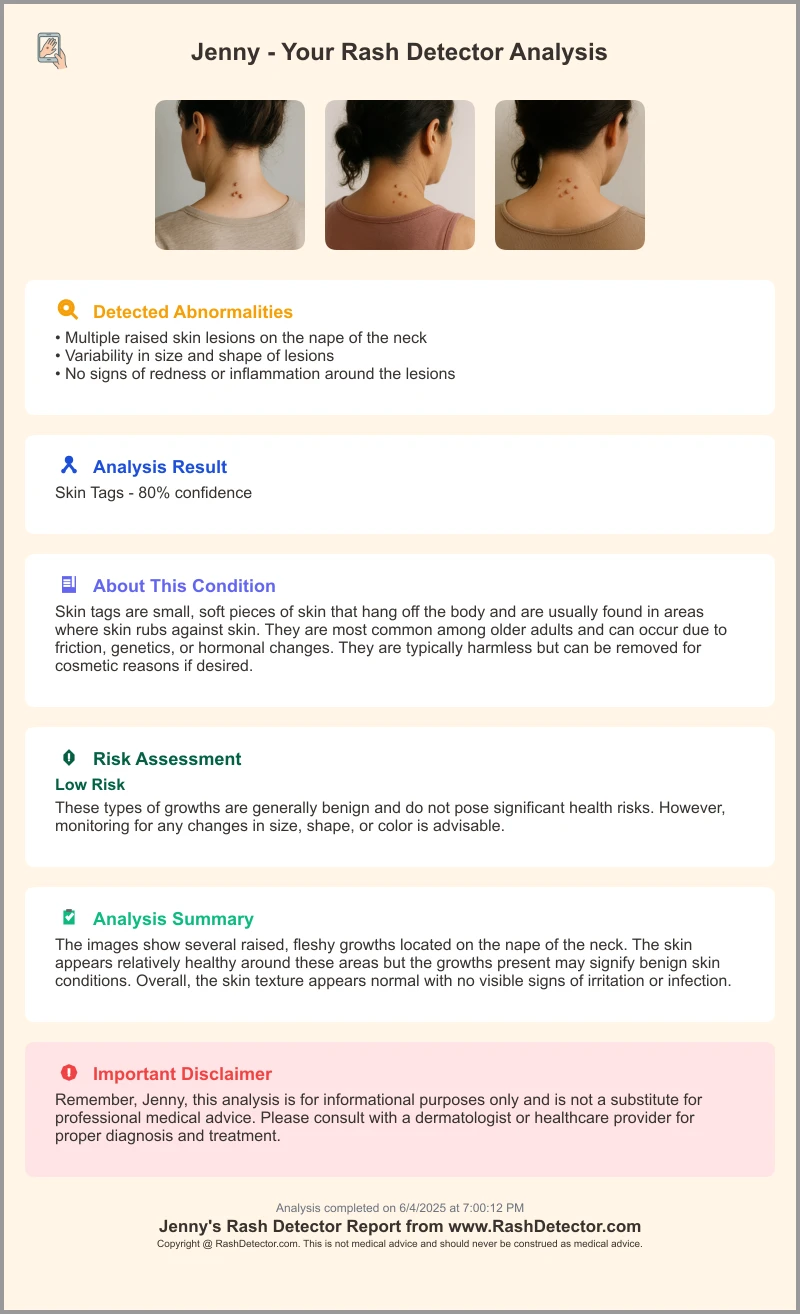
For quick, preliminary insights, many turn to tools like Rash Detector for instant AI-driven skin analysis based on a few rash photos.
Medication Rash Treatment: Understanding Medication-Induced Rashes
What Is a Medication-Induced Rash?
A medication-induced rash is an adverse skin reaction triggered by a drug. It may involve:
- Immune or hypersensitivity responses (true allergies)
- Non-allergic mechanisms like photosensitivity or direct toxicity
- Symptoms from mild redness to widespread skin peeling
These reactions occur when the body’s immune system—or direct chemical effects—causes skin cells to inflame or die.
Common Drug Triggers
- Antibiotics: penicillins, sulfonamides
- Anticonvulsants: phenytoin, carbamazepine
- NSAIDs: ibuprofen, naproxen
- Allopurinol (for gout)
- Chemotherapy and targeted cancer therapies
Almost any medication can trigger a rash in a predisposed person, but these groups are frequent culprits.
Types of Drug-Related Rashes
- Morbilliform (maculopapular): pink or red spots and bumps symmetrically on trunk and limbs.
- Urticaria (hives): raised, itchy welts; may come with angioedema (deep swelling).
- Fixed drug eruption: dark red or purple patches that recur at the same spot with each dose.
- Photosensitivity rash: appears on sun-exposed skin when certain drugs interact with UV light.
- SCARs (Severe Cutaneous Adverse Reactions):
- Stevens–Johnson syndrome (SJS) / TEN with blistering and skin detachment
- DRESS syndrome: rash plus fever, facial swelling, organ involvement
Clues to Identify a Medication-Induced Rash
- Timing: days–weeks after starting or changing a drug; hives can appear within hours.
- Distribution: symmetric spread over trunk and limbs in typical eruptions.
- Symptoms: intense itching, burning, fever, facial swelling, mucosal sores.
- History: prior reaction to the same or similar medication.
Any new, unexplained rash after a medicine change should prompt a provider visit. See our guide on Identifying Drug-Induced Rash Symptoms for detailed red-flag signs.
Medication Rash Treatment: When to Seek Professional Help
Emergency Warning Signs
Call 911 or go to the ER if you see:
- Trouble breathing, wheezing, or shortness of breath
- Swelling of face, lips, tongue, or throat
- Chest tightness, dizziness, fainting
- Rapid rash spread or large-area involvement
- Blistering, peeling, raw or painful skin
- Sores in mouth, eyes, or genitals
- High fever, flu-like symptoms, or feeling very ill
- Signs of organ involvement: dark urine, yellow skin, severe pain
Non-Emergency but Prompt Evaluation
Contact your doctor or pharmacist if:
- A new rash appears days to weeks after a drug change
- Rash is worsening or spreading
- Mild fever, joint aches, or mild facial swelling occur
- You have a known drug allergy and re-exposed yourself
Questions to Ask Your Provider
- Is this rash drug-related or caused by something else?
- Which medication is the likely culprit?
- Should I stop it now? What’s a safe alternative?
- Could this progress to a severe reaction (SJS/TEN, DRESS)?
- What treatments will I need (antihistamines, steroids, epinephrine)?
- Do I need allergy testing or desensitization?
- How long until full resolution after stopping the drug?
Medication Rash Treatment Options
Core Principle: Discontinue the Offending Drug
- Non-essential medications are usually stopped immediately.
- Essential drugs require careful provider guidance and risk/benefit discussion.
- Most rashes fade over days to weeks once the drug is out of your system.
- SCARs may take longer and need specialist oversight.
Pharmacologic Therapies
Choose medication based on rash type and severity:
- Antihistamines: OTC oral (diphenhydramine, cetirizine, loratadine) for itching and hives
- Corticosteroids: topical creams or oral/IV for extensive eruptions or DRESS
- Epinephrine: IM injection for life-threatening anaphylaxis
- Advanced Immunomodulators: IVIG or other agents for SJS/TEN
- Supportive Meds: pain relievers, fever reducers, eye/mouth care, antibiotics for infections
Non-Pharmaceutical & Supportive Care
- Cool compresses and lukewarm baths reduce itch and heat.
- Gentle, fragrance-free cleansers and moisturizers protect skin barrier.
- Loose, soft clothing minimizes friction.
- Avoid sun and heat; use broad-spectrum sunscreen if photosensitive.
- Stay hydrated and maintain balanced nutrition in severe cases.
- Wound care for blistering rashes follows burn-unit protocols.
Medication Rash Treatment: Managing and Preventing Future Rashes
At-Home Management for Mild Rashes
After discussing with your provider, you may:
- Follow instructions to stop or switch the drug safely.
- Use OTC antihistamines and topical steroid creams as directed.
- Keep nails trimmed to avoid scratching and infection.
- Watch for new warning signs—seek help if rash spreads, blisters, or you get a fever.
Preventing Future Medication-Induced Rashes
Lower risk of repeat reactions by:
- Documenting the Reaction: Ensure your medical record lists the drug and rash as an allergy.
- Avoiding Culprit & Cross-Reactive Drugs: Ask about related medications that may cross-react.
- Allergy Evaluation: Testing, graded challenges, or desensitization when needed.
- Careful Use of New Medications: Start new drugs at prescribed doses and monitor closely.
Learn more about triggers in our post on Rashes Trigger Identification.
Communication with Healthcare Providers
- Always share every medication—prescription, OTC, supplement.
- Report any new rash immediately.
- Before starting new meds, ask about side effects and warning signs.
- After a reaction, confirm which drugs to avoid and whether to carry emergency meds like epinephrine.
Conclusion
A medication-induced rash is a drug eruption that can range from mild itchiness to life-threatening SJS/TEN or anaphylaxis. Effective medication rash treatment hinges on three pillars:
- Prompt discontinuation of the offending drug under medical supervision
- Symptom control with antihistamines, corticosteroids, or epinephrine as needed
- Supportive care including soothing skin measures, hydration, and wound management
Recognize emergency warning signs—breathing trouble, facial swelling, blistering, high fever—and seek immediate help. To prevent future episodes, document drug allergies, avoid known triggers, consider allergy testing, and maintain clear communication with your healthcare team.
If you develop a rash after starting or changing any medication, contact a healthcare professional promptly for personalized medication rash treatment.
FAQ
Q: What should I do if I notice a rash after taking a new medication?
A: Stop the medication if safe, contact your provider, and monitor for severe symptoms.
Q: How long do drug-induced rashes typically last?
A: Mild rashes often resolve in days to weeks after discontinuation, while severe reactions can take longer under specialist care.
Q: Can I take antihistamines to treat mild drug rashes on my own?
A: Yes, over-the-counter antihistamines can relieve itching, but always consult your provider before self-treating.
Q: How can I reduce the risk of future medication rashes?
A: Document allergies, avoid known triggers, discuss cross-reactivity with your provider, and consider allergy testing.