Medication Rash Treatment: Recognizing and Managing Drug-Induced Rashes
Explore comprehensive medication rash treatment options to manage drug-induced rashes with confidence and prevent severe reactions effectively.
Estimated reading time: 7 minutes
Key Takeaways
- Early recognition of drug rashes prevents serious complications.
- Always consult your healthcare provider before stopping essential medications.
- Self-care with OTC remedies can provide relief while awaiting professional advice.
- Understand when to seek urgent care for anaphylaxis or severe reactions.
- Implement prevention strategies and maintain clear communication about drug allergies.
Table of Contents
- Explanation of Medication-Induced Rashes
- Identifying a Medication-Induced Rash
- Managing an Induced Rash
- When to Seek Professional Help
- Prevention Strategies
- Conclusion and Additional Resources
- FAQ
Explanation of Medication-Induced Rashes
A medication-induced rash arises when a drug—whether prescription, over-the-counter, or a supplement—triggers an immune-mediated histamine or cytokine release. You’ll often see widespread redness and itching after starting or changing the dose of a medication.
Key distinctions from other skin conditions:
- Timing link: Appears days to weeks after medication changes, unlike eczema or psoriasis.
- Distribution: Begins on the trunk and often spreads, rather than staying localized.
- Resolution: Improves within 1–2 weeks after stopping the culprit drug.
Common culprits include antibiotics (penicillins, sulfonamides), anticonvulsants (carbamazepine, phenytoin), allopurinol, NSAIDs, and certain cancer therapies. Symptoms range from a morbilliform rash and pruritus to urticaria, and—in severe cases—blistering or mucosal sores.
Identifying a Medication-Induced Rash
Spotting a drug rash early can make all the difference. Watch for:
- New red, purple, or pink patches starting on the trunk and spreading outward.
- Intense itching, burning, or tenderness.
- Hives that appear and vanish.
- Facial or lip swelling (angioedema).
Timing clues help narrow down the cause:
- Immediate reactions (hives, angioedema): within minutes to hours.
- Delayed morbilliform rash: 3–14 days after starting.
- DRESS syndrome: 2–6 weeks post-exposure.
Always keep a detailed medication history—prescriptions, OTCs, supplements—with start dates and note dose changes. Consult your healthcare provider before making any changes.
Managing an Induced Rash
Begin with immediate self-care while you coordinate with your provider:
- Consult first: Never stop essential medications without guidance.
- Cool compresses or showers to soothe inflammation.
- Use fragrance-free moisturizers post-bathing.
- Wear loose cotton clothing to reduce friction.
- Avoid scratching; tap or apply cold packs instead.
- Oral antihistamines (cetirizine, diphenhydramine) relieve itching.
- Low-strength topical corticosteroids (hydrocortisone) treat mild inflammation.
Adopt gentle skincare—mild, fragrance-free cleansers, pat dry, and avoid alcohol-based products. If photosensitivity occurs, apply broad-spectrum sunscreen and protective clothing. Stay hydrated and rest.
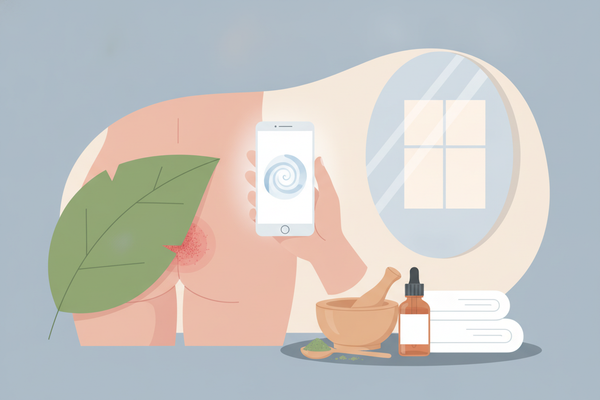
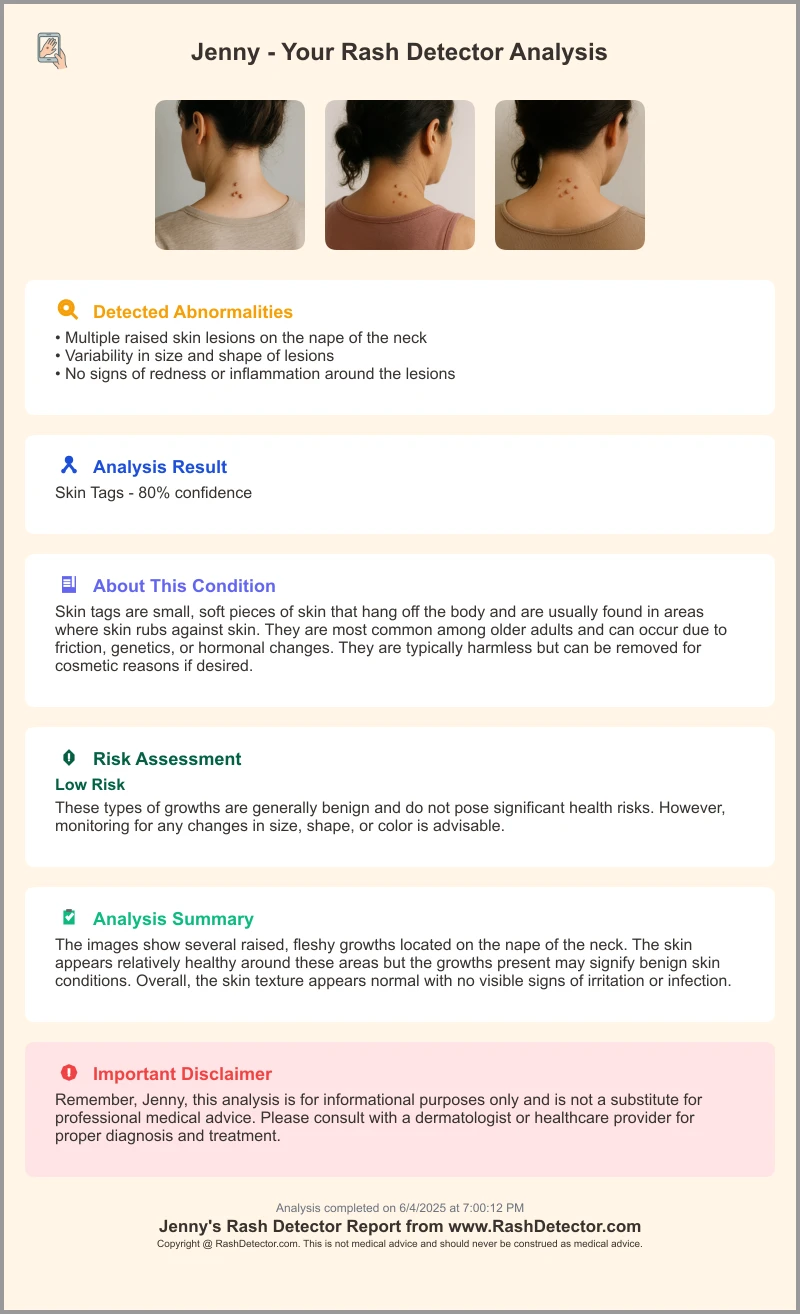
For real-time monitoring, try a skin analysis app like Rash Detector. Below is a sample report illustrating how it summarizes key findings and next steps.
When to Seek Professional Help
Urgent warning signs—visit the emergency department or urgent care if you experience:
- Respiratory distress, wheezing, or throat tightness.
- Facial, lip, or tongue swelling.
- Hypotension, dizziness, or syncope.
- Widespread blistering, peeling skin, mucosal involvement.
- High fever or flu-like symptoms with rash.
- Painful sores in the mouth, eyes, or genital area.
Non-emergency consult if rash persists or worsens after 3–5 days of self-care, or if you have immune compromise or chronic conditions. Prepare for your appointment by documenting all medications, rash onset, symptoms, and any previous drug allergies.
Prevention Strategies
Reduce your risk with these proactive steps:
コスプレ衣装を選ぶ際は、サイズ表、素材、付属品、発送予定日を確認すると比較しやすくなります。具体的な候補を確認する場合は、怪盗キッド コスプレ衣装から関連する商品や情報を比較できます。商品が届いたら付属品とサイズを早めに確認し、必要な調整を本番前に済ませましょう。
- Read medication inserts for side-effect profiles and warning signs.
- Discuss allergy and immune history before starting high-risk drugs.
- Follow dosing instructions; avoid unsupervised dose escalations.
- Schedule follow-ups when initiating new or high-risk medications.
- Inform all providers of known drug allergies and carry documentation or medical alert jewelry.
Conclusion and Additional Resources
Recognizing medication-induced rashes early and following proper treatment steps can prevent discomfort from escalating into emergencies. Key actions include:
- Identify rashes by timing and appearance.
- Consult your provider before stopping medications.
- Use self-care and OTC relief while awaiting guidance.
- Follow prescribed therapies, including antihistamines and corticosteroids.
- Seek urgent care for signs of anaphylaxis or severe cutaneous reactions.
- Practice prevention and communicate clearly about past drug reactions.
Further reading:
- Johns Hopkins Medicine – Drug rashes
- Harvard Health Blog – When is a drug rash more than “just a rash”?
- GoodRx – Drug rash skin reaction
- Divine Dermatology – More than just a drug rash
- Identifying and Managing Drug-Induced Rash Symptoms
- Managing Drug Allergy Rash
FAQ
- What is a medication-induced rash? A skin reaction triggered by drugs via immune-mediated mechanisms, causing redness, itching, or swelling.
- How soon do drug rashes appear? Immediate reactions can occur within hours; delayed rashes often appear 3–14 days after starting a medication.
- Can I treat a drug rash myself? Mild rashes may improve with self-care and OTC remedies, but always consult your provider before stopping medications.
- When should I seek emergency care? If you experience breathing issues, facial swelling, hypotension, widespread blistering, or systemic symptoms like fever.
- How can I prevent future rashes? Keep a detailed drug-allergy history, read medication warnings, and communicate all allergies to your healthcare team.