Medication Rash Treatment: How to Identify, Manage & Prevent Drug-Induced Skin Reactions
Learn effective medication rash treatment: identify drug-induced rashes, use targeted therapies, and prevent future occurrences with expert strategies.
Estimated reading time: 8 minutes
Key Takeaways
- Recognize the different types of drug-induced rashes, from mild morbilliform eruptions to severe SCARs.
- Identify the culprit medication by timeline and clinical features, including hives, blisters, and systemic signs.
- Manage mild reactions with OTC antihistamines and topical steroids, following a structured, step-by-step plan.
- Intervene immediately when red flags appear, such as mucosal involvement, high fever, or difficulty breathing.
- Prevent future episodes by documenting allergies, wearing medical alerts, and informing all healthcare providers.
Table of Contents
- Section 1 – Understanding Medication-Induced Rashes
- Section 2 – Identifying Medication Rashes
- Section 3 – Step-by-Step Guide to Medication Rash Treatment
- Section 4 – When to Seek Medical Advice
- Section 5 – Preventative Measures
- Conclusion & Key Takeaways
- Additional Resources
Introduction
Medication rash treatment starts with spotting a drug as the cause, stopping it safely under medical guidance, and using targeted therapies like antihistamines and corticosteroids. Medication-induced rashes are skin reactions caused by drugs via allergic or non-allergic mechanisms. Some rashes are mild and clear on their own, while others can be life-threatening or involve internal organs. Prompt, proper care can prevent severe outcomes or organ damage.
- Understand how medication-induced rashes form
- Identify key signs and timelines
- Follow a step-by-step treatment plan
- Recognize red flags needing urgent care
- Use prevention strategies to avoid future drug eruptions
Whether you’re a patient or caregiver, this resource equips you with clear, actionable steps for safe, effective medication rash treatment.
Section 1 – Understanding Medication-Induced Rashes
What Is a Medication-Induced Rash?
A medication-induced rash is an adverse cutaneous reaction triggered by a drug. It often occurs when the immune system mistakes the drug—or its byproducts—for something harmful, causing skin inflammation. These hypersensitivity reactions range from mild red spots to severe body-wide eruptions. Early recognition and proper medication rash treatment help stop progression and limit complications.
Common Culprit Drugs & Mechanisms
- Antibiotics (penicillins, sulfonamides)
- Anticonvulsants (carbamazepine, phenytoin, lamotrigine)
- Allopurinol (gout therapy)
- NSAIDs (ibuprofen, naproxen)
- Certain chemotherapy agents
Reactions may be dose-related—higher doses can trigger rashes even if the drug was once tolerated—or delayed, appearing days to weeks after starting therapy.
Typical Presentation vs. Other Rashes
- Morbilliform (measles-like) pink/red spots, itchy or non-itchy
- Urticaria (hives): raised, itchy welts that move around
- SCARs (Severe Cutaneous Adverse Reactions) such as SJS/TEN and DRESS
Unlike eczema or contact dermatitis, drug rashes follow a clear timeline after medication changes and may involve fever or internal symptoms.
Section 2 – Identifying Medication Rashes
Key Signs, Symptoms & Timeline
- Widespread pink/red macules or papules (morbilliform rash)
- Raised itchy hives (urticaria)
- Blisters, peeling skin, raw or painful areas
- Mucosal sores (mouth, eyes, genitals)
- Swelling of face, lips, or extremities
- Fever, lymph node swelling, organ symptoms (liver, kidney)
Timeline categories:
- Immediate (<1 hour): hives, anaphylaxis
- Accelerated (1–7 days): early drug eruptions
- Delayed (days to weeks): morbilliform rashes, SCARs
Knowing when a rash appears helps pinpoint the culprit drug. For additional guidance on recognizing drug-induced rashes and their distinct features, see our post on Identifying and Managing Drug-Induced Rash Symptoms.
Importance of Patient History & Professional Evaluation
A clear history is critical:
- Full medication list (prescription, OTC, supplements)
- Start/change dates for each drug
- Previous drug reactions, even mild rashes
Seek a dermatologist or allergist if the rash is severe, widespread, or has systemic signs. Possible diagnostics:
- Skin biopsy to classify eruption
- Blood tests (CBC for eosinophils; liver and kidney function)
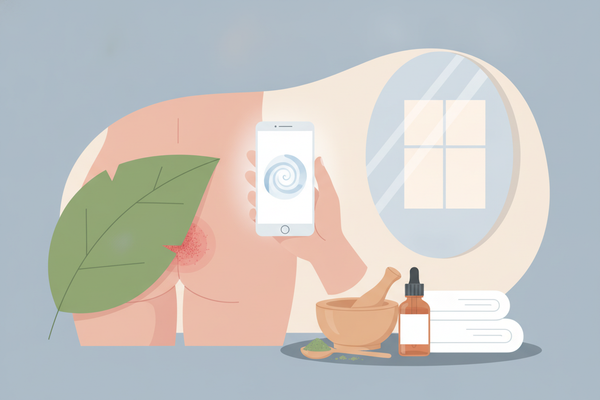
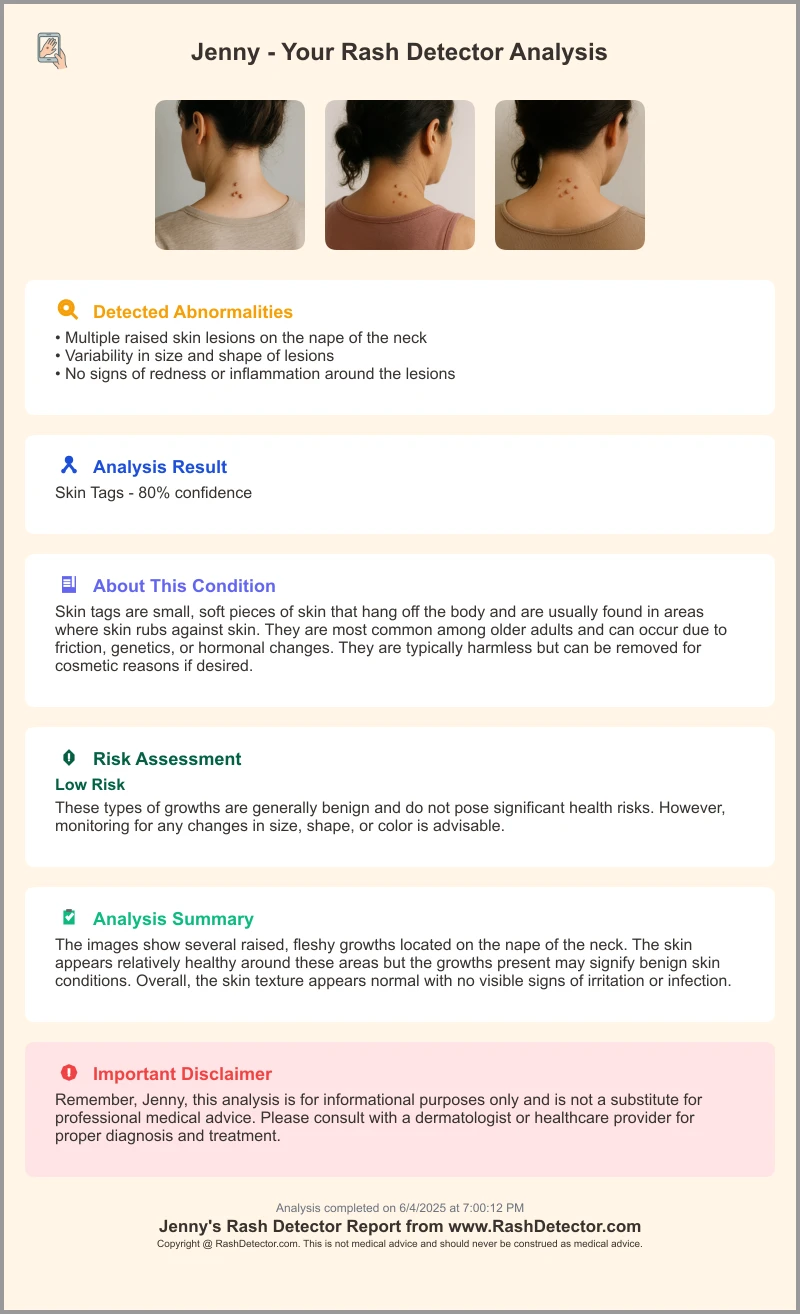
If you want to complement clinical evaluation with AI-driven skin analysis, try the Skin Analysis App for an instant self-assessment. Below is a sample report generated with this tool:
Section 3 – Step-by-Step Guide to Medication Rash Treatment
Step 1: Assess Severity & Red Flags
Classify rash severity:
- Mild: limited rash, no blisters or systemic signs
- Severe: blisters, mucosal involvement, anaphylaxis signs
Step 2: Safely Stop the Suspected Medication
- Never halt essential prescriptions without medical advice unless an emergency occurs.
- Most rashes improve within 1–2 weeks after stopping the culprit drug.
- Providers may replace the drug with a safer alternative if treatment is still needed.
Step 3: OTC Relief & Home Remedies
- Oral antihistamines: cetirizine 10 mg once daily or diphenhydramine 25 mg every 6 hours
- Low-potency topical steroids: hydrocortisone 1% cream
- Cool compresses, fragrance-free moisturizers, gentle skin cleansers
- Avoid hot showers and scratching to reduce irritation
Step 4: Prescription & Medical Interventions
- Prescription-strength topical steroids or higher-dose oral antihistamines
- Short course of oral corticosteroids (prednisone 0.5–1 mg/kg/day, taper over 1–2 weeks)
- Emergency care for anaphylaxis: IM epinephrine, IV corticosteroids/antihistamines
- IVIG and burn-unit supportive care for SJS/TEN patients
For a more detailed overview of how to identify, manage, and prevent drug rashes, see our comprehensive guide on medication rash treatment or our comprehensive guide to identifying, managing, and preventing drug-induced rashes.
Step 5: Follow-Up, Monitoring & Documentation
- Schedule follow-up visits to track rash resolution and lab trends (liver, kidney)
- Photograph rash progression for medical records
- Document confirmed drug allergy in your chart and personal allergy card
Section 4 – When to Seek Medical Advice
Red Flags & Emergency Signs
- Difficulty breathing, wheezing, or chest tightness
- Swelling of face, lips, tongue, or throat
- Rapid blistering or peeling skin
- Painful, raw skin areas or mucosal ulcers
- High fever, low blood pressure, or organ dysfunction signs
Advanced Diagnostics & Allergy Testing
- Skin biopsy for definitive diagnosis
- Blood work (CBC with eosinophils, liver and renal panels, inflammatory markers)
- Specialist-supervised allergy testing (penicillin skin tests, patch tests)
Section 5 – Preventative Measures
- Keep an up-to-date list of drug allergies and reaction details
- Wear medical alert jewelry if you have a severe allergy
- Always inform every healthcare provider about past drug reactions
- Follow prescribed dosages; never self-adjust or reuse culprit drugs
- Discuss allergy or patch testing for topical agents when needed
- Engage specialist management if you have a history of severe SCARs to guide safe medication choices
For more prevention strategies, check out 10 Expert Tips to Prevent Recurring Rashes and Maintain Healthy Skin.
Conclusion & Key Takeaways
- Medication-induced rashes range from mild drug eruptions to life-threatening SCARs.
- Promptly identify and stop the offending drug under medical supervision.
- Mild cases often resolve with OTC antihistamines, topical steroids, and gentle skin care.
- Red-flag signs warrant immediate emergency care.
- Maintain clear documentation of drug allergies and ensure specialist follow-up for severe reactions.
Effective medication rash treatment relies on early recognition, timely intervention, and prevention of future reactions.
Additional Resources
Further Reading
- Merck Manual – “Drug Rashes”
- Johns Hopkins Medicine – “Drug Rashes”
- Harvard Health – “When is a drug rash more than just a rash?”
- Cleveland Clinic J. Med. – “Deadly drug rashes: Early recognition and multidisciplinary care”
FAQ
- How long after stopping the drug does a rash fade?
- Most mild eruptions improve within 1–2 weeks of stopping the medication. Severe reactions like SCARs may take longer to resolve.
- Can I manage a drug rash at home?
- For mild rashes without red flags, you can use OTC antihistamines, low-potency steroid creams, and cool compresses. Always inform your provider.
- Should I ever restart a medication that caused a rash?
- Generally no. Re-exposure can provoke a faster, more severe reaction. Desensitization or rechallenge should only occur under specialist supervision.
- Is every rash on medication an allergy?
- No—some rashes are non-allergic side effects or related to other causes. Professional evaluation is needed to distinguish true drug allergy.
- Do antihistamines/steroids cure the rash?
- They relieve itching and inflammation, but the rash ultimately clears because the triggering medication is stopped and the immune response subsides.