A Complete Guide to Medication Rash Treatment
Learn effective medication rash treatment strategies, including identifying symptoms, causes, and prevention to manage drug-induced skin reactions safely.
Estimated reading time: 7 minutes
Key Takeaways
- Early recognition of drug rashes prevents progression to serious conditions.
- Discontinuation of the offending medication is the primary intervention.
- Pharmacologic therapies range from antihistamines and corticosteroids to immunosuppressants and desensitization protocols.
- Supportive home care such as cool compresses and gentle skin care can ease discomfort.
- Prevention hinges on documenting allergies and monitoring new medications carefully.
- Emergency warning signs (blistering, mucosal involvement, breathing difficulty) require immediate medical attention.
Table of Contents
- Introduction
- Understanding Medication-Induced Rashes: Why Medication Causes Rash
- Recognizing Medication Rash Symptoms and Warning Signs
- Diagnosis of Medication Rashes: Medication Rash Diagnosis Steps
- Medication Rash Treatment Options: Effective Rash Treatment Options
- Home Remedies for Rash: Medication Rash Treatment at Home
- Prevention of Medication Rash: Strategies for Medication Rash Treatment
- Conclusion: Medication Rash Treatment Recap
- Disclaimer: Medication Rash Treatment Information
- FAQ
Introduction
Medication rash treatment starts with recognizing that skin reactions can occur after taking any prescription drug, over-the-counter medicine, supplement, or herbal product. Medication-induced rashes are hypersensitivity or non-allergic eruptions caused by these substances. Medication rash treatment refers to the steps taken to relieve the rash, stop its spread, and prevent serious complications.
In this guide, we’ll cover:
- Causes and triggers of medication-induced rashes
- Ways to recognize symptoms and red-flag signs
- Diagnostic steps your healthcare provider will use
- Medical treatment options and desensitization protocols
- Home remedies and comfort measures
- Strategies to prevent future drug rashes
- When to seek urgent medical care
This article follows E-E-A-T principles by citing expert sources, real-world examples, and actionable advice you can trust.
Sources:
Understanding Medication-Induced Rashes: Why Medication Causes Rash
Medication-induced rashes occur when the body reacts to a drug or supplement. They can be true allergic (immune-mediated) reactions or non-allergic skin responses such as photosensitivity. Proper medication rash treatment begins with understanding these mechanisms. For a comprehensive overview, see our guide to identifying and managing drug-induced skin reactions.
Common causes:
- Allergic immune response (type I or IV hypersensitivity)
- Non-allergic side effects (direct toxicity)
- Phototoxic or photoallergic reactions (sun sensitivity)
Frequent drug triggers include:
- Antibiotics: penicillins, cephalosporins, sulfa drugs
- Nonsteroidal anti-inflammatory drugs (NSAIDs)
- Anticonvulsants: phenytoin, carbamazepine
- Diuretics and blood pressure medicines
How to tell drug rashes apart from other skin eruptions:
- Onset shortly after starting a new medication
- Often widespread (generalized exanthem) rather than localized contact rash
- Improvement or resolution upon discontinuation of the suspected drug
Accurate identification prevents progression to severe reactions like Stevens-Johnson syndrome or toxic epidermal necrolysis. Always report any new skin changes to your provider.
Recognizing Medication Rash Symptoms and Warning Signs
Not all drug rashes are the same. Early recognition supports swift medication rash treatment and prevents serious complications. For more on early symptom recognition and management, see Identifying and Managing Drug-Induced Rash Symptoms.
Typical mild symptoms:
- Redness or pink discoloration (exanthematous rash)
- Itching or pruritus
- Small raised bumps or papules
- Hives or urticaria
- Mild swelling (edema)
- Low-grade fever
Serious presentations requiring urgent evaluation:
- Painful or burning skin
- Purpura (purple bruiselike spots)
- Blistering or peeling (vesicles, bullae)
- Pustules or acneiform eruptions
- Mucosal involvement: mouth, eyes, genitals
Red-flag signs demanding immediate care:
- Difficulty breathing or wheezing
- Throat or tongue swelling
- Fainting or dizziness
- Rapid spread of rash or blistering
- Severe mucosal ulcers
- High fever (over 38.5 °C/101.3 °F)
If you notice any of these warning signs, call emergency services or go to the nearest ER.
Diagnosis of Medication Rashes: Medication Rash Diagnosis Steps
- Detailed patient history
- Timing of rash onset versus drug start date
- All prescription, over-the-counter, supplement, and herbal products
- Past reactions to any medication or food
- Physical skin examination
- Pattern (morbilliform, urticarial, pustular)
- Distribution (trunk, limbs, face)
- Mucous membrane involvement
- Comprehensive list of exposures
- Eye and nose drops
- Topical preparations and suppositories
- Vitamins, minerals, and herbal remedies
- Optional diagnostic tests
- Skin biopsy for ambiguous or severe lesions
- Patch testing for delayed hypersensitivity
- Targeted allergy skin testing (prick or intradermal)
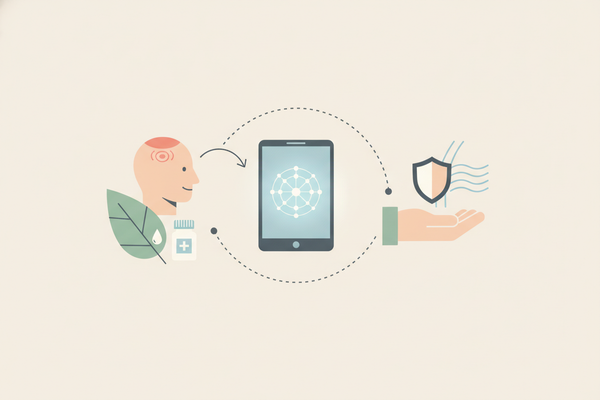
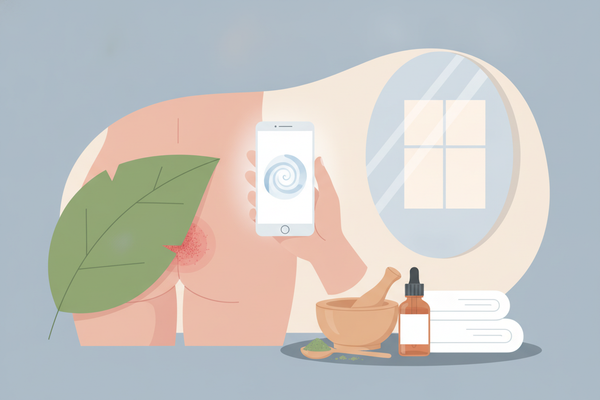
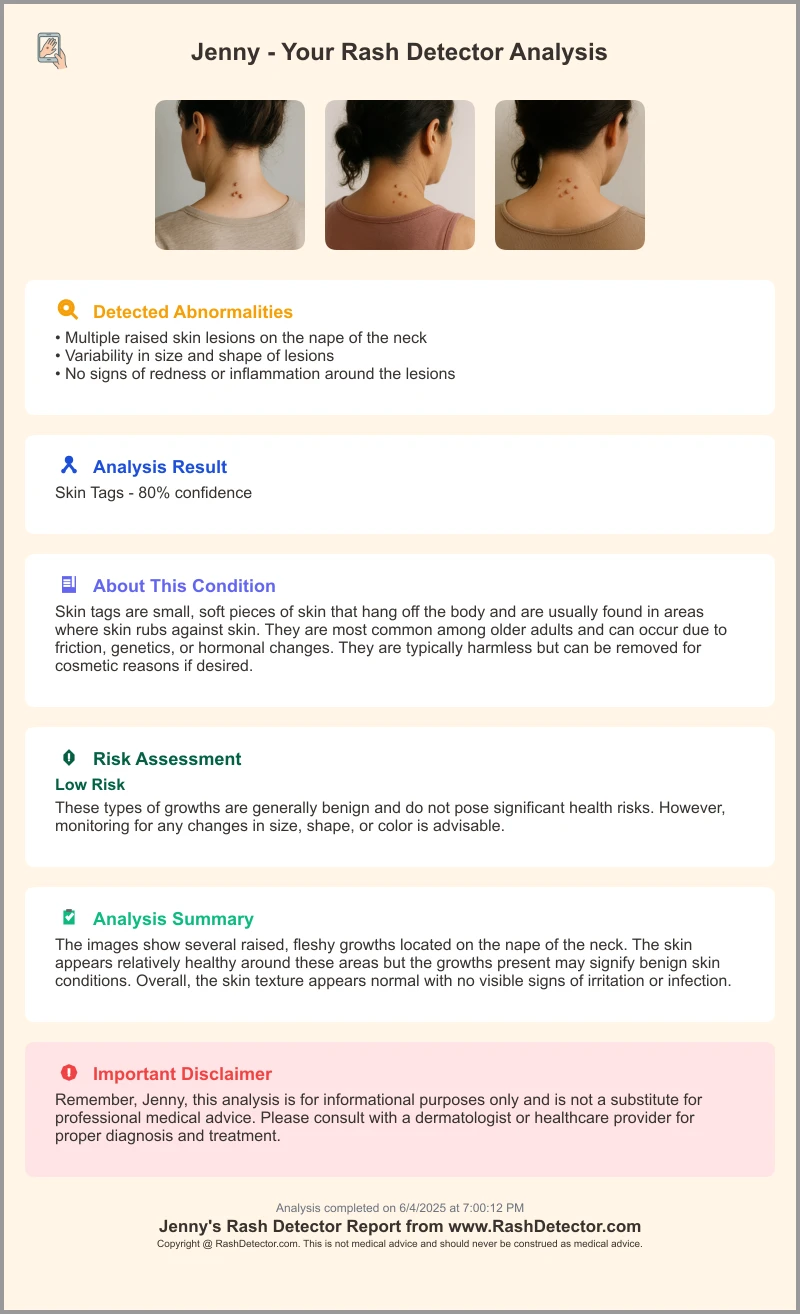
In addition to clinical evaluation, AI-based tools such as Rash Detector can analyze photos of your rash and generate an instant report for quicker insights.
Medication Rash Treatment Options: Effective Rash Treatment Options
Effective medication rash treatment starts with stopping the culprit drug under medical guidance. For more on managing allergic drug rashes, see Managing Drug Allergy Rash: A Comprehensive Guide. For a step-by-step approach to diagnosis and management, refer to our identification, diagnosis & management guide.
- Primary intervention: Discontinue suspected medication immediately (with provider approval) and substitute safer alternatives when possible
- Antihistamines (oral or topical) to control itching and hives
- Topical corticosteroids (creams or ointments) for localized inflammation
- Oral corticosteroids (short taper of prednisone) for widespread or severe eruptions
- Systemic immunosuppressants (e.g., cyclosporine) for life-threatening reactions
- Desensitization protocols for essential drugs under close monitoring
Home Remedies for Rash: Medication Rash Treatment at Home
While medical evaluation is essential, these supportive measures can ease discomfort as you await professional care:
- Cool, damp compresses (avoid ice directly on skin)
- Gentle, fragrance-free moisturizers to soothe dryness
- Lukewarm showers with mild, soap-free cleansers
- Loose cotton clothing to reduce friction
- Trimmed nails to minimize skin damage from scratching
Additional tips:
- Oatmeal baths for anti-inflammatory relief
- Elevate affected limbs to reduce edema
- Stay out of direct sunlight if photosensitivity is suspected
These home remedies are adjunctive, not replacements for prescribed treatment. Always notify your provider of changes in symptoms.
Prevention of Medication Rash: Strategies for Medication Rash Treatment
Preventing drug rashes reduces the need for treatment and protects your skin. Key strategies include:
- Report all past medication reactions to every healthcare provider
- Maintain an up-to-date list of prescription, OTC, and herbal products
- Ask about rash/allergy risk before starting new drugs
- Inquire about alternative medications if you have known allergies
- Watch for early warning signs after initiating a new therapy
- Ensure confirmed drug allergies are documented in medical records
For expert advice on preventing recurring skin reactions, see 10 Expert Tips to Prevent Recurring Rashes and Maintain Healthy Skin.
Conclusion: Medication Rash Treatment Recap
Medication-induced rashes range from mild red bumps to life-threatening blisters. Effective treatment hinges on early recognition, accurate diagnosis, stopping the offending drug, tailored pharmacologic therapy, supportive home measures, and preventive communication to avoid repeat events. For a comprehensive summary on managing and preventing drug-induced skin reactions, visit our comprehensive guide to identifying, managing, and preventing drug-induced skin reactions.
If you suspect a drug-related rash, seek medical advice promptly, and call emergency services if serious warning signs emerge.
Disclaimer: Medication Rash Treatment Information
This article is for informational purposes only and does not replace professional medical advice. Always consult a qualified healthcare provider before making any changes to your medication regimen. If you experience a serious skin reaction or systemic symptoms, seek immediate medical attention.
FAQ
- Q: How soon after taking a medication can a rash appear?
A: Rashes can develop within hours to weeks of starting a new drug, depending on the mechanism (immediate vs. delayed hypersensitivity). - Q: Can I treat a drug rash at home?
A: Mild rashes may benefit from cool compresses and antihistamines, but any widespread or severe eruption requires medical evaluation. - Q: When should I see an allergist?
A: If you need an essential medication that previously caused a rash, an allergist can perform testing and potential desensitization protocols. - Q: Will my rash recur if I re-expose myself to the same drug?
A: Yes, re-exposure often triggers a more severe reaction. Always inform providers of past drug rashes. - Q: Are supplements and herbal remedies safe from causing rashes?
A: No, any substance—prescription, OTC, supplement, or herbal—can provoke skin reactions.