Medication Rash Treatment: A Comprehensive Guide
Explore effective strategies for medication rash treatment, identifying symptoms, and preventing severe reactions with our comprehensive guide.
Estimated reading time: 8 minutes
Key Takeaways
- Medication-induced rashes can range from mild hives to life-threatening conditions like SJS/TEN.
- Early recognition and stopping the offending drug improves outcomes.
- Supportive care includes antihistamines, corticosteroids, and home remedies.
- Know red-flag symptoms that warrant routine vs emergency care.
- Maintain an up-to-date allergy list to prevent future reactions.
Table of Contents
- Understanding Medication Rashes
- Identifying Signs
- Treatment Options
- Management Strategies
- When to Consult
- Preventing Recurrence
- Conclusion
Section 1: Understanding Medication Rashes
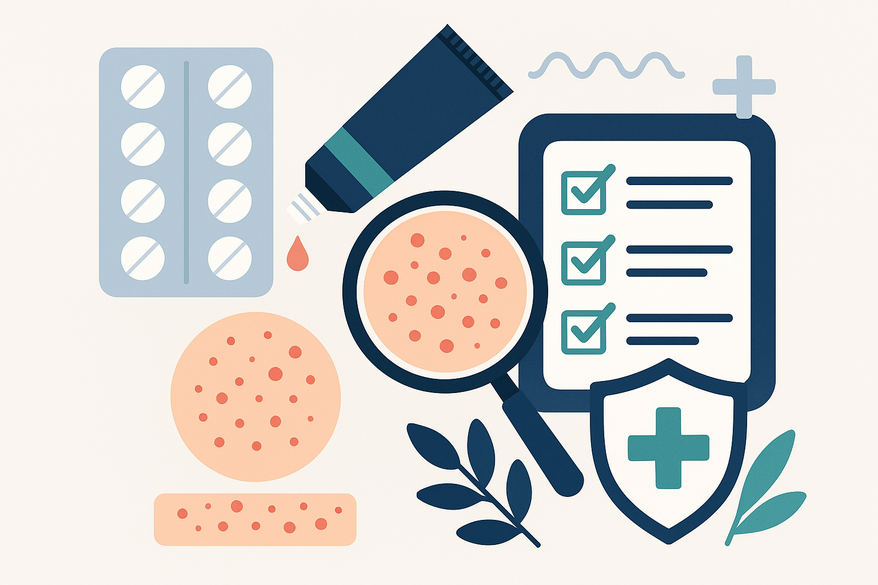
Medication rash is any skin eruption that appears after taking a drug. It ranges from mild red bumps to widespread eruptions and may involve hives or morbilliform patterns.
Potential triggers include:
- Antibiotics (penicillins, sulfonamides)
- NSAIDs
- Anticonvulsants (phenytoin, carbamazepine)
- Allopurinol
Severe reactions like Stevens-Johnson syndrome (SJS) or DRESS syndrome require immediate drug discontinuation and emergency care.
Section 2: Identifying Signs
Key early signs include:
- Itching, burning, redness, and swelling
- Hives or widespread maculopapular rash
- Blistering or peeling in severe cases
Routine medical advice is needed if the rash spreads, is painful, or accompanied by fever. Seek emergency care for difficulty breathing, facial swelling, low blood pressure, or extensive blistering.
To differentiate from contact dermatitis, note that medication rashes often appear days after starting a drug and may involve mucous membranes.
For detailed symptoms of drug-induced rash, see the linked guide.
Section 3: Treatment Options
The first step is stopping the suspected drug. Treatment varies by severity:
Mild reactions
- Oral antihistamines for itch and hives
- Topical corticosteroids for localized inflammation
Moderate to severe reactions
- Oral or IV corticosteroids for systemic involvement
- Epinephrine auto-injector for anaphylaxis
- Hospital admission for SJS/TEN: fluid/electrolyte management, wound care, infection prevention
Home-care adjuncts
- Cool, wet compresses
- Oatmeal or lukewarm baths
- 1% hydrocortisone or calamine lotion
- Keep nails trimmed; avoid scratching
- Moisturize daily; limit sun exposure
Learn advanced management strategies.
Section 4: Management Strategies
Match the treatment to rash type for optimal recovery:
Acute urticaria (hives)
- Oral antihistamine + topical steroid
- Cool compresses; avoid triggers
Morbilliform eruptions
- Topical or short-course oral corticosteroids
- Continue antihistamines
Important precautions:
- Never resume the suspected drug without clinician approval.
- Avoid relying solely on home remedies if rash is widespread or systemic.
- Follow up with your provider—severe reactions can recur.
Section 5: When to Consult
Red-flag symptoms needing immediate care:
- Breathing difficulty or wheezing
- Facial, lip, tongue, or throat swelling
- Extensive blistering or peeling
- Mucosal involvement (eyes, mouth, genitals)
- High fever or organ dysfunction
Effective communication with your healthcare provider:
- Exact medication name, dose, and schedule
- Start and stop dates
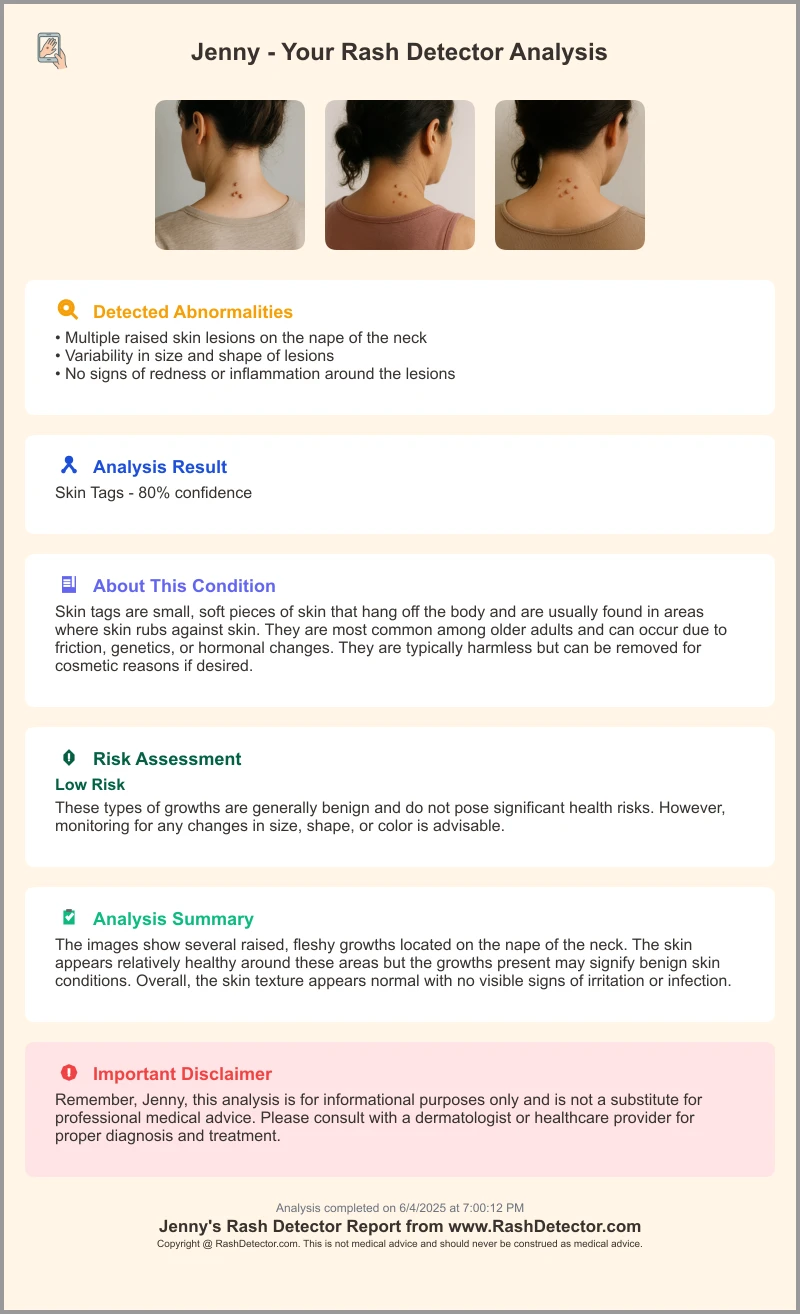
- Rash timeline with photos
- Previous drug reactions or allergies
- All OTC medicines and supplements
Diagnostics are mostly clinical; allergy testing or biopsy is reserved for complex cases.
Section 6: Preventing Recurrence
To reduce future risk:
- Keep an updated allergy list; share with providers
- Review medications regularly with a clinician or pharmacist
- Report any new rash immediately
- Avoid re-exposure unless cleared by a specialist
- Discuss alternative drugs or desensitization protocols
Conclusion
Prompt identification and proper management are vital. Always stop the suspected drug first, then use antihistamines, steroids, or supportive care as needed. Know when to seek routine versus emergency attention. Keep detailed records of reactions and communicate openly with healthcare professionals. Staying informed and proactive helps ensure a safe recovery and prevents future episodes.
FAQ
- How long does a medication rash last?
Mild rashes often clear in 1–2 weeks after stopping the drug, though some may take longer. - Can I treat a medication rash at home?
Minor itching and redness can be eased with antihistamines, topical steroids, cool compresses, and oatmeal baths. Seek medical advice if symptoms worsen. - Should I stop my medicine if I get a rash?
Stop the suspected medication and contact your doctor before restarting, especially if the drug is critical for your health. - When is it an emergency?
Seek urgent care for breathing problems, facial or throat swelling, extensive blistering, fever, or signs of organ involvement.