Comprehensive Guide to Medication Rash Treatment
Explore medication rash treatment with expert advice on identifying, managing, and preventing drug-induced rashes safely.

Estimated reading time: 8 minutes
Key Takeaways
- Medication rashes can range from mild itching to life-threatening reactions like SJS/TEN.
- Early identification—timing, appearance, and patient history—is crucial for safe management.
- Treatment focuses on discontinuing the culprit drug under supervision, symptom relief, and supportive skin care.
- Recognize emergency red flags (breathing difficulty, widespread blisters, mucosal involvement) and seek immediate care.
- Prevent recurrence by documenting allergies, informing providers, and using desensitization protocols when necessary.
Table of Contents
- 1. Introduction: What Is Medication Rash Treatment?
- 2. Understanding Medication-Induced Rashes: Treatment Basics
- 3. Causes and Risk Factors
- 4. Identification of a Medication Rash
- 5. Medication Rash Treatment Options
- 6. When to Seek Professional Help
- 7. Preventive Measures
- 8. Conclusion & Next Steps
- FAQ
1. Introduction: What Is Medication Rash Treatment?
Medication rash treatment refers to the steps taken to manage skin reactions caused by drugs, including stopping the offending medicine under supervision, relieving symptoms, and providing supportive care. These measures reduce discomfort and the risk of serious complications.
A medication-induced rash (drug eruption) occurs when a prescription or over-the-counter medication triggers an allergic or non-allergic skin response. Allergic rashes involve the immune system and may recur on re-exposure. Non-allergic rashes result from direct drug toxicity, photosensitivity, or other mechanisms.
Timely treatment matters because reactions range from mild itching to severe systemic conditions like Stevens-Johnson Syndrome (SJS), Toxic Epidermal Necrolysis (TEN), or DRESS (Drug Reaction with Eosinophilia and Systemic Symptoms). Without prompt care, these can damage organs or become life-threatening.
2. Understanding Medication-Induced Rashes: Treatment Basics
A medication rash is any skin eruption—redness, bumps, hives, blisters, or peeling—triggered by a drug. It differs from eczema, psoriasis, or contact dermatitis because the culprit is a medicine and timing links to starting or changing a dose. For a deeper dive into signs and symptom patterns, see Identifying and Managing Drug-Induced Rash Symptoms.
- Morbilliform eruption: Fine red macules/papules, often on the trunk, appearing 1–2 weeks after drug initiation.
- Urticaria/hives: Transient, itchy wheals that appear within hours; driven by histamine release.
- Fixed drug eruption: Round patches that recur in the same spot each time the drug is taken.
- SCARs (Severe Cutaneous Adverse Reactions):
- SJS/TEN: Painful red or purplish rash with blisters, mucosal sores, and skin detachment.
- DRESS: Rash plus fever, facial swelling, and organ involvement 2–6 weeks after exposure.
- AGEP: Sudden pustule eruption with fever and high white blood cell count.
Warning signs of severe reactions: Skin pain, deep red or purple discoloration, widespread blisters or peeling, mucosal sores, fever, facial swelling, wheezing, or low blood pressure.
3. Causes and Risk Factors
High-risk drug classes:
- Antibiotics (penicillins, sulfonamides, cephalosporins)
- Anticonvulsants (carbamazepine, phenytoin, lamotrigine) – linked to SJS/TEN, DRESS
- Allopurinol – often linked to DRESS and SJS/TEN
- NSAIDs (ibuprofen, naproxen)
- Antiretrovirals and antipsychotics
Patient risk factors include prior drug allergy, high doses, rapid dose escalation, concurrent viral infections, polypharmacy, and certain HLA gene variants. For allergy-focused prevention strategies, consult Managing Drug Allergy Rash: A Comprehensive Guide.
4. Identification of a Medication Rash
Key clues: Timing with drug start or dose change, symmetric distribution, systemic features (fever, facial edema).
Onset timelines:
- Immediate (minutes–hours): Hives, anaphylaxis.
- Delayed (days–weeks):
- Morbilliform eruptions: 1–2 weeks
- DRESS: 2–6 weeks
- SJS/TEN: first few weeks
- Re-exposure: Rapid recurrence at same or new sites.
Tracking tips: List all medicines with dates and doses, photograph the rash daily in good light, record onset time, symptoms, and any self-treatments. For a systematic approach, see How to Track Rash Progress Pictures: A Step-by-Step Guide.
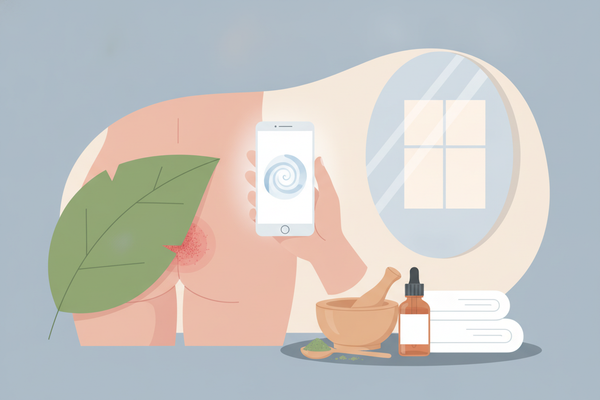
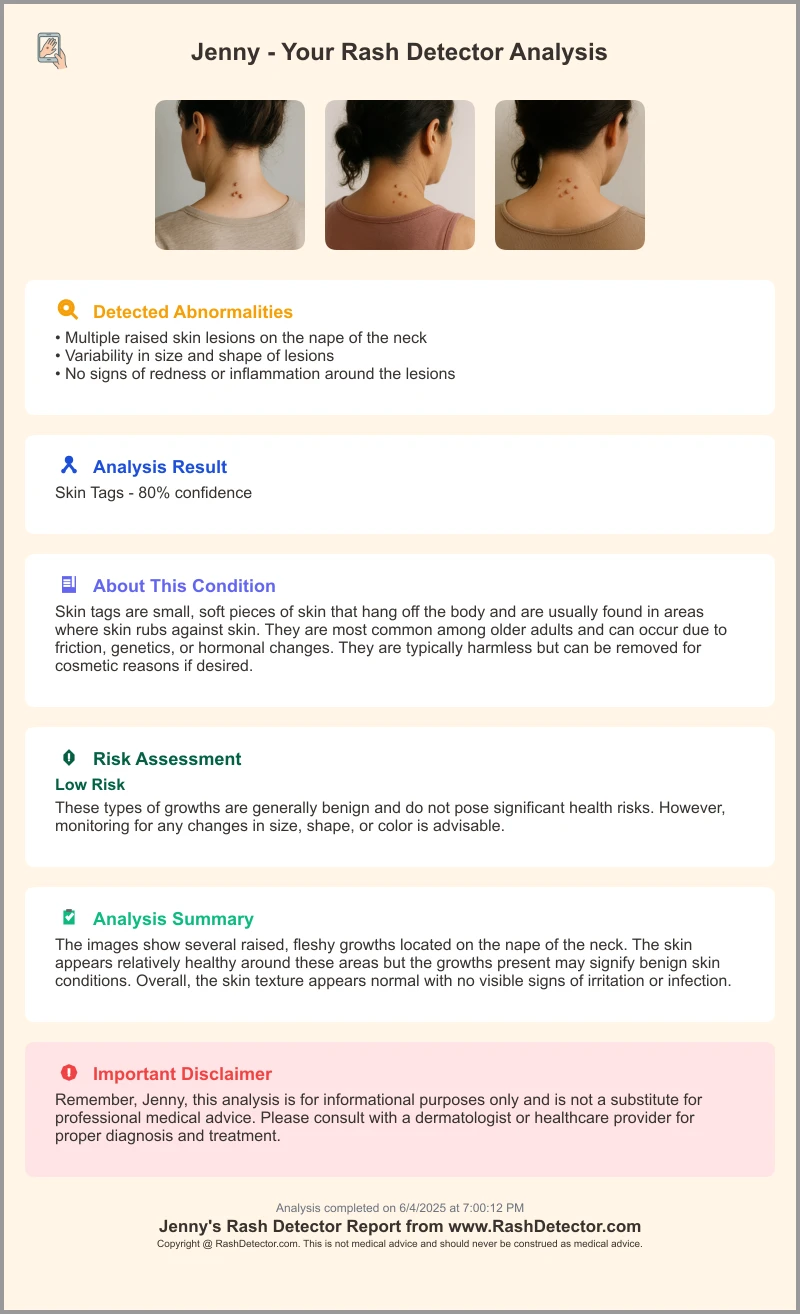
For an effortless way to document and analyze your rash over time, try Rash Detector. This AI skin analysis app generates instant, easy-to-read reports based on your uploaded images.
5. Medication Rash Treatment Options
Core principle: Discontinue or adjust the culprit drug under medical supervision, then relieve symptoms and support skin healing.
Mild rash management:
- Oral antihistamines (cetirizine, diphenhydramine)
- Topical corticosteroids (hydrocortisone, desonide)
- Emollients, moisturizers
- Cool compresses, oatmeal baths
- Avoid scratching and tight clothing
Moderate/severe reactions:
- Systemic corticosteroids for DRESS (specialist-led in SJS/TEN)
- Epinephrine for anaphylaxis
- Immunomodulators (IVIG, cyclosporine) in burn-unit-style care
- Multidisciplinary support: fluids, pain control, infection prevention, eye care
Ongoing supportive care: gentle, fragrance-free cleansing; frequent moisturization; sun protection; monitor for worsening pain, fever, new blisters.
6. When to Seek Professional Help
Emergency red flags: Breathing difficulty, throat tightness, facial swelling, rapid rash spread, large-area blisters, mucosal ulcers, high fever, organ involvement.
Urgent non-emergency visits: Any new rash after starting medication, spreading rash, severe itch, rash persisting despite OTC measures, multiple drugs in use.
Prepare for your visit: Full medication list, photographs, symptom diary, past allergy history.
7. Preventive Measures
- Document all past drug reactions in your health records.
- Share records with every provider and pharmacist.
- Wear a medical ID bracelet for severe reactions.
- Avoid re-exposure without specialist-supervised desensitization.
- Clinicians should take thorough allergy histories before prescribing.
- Report any rash immediately rather than altering doses on your own.
8. Conclusion & Next Steps
Medication-induced rashes range from mild erythema to life-threatening SCARs. The core of treatment is stopping the offending drug under medical supervision, relieving symptoms with antihistamines, topical steroids, and supportive skin care, and monitoring for red-flag signs.
Key red flags: Difficulty breathing, extensive blistering, mucosal sores, fever, or organ involvement. Document all reactions and communicate them to your healthcare team to avoid repeat or worse reactions.
Next steps:
- Consult your primary care provider about any past or new drug rash.
- Seek referrals to dermatologists or allergists for severe reactions.
- Use reputable patient-education resources to prepare questions for your clinician.
This guide supports informed self-care but does not replace personalized medical advice. Always seek professional evaluation for any concerning medication rash.
FAQ
- What is a drug-induced rash?
A skin reaction—redness, itching, hives, blisters—triggered by a prescription or over-the-counter medication. - How should I treat a mild medication rash?
Stop the suspected drug under medical advice, take oral antihistamines, apply topical steroids, and use cool compresses. - When is a rash an emergency?
Seek immediate care if you experience breathing difficulty, facial swelling, widespread blistering, or mucosal sores. - Can medication rashes be prevented?
Yes—by documenting allergies, sharing records, wearing medical IDs, and following specialist-guided desensitization if needed. - Do I need a dermatologist or allergist?
For mild rashes, your primary care provider may suffice. Severe or recurrent reactions benefit from specialist evaluation.