Medication Rash Treatment: How to Identify, Manage, and Prevent Drug Rashes
Learn how to identify, manage, and prevent medication-induced rashes with effective treatment strategies to protect your skin and health.

Estimated reading time: 8 minutes
Key Takeaways
- Early recognition and prompt drug withdrawal are vital to prevent progression to severe reactions.
- Rash severity varies from mild maculopapular eruptions to life-threatening conditions like SJS/TEN.
- Diagnosis relies on thorough medication history, clinical evaluation, and targeted lab or biopsy tests.
- Treatment ranges from antihistamines and topical steroids for mild cases to systemic therapy and hospitalization for severe eruptions.
- Prevention includes maintaining detailed records of drug allergies and careful monitoring when starting new medications.
Table of Contents
- Introduction
- Understanding Medication-Induced Rashes
- Identifying Symptoms
- Diagnostic Process
- Treatment Options
- Home Remedies and Self-Care
- When to Consult a Healthcare Professional
- Prevention and Monitoring
- Conclusion
Introduction
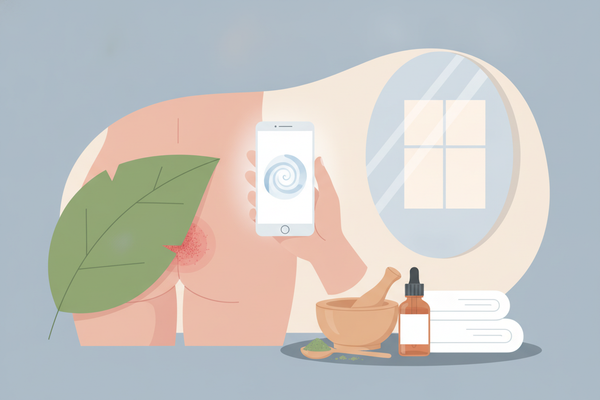
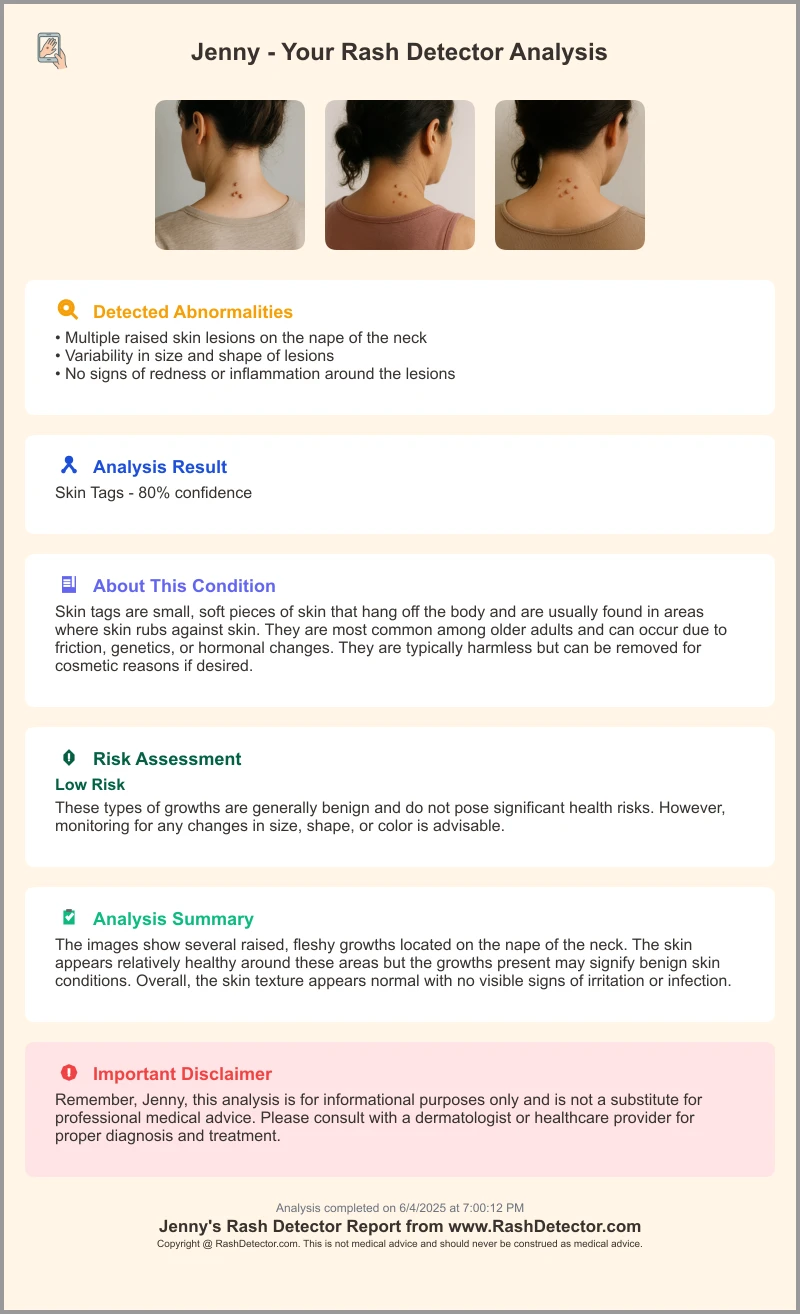
A medication-induced rash is any skin reaction arising as an adverse effect of a drug, and medication rash treatment involves steps to stop the offending agent, relieve symptoms, and avoid serious complications under medical supervision. Medication rash treatment helps you recognize warning signs, understand diagnostic steps, and apply effective therapies to protect your skin and overall health. *This guide provides clear, actionable guidance on identifying medication-related rashes and outlining treatment and self-care strategies.* For an added layer of confidence, you can use Rash Detector, an AI skin analysis app that delivers instant insights.
1. Understanding Medication-Induced Rashes: Medication Rash Treatment Essentials
What Is a Medication-Induced Rash?
- A drug-triggered skin eruption (red spots, hives, blisters, peeling) from an allergic or hypersensitivity reaction.
- Ranges from mild, localized redness to severe multisystem reactions like Stevens–Johnson syndrome (SJS), toxic epidermal necrolysis (TEN), or DRESS.
Common Triggers
- Antibiotics: penicillins, sulfonamides
- Anticonvulsants: phenytoin, carbamazepine
- NSAIDs: ibuprofen, naproxen
- Allopurinol (gout medication)
- Contrast dyes (radiology) and certain biologic drugs
Risk Factors
- Genetics: specific HLA types linked to higher SJS/TEN risk
- Viral infections (e.g., herpes, HIV)
- History of previous drug reactions or atopy
Why Early Identification Matters
Prompt withdrawal of the suspicious drug reduces the risk of progression to life-threatening reactions. Delayed discontinuation in SJS/TEN increases mortality and complications.
2. Identifying Symptoms: Medication Rash Treatment Signs
Typical Rash Presentations
- Morbilliform rash: widespread measles-like red macules and papules
- Urticaria (hives): raised, itchy wheals that can migrate
- Pruritus and burning sensation
- Angioedema: deeper swelling around eyes, lips, genitals
- Vesicles, bullae, or extensive epidermal peeling
For more detail on specific signs and management of drug-induced eruptions, see identifying drug-induced rash symptoms.
Systemic Signs
- Fever, malaise, and flu-like symptoms
- Lymphadenopathy (swollen lymph nodes)
- Facial edema
- In DRESS: organ involvement (liver, kidneys, lungs) with lab abnormalities
Red-Flag Signs Requiring Immediate Care
- Difficulty breathing, wheezing, throat tightness (anaphylaxis)
- Swelling of tongue, lips, or face
- Hypotension, dizziness, syncope
- Painful skin peeling or mucosal sores (SJS/TEN)
- High fever, jaundice, or signs of organ failure
3. Diagnostic Process: Medication Rash Treatment Diagnosis
Clinical Evaluation
- Detailed medication history: prescription, OTC, supplements, contrast agents
- Timeline of drug start, dose changes, and rash onset
- Rash morphology, distribution, and progression
- Assessment of fever or organ involvement
Laboratory and Pathology Tests
- Blood work: CBC, liver and kidney function, inflammatory markers
- Skin biopsy: microscope analysis in atypical or severe cases
- Drug allergy testing or graded challenges in specialized allergy centers (limited to low-risk scenarios)
Diagnostic Challenges
Polypharmacy, delayed-onset reactions, and mimics such as viral exanthems or autoimmune skin disorders can complicate culprit identification. Supervised drug withdrawal and cautious re-challenge are often necessary.
4. Medication Rash Treatment Options: Medication Rash Treatment Strategies
Core Principle: Controlled Drug Discontinuation
Immediate, supervised withdrawal of the suspected drug is critical. Clinicians may substitute a chemically unrelated alternative. Never stop essential medications (e.g., cardiac, anticonvulsant) without physician guidance.
Mild to Moderate Rashes
- Oral antihistamines: diphenhydramine, cetirizine, loratadine
- Topical corticosteroids: hydrocortisone 1% OTC or stronger prescription creams
- Emollients and barrier-supportive lotions
- Most rashes resolve within 7–14 days after drug cessation
Severe or Extensive Rashes (DRESS, SJS/TEN)
- Systemic corticosteroids: oral prednisone or IV methylprednisolone
- Hospitalization: IV fluids, electrolyte management, wound care
- IVIG or immunosuppressants (cyclosporine) in specialized units
- Epinephrine, high-dose antihistamines, and steroids for anaphylaxis
5. Home Remedies and Self-Care: Medication Rash Treatment at Home
Safe Supportive Measures
- Cool compresses for 10–15 minutes to soothe itching
- Lukewarm showers; avoid hot water
- Fragrance-free, dye-free moisturizers
- Loose, breathable fabrics (cotton) and avoid scratching
- Hydration and balanced nutrition
Important Cautions
Do not self-medicate with prescription drugs; always consult a professional. Avoid leftover antibiotics or someone else’s medication. Be cautious with OTC combinations containing NSAIDs.
6. When to Consult a Healthcare Professional: Medication Rash Treatment Help
Routine Consultation Triggers
- Any new rash within days to weeks of starting a medication
- Rash spreading or intensely itchy despite home care
- History of drug reactions to similar medications
Urgent/Emergency Triggers
- Anaphylaxis signs: breathing difficulty, throat tightness, facial swelling
- SJS/TEN manifestations: painful blisters, skin sloughing, mucosal sores
- High fever, malaise, or organ dysfunction (jaundice, decreased urine output)
7. Prevention and Monitoring: Medication Rash Treatment Prevention
Prevention Strategies
- Maintain an accurate, up-to-date list of all medications and known allergies
- Avoid re-exposure to culprit drugs; carry an allergy card or bracelet
- Consider genetic testing (e.g., HLA-B*1502) for high-risk drugs in certain populations
Monitoring Plan When Starting New Drugs
- Daily self-check of skin for redness or swelling for the first 2–4 weeks
- Watch for systemic changes: fever, facial puffiness, flu-like symptoms
- Follow provider instructions on lab monitoring (liver enzymes, blood counts)
Conclusion
Medication-induced rashes span a spectrum from mild eruptions to life-threatening reactions. Early recognition and safe discontinuation of the causative drug form the cornerstone of effective medication rash treatment. Mild cases respond to antihistamines, topical steroids, and gentle skin care, while severe reactions require systemic therapy and specialist support. Maintain open communication with your healthcare team, keep detailed medication and allergy records, and seek immediate care for any red-flag signs. Proactive prevention, close monitoring, and timely intervention ensure optimal outcomes and help you avoid future drug rash complications.
Further Reading:
- Merck Manuals, Drug Rashes
- Johns Hopkins Medicine, Drug Rashes
- Cleveland Clinic Journal of Medicine, Severe Cutaneous Drug Reactions
- Harvard Health Blog, When Is a Drug Rash More Than Just a Rash
- Managing Drug Allergy Rash: A Comprehensive Guide
FAQ
- What causes medication-induced rashes?
They result from allergic or hypersensitivity reactions to certain drugs, such as antibiotics, NSAIDs, anticonvulsants, and more. - When should I seek medical attention for a drug rash?
If you experience difficulty breathing, facial swelling, painful skin peeling, or systemic symptoms like fever and jaundice, seek immediate care. - How are drug rashes diagnosed?
Diagnosis involves reviewing your medication history, conducting a physical exam, ordering lab tests (CBC, liver/kidney function), and sometimes performing a skin biopsy. - What treatments are available for mild versus severe drug rashes?
Mild cases respond to antihistamines and topical steroids; severe eruptions may require systemic corticosteroids, hospitalization, IV therapies, and specialist support. - How can medication rashes be prevented?
Keep detailed records of drug allergies, avoid re-exposure to known culprits, consider genetic testing for high-risk medications, and monitor your skin closely when starting new drugs.