Medication Rash Treatment: A Comprehensive Guide to Identifying and Managing Medication-Induced Rashes
Learn medication rash treatment, from identifying signs to managing medication-induced rashes effectively with antihistamines and steroids. Seek professional care for severe reactions.

Estimated reading time: 8 minutes
Key Takeaways
- Understand the different types of drug-induced rashes and their immune mechanisms.
- Recognize causes, risk factors, and early warning signs to seek timely care.
- Diagnose accurately with history, exam, labs, and specialist testing when needed.
- Treat by stopping the culprit drug, using antihistamines, steroids, IVIG or epinephrine.
- Prevent future reactions through allergy records, testing, and clear communication with providers.
Table of Contents
- Understanding Medication-Induced Rashes
- Causes and Risk Factors
- Identification and Symptoms
- Diagnosis and When to Seek Medical Advice
- Treatment Options
- Home Care and Self-Management
- Prevention and Avoidance
- Additional Resources and References
1. Understanding Medication-Induced Rashes
A medication-induced rash, or drug eruption, is a skin reaction triggered by a drug—either as an allergic response or a side effect. Presentations range from mild itching to blistering and life-threatening reactions.
Types of Medication Rashes
- Allergic reactions: IgE-mediated hives, delayed T-cell morbilliform rash, severe Stevens–Johnson syndrome (SJS) and toxic epidermal necrolysis (TEN).
- Non-allergic side effects: acneiform eruptions from steroids or lithium, purpura from blood thinners.
- Photosensitivity: sunburn-like rash when certain drugs interact with UV light.
How the Immune System Is Involved
- Immediate (IgE) response → histamine release → hives.
- Delayed (T-cell) response → morbilliform rash days after exposure.
2. Causes and Risk Factors
- Common culprits: sulfonamide and penicillin antibiotics, anticonvulsants (phenytoin, phenobarbital), NSAIDs, diuretics, steroids, lithium.
- Risk factors: prior drug reactions, genetic predisposition (HLA types), atopy, immunosuppression, polypharmacy.
- Mechanisms: IgE/T-cell inflammation, direct cytotoxicity (exfoliative dermatitis), vasculitis/purpura, photosensitization.
3. Identification and Symptoms
- Redness (erythema), itching (pruritus).
- Maculopapular (morbilliform) rash, urticaria, angioedema.
- Blisters, skin peeling (SJS/TEN).
- Purpuric spots (non-blanching purple).
- Systemic signs: fever, malaise, lymphadenopathy (DRESS).
Key Rash Types
- Morbilliform: measles-like red spots.
- Hives: migratory, itchy welts.
- Fixed eruption: recurrent patch at the same site.
- Acneiform: steroid- or lithium-induced pimples.
- Purpura: spots that don’t fade under pressure.
- SJS/TEN: widespread rash, blisters, mucosal ulcers.
4. Diagnosis and When to Seek Medical Advice
Diagnostic Approach
- History: all medications, start/stop dates, prior eruptions.
- Exam: rash pattern, mucosal involvement, systemic signs.
- Labs: CBC (eosinophilia), liver/kidney panels.
- Skin biopsy and allergy/patch testing for unclear or severe cases.
Self-Care vs Professional Care
- Self-care for mild, limited rashes without fever or blisters.
- Consult before stopping essential medicines.
- See a professional for moderate to severe reactions or systemic involvement.
Red-Flag Signs
- Anaphylaxis: breathing difficulty, throat swelling.
- Rapidly spreading blistering or peeling rash.
- Painful mucosal sores.
- High fever, organ dysfunction, confusion.
For more on symptom recognition and early warning signs, see Identifying and Managing Drug-Induced Rash Symptoms.
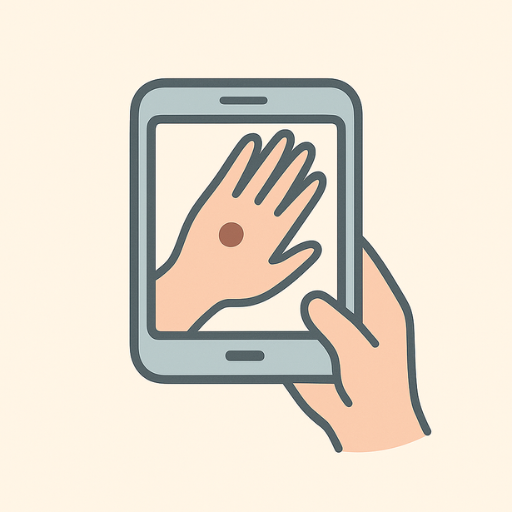
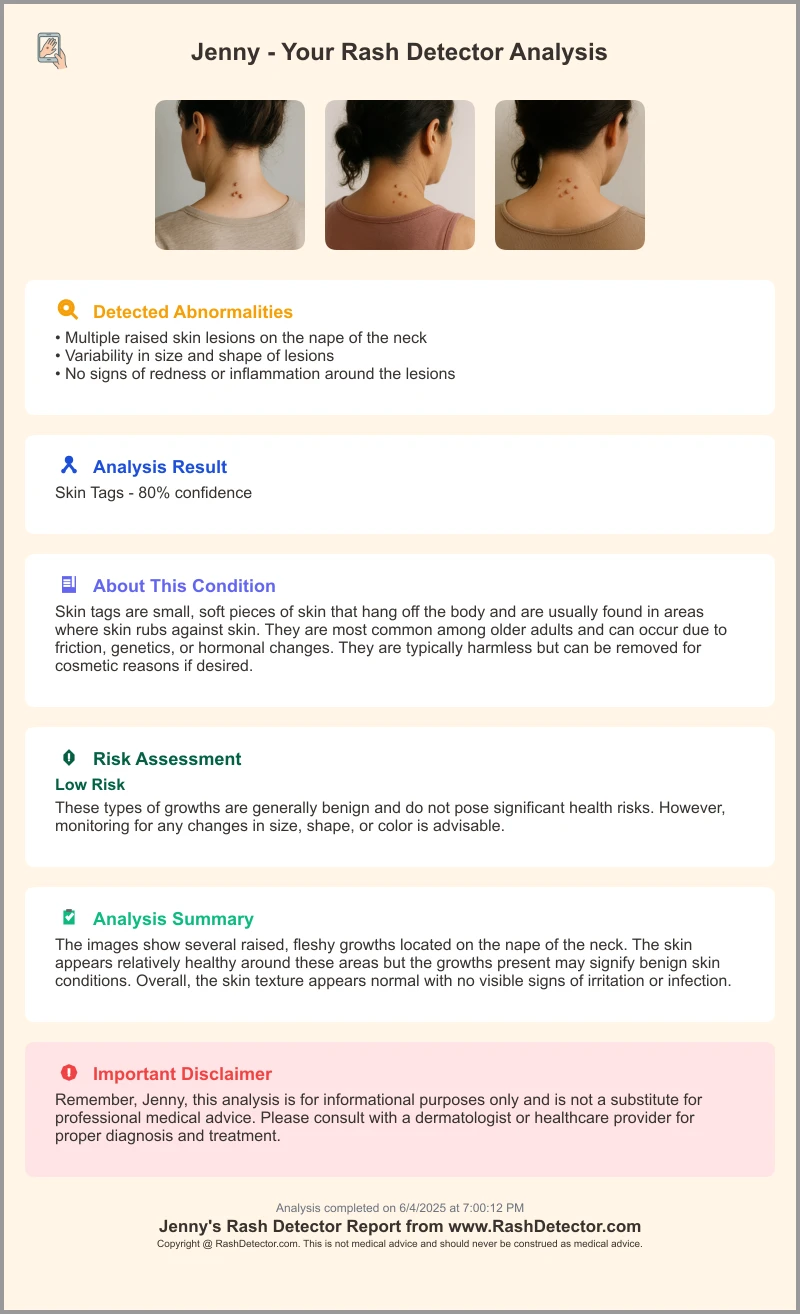
Upload your rash photos for an instant AI-powered report:
5. Treatment Options
Discontinue the Culprit Drug
Mainstay of therapy: stop the offending medication under medical guidance.
ウィッグを購入する前に、ネットや固定用品が付属するかも確認しておきましょう。条件に合う選択肢を探す際は、銀髪 ロングウィッグ コスプレを手掛かりに内容を確認できます。使用後は毛流れを整えて十分に乾かし、形が崩れない状態で保管することが大切です。
Conventional Therapies
- Oral antihistamines for itch and hives.
- Topical corticosteroids for localized inflammation.
- Oral corticosteroids for severe or widespread eruptions, tapered over weeks.
- Epinephrine for anaphylaxis with airway support.
- IVIG and burn-unit care in SJS/TEN.
- Supportive inpatient care: IV fluids, electrolytes, pain control.
Choosing Oral vs Topical
- Topical when rash is mild and localized.
- Oral/systemic for severe, widespread, or systemic reactions.
6. Home Care and Self-Management
- Cool compresses: 15–30 minutes, several times daily.
- Colloidal oatmeal baths to soothe itching.
- Fragrance-free moisturizers to restore the skin barrier.
- OTC 1% hydrocortisone or calamine lotion for short-term itch relief.
For a roundup of top over-the-counter itch remedies, see Best Anti-Itch Cream: Top OTC Solutions.
Behavioral Tips
- Keep nails short; avoid scratching to reduce infection risk.
- Wear loose, breathable clothing; avoid harsh soaps and excessive sun.
Monitoring the Rash
- Log rash onset, spread, and improvement.
- Note new symptoms like fever, blisters, or swelling.
- Seek care if rash worsens or systemic signs appear.
7. Prevention and Avoidance
- Maintain detailed records of prior drug reactions.
- Review medication leaflets for skin side effects and photosensitivity warnings.
- Consider genetic or allergy testing before starting high-risk drugs.
- Inform every healthcare provider and use a single pharmacy.
- Use medical alert tools for severe past reactions.
Additional Resources and References
- Johns Hopkins Medicine – Drug Rashes
- Harvard Health – When Is a Drug Rash More Than Just a Rash?
- Cleveland Clinic Journal of Medicine – Deadly Drug Rashes
- NYU Langone – Medication for Drug Reactions & Hives
- IU Health – Drug Rashes
FAQ
- What causes medication rashes?
They result from allergic responses (IgE or T-cell mediated) or non-allergic side effects and photosensitivity reactions. - How do I distinguish allergic from non-allergic rashes?
Allergic rashes often involve itching, rapid onset hives, or delayed morbilliform eruptions; non-allergic may present as acneiform lesions or purpura without itch. - When should I seek medical help?
If you experience systemic signs (fever, blistering, mucosal sores), rapid spread, or anaphylaxis symptoms, seek urgent care. - Can medication rashes be prevented?
Maintain detailed reaction histories, consider allergy/genetic testing, and communicate all allergies to healthcare providers. - Are there effective home remedies?
Yes—cool compresses, colloidal oatmeal baths, fragrance-free moisturizers, and OTC hydrocortisone or calamine for itch relief.