Medication Rash Treatment: How to Identify, Manage, and Prevent Drug-Induced Rashes
Learn how to identify, manage, and prevent medication-induced rashes with expert tips. Understand symptoms and treatment for effective rash management.

Estimated reading time: 10 minutes
Key Takeaways
- Recognize the signs and timelines of medication-induced rashes, from mild maculopapular eruptions to severe cutaneous adverse reactions.
- Identify red flags—rapid spread, blistering, mucosal involvement, breathing difficulty—and seek immediate care when they appear.
- Diagnose accurately with a detailed drug history, physical exam, labs, and allergy testing to guide safe treatment decisions.
- Treat by discontinuing the offending medication under professional supervision, then using topical steroids, antihistamines, or hospital-based interventions as needed.
- Prevent future reactions by documenting drug allergies, informing healthcare providers, and considering specialist testing.
Table of Contents
- Introduction
- Section 1: Understanding Medication-Induced Rashes
- Section 2: Identifying a Medication-Induced Rash
- Section 3: Diagnosis and Seeking Professional Advice
- Section 4: Medication Rash Treatment Options
- Section 5: Prevention and Management Strategies
- Conclusion
- Additional Resources & References
- FAQ
Introduction
A medication-induced rash is any new skin eruption caused by a prescription drug, over-the-counter medicine, or supplement. Understanding medication rash treatment is essential because these skin reactions can range from mildly itchy spots to life-threatening severe cutaneous adverse reactions. This guide will help you:
- Recognize possible medication-induced rashes
- Know when to seek urgent care
- Understand common treatment and prevention strategies
This content is informational and should not replace professional medical advice.
Section 1: Understanding Medication-Induced Rashes
Mechanisms of Drug Rashes (keyword: medication rash treatment)
Medications can trigger skin reactions through different pathways:
- Allergic (immune-mediated) reactions
– Immediate IgE-mediated: hives and anaphylaxis
– Delayed T-cell–mediated: morbilliform eruptions, Stevens-Johnson syndrome (SJS), toxic epidermal necrolysis (TEN) - Non-allergic reactions
– Pharmacologic side effects and drug accumulation
– Direct irritation of skin cells - Metabolic/genetic factors
– Certain genetic variants in HLA genes predispose to severe cutaneous adverse reactions (SCARs)
These mechanisms explain why some patients develop itchy bumps, while others suffer blistering or skin shedding.
Common Symptoms and Signs (keyword: medication rash treatment)
Signs that suggest a drug-induced rash include:
- New red spots or bumps (macules and papules)
- Itching (pruritus) and hives (urticaria)
- Morbilliform (measles-like) rash on trunk spreading to limbs
- Fever, malaise, or swollen lymph nodes
- Severe features: blistering, skin peeling, mucosal sores, facial swelling, breathing difficulty
Early recognition of these signs helps with prompt medication rash treatment and prevents complications.
Typical Offending Medications and Risk Factors
High-risk drug classes often linked to rashes include:
- Antibiotics: penicillins, sulfonamides, cephalosporins
- Anticonvulsants: carbamazepine, phenytoin, lamotrigine
- NSAIDs: ibuprofen, naproxen
- Allopurinol
- Chemotherapy and targeted cancer agents
- Radiographic contrast media
Risk factors that increase the chance of a medication rash:
- Previous history of drug allergy
- Family history of adverse drug reactions
- Viral infections (e.g., HIV)
- Specific HLA genotypes for particular drugs
Knowing which drugs are most likely to cause rashes and who is at risk supports effective medication rash treatment planning.
Section 2: Identifying a Medication-Induced Rash
Timing and Distribution (keyword: medication rash treatment)
How to spot a drug rash by when and where it appears:
- Onset
– Morbilliform eruptions: days to weeks after starting a medicine
– Urticaria/anaphylaxis: within minutes to hours of a dose - Distribution
– Begins on the trunk, spreads symmetrically to arms and legs
– Often spares the face in early stages
Recognizing the timing and pattern helps differentiate drug rashes from other skin conditions.
Associated Symptoms and Red Flags
Symptoms range from mild to urgent:
- Mild signs
– Mild itch, low-grade fever, or mild discomfort - Red-flag features requiring immediate attention
– Rapid spread over >30% of body
– Painful blistering or peeling
– Mucosal involvement (mouth, eyes, genitals)
– Facial swelling or difficulty breathing
– High fever, hypotension
Being alert to red flags ensures you seek emergency care for anaphylaxis, SJS/TEN, or DRESS (Drug Reaction with Eosinophilia and Systemic Symptoms).
Differentiation from Other Conditions
Key differences between drug eruptions and other rashes:
- Contact dermatitis: limited to areas in direct contact with the irritant
- Viral exanthems: common in children, often with cough/runny nose, not linked to new drugs
- Chronic eczema/psoriasis: long-term history, scaly plaques or persistent inflamed patches
- Drug eruptions: tied closely to medication changes and often systemic signs
A clear drug timeline and rash improvement after drug withdrawal support a drug rash diagnosis.
Visual Cues and Examples
Common rash patterns:
- Morbilliform rash: flat red spots and small bumps merging on the trunk
- Urticaria (hives): raised wheals that move around and itch intensely
- Fixed drug eruption: round, dusky patches that recur in the same spot
- SCARs: target lesions, widespread blisters, epidermal detachment
Viewing images on DermNet NZ or Merck Manual can aid recognition before clinical evaluation.
For more details on drug-induced rash symptoms and to learn long-term management of drug allergy rash.
Section 3: Diagnosis and Seeking Professional Advice
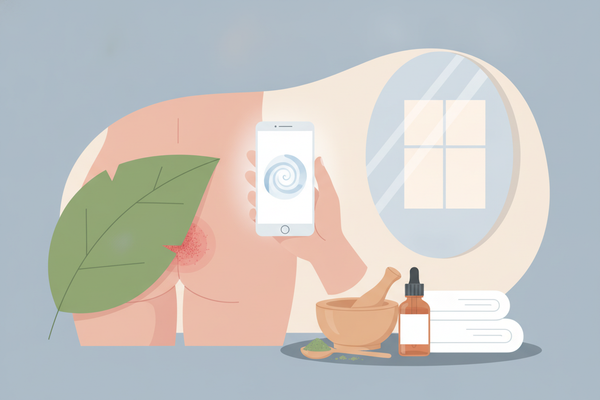
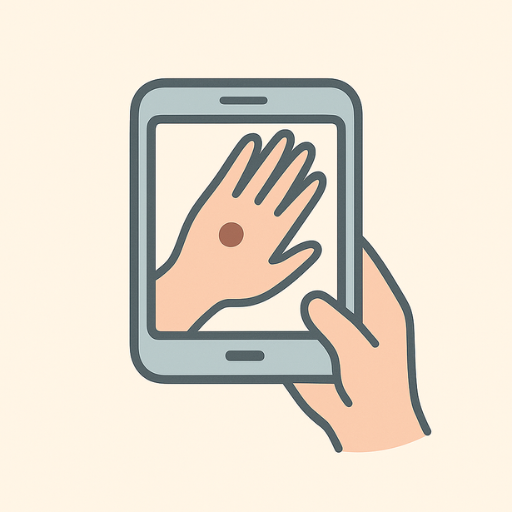
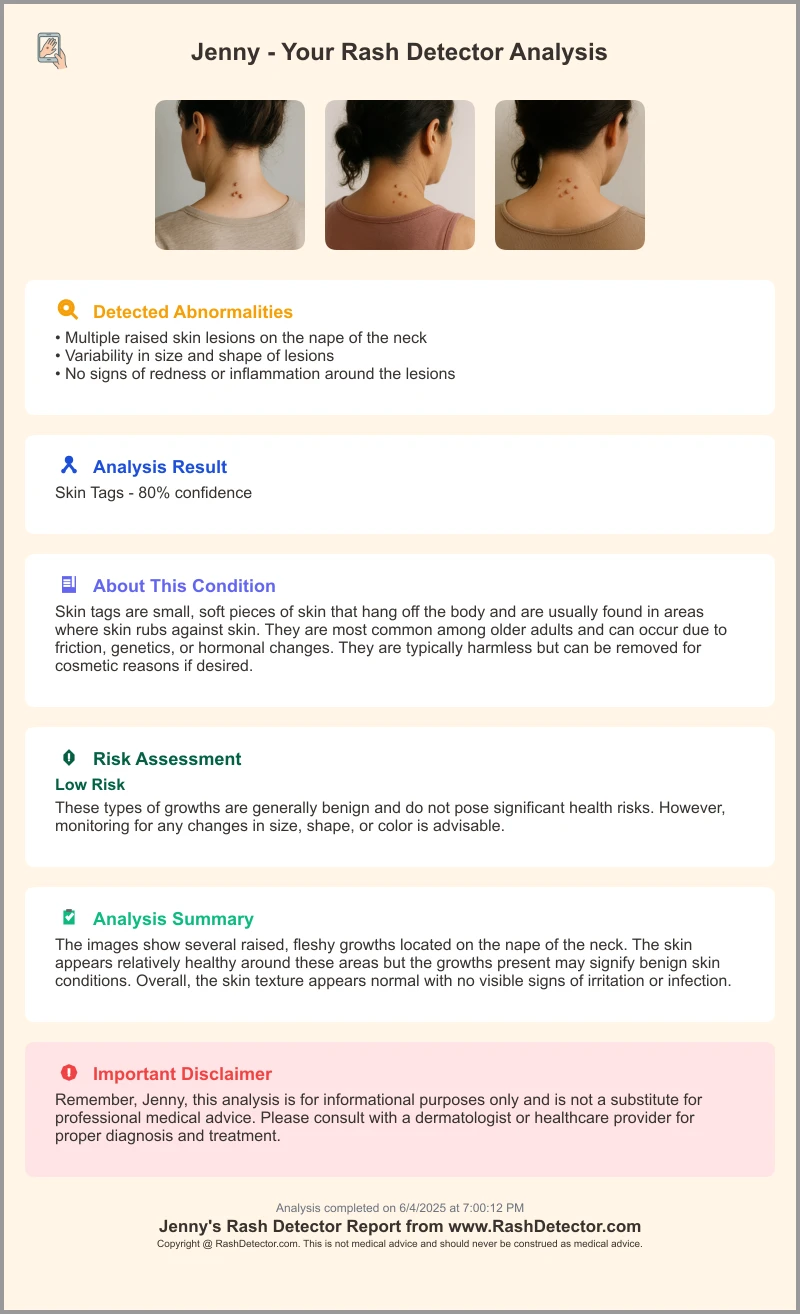
For a quick preliminary self-assessment, try Rash Detector, an AI Skin Analysis App that provides instant rash analysis.
Immediate Actions for Suspected Drug Rash (keyword: medication rash treatment)
If you suspect a medication rash:
- Emergency signs—seek 911 or go to ER if you have:
– Rapidly spreading rash
– Blistering or painful skin peeling
– Fever >38.5°C (101.5°F)
– Sores in mouth, eyes, or genital areas
– Swollen face, tongue, or throat
– Difficulty breathing or chest tightness
These signs may indicate anaphylaxis, SJS, TEN, DRESS, or other SCARs.
Importance of Professional Evaluation
Expert evaluation ensures accurate diagnosis and safe medication decisions:
- Distinguish drug eruptions from infections or autoimmune rashes
- Balance risks of stopping a vital medication versus treating the rash
- Prevent mislabeling of drug allergies that could limit future treatments
Diagnostic Steps
Clinician-driven workup for drug rashes:
- Detailed medication history
– List all prescriptions, OTCs, supplements, topical agents, start dates - Physical exam
– Assess rash type, distribution, mucosal and systemic involvement - Laboratory tests
– CBC, liver function tests, renal panel for systemic reactions - Allergy testing
– Skin prick/intradermal for immediate reactions (e.g., penicillin)
– Patch tests for delayed eruptions - Skin biopsy
– Reserved for severe or atypical cases
Section 4: Medication Rash Treatment Options
Core principle: identify and discontinue the offending drug under medical supervision, then tailor therapy to severity.
Discontinuation of Offending Medication (keyword: medication rash treatment)
- Safely stop the suspected drug with clinician approval
- Substitute alternative therapies when necessary
- Avoid re-challenge after serious reactions like SJS/TEN or anaphylaxis
Prompt drug withdrawal often leads to rash improvement within days.
Treatment for Mild Rashes (keyword: medication rash treatment)
- Topical corticosteroids (hydrocortisone, betamethasone) to reduce inflammation
- Oral antihistamines (cetirizine, loratadine) for itch relief
- Emollients and cool compresses; use gentle, fragrance-free cleansers
- Maintain skin hydration and avoid irritants
These measures provide symptomatic relief while the rash resolves.
Treatment for Moderate to Severe Reactions
- Systemic corticosteroids for select moderate reactions
- Anaphylaxis management: IM epinephrine, IV antihistamines, corticosteroids
- Hospitalization/ICU care for SCARs (SJS/TEN, DRESS)
- Supportive wound care, fluid/electrolyte balance, infection prevention
- Immunomodulators (IVIG, cyclosporine) in specialized settings
- Multidisciplinary involvement: dermatology, allergy, critical care specialists
Practical At-Home Care & Monitoring
- Keep skin clean, cool, and moisturized
- Avoid hot showers and scratch-inducing fabrics
- Follow prescribed topical/oral treatments
- Monitor daily for red-flag signs (rapid spread, blisters, fever, breathing issues)
- Escalate care if the rash worsens or new systemic symptoms emerge
Section 5: Prevention and Management Strategies
Reducing Future Risk (keyword: medication rash treatment)
- Document all drug reactions in your medical record
- Inform every healthcare provider and pharmacist about past drug rashes/allergies
- Wear medical alert ID for severe past reactions
- Consider referral to an allergist/immunologist for drug-allergy testing
Managing Mild Symptoms While Vigilant
- Continue prescribed topical/oral treatments as directed
- Avoid cross-reactive drugs if advised by your clinician
- Schedule follow-up if rash persists beyond expected resolution
- Keep an updated allergy list in your wallet or phone
Lifestyle & Skin-Care Adjustments
- Use gentle, fragrance-free cleansers and moisturizers
- Apply broad-spectrum sunscreen for photosensitivity risk
- Support skin barrier with proper hydration, nutrition, and sleep
Conclusion
Medication-induced rashes—from mild maculopapular eruptions to life-threatening SCARs—require prompt recognition and tiered management. Key points:
- Identification: note timing, pattern, and red-flag features
- Diagnosis: thorough history, exam, labs, and tests guide care
- Treatment: stop the offending drug under supervision, then use topical steroids, antihistamines, or urgent hospital-based interventions
- Prevention: document reactions, inform providers, and consider allergy testing
Timely medication rash treatment and professional consultation safeguard your health. Seek immediate care for severe symptoms or persistent rashes.
Additional Resources & References
- GoodRx – Drug Rashes
- Merck Manual – Drug Rashes
- DermNet NZ – Drug Eruptions
- Mayo Clinic – Drug Allergy
- CCJM – Deadly Drug Rashes
- DivineDerm – More Than Just a Drug Rash
- Dermatology Seattle – Drug-Induced Skin Reactions Guide
FAQ
What causes medication-induced rashes?
Medication rashes arise from immune-mediated allergic reactions, non-allergic pharmacologic effects, or metabolic/genetic factors. Certain drugs trigger IgE responses (hives/anaphylaxis), delayed T-cell reactions (morbilliform eruptions, SJS/TEN), or direct skin cell irritation.
When should I seek medical attention for a drug rash?
If you notice rapid rash spread (>30% of body), painful blistering, skin peeling, mucosal sores, facial swelling, breathing difficulty, or high fever, seek emergency care. These red-flag signs may indicate life-threatening reactions.
How are medication-induced rashes treated?
Treatment starts with stopping the offending drug under professional guidance. Mild rashes respond to topical corticosteroids and oral antihistamines. Moderate to severe cases may require systemic steroids, hospitalization, immunomodulators, and multidisciplinary care.
Can I prevent future drug-induced rashes?
Yes. Document all drug reactions, inform every healthcare provider, wear a medical alert ID if reactions were severe, and consider referral for allergy testing to guide safer future prescriptions.
Will a rash recur if I restart the medication?
Re-exposure to a culprit drug—especially after severe reactions like SJS/TEN or anaphylaxis—can trigger the same or worse response. Avoid re-challenge unless guided by an allergist with desensitization protocols.