Effective Medication Rash Treatment: How to Identify and Manage Medication-Induced Rashes
Learn effective medication rash treatment strategies to identify, manage, and alleviate drug-induced rashes with expert guidance and practical tips.
Estimated reading time: 8 minutes
Key Takeaways
- Early recognition of drug-induced rashes can prevent complications.
- Distinguish between allergic, non-allergic, and interaction-driven reactions.
- Diagnostic steps include a detailed history, physical exam, and withdrawal trial.
- First-line treatments involve antihistamines and corticosteroids.
- Seek immediate medical attention for severe symptoms such as breathing difficulties.
Table of Contents
- Introduction
- Understanding Medication-Induced Rashes
- Recognizing the Symptoms
- Diagnostic Process
- Medication Rash Treatment
- Home Care and Self-Management Strategies
- Preventative Measures and Patient Guidance
- Conclusion
- Additional Resources
A medication rash is a skin reaction caused by a drug. Medication rash treatment refers to the steps of identifying the culprit medication, stopping or substituting it under medical guidance, and using symptom-relief measures such as antihistamines, topical corticosteroids, or supportive care depending on severity.
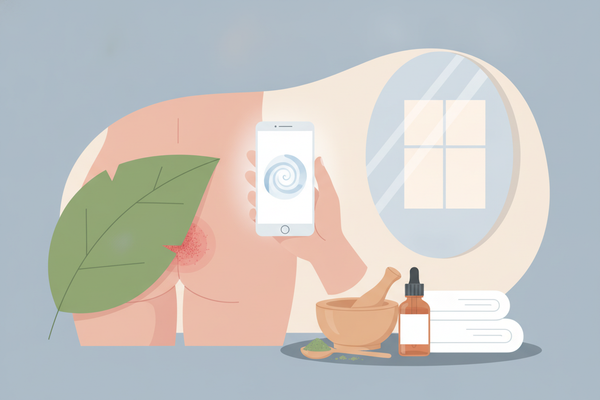
This guide offers clear, step-by-step advice on how to recognize, diagnose, and manage medication-induced rashes. Whether you’re facing mild itching or worrying about a severe drug eruption, you’ll learn actionable strategies to guide your next steps. If you need a quick second opinion on a suspicious rash, try Rash Detector, an AI-driven skin analysis app.
Understanding Medication-Induced Rashes
What Is a Medication Rash?
Any skin eruption triggered by a prescription drug, over-the-counter medicine, or supplement. These reactions, also called drug eruptions or adverse drug reactions, can range from mild redness to widespread hives.
Three Main Causes
- Drug allergies (immune-mediated): The immune system misidentifies a medication as harmful.
- Non-allergic side effects: Direct effects of the drug on skin cells without immune involvement.
- Drug interactions or additive effects: Two or more medicines combine to trigger a rash.
Risk Factors
- Personal or family history of allergies
- Repeated or prolonged medication exposure
- Viral infections such as HIV or Epstein-Barr virus
Common Culprit Medications
- Antibiotics (penicillins, sulfa drugs)
- NSAIDs (ibuprofen, naproxen) and aspirin
- Chemotherapy agents
- Biologic or autoimmune therapies
Understanding these causes is essential because effective medication rash treatment hinges on knowing whether the rash is allergic, dose-related, or interaction-driven.
Recognizing the Symptoms
Key Signs of a Drug-Induced Rash
- Redness and widespread erythema
- Intense itching or pruritus
- Raised welts or hives (urticaria)
- Swelling of the face, lips, or limbs
- Fever or malaise alongside skin changes
- Blistering in severe cases
Warning Signs of Severe Reaction
- Shortness of breath or wheezing
- Rapid facial or tongue swelling
- Signs of anaphylaxis (drop in blood pressure, dizziness)
Contrast with Other Skin Conditions
- Timing: Medication rashes often appear days after starting a new drug.
- Distribution: Drug eruptions may cover large body areas vs. localized eczema.
- Response: Many rashes improve once the offending drug is stopped, unlike viral exanthems or contact dermatitis.
Accurate symptom recognition guides medication rash treatment, ensuring you and your clinician choose the right approach. For a detailed discussion on identifying drug-induced presentations.
Diagnostic Process
Step 1: Detailed Medical History
List all prescription drugs, over-the-counter meds, and supplements.
Note timing: when each drug started, dose changes, and onset of rash.
Step 2: Physical Exam
Assess rash morphology (macules, papules, vesicles) and distribution.
Check for systemic signs: fever, lymph node enlargement.
Step 3: Drug Withdrawal Trial
Under clinician guidance, stop the suspected medication.
Observe for rash improvement over 48–72 hours.
Optional Diagnostic Tests
- Blood work (eosinophil count, liver/kidney panels).
- Skin biopsy for unclear cases.
- Patch testing in specialized allergy clinics.
Clinician confirmation is critical to avoid misdiagnosis and to plan appropriate medication rash treatment.
Medication Rash Treatment
Primary Step: Discontinue Offending Drug
Always consult your healthcare provider before stopping a prescribed drug.
If essential, the provider may switch you to an alternative with a lower risk of rash.
First-Line Therapies
- Topical corticosteroids (hydrocortisone, triamcinolone) to reduce inflammation and itching.
- Oral antihistamines (diphenhydramine, cetirizine) for hives and pruritus.
- Oral corticosteroids (prednisone) for widespread or severe inflammation.
Supportive Care for Severe Reactions
- Wound care and infection prevention for blistering rashes.
- Intravenous fluids and electrolyte management in hospitalized patients.
- Specialist consultation for Stevens-Johnson syndrome or toxic epidermal necrolysis.
Emergency Measures
- Epinephrine auto-injector for anaphylaxis.
- Airway support and critical care monitoring if breathing is compromised.
When allergic mechanisms are confirmed, refer to comprehensive strategies on managing a drug allergy rash.
Home Care and Self-Management Strategies
Do’s for Mild Rashes
- Apply cool, damp compresses for 10–15 minutes several times a day.
- Use fragrance-free, hypoallergenic moisturizers to soothe dry skin.
- Take lukewarm showers; avoid hot water that can worsen itching.
- Keep nails short and consider cotton gloves at night to prevent scratching.
- Photograph the rash daily and log any new medications.
Don’ts
- Never restart a suspected drug without medical approval.
- Avoid scratching; it can lead to infection or scarring.
- Do not ignore warning signs like rapid swelling or blister formation.
Supportive OTC Remedies
- Calamine lotion or colloidal oatmeal baths for itching relief.
- Oral antihistamines (cetirizine, loratadine) to manage histamine-driven symptoms.
Preventative Measures and Patient Guidance
Maintain an Up-to-Date Medication List
Include all prescription drugs, OTC medications, supplements, and known allergies.
Read Labels and Ask Questions
Review side-effect profiles and risk of rash with each new drug.
Discuss alternatives if you have a history of drug-induced eruptions.
Medical Alert Tools
Wear a medical alert bracelet or carry a card listing severe drug allergies.
Monitor Early Signs
Check skin daily for redness or itching during the first two weeks of new therapy.
Document any reaction in writing or with photos and report promptly.
Clear Communication with Providers
Bring your medication/allergy list to every appointment.
Make sure each provider documents your drug allergy in the medical record.
Conclusion
Early recognition, accurate diagnosis, and timely medication rash treatment are essential to prevent complications. By identifying the trigger drug, consulting a clinician for alternatives, and using targeted therapies—from topical steroids to emergency epinephrine—you can manage most drug-induced rashes effectively. If you notice a new or worsening rash, especially with systemic symptoms, seek professional medical advice immediately.
Additional Resources
- Mayo Clinic Drug Allergy Overview
- Johns Hopkins Medicine on Drug Rashes
- Harvard Health Blog: When Is a Drug Rash More Than Just a Rash?
FAQ
Q: How can I tell if my rash is medication-induced?
A: Look for a new rash appearing days after starting a drug, accompanied by itching or hives. Noting the timeline and ruling out other causes is key.
Q: Can I resume a medication after the rash clears?
A: Never restart a suspected drug without consulting your healthcare provider, as it may trigger a more severe reaction.
Q: What should I do if I develop severe symptoms?
A: Seek emergency care immediately for signs like breathing difficulty, facial swelling, or widespread blistering. Use an epinephrine auto-injector if prescribed.
Q: Are over-the-counter antihistamines safe for mild rashes?
A: Yes, options like cetirizine or loratadine can relieve itching. However, consult your provider if symptoms persist or worsen.