Medication Rash Treatment: How to Identify, Manage, and Prevent Drug-Induced Skin Reactions
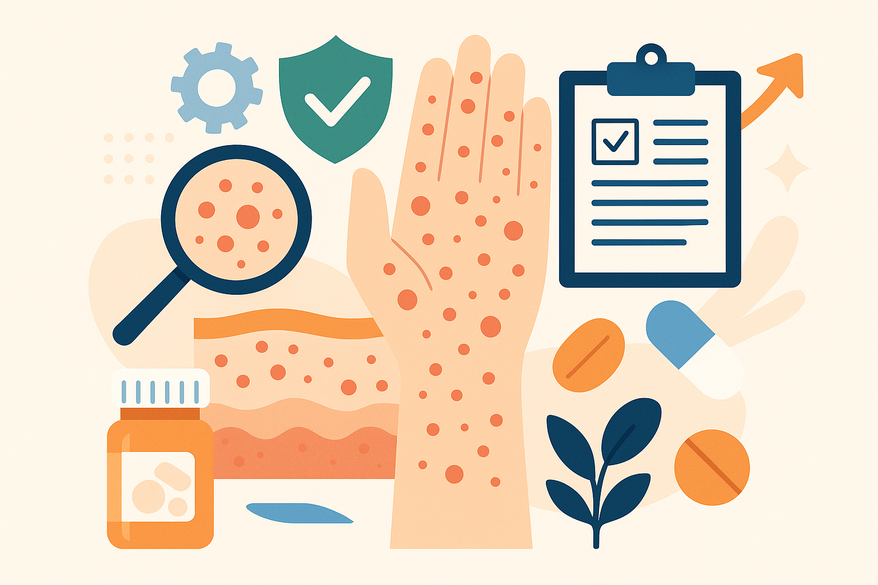
Discover how to identify, manage, and prevent drug-induced skin reactions with effective medication rash treatment strategies for safety and wellness.
Estimated reading time: 10 minutes
Key Takeaways
- Early Recognition of drug rashes for prompt action.
- Mild vs. Severe: Know the warning signs that require medical help.
- Home Care: Safe self-care tips like cool compresses and antihistamines.
- Professional Help: When to seek urgent or same-day visits.
- Prevention: Strategies to avoid future drug-induced skin reactions.
Table of Contents
- Introduction
- Understanding Medication-Induced Rashes
- Identifying the Symptoms
- Home Remedies for Drug Rash and Self-Care
- When to See a Doctor for Drug Rash
- Medical Treatment Options for Drug Rash
- Preventing Drug Rash and Long-Term Management
- Conclusion
Introduction
Medication rash treatment means recognizing a skin reaction from a drug, stopping the culprit medicine when safe, and using the right care. This process can include home remedies or urgent medical help. Medication-induced rashes range from mild itchiness to serious, life-threatening reactions. Proper identification and quick treatment can save lives. Because some rashes are just uncomfortable while others can be dangerous, you need timely guidance. In this guide, we will cover:
- Understanding rashes and why they happen
- Identifying rash symptoms
- Home remedies and self-care tips
- When to seek professional help
- Medical treatment options
- Preventing future drug rashes and long-term care
Section 1: Understanding Medication-Induced Rashes
A medication-induced rash (also called a drug rash or skin reaction) is any change in the skin linked to a prescription, over-the-counter, or supplement. These rashes may show up as redness, bumps, hives, or even blisters.
How Drug Rashes Occur
- Immune-mediated reactions: Your body treats the drug as an invader.
- Histamine release (immediate): Causes hives or swelling within minutes or hours.
- T-cell response (delayed): Appears days to weeks after starting a medicine.
- Non-allergic irritation: Some drugs directly irritate the skin without an immune response.
Common Medications That Trigger Rashes
- Antibiotics: Penicillins, sulfonamides
- Anticonvulsants: Carbamazepine, lamotrigine
- NSAIDs: Ibuprofen, naproxen
- Allopurinol: Gout treatment
- High-risk chemo and antiretrovirals
Risk Factors for Drug Rashes
- Personal or family history of drug allergy
- Specific genes (HLA types) with some drugs
- Taking many medicines at once (polypharmacy)
- Viral infections (HIV, hepatitis)
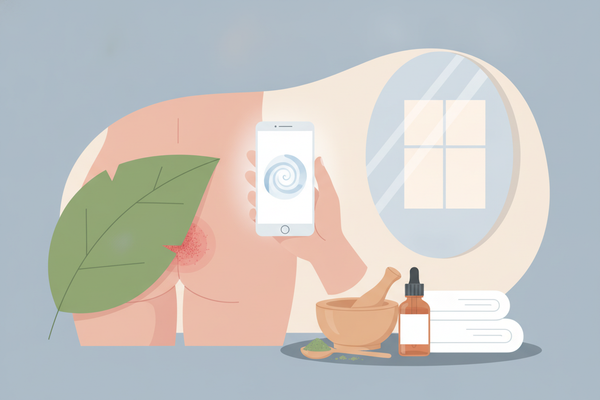
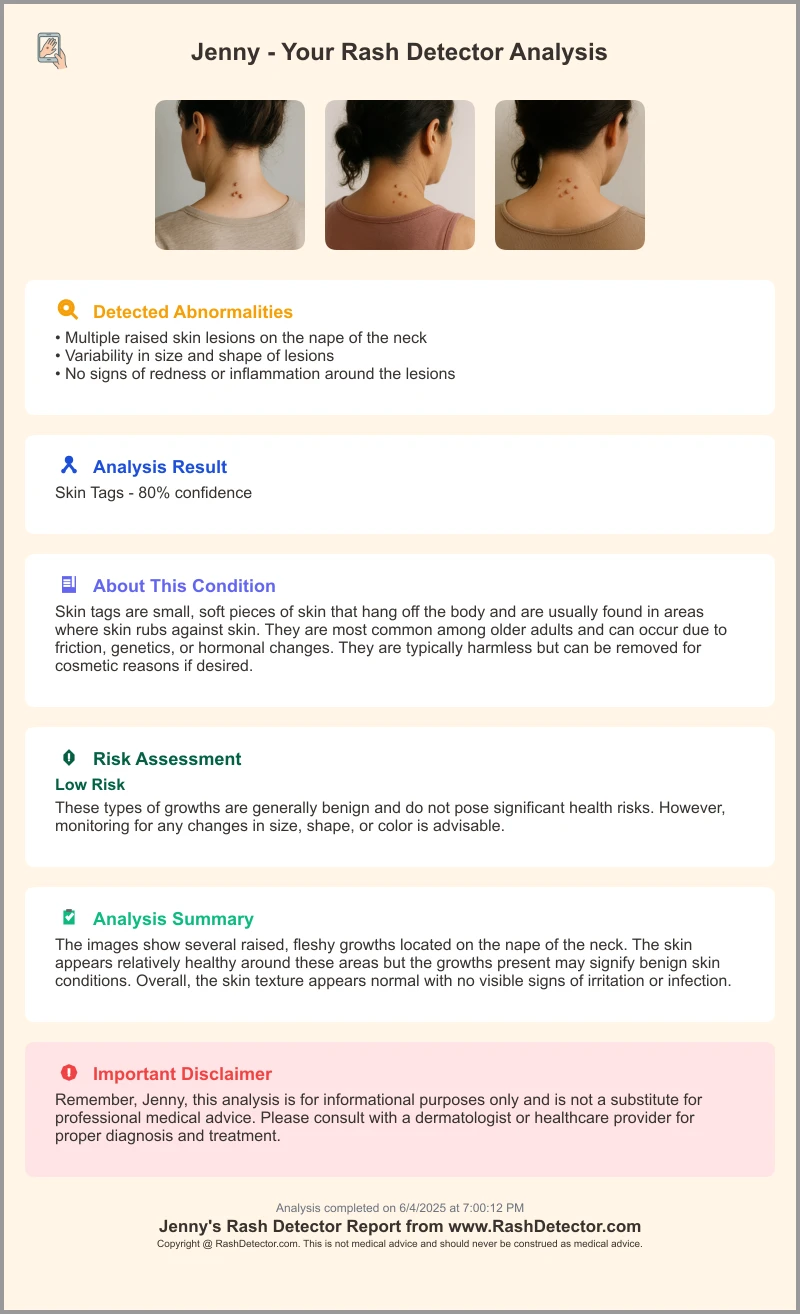
In addition to clinical evaluation, AI-powered tools like Rash Detector offer instant skin analysis by uploading rash images for quick insights.
Section 2: Identifying the Symptoms
Knowing the signs of a medication-induced rash helps you act fast.
Common Signs
- Red or pink patches and spots
- Itching (pruritus) or burning
- Raised bumps or a measles-like pattern
- Hives (urticaria) that move around
- Swelling (edema) of the skin
- Dryness, scaling, or mild peeling
Rash Types by Appearance
- Morbilliform (measles-like) eruptions
- Hives (welts) appearing quickly
- Fixed drug eruptions (same spot each time)
- Severe blistering like Stevens-Johnson syndrome (SJS) or toxic epidermal necrolysis (TEN)
Quick Reference: Mild vs. Serious Symptoms
Mild Reactions
- Limited to the skin only
- Redness and mild itching
- No blisters or mouth/eye sores
- No fever or flu-like symptoms
Serious Reactions
- Blisters, peeling, or ulcers
- Painful or burning skin
- Purple or dusky discoloration
- Fever, chills, or feeling very sick
- Facial or tongue swelling
- Difficulty breathing or chest tightness
- Rapidly spreading rash
For more detailed criteria on drug-related rash characteristics, see identifying drug-induced rash symptoms.
Section 3: Home Remedies for Drug Rash and Self-Care
When a rash is mild and you feel well, try safe home remedies while you track symptoms.
Safe Medication Stops
- Only stop non-essential new meds with professional advice.
- Never abruptly stop heart, seizure, or transplant drugs.
Soothing Measures
- Cool compresses or cool showers to calm itch and swelling.
- Oral antihistamines (diphenhydramine) for itch and hives.
- Topical hydrocortisone cream for mild inflammation.
- Gentle skin care: fragrance-free cleansers and moisturizers.
- Wear loose, soft clothing to avoid chafing.
Monitor and Record
- Keep a diary: note when rash starts, changes in look and size.
- Watch for fever, new blisters, or swelling.
- Call your doctor if anything worsens or if the rash follows a dose change.
Limits of Self-Care
- Do not mask severe reactions with strong steroid creams long-term.
- Avoid mixing many OTC products without guidance.
- Seek help if rash spreads quickly or you develop any warning sign.
Section 4: When to See a Doctor for Drug Rash
Knowing when to get professional help can prevent serious harm.
Emergency Warning Signs (Call 911 or go to ER)
- Trouble breathing, wheezing, or throat tightness
- Swelling of face, lips, or tongue
- Rapidly spreading rash or sudden redness
- Large blisters or skin peeling
- Mouth, eye, or genital sores
- High fever, chills, or feeling very ill
- Dizziness, fainting, or low blood pressure
Same-Day Provider Visit If You Have
- Any new rash after starting a drug, even mild
- Rash that persists or worsens after stopping non-essential meds
- History of severe reactions to medicines
Prepare for Your Appointment
- List all medications, OTC drugs, and supplements with start dates.
- Note the rash timeline: first appearance, spread, and changes.
- Record past drug allergies and family history of severe reactions.
Possible Tests and Exams
- Full skin and body exam
- Medication review to spot likely culprits
- Blood tests for organ function and inflammation
- Skin biopsy if the diagnosis is unclear
- Referral to an allergist or dermatologist for specialized testing
Section 5: Medical Treatment Options for Drug Rash
Stopping the culprit drug is always the first step in prescription treatment for drug rash.
Core Treatment Steps
- Identify and stop or switch the offending medication when safe.
- Choose a substitute if you still need treatment for the original condition.
Topical and Oral Therapies
- Prescription topical corticosteroids to reduce rash and itch.
- Emollients (moisturizers) to heal and protect skin.
- Oral antihistamines for hives and itching.
- Short courses of systemic corticosteroids for severe but non-life-threatening rashes.
Emergency Interventions
- Anaphylaxis: epinephrine injection, high-dose antihistamines, systemic steroids in a hospital.
- SJS/TEN: immediate drug withdrawal and supportive care in an ICU or burn unit.
- Possible immunosuppressive therapies under specialist care.
For additional management strategies, see management strategies. For a comprehensive overview of how to identify and manage these reactions, refer to our Medication Rash Treatment: Guide to Managing Drug-Induced Skin Reactions.
Section 6: Preventing Drug Rash and Long-Term Management
Good prevention reduces future risk and stress.
Maintain Clear Records
- Keep an updated list of all medications and specific reactions.
- Share this list with every healthcare provider and pharmacist.
Choose Safer Alternatives
- Ask about lower-risk drugs before starting new treatment.
- In high-risk cases, consider genetic or allergy testing for certain medicines.
Daily Skin and Medication Checks
- Watch your skin daily when you begin any new drug or increase a dose.
- Minimize taking many medicines at once under doctor guidance.
- Schedule regular medication reviews, especially if you have chronic illnesses.
Work with Specialists
- See a dermatologist or allergist for drug-reaction evaluation.
- Consider desensitization or graded challenges under expert care.
- Carry a medical alert card or wear a bracelet if you have a history of severe drug allergy.
- Ensure allergy info is recorded in all pharmacy and medical records.
For proactive prevention tips, see proactive prevention tips.
Conclusion
Effective medication rash treatment relies on early recognition of a drug-related rash, knowing mild versus severe signs, and using proper self-care or medical care. Mild rashes may resolve with topical steroids and antihistamines, while serious reactions need emergency care or hospital support. Always consult your healthcare provider if you see a rash after starting or changing a medication. Keep your allergy records up to date and discuss prevention with your doctor. For personalized advice, reach out to your physician or dermatologist today.
FAQ
What is a medication-induced rash?
A medication-induced rash is a skin reaction triggered by a drug or supplement. It can appear as redness, bumps, hives, or blisters and may range from mild to life-threatening.
How can I tell if my rash is serious?
Seek immediate medical help if you experience blistering, peeling skin, mouth or eye sores, facial swelling, difficulty breathing, or high fever alongside your rash.
What home remedies help soothe a mild drug rash?
Cool compresses, oral antihistamines, and topical hydrocortisone can reduce itch and inflammation. Gentle skincare and loose clothing also help comfort the skin.
When should I stop taking my medication?
Only discontinue non-essential medications under professional guidance. Never abruptly stop critical drugs like heart or seizure medications without a doctor’s advice.
How can I prevent future drug rashes?
Maintain an updated medication list, discuss low-risk alternatives with your physician, and consider allergy testing for high-risk medications.