Medication Rash Treatment: Recognize, Manage, and Prevent Drug-Induced Skin Reactions
Learn how to recognize, manage, and prevent drug-induced skin reactions with effective medication rash treatment strategies.
Estimated reading time: 8 minutes
Key Takeaways
- Medication rashes can range from mild itching to life-threatening SCARs.
- Early recognition and management can prevent serious complications.
- Both over-the-counter and prescription treatments are available depending on severity.
- Prevention includes thorough medication history and monitoring new drugs closely.
- Seek medical help for severe, rapidly spreading rashes or systemic symptoms.
Table of Contents
- Understanding Medication Rashes
- Identifying a Medication Rash
- Treatment Options for Medication Rash
- Prevention and Management Strategies
- When to Consult a Healthcare Professional
- Additional Resources
Understanding Medication Rashes
A medication-induced rash is any adverse skin eruption from a drug, either allergic (immune-mediated) or non-allergic (toxic). Common culprits include antibiotics, anticonvulsants, NSAIDs, allopurinol, chemotherapy, and immunomodulators.
Types of rashes:
- Morbilliform: measles-like red spots on the trunk
- Hives (urticaria): raised, itchy welts
- Fixed drug eruption: round patches that recur in the same spot
- Photosensitivity: rash in sun-exposed areas
- SCARs (SJS/TEN/DRESS): blistering, peeling, mucosal sores, organ involvement
Differentiation tips include onset after starting a medication, improvement upon discontinuation, lack of other triggers, and diagnostic tools like history, exams, labs, and possible biopsy.
Identifying a Medication Rash
Key signs include red or pink spots (flat or raised), widespread distribution, itching, dry or peeling skin, and facial swelling. Severe signs involve blisters, open sores, and mucosal involvement.
Onset timeline:
- Immediate (minutes–hours): hives, flushing, anaphylaxis (IgE-mediated)
- Delayed (days–weeks): morbilliform in 1–2 weeks; SCARs in 1–8 weeks
- Reaction may occur after dose increase or restart
See our related post identifying drug-induced rash symptoms.
Seek same-day care for mild systemic symptoms or rapid spread. Call emergency services for breathing difficulty, severe swelling, dizziness, high fever, or painful, fast-spreading rashes.
Treatment Options for Medication Rash
Safety reminder: Never stop prescription medications without medical guidance unless signs are life-threatening.
- Stopping the offending medication: Under supervision, discontinue or switch drugs; improvement often starts within 1–2 weeks.
- Over-the-counter remedies: antihistamines (diphenhydramine, cetirizine), low-strength corticosteroids, cool compresses, oatmeal baths, fragrance-free moisturizers. Avoid hot water and scratching.
- Prescription treatments: stronger topical steroids, systemic corticosteroids for severe cases, epinephrine for anaphylaxis, and hospitalization for SCAR management.
- Home care: wear loose clothing, use mild cleansers, stay hydrated, and protect from sun exposure.
For a comparison of top OTC options, see best anti-itch cream solutions.
Prevention and Management Strategies
Minimize risk by providing a complete medication and allergy history, carrying a written list of prior drug rashes, considering test-dosing or alternatives for high-risk drugs, and avoiding unnecessary medications.
Monitor skin daily when starting high-risk drugs and report new rashes promptly. Follow up long-term after serious reactions with dermatology or allergy specialists.
When to Consult a Healthcare Professional
Call 911 or go to the ER for breathing difficulties, severe swelling, shock-like symptoms, high fever, rapidly spreading painful rashes, or mucosal sores. Schedule prompt, non-emergency evaluation for any new or progressing rash on medication.
Questions to ask your doctor:
- What is the likely cause, and is this medication responsible?
- Should I stop this medication now, or continue?
- Are there safer alternatives?
- Do I need tests (blood work, skin biopsy, allergy testing)?
- Which treatments will relieve symptoms?
- What warning signs require ER care?
- How will this be documented, and should I avoid related drugs?
Additional Resources
- Merck Manual – Drug Rashes
- Johns Hopkins Medicine – Drug Rashes
- Harvard Health blog – “When is a drug rash more than just a rash?”
- MedlinePlus – Rash Evaluation
- Stanford Children’s Health – Drug Rash
Conclusion: Medication rash treatment centers on early recognition, prompt evaluation, and supervised discontinuation of the offending drug. Mild reactions typically respond to antihistamines, topical corticosteroids, and supportive home care, whereas severe cases demand emergency intervention and hospitalization. Personalized medical advice from a qualified healthcare professional is essential. Stay informed, monitor closely, and communicate openly with your providers to keep your skin—and your health—safe.
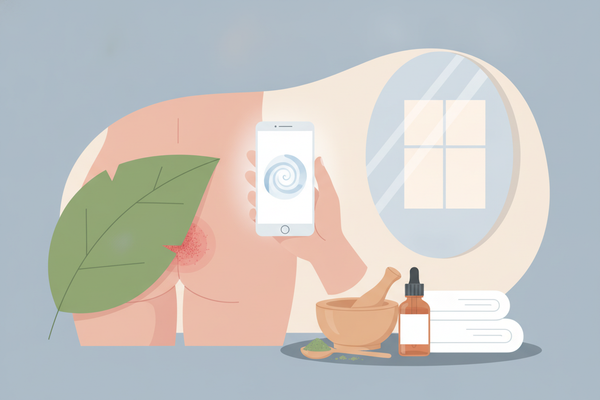
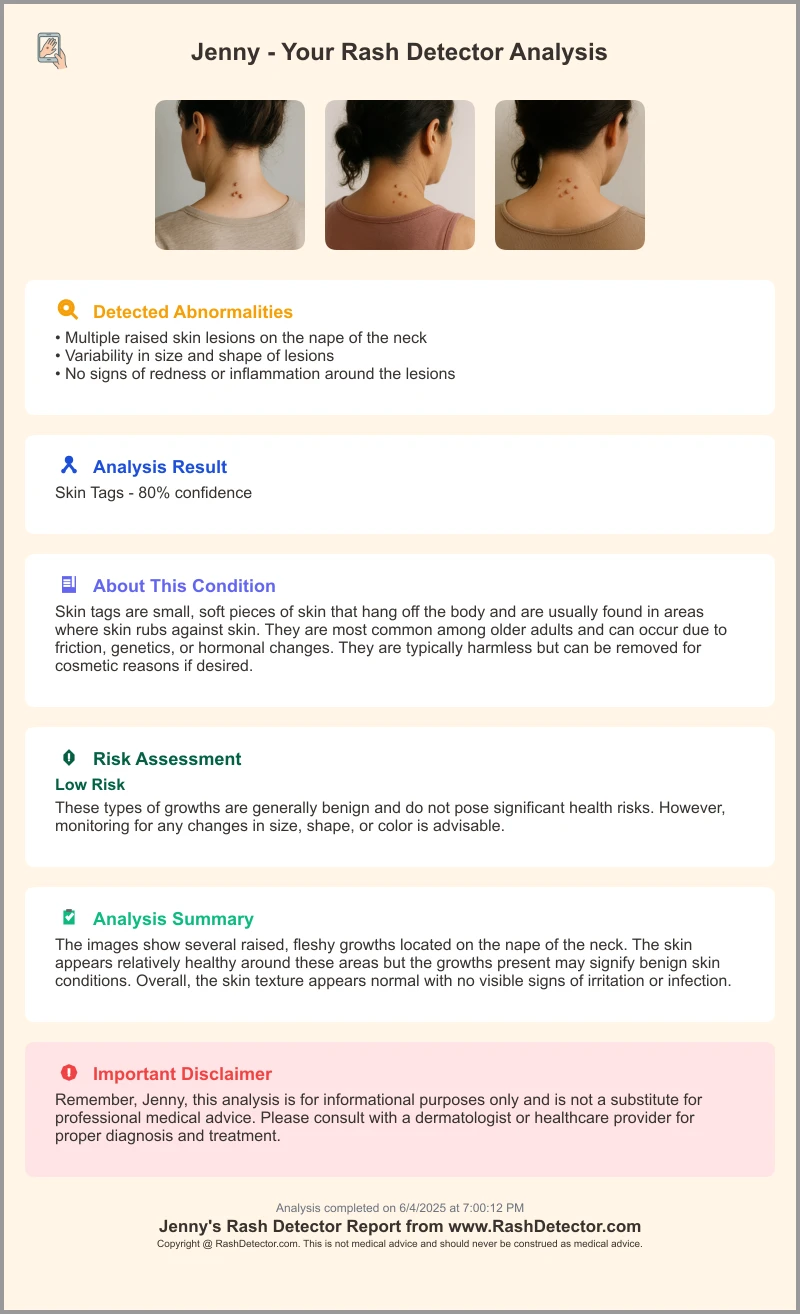
In addition to clinical guidance, digital tools like Rash Detector offer quick AI-driven skin analysis to help track changes and support early recognition of medication-induced rashes.
FAQ
- How long does a medication rash last? Many mild rashes improve within days and resolve in about 1–2 weeks after stopping the drug.
- Can I treat it at home? Yes for mild non-systemic rashes, with OTC antihistamines and topical steroids—notify your provider.
- Will the rash recur on re-exposure? Often yes, sometimes more severe. Re-challenge is usually avoided.
- Is every medication rash dangerous? No; many are mild. Professional evaluation is essential to rule out serious reactions.
- Should I get allergy testing? For some drugs (e.g., antibiotics), skin testing or specialist challenge may be offered; many diagnoses rely on history and clinical evaluation.