Comprehensive Guide to Medication Rash Treatment: Identify, Manage & Prevent Drug-Induced Rashes
Learn to identify, manage, and prevent medication-induced rashes with effective treatment options in this comprehensive guide.
Estimated reading time: 8 minutes
Key Takeaways
- Early recognition of drug-induced rashes is crucial to prevent complications.
- Severity assessment guides whether home care, OTC remedies, or medical intervention is needed.
- Step-by-step management includes clinician consultation, drug discontinuation, and symptom relief.
- Prevention relies on accurate record-keeping, allergy testing, and skin-care routines.
Table of Contents
- Section 1: Understanding Medication-Induced Rashes
- Section 2: Signs & Symptoms to Look Out For
- Section 3: When to Seek Professional Help
- Section 4: Managing the Rash: Step-by-Step Guidance
- Section 5: Treatment Options
- Section 6: Prevention & Long-Term Management
- Conclusion
Section 1: Understanding Medication-Induced Rashes
Keywords: medication rash treatment, drug rashes
What Is a Medication-Induced Rash?
A medication-induced rash, also known as a drug eruption, is any skin change triggered by a prescription or over-the-counter medicine. These reactions can be allergic (immune-mediated), non-allergic (direct irritation), interaction-based, or dose-dependent.
Why Drug Rashes Occur
- The immune system mistakes a drug for a threat, releasing histamine.
- Toxic metabolites irritate skin cells.
- Drug–drug interactions amplify side effects.
- High doses overwhelm the body's processing enzymes.
Common Triggers
- Antibiotics (e.g., penicillins, cephalosporins)
- Anticonvulsants (e.g., lamotrigine, carbamazepine)
- NSAIDs (e.g., ibuprofen, naproxen)
- Diuretics (e.g., thiazides)
- Allopurinol
Four Major Clinical Patterns
- Morbilliform (Maculopapular): Pink-red spots that can merge into patches.
- Urticaria (Hives): Itchy wheals with pale centers; lesions last <24 hrs.
- Fixed Drug Eruption: Recurring round red or purple patches at the same site.
- Severe Blistering (SJS/TEN): Painful blisters and mucosal involvement; requires urgent care. (Harvard Health)
Quick Self-Assessment
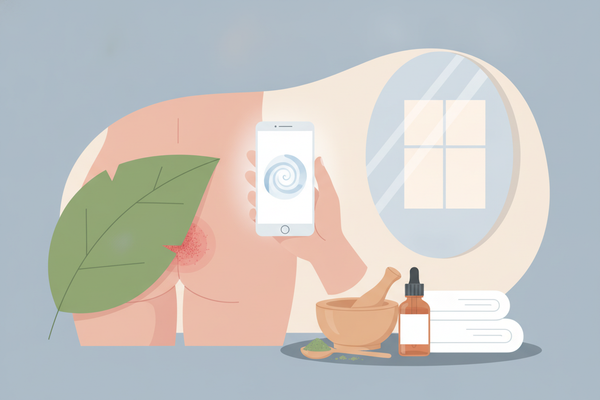
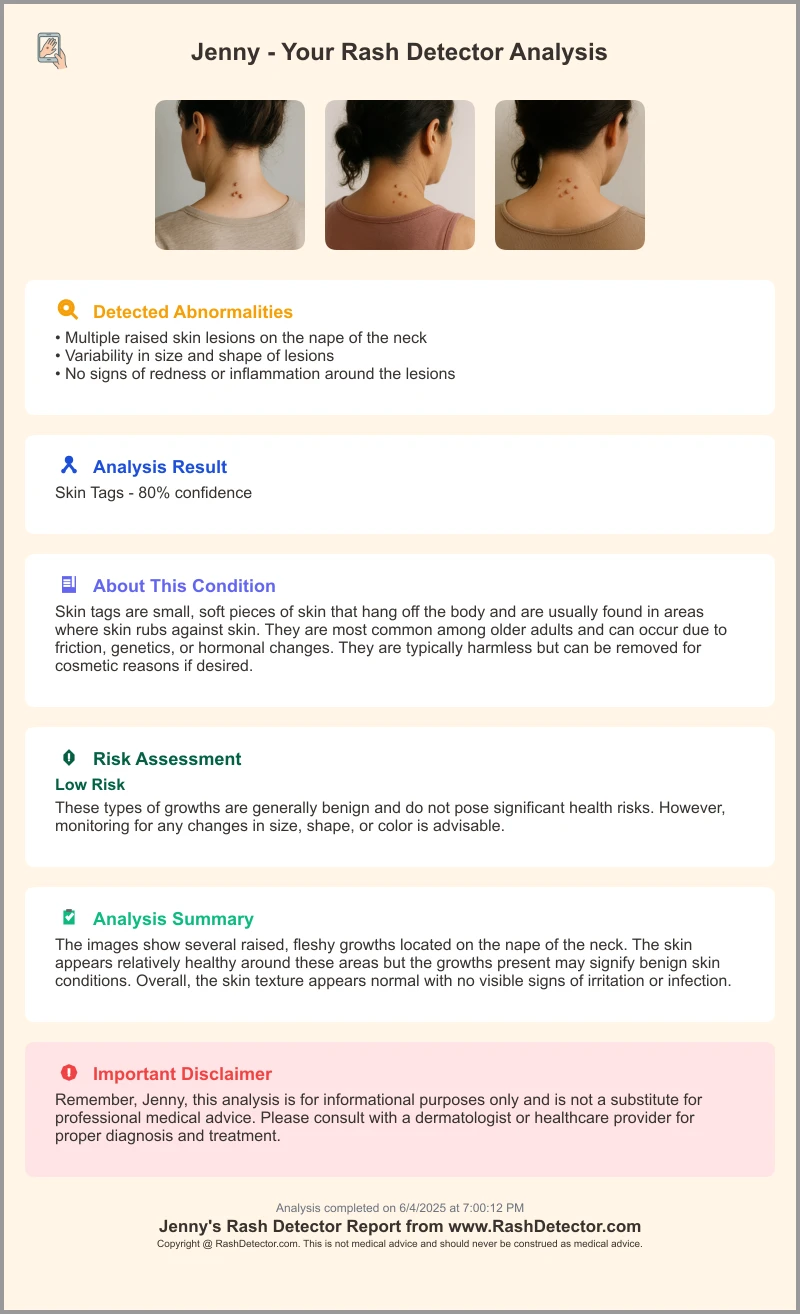
Use AI-powered tools like Rash Detector to upload images and get preliminary insights.
Section 2: Signs & Symptoms to Look Out For
Keywords: medication rash treatment, drug rash
Symptom Checklist
- Erythema (redness), macules (spots), papules (raised bumps)
- Pruritus (itching) or burning sensation
- Urticarial wheals (hives) that migrate
- Vesicles (small blisters), pustules (pus-filled), scaling, peeling
- Systemic signs: fever, lymph node swelling, malaise, joint aches
Mild vs. Severe
Mild drug rash: Localized, itchy, no fever. Often manageable at home.
Severe “red flag” rash: Painful, dusky-purple or blackish lesions; blisters or sheet-like peeling; mucosal ulcers; facial/tongue swelling; trouble breathing; high fever. (Harvard Health)
Section 3: When to Seek Professional Help
Keywords: medication rash treatment
Immediate Emergency Care
- Airway compromise: wheezing, stridor, choking sensation
- Rapidly spreading blisters or skin sloughing (SJS/TEN)
- Facial or tongue swelling, drooling
- Altered mental status, fainting
- High fever plus rash
For detailed guidelines, see the Merck Manual.
Urgent Same-Day Care
- New rash with mild fever or flu-like malaise
- Mucosal involvement (mouth sores) without airway risk
- History of severe drug allergy and any new rash
- Worsening rash over 24 hours
Refer to Johns Hopkins Medicine for more.
Preparation for Provider Visit
- List all medications, doses, start dates, supplements
- Note rash onset timing versus medication start
- Photograph rash progression if possible
- Track associated symptoms (fever, joint pain, breathing)
Section 4: Managing the Rash: Step-by-Step Guidance
Keywords: medication rash treatment
Step 1: Consult before Stopping Essential Drugs
- Never abruptly stop heart, seizure, or transplant meds without advice.
- Your provider can suggest safe alternatives.
Step 2: Stop Non-Essential Offending Drug
- Under supervision, discontinue the likely culprit.
- If multiple drugs started recently, pause one at a time.
Step 3: Home Care for Mild Rashes
- Cool compresses, lukewarm baths with colloidal oatmeal.
- Gentle cleansers, fragrance-free moisturizers.
- Keep nails short; avoid scratching.
Step 4: Over-the-Counter Remedies
- Oral antihistamines (cetirizine, diphenhydramine) for itching.
- Topical hydrocortisone 1% for small areas; prescription steroids for larger spots.
Step 5: Medical Therapies & Referrals
- Prescription topical steroids, systemic oral steroids for moderate rashes.
- Referral to dermatologist or allergist for persistent or severe reactions.
Section 5: Treatment Options
Keywords: medication rash treatment
- Topical Corticosteroids
Reduce inflammation locally. Indicated for mild to moderate morbilliform or itching. Side effects include skin thinning if overused. - Oral Antihistamines
H1 blockers reduce itch and wheals. Options: sedating (diphenhydramine) vs. non-sedating (cetirizine). - Systemic Corticosteroids
Used for extensive rashes, DRESS, severe urticaria. Requires taper to avoid rebound; monitor blood sugar and blood pressure. - Emergency Interventions
Epinephrine for anaphylaxis; IV steroids and fluids for severe cutaneous adverse reactions (SCARs). Monitor in ICU for SJS/TEN.
Section 6: Prevention & Long-Term Management
Keywords: medication rash treatment
- Maintain Accurate Records
Keep up-to-date lists of drugs and known allergies; share at each healthcare visit. - Medical Alert & Documentation
Document confirmed drug allergies in electronic records; wear medical alert jewelry for severe allergies. - Allergy Testing
Skin prick or intradermal tests; supervised graded drug challenges to confirm true allergy. - Lifestyle & Skin Care
Use gentle, fragrance-free cleansers and moisturizers; broad-spectrum SPF 30+ protection; balanced diet rich in vitamins A, C, E. - Long-Term Follow-Up
Monitor for late-onset reactions and review medication list annually with your provider.
Conclusion
Medication rash treatment requires early recognition, safe drug discontinuation, and targeted symptom relief. From cool compresses and OTC antihistamines to systemic steroids and emergency epinephrine, therapies match the rash’s severity. Maintaining accurate allergy records, using medical alerts, and seeking allergy testing help prevent future reactions. Always contact a healthcare professional if any rash develops during therapy—especially with breathing difficulty, swelling, blisters, or systemic symptoms—for personalized advice.
FAQ
- Q: How quickly do drug rashes appear after starting a medication?
A: Most rashes appear within 1–3 weeks, but timing can vary based on the drug and individual sensitivity. - Q: Can I treat a mild drug rash at home?
A: Yes, mild rashes without systemic symptoms can often be managed with cool compresses, OTC antihistamines, and topical 1% hydrocortisone. - Q: When should I go to the emergency room?
A: Seek ER care for airway compromise, rapidly spreading blisters, facial/tongue swelling, high fever, or altered mental status. - Q: Are drug rashes always life-threatening?
A: No, most are mild and self-limited. However, severe reactions like SJS/TEN carry high risks and need urgent treatment. - Q: How can I prevent future drug rashes?
A: Keep an accurate medication and allergy record, wear medical alert jewelry if needed, and undergo allergy testing for high-risk drugs.