Medication Rash Treatment: A Comprehensive Guide
Explore medication rash treatment to manage skin reactions caused by drugs. Learn identification, diagnosis, treatment, and prevention strategies.

Estimated reading time: 8 minutes
Key Takeaways
- Medication-induced rashes can range from mild irritation to severe allergic reactions.
- Early recognition and consultation with a healthcare provider are critical.
- Treatment involves drug discontinuation, symptomatic relief, and advanced care for serious cases.
- Preventive strategies like allergy testing and careful medication introduction help minimize risk.
Table of Contents
- Understanding Medication-Induced Rashes
- Identification & Diagnosis
- Causes & Risk Factors
- Treatment Options
- Prevention & Management Strategies
- When to Seek Urgent Medical Care
- Conclusion
Understanding Medication-Induced Rashes
A medication-induced rash presents as any skin reaction following drug exposure, from mild redness to severe, life-threatening allergic responses. These can be:
- Allergic reactions: Immune-mediated hives, swelling, or itching.
- Side effects: Non-immune adverse effects like irritation.
- Sensitivities: Heightened responsiveness without classic allergy markers.
The underlying mechanisms include:
- Immune-based attacks via antibodies or T-cells.
- Non-immune toxicity or dose-related effects.
Common appearances include morbilliform eruptions, hives (urticaria), blisters, and peeling skin or mucosal sores. Onset may be immediate (<1 hour) in true allergies or delayed (days to weeks) with morbilliform types.
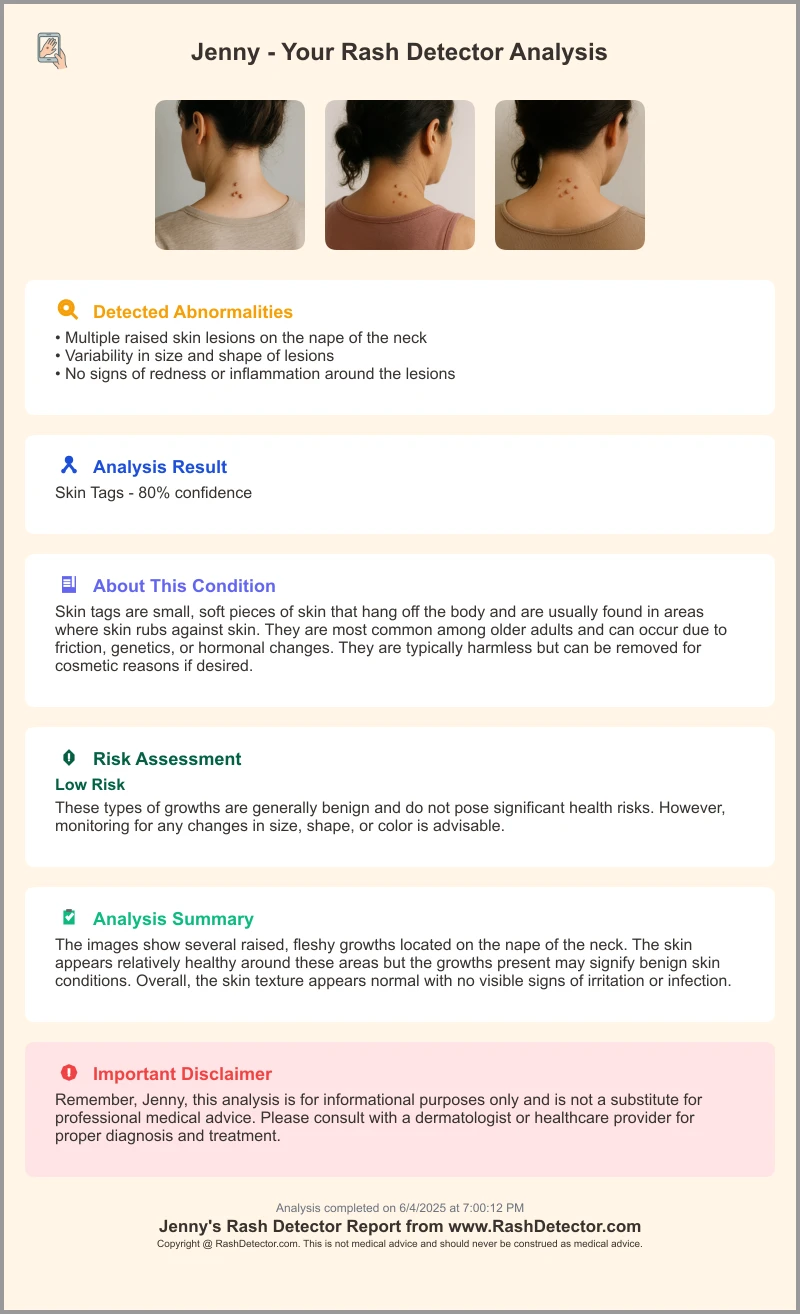
For quick preliminary assessments, tools like Rash Detector allow you to upload images and receive an instant AI-generated analysis—ideal for sharing with your clinician.
Identification & Diagnosis
Signs of a drug-related rash include:
- New rash appearing after a medication starts.
- Rash recurrence upon re-exposure (rechallenge).
- Patterns matching known drug eruptions (e.g., fixed drug eruption).
Differentiation from other rashes:
- Contact dermatitis: localized, linked to contact allergens.
- Viral exanthem: often accompanied by fever and body aches.
- Heat rash: small bumps in sweat-prone areas.
Red flags requiring urgent medical evaluation:
- Rapidly spreading or painful rash.
- Blistering or skin peeling.
- Mucosal involvement (lips, mouth, eyes).
- Fever, swollen glands, or breathing difficulties.
For a detailed rundown of drug-induced rash symptoms, consult this guide.
Causes & Risk Factors
- Common offenders: Antibiotics (penicillins, sulfonamides), antiseizure drugs (carbamazepine, phenytoin), NSAIDs (ibuprofen, naproxen), allopurinol.
- Patient-specific factors: Previous drug allergies, polypharmacy, age extremes, immunosuppression or chronic illnesses.
For guidance on managing drug allergy rashes.
Treatment Options
- Discontinue the suspected drug—always under professional supervision.
- Symptom relief:
- Oral antihistamines (diphenhydramine, cetirizine) for itching and hives.
- Topical corticosteroid creams (1% hydrocortisone) for redness and swelling.
- Cold compresses and gentle skincare to soothe discomfort.
- Prescription therapies for severe cases:
- Oral corticosteroid taper (prednisone).
- IV steroids or immunoglobulins for Stevens-Johnson syndrome/toxic epidermal necrolysis.
- Hospitalization if widespread rash or mucosal involvement.
- Key reminders: Follow clinician advice on dosage and duration; avoid self-discontinuation of high-risk drugs.
Prevention & Management Strategies
- Maintain an updated medication and allergy record.
- Introduce new drugs one at a time and monitor skin changes.
- Consider formal allergy or patch testing if reuse of a drug is necessary.
- Educate patients on early rash signs and prompt reporting.
When to Seek Urgent Medical Care
- Anaphylaxis signs: difficulty breathing, throat tightness, fainting.
- Severe cutaneous reactions: widespread blistering or mucosal sores.
- Action plan: call 911 or visit the ER immediately; inform staff about recent medication use and rash onset.
Conclusion
Timely recognition and clinician-guided treatment of medication-induced rashes can prevent serious complications. Core steps include identification, discontinuation of the culprit drug under medical advice, symptom relief, and appropriate escalation of care.
Further reading:
FAQ
- What triggers a medication-induced rash? Drug metabolites may provoke immune or non-immune reactions, leading to various skin presentations.
- How is a drug rash diagnosed? Diagnosis relies on timing of rash onset, rechallenge patterns, and ruling out other causes; sometimes skin tests are used.
- When should I seek emergency care? If you experience rapid rash spread, blistering, mucosal involvement, breathing issues, or signs of anaphylaxis.