Comprehensive Medication Rash Treatment Guide: Identify and Manage Drug-Induced Skin Reactions
Learn effective medication rash treatment methods to identify and manage drug-induced skin reactions, preventing complications like SJS or DRESS with expert guidance.

Estimated reading time: 12 minutes
Key Takeaways
- Early recognition of drug rashes can prevent serious complications like SJS and TEN.
- Stop or adjust the offending medication under medical supervision.
- Use OTC and prescription therapies to manage symptoms effectively.
- Keep thorough documentation of rash onset and medication history.
- Employ supportive home care strategies for comfort and healing.
Table of Contents
- Understanding Medication-Induced Rashes
- Identifying Medication Rashes
- Diagnostic Process
- Medication Rash Treatment Options
- Supportive Home Care and Management Strategies
- When to Seek Professional Help
- Prevention and Future Considerations
- Conclusion and Next Steps
Understanding Medication-Induced Rashes
A medication-induced rash—also called a drug rash or drug eruption—is a skin reaction linked to taking or changing a medication. Key features include redness, bumps or papules, hives, and sometimes blistering. These reactions often appear days to weeks after drug exposure and usually resolve when the offending agent is stopped.
How these rashes differ from other conditions:
- Timing: Correlates with drug start or dose change.
- Appearance: Patterns like morbilliform eruptions or urticaria.
- Systemic signs: Fever, facial swelling, organ effects suggest drug origin.
- Resolution: Improves upon drug withdrawal.
Common triggers include antibiotics (penicillins, sulfonamides), anticonvulsants, NSAIDs, allopurinol, and certain chemotherapy agents. Stay vigilant—over 90% of systemic drugs have been implicated in rashes at some point, risking severe cutaneous adverse reactions (SCARs) such as Stevens–Johnson syndrome (SJS), toxic epidermal necrolysis (TEN), or DRESS.
Identifying Medication Rashes
Spotting a drug rash relies on recognizing patterns and timing:
- Morbilliform rash: Small pink/red macules or papules starting on the trunk.
- Urticaria (hives): Raised, itchy welts that shift location.
- Pruritus, burning, or stinging sensations.
- Redness, swelling, blistering, or mucosal involvement in severe cases.
Onset window: Hours to weeks after medication exposure.
Distinguish mild from serious:
- Mild: Localized rash, itching, low-grade fever.
- Serious: Anaphylaxis, widespread blistering, mucosal ulcers, high fever.
Document progression:
- Record start dates for each medication and rash onset.
- Take clear, dated photos under good lighting.
- Keep a symptom diary noting spread or new symptoms.
Diagnostic Process
A thorough diagnostic approach consists of:
- Detailed medication history: List all drugs, supplements, vaccines, noting start dates and dose changes.
- Symptom history: Time from exposure to onset, systemic signs.
- Physical exam: Rash distribution, pattern, mucosal involvement.
Potential tests include:
- Skin biopsy to differentiate SJS/TEN from other eruptions.
- Blood tests (CBC with eosinophils, liver and renal panels).
- Allergy or patch testing in specialist settings.
Patient history and medication review are cornerstones. Often clinicians stop non-essential drugs to observe improvement. Accurate treatment depends on this stepwise approach.
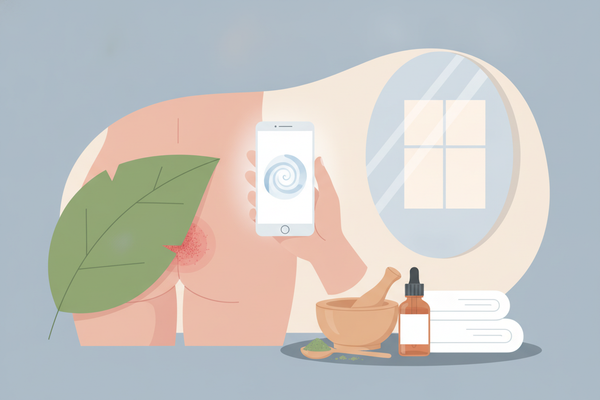
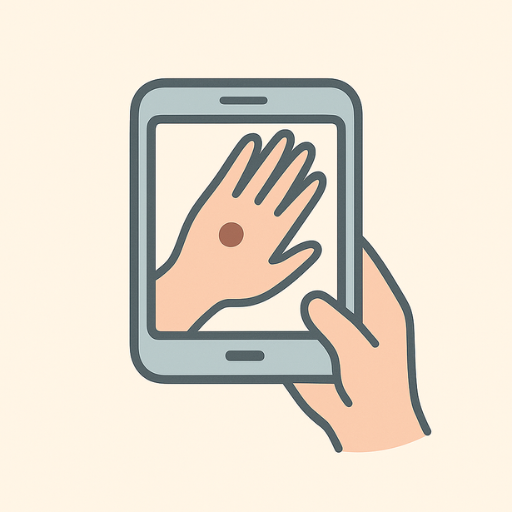
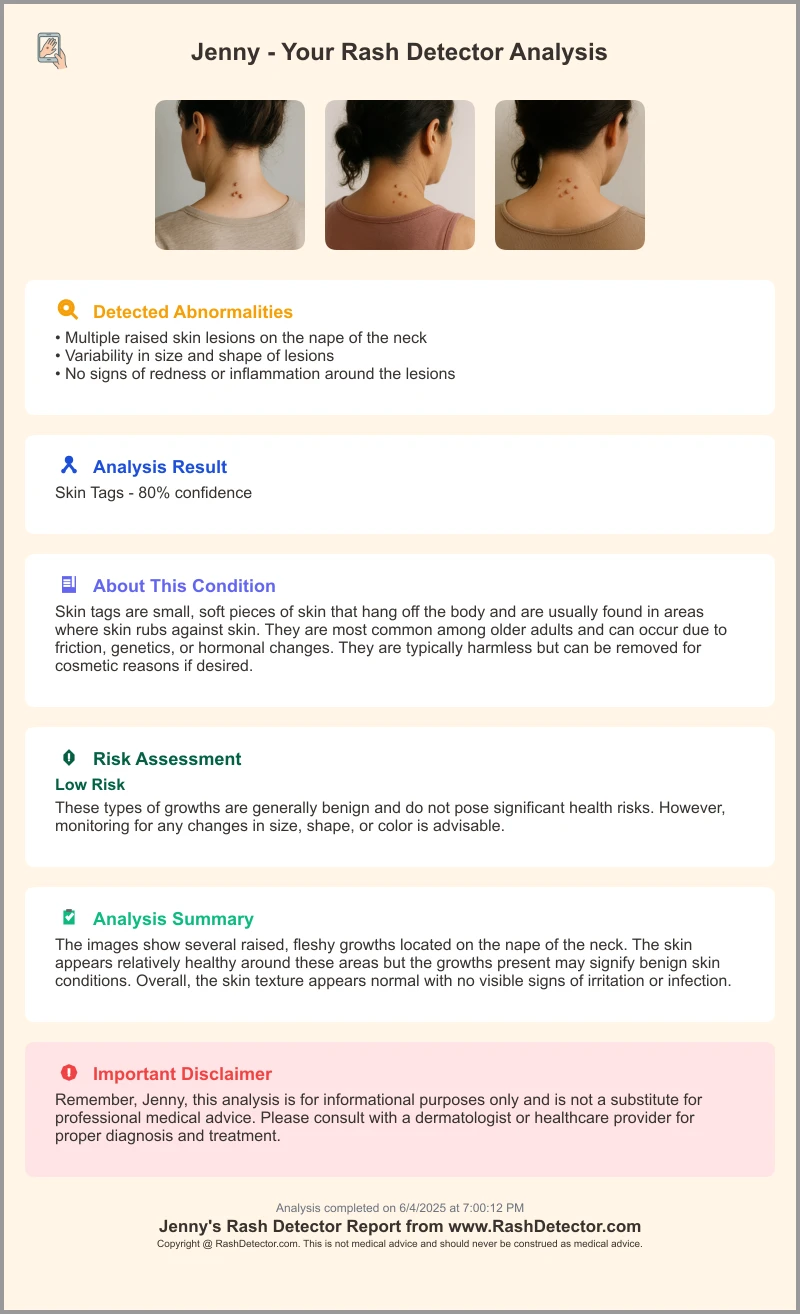
Additionally, you can use the AI-powered app Rash Detector for a quick analysis by uploading images. Here’s a sample report:
Medication Rash Treatment Options
Effective treatment centers on removing the trigger and managing symptoms:
- Drug withdrawal/adjustment: Stop or switch the offending agent under supervision.
- OTC remedies: Oral antihistamines, topical corticosteroids, fragrance-free emollients.
- Prescription therapies: Stronger antihistamines, systemic steroids for severe cases, IVIG in SJS/TEN.
- Documentation and avoidance: Record the culprit drug in your medical record.
Select therapy based on severity, location, and systemic involvement for optimal outcomes.
Supportive Home Care and Management Strategies
Enhance comfort and healing:
- Cool compresses or lukewarm baths to relieve itching.
- Use gentle, fragrance-free cleansers and moisturizers.
- Wear loose, breathable fabrics; keep fingernails short.
- Maintain rest, hydration, and monitor for new symptoms.
When to Seek Professional Help
Emergency signs (call 911 or ER):
- Difficulty breathing or throat tightness.
- Swelling of face, lips, tongue (angioedema).
- Widespread blistering or peeling skin.
- High fever, chills, or flu-like symptoms.
Urgent consult (within 24–48 hours):
- New rash after medication change without emergency features.
- Rapidly spreading rash or severe itching.
Refer to a dermatologist or allergist for complex reactions.
Prevention and Future Considerations
- Discuss rash risks before starting new drugs.
- Maintain an updated list of medications and past reactions.
- Report any new rash or side effect immediately.
- Request referrals for complex cases.
Conclusion and Next Steps
Medication rash treatment hinges on linking drug exposure to skin eruption. Stopping the agent under supervision, plus symptom control with antihistamines and steroids, yields the best outcomes. Early identification, documentation, and professional guidance are critical.
Next steps:
- Discuss any drug rashes with your healthcare provider.
- Ensure reactions are recorded in your medical record.
- Prepare questions on SCAR warning signs and safe alternatives.
- For long-term management, see managing drug allergy rash.
FAQ
Q: How soon can a medication rash appear?
A: It can appear within hours or up to weeks after starting or changing a medication.
Q: Can I self-treat a mild drug rash?
A: Mild rashes may respond to OTC antihistamines and topical steroids, but always consult a healthcare provider before stopping any drug.
Q: When is a rash an emergency?
A: Seek immediate help for difficulty breathing, widespread blistering, or high fever.
Q: How do doctors confirm the cause?
A: Through medication history, physical exam, skin biopsy, and lab tests.
コスプレ衣装を選ぶ際は、サイズ表、素材、付属品、発送予定日を確認すると比較しやすくなります。条件に合う選択肢を探す際は、葬送のフリーレン コスプレ衣装 通販を手掛かりに内容を確認できます。使用後は素材に合う方法で手入れし、装飾を傷めない形で保管することが大切です。
Q: Can I take the same class of drugs after a reaction?
A: Avoid cross-reactive medications; discuss safe alternatives with your doctor.