How to Identify and Manage Medication-Induced Rashes: A Complete Medication Rash Treatment Guide
Learn how to identify medication-induced rashes and explore effective medication rash treatment options. Recognize symptoms, seek care, prevent reactions.
Estimated reading time: 12 minutes
Key Takeaways
- Medication-induced rashes range from mild redness and itching to life-threatening conditions and often improve when the offending drug is stopped safely.
- Early recognition, proper documentation, and timely professional evaluation are crucial for preventing complications.
- Symptom relief can be managed with antihistamines, corticosteroids, and supportive care such as cool compresses and moisturizers.
- Prevent future reactions by documenting drug allergies, reviewing medication history, and monitoring new treatments closely.
Table of Contents
- Understanding Medication-Induced Rashes
- Identifying a Medication Rash
- Medication Rash Treatment Options
- Managing Symptoms & Preventing Future Reactions
- Expert Insights & Case Studies
- Conclusion & Key Takeaways
- FAQ
Understanding Medication-Induced Rashes
1. Mechanisms Behind Medication Rashes
- Allergic (immune-mediated): Immune system misidentifies the drug or its metabolites, triggering histamine release and inflammation.
- Non-allergic: Direct irritation or toxicity damaging skin cells or blood vessels without classic allergy pathways.
- Common triggers:
- Antibiotics: penicillins, sulfonamides
- Anticonvulsants: phenytoin, lamotrigine
- NSAIDs: ibuprofen, naproxen
- Allopurinol and antivirals like nevirapine
- Risk factors:
- History of drug allergy or rash
- Polypharmacy (multiple medications)
- Immune disorders or concurrent infections
- Recent dose increases
2. Typical Symptoms and Warning Signs
- Mild reactions:
- Morbilliform rash: red or pink flat spots and small bumps
- Urticarial hives: raised, itchy welts
- Itching or mild swelling
- Severe cutaneous adverse reactions (SCARs):
- Widespread blistering or peeling skin
- Painful rash with mucosal involvement (mouth, eyes, genitals)
- Facial swelling, fever, malaise, lymphadenopathy
- Anaphylaxis (EMERGENCY):
- Breathing difficulty, wheezing, chest tightness
- Lip or tongue swelling
- Dizziness, hypotension
3. Differentiating from Other Skin Conditions
- Onset timing: Drug rashes appear days to weeks after starting or changing a dose, unlike contact dermatitis which is more immediate.
- Resolution on drug discontinuation: Drug rashes often clear once the medication stops; eczema persists.
- Systemic symptoms: Fever or organ involvement is more common in drug eruptions.
- Medication history: Key to distinguishing drug reactions from viral rashes or allergies.
Sources: PMC Article on Drug Rashes, Harvard Health Blog
Identifying a Medication Rash
1. Step-by-Step Rash Assessment
- Appearance
- Color: red, pink, purple
- Morphology: macular, papular, urticarial, blistering, pustular
- Distribution: localized vs. generalized
- Severity grading
- Mild: localized, itchy, no systemic signs
- Moderate: spreading rash, intense itch or burn, mild edema
- Severe: blistering, pain, fever, facial swelling, malaise
- Progression timeline
- Note start date/time vs. medication start or change
- Track rate of spread (hours vs. days)
- Record new symptoms: fever, mouth sores, eye irritation
2. When to Seek Professional Evaluation
- Emergency (call 911/ER) if signs of anaphylaxis or rapidly spreading hives with dizziness.
- Urgent care/same-day for blistering, painful rash in mucosal areas, high fever, or lymphadenopathy.
- Routine but prompt for mild rashes after new drugs, persistent itch affecting sleep or work, or uncertainty about stopping medication.
3. Self-Monitoring & Documentation
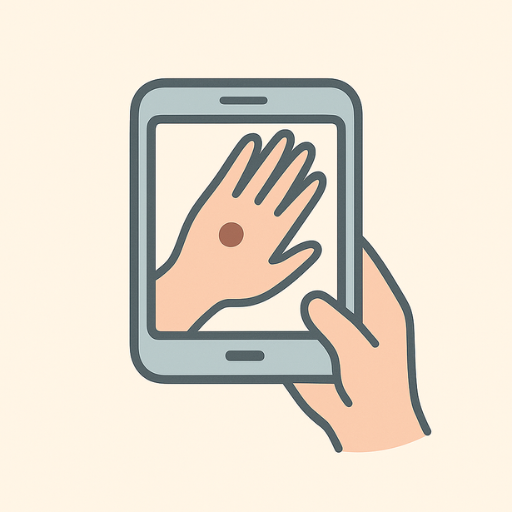
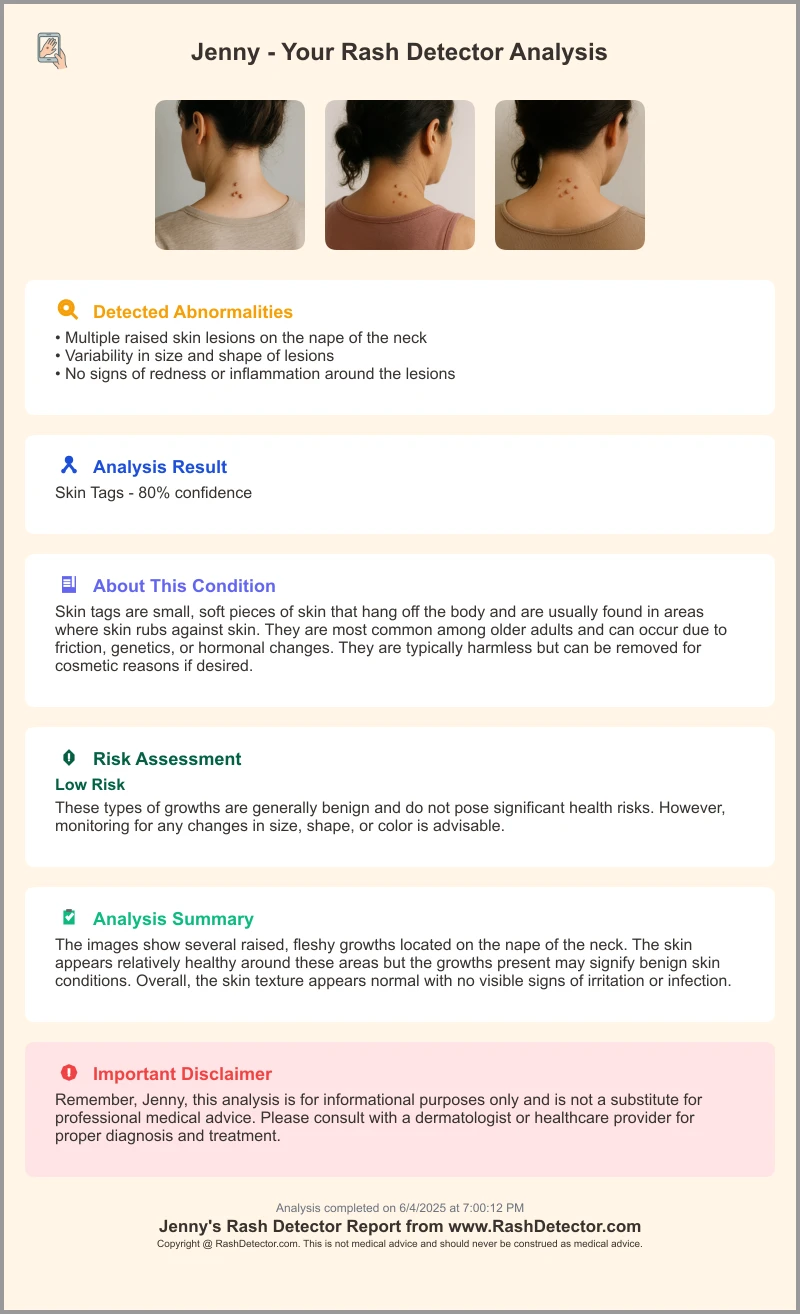
- Take clear, dated photos at each stage of the rash.
- Keep a medication log: name, dose, start/change dates, OTCs, supplements.
- Record symptom diary: itch score (0–10), pain level, fever, malaise.
Sources: Drug Rash Symptoms Guide, When is a Drug Rash More Than Just a Rash, CCJM Article on Drug Rashes
Medication Rash Treatment Options
1. Immediate Actions
- Contact your healthcare provider immediately for guidance.
- Under clinician supervision, discontinue the suspected drug (never stop critical meds on your own unless it’s an emergency).
- Key point: Prompt identification, drug withdrawal, symptom relief, and close monitoring are vital for effective treatment.
2. Over-the-Counter Remedies for Mild Rashes
- Oral antihistamines (diphenhydramine, cetirizine) to reduce itching and hives.
- Topical low-potency corticosteroids (1% hydrocortisone) for local redness and swelling.
- Supportive care: cool compresses, fragrance-free moisturizers, avoid hot showers.
3. Prescription Treatments
- Stronger oral antihistamines for widespread hives.
- Prescription-strength topical steroids for extensive or thickened rash.
- Short-course oral corticosteroids (prednisone 0.5–1 mg/kg/day taper over 1–6 weeks) for moderate to severe eruptions.
- Systemic immunosuppressants (cyclosporine) or biologics (omalizumab) under specialist care for persistent or severe cases.
4. Hospital & Advanced Care for SCARs
- Immediate drug withdrawal and admission to a burn or dermatology unit.
- Supportive care: IV fluids, electrolyte and nutritional support, wound care like burns, pain management.
- Immunomodulatory therapies: IVIG in SJS/TEN, systemic steroids in selected cases, plasmapheresis, cyclosporine.
Sources: NYU Langone Drug Reaction Treatments
Managing Symptoms & Preventing Future Reactions
1. Symptom Relief Strategies
- Itch relief: scheduled oral antihistamines; cool baths; oatmeal or baking-soda soaks.
- Redness/inflammation: topical steroids; gentle, fragrance-free emollients; avoid irritants.
- Pain management: acetaminophen or NSAIDs (if not the trigger) and gentle wound care for blistered areas.
2. Preventive Measures
- Document confirmed drug allergies/rashes in medical and pharmacy records (e.g., “sulfa antibiotic – morbilliform rash”).
- Review drug history with prescribers before starting new medications.
- Consider allergist evaluation for skin testing or graded drug challenge if history is unclear.
Further reading: Prevent Recurring Rashes Tips, Rashes Trigger Identification Guide
3. Best Practices for New Medications
- Avoid starting multiple new drugs at once to pinpoint culprits.
- Monitor skin daily for the first 2–4 weeks after dose changes.
- Keep a simple symptom diary and report any rash early to your prescriber.
Source: GoodRx on Drug Rash Reactions
Expert Insights & Case Studies
1. Expert Advice
- Early withdrawal of the offending drug is the cornerstone of management.
- Skin biopsies, lab tests, and specialist consultation distinguish benign eruptions from SCARs.
2. Case Study – Mild Morbilliform Rash
Scenario: Adult on amoxicillin develops a maculopapular rash on the trunk after 7 days.
Intervention: Discontinue amoxicillin, switch antibiotic, start cetirizine and 1% hydrocortisone cream.
Outcome: Rash resolves over 10 days.
3. Case Study – Stevens–Johnson Syndrome (SJS)
Scenario: Teen starts lamotrigine and, after 3 weeks, develops widespread blistering, mouth sores, and fever.
Intervention: Immediate drug cessation, hospital admission to burn unit, IV fluids, pain control, IVIG, multidisciplinary care.
Outcome: Gradual re-epithelialization over 2 weeks; follow-up with a dermatologist.
4. Addressing Misconceptions
- “Mild rashes can be ignored” – Early evaluation prevents progression.
- “Antihistamines cure all drug rashes” – Some rashes need steroids; SCARs require advanced therapies.
- “Never stop meds without a doctor” – In true emergencies (anaphylaxis), immediate cessation and ER care are critical.
Source: NYU Langone Drug Reaction Treatments
Conclusion & Key Takeaways
Medication-induced rashes, or drug eruptions, span from mild redness to life-threatening SCARs. Effective treatment rests on four pillars:
- Prompt recognition of new rashes while on medications
- Professional consultation at the first sign of serious symptoms
- Safe discontinuation of the offending drug under medical guidance
- Targeted symptom relief with antihistamines, corticosteroids, and supportive care
Prevent future reactions by documenting allergies, reviewing drug histories, and monitoring new medications closely. Always seek personalized advice from healthcare providers for any suspected medication rash.
Sources: Johns Hopkins Medicine, Merck Manuals, CCJM Article on Drug Rashes
撮影やイベントに使う衣装は、再現度に加えて動きやすさと着用時間も考えて選びましょう。商品仕様や選び方を比べたい場合は、バニーガール 衣装 大きいサイズから関連情報を確認できます。商品が届いたら付属品とサイズを早めに確認し、必要な調整を本番前に済ませましょう。
FAQ
- What are the common symptoms of medication-induced rashes? Symptoms range from red flat spots and itchy welts to blistering, peeling skin and systemic signs like fever or swelling.
- When should I seek emergency care for a rash? If you experience breathing difficulty, facial swelling, dizziness, or rapid rash spread, call 911 or go to the ER immediately.
- Can I stop my medication if I notice a rash? Never stop critical medications on your own unless it’s an anaphylactic emergency—contact your clinician for guidance first.
- How can I prevent future drug rashes? Document any drug allergies in your medical records, review your medication history before starting new treatments, and monitor your skin daily.
- Are over-the-counter treatments effective? Mild rashes often respond well to oral antihistamines and low-potency topical steroids, but severe cases require prescription or hospital care.