Medication Rash Treatment: Identify, Manage, and Prevent Drug-Induced Skin Reactions
Discover effective medication rash treatment strategies to identify, manage, and prevent drug-induced skin reactions safely and promptly.

Estimated reading time: Approximately 12-minute read
Key Takeaways
- Medication-induced rashes range from mild itching to life-threatening reactions like SJS/TEN.
- Early recognition and discontinuation of the culprit drug is crucial to prevent complications.
- Treatment options vary: antihistamines and topical steroids for mild cases; systemic corticosteroids, IVIG, or hospitalization for severe cases.
- Preventive strategies include maintaining an updated allergy list and close monitoring of new medications.
- Red-flag symptoms such as widespread blistering, mucosal involvement, or systemic signs require urgent care.
Table of Contents
- Understanding Medication-Induced Rashes
- Causes and Risk Factors
- Identification and Diagnosis
- Medication Rash Treatment Options
- Prevention and Management Strategies
- When to Seek Professional Help
- FAQ
Understanding Medication-Induced Rashes
Definition: A medication-induced rash, or drug eruption, is a skin reaction triggered by prescription drugs, over-the-counter medicines, or herbal products.
Common symptoms:
- Redness (erythema) and itching (pruritus)
- Hives (urticaria) and swelling (angioedema)
- Blistering or vesicles with peeling or desquamation
- Mucosal involvement (mouth sores) and systemic signs like fever
"Early recognition and cessation of the offending drug can prevent serious complications."
Pathophysiology: Drug reactions involve Type I–IV hypersensitivity reactions, non‐allergic mast cell degranulation, or severe syndromes such as DRESS, Stevens-Johnson Syndrome (SJS), and Toxic Epidermal Necrolysis (TEN).
For an in-depth overview on recognizing drug eruptions, consult this resource.
Causes and Risk Factors
Understanding what triggers a drug rash is key to prevention.
Causes:
- Allergic reactions mediated by IgE or T cells
- Non-allergic side effects via direct mast cell activation
- Drug interactions that amplify skin toxicity
Risk factors:
- Recent medication changes or new prescriptions
- Personal history of drug allergy, atopy or eczema
- High doses or prolonged drug exposure
- Genetic predispositions (e.g., HLA-B*1502 allele)
- Polypharmacy in elderly patients
Commonly implicated agents: penicillins, sulfonamides, anticonvulsants (phenytoin, carbamazepine), NSAIDs, allopurinol, and biologic therapies.
Identification and Diagnosis
Timing correlation: Immediate reactions occur within hours; delayed reactions may take days to weeks.
Diagnostic steps:
- Comprehensive medication history (prescription, OTC, supplements).
- Physical exam: assess rash morphology and distribution.
- Laboratory tests if systemic involvement: CBC, liver and renal panels.
- Specialized tests: patch testing, rare controlled drug rechallenge, or skin biopsy.
When to seek evaluation: rash lasting >48 hours, fever, joint pain, rapid spread, or severe discomfort.
Medication Rash Treatment Options
Initial step: Discontinue or adjust the offending drug under medical supervision.
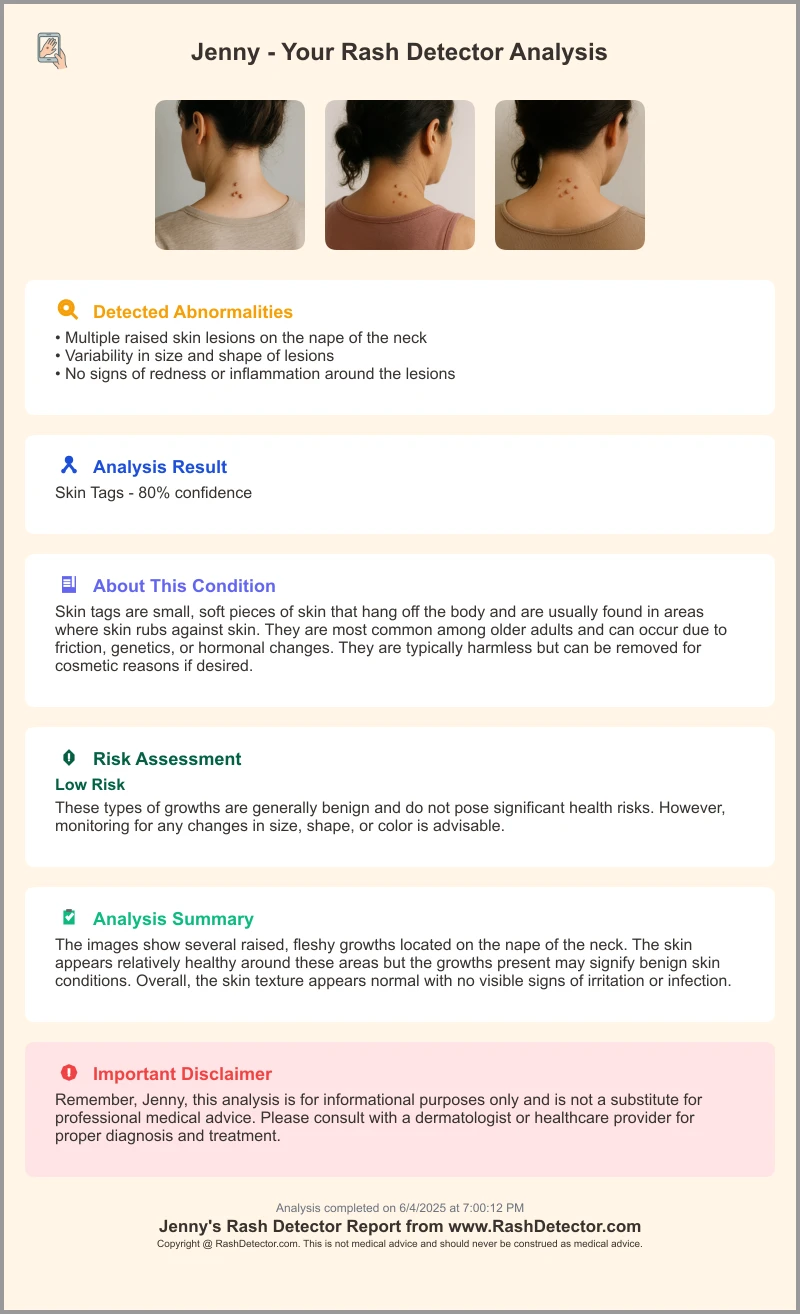
For quick AI analysis of medication-induced rashes, you can upload your photos to Rash Detector and receive an instant report.
Mild rash management:
- Oral antihistamines (diphenhydramine, cetirizine) for itching and swelling
- Topical corticosteroids (1% hydrocortisone, triamcinolone) for inflammation
- Supportive care: cool compresses, oatmeal baths, fragrance-free moisturizers, and avoiding scratching
Moderate to severe reactions:
- Systemic corticosteroid taper (prednisone 0.5–1 mg/kg/day)
- IV therapies for SJS/TEN: IVIG, cyclosporine, specialized wound care
- Hospitalization for extensive involvement or mucosal lesions
- Supportive measures: fluid and electrolyte replacement, pain control, nutritional support
For comprehensive management of drug allergy rashes, refer to this guide. For a more detailed protocol, see our comprehensive guide to identifying and managing drug-induced skin reactions.
Step-by-step algorithm:
- Identify and stop the culprit drug.
- Provide symptomatic relief with antihistamines and topical steroids.
- Reassess in 48–72 hours; escalate to systemic therapy if symptoms persist.
- Refer to dermatology or admit for severe cases.
Prevention and Management Strategies
Preventive measures:
- Follow prescribed dosages and avoid self-adjustment.
- Maintain and share an updated medication and allergy list.
- Use electronic health record alerts or medical ID bracelets.
Lifestyle and skincare tips:
- Choose gentle, pH-balanced cleansers and fragrance-free moisturizers.
- Avoid hot showers; pat skin dry and apply emollients promptly.
- Use broad-spectrum SPF 30+ sunscreen on healing skin.
Patient-provider communication:
- Describe onset, distribution, and severity of the rash.
- Ask questions like: “Are there known rash risks with this medication?” or “What skin changes should I monitor?”
When to Seek Professional Help
Red-flag symptoms requiring urgent care:
- Respiratory distress, throat tightness (anaphylaxis)
- Facial or tongue swelling (angioedema)
- Widespread blistering or peeling (SJS/TEN)
- Mucosal ulcers in eyes, mouth, or genitals
- High fever (>38.5 °C), lymphadenopathy, organ dysfunction
Potential complications: sepsis from secondary infection, permanent scarring or pigment changes, multi-organ failure in severe syndromes.
Next steps:
- Call 911 or seek emergency care for anaphylaxis.
- Go to the emergency department for suspected SJS/TEN.
- Schedule a dermatology consult for persistent moderate rashes.
FAQ
Q: What is a drug-induced rash?
A: A skin reaction caused by medications, which can range from mild erythema to severe blistering syndromes.
Q: How quickly do drug rashes appear?
A: Immediate reactions occur within hours; delayed reactions can take days to weeks after drug initiation.
Q: Should I stop the medication if I develop a rash?
A: Always consult a healthcare provider before stopping any medication; early evaluation helps determine the cause.
Q: Can drug eruptions be prevented?
A: Prevention includes maintaining an updated allergy list, using alert systems, and monitoring new prescriptions closely.