Medication Rash Treatment: A Comprehensive Guide
Discover how to identify and manage medication rashes effectively, including treatment options and preventive measures, in this in-depth guide.
Estimated reading time: 8 minutes
Key Takeaways
- Medication rashes range from mild eruptions to life-threatening reactions like SJS/TEN.
- Early recognition and prompt discontinuation of the culprit drug are crucial to prevent complications.
- Treatment varies by severity: OTC antihistamines and topical steroids for mild cases; hospitalization for severe reactions.
- Diagnosis relies on medication history, clinical exam, laboratory tests, and sometimes skin biopsy.
- Preventive measures include maintaining an accurate allergy history and avoiding known triggers.
Table of Contents
- Understanding Medication-Induced Rashes
- Recognizing the Symptoms
- Diagnosis and When to Seek Medical Help
- Treatment Options
- Preventative Measures and Lifestyle Considerations
- Conclusion
- FAQ
Introduction
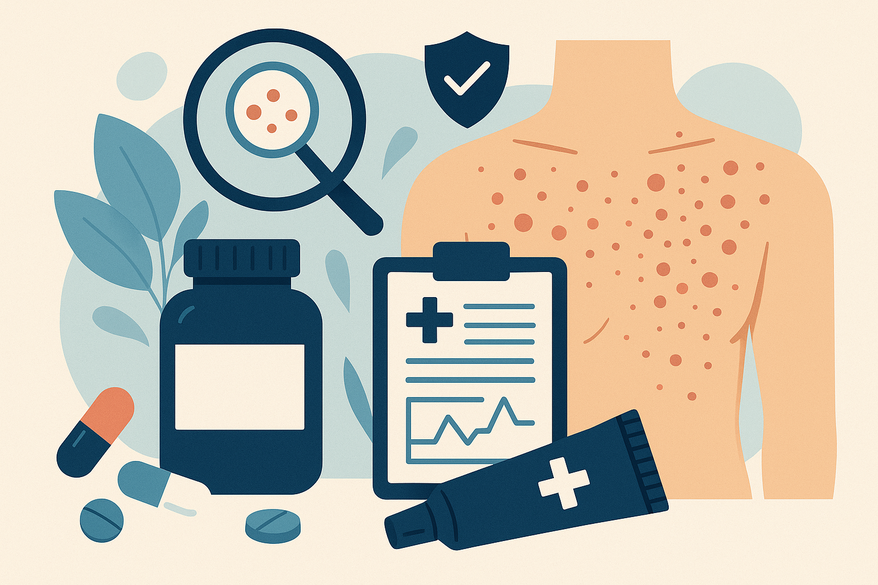
A medication-induced rash—also called a drug eruption or drug rash—is any skin reaction to prescription drugs, over-the-counter products, or supplements. These reactions can show as redness, bumps, blisters, or hives. Early treatment helps stop harm, ease itching and pain, and lower risks of scarring, infection, or repeated exposure.
Medication-induced rashes are one of the most common side effects of drugs, and timely, appropriate care is critical because some rashes are mild and self-limited while others can be life-threatening. Recognizing and managing rashes early reduces discomfort and prevents severe outcomes.
Section 1: Understanding Medication-Induced Rashes
A drug rash (drug eruption) is a skin reaction caused by a medication or its byproducts. Some eruptions are immune-mediated, and others are not.
- Allergic (immune-mediated) reactions
The immune system misidentifies the drug as harmful and attacks. Examples include hives, morbilliform rash, Stevens-Johnson syndrome (SJS), and toxic epidermal necrolysis (TEN). - Non-allergic (non–immune mediated) reactions
Result from direct toxicity, photosensitivity, or drug–drug interactions. These can mimic allergic rashes but lack immune markers.
Rashes may appear:
- Immediately (minutes to hours) – often hives or anaphylaxis.
- Delayed (days to weeks) – typically morbilliform rash or severe cutaneous adverse reactions (SCARs).
Common culprit medications include antibiotics (penicillins, sulfonamides, cephalosporins), anticonvulsants (carbamazepine, lamotrigine, phenytoin), NSAIDs (ibuprofen, naproxen), allopurinol, chemotherapy agents, contrast dyes, biologics, and herbal supplements.
Sources: Merck Manuals, GoodRx, Hopkins Medicine
Section 2: Recognizing the Symptoms
Medication-induced rashes vary in pattern and severity. Knowing the types helps you choose the right care.
- Morbilliform rash (measles-like)
Red macules and papules, often itchy. Appears days after starting a drug. - Urticaria (hives)
Raised welts, intensely itchy. Rapid onset (minutes to hours). - Fixed drug eruption
Red or purple patch at the same spot after each dose. - SCARs (Severe Cutaneous Adverse Reactions)
SJS/TEN, DRESS: painful red or purple skin, blistering, mucosal sores, fever.
Associated symptoms may include itching, burning, pain, swelling, fever, and malaise. In severe cases, difficulty breathing and low blood pressure signal anaphylaxis.
Red flags vs. minor rashes:
Minor rash:
• Limited area, non-blistering
• No fever or systemic signs
• Managed with OTC creams or antihistamines
Serious reaction – seek urgent care if you see:
• Blistering or peeling skin
• Mucosal sores in mouth, eyes, or genitals
• Facial or throat swelling, breathing difficulty
• Hypotension, high fever, organ symptoms
Sources: Harvard Health Blog, CCJM, Children's National
Section 3: Diagnosis and When to Seek Medical Help
Accurate diagnosis relies on history, exam, and sometimes tests.
- Medication history
– List all prescriptions, OTC drugs, supplements
– Note start/stop dates and past reactions - Rash characteristics
– Onset relative to drug use
– Distribution, shape, size, and any systemic signs
Possible tests include CBC with eosinophils, liver/kidney function panels, electrolytes for systemic symptoms; skin biopsy to confirm SJS/TEN, DRESS, or vasculitis; and allergy testing such as a penicillin skin test under specialist care.
When to seek help:
• Call your clinician for any new or spreading rash, even if mild. Do NOT stop essential meds (heart, seizure, anticoagulants) without guidance.
• Go to the ER if you have:
– Trouble breathing or swallowing
– Facial or throat swelling
– Chest tightness
– Rapid rash spread, blistering, peeling
– High fever or shock signs
For guidance on recognizing warning signs, see identifying drug-induced rash symptoms.
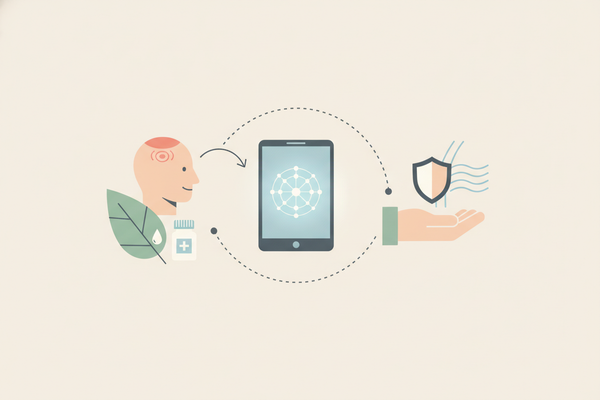
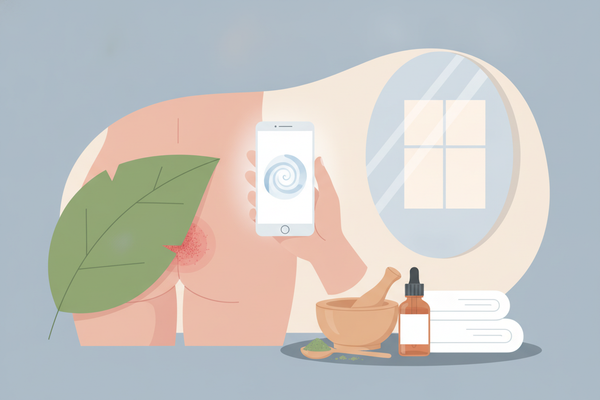
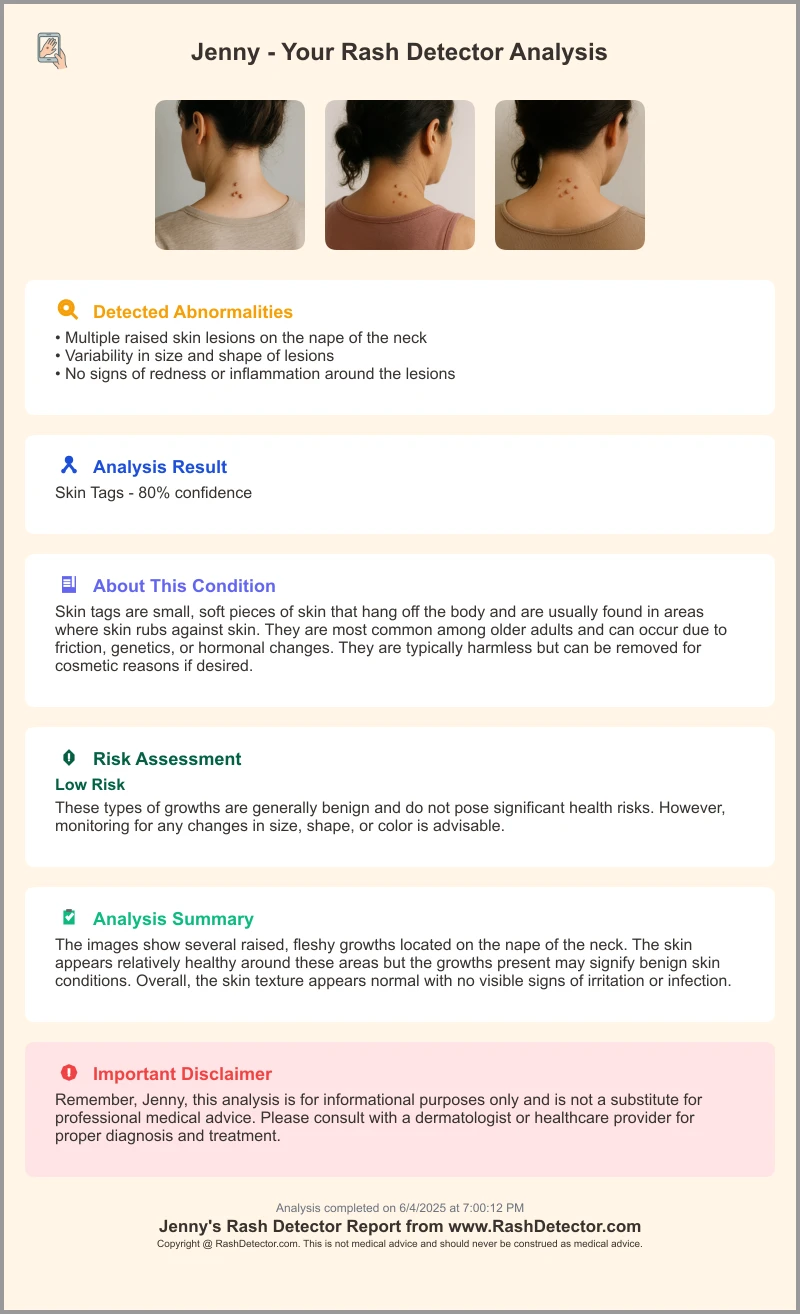
You can also complement clinical evaluation with AI-powered analysis using Rash Detector for a quick, data-driven sample report below:
Section 4: Treatment Options
The first and most crucial step is identifying and discontinuing the offending drug under medical supervision.
Mild to moderate rashes:
- Oral antihistamines (cetirizine, loratadine, diphenhydramine) to reduce itching.
- Topical corticosteroids (hydrocortisone 1%, triamcinolone) to reduce inflammation and redness.
- Supportive skin care – cool compresses, fragrance-free moisturizers, gentle cleansers.
Severe reactions (SCARs, anaphylaxis):
- Anaphylaxis: IM epinephrine, airway support, IV fluids, possible ICU care.
- SJS/TEN, DRESS: Hospitalization in a burn or dermatology unit; IV fluids, pain control, nutritional support, wound care; systemic corticosteroids or IVIG per protocol.
For a comparison of over-the-counter vs. prescription options, see OTC vs. Prescription Rash.
Section 5: Preventative Measures and Lifestyle Considerations
You can lower your risk by:
- Providing a complete medication and allergy history at every visit.
- Wearing a medical alert bracelet or carrying an allergy card for serious drug allergies.
- Avoiding culprit drugs and close chemical cousins when advised.
- Slow titration of high-risk meds (e.g., anticonvulsants) under specialist guidance.
Discuss with your provider:
“What skin side effects are common with this drug?”
“What should I do if a rash appears?”
“Are there safer alternatives given my history?”
Lifestyle and diet adjustments: balanced diet, hydration, sleep, stress management; avoid skin irritants; sun protection for photosensitive reactions.
Conclusion
Medication rash treatment hinges on early identification, stopping the culprit drug, symptom relief, and recognizing emergencies. Mild rashes often resolve with OTC or prescription antihistamines and topical steroids. Severe reactions like SJS/TEN or anaphylaxis require hospital care and specialized support. Always consult your healthcare provider before stopping any essential medication and seek immediate help for red-flag symptoms.
Call-to-Action
- Share your experiences with medication-induced rashes and treatments in the comments.
- Help raise awareness—share this post on social media.
- Remember, this guide is informational and not a substitute for professional medical advice; always consult your healthcare provider.
FAQ
- What are common symptoms of a medication-induced rash?
Symptoms range from red bumps and itching to blistering, mucosal sores, and systemic signs like fever. - How is a medication rash diagnosed?
Diagnosis includes reviewing medication history, clinical exam, lab tests (CBC, liver/kidney function), and sometimes a skin biopsy. - When should I seek medical attention?
Seek urgent care if you experience blistering, peeling, mucosal involvement, breathing difficulty, or high fever. - How are medication rashes treated?
Mild cases respond to antihistamines and topical steroids; severe cases like SJS/TEN require hospitalization and specialized care. - Can I prevent medication-induced rashes?
Preventive measures include maintaining an accurate allergy history, avoiding known triggers, and wearing medical alert identification.