Medication Rash Treatment: Comprehensive Guide for Safe Management
Learn how to identify and manage medication-induced rashes safely. This guide covers symptoms, treatments, and preventative measures for effective medication rash treatment.

Estimated reading time: 8 minutes
Key Takeaways
- Medication-induced rashes range from mild to life-threatening.
- Early recognition and discontinuation of the offending drug are vital.
- Treatment options vary by severity: OTC remedies, prescription steroids, or emergency care.
- Monitor for red-flag symptoms like breathing difficulty, swelling, or blistering.
- Maintain detailed records to prevent future reactions.
Table of Contents
- Introduction
- Understanding Medication-Induced Rashes
- Common Causes and Risk Factors
- Diagnosis and When to Seek Medical Help
- Medication Rash Treatment Options
- Managing and Preventing Future Rashes
- Conclusion and Key Takeaways
- Additional Resources and References
- FAQ
Introduction
Medication rash treatment begins with knowing what a drug rash is and why it matters. Medication-induced rashes are skin reactions triggered by a drug, ranging from mild itching to life-threatening blistering. Early recognition stops progression to severe reactions and can be life-saving. This post provides informational guidance on identifying and managing medication-induced rashes, from home care to emergency therapies. Understanding medication rash treatment helps patients and caregivers act quickly and safely.
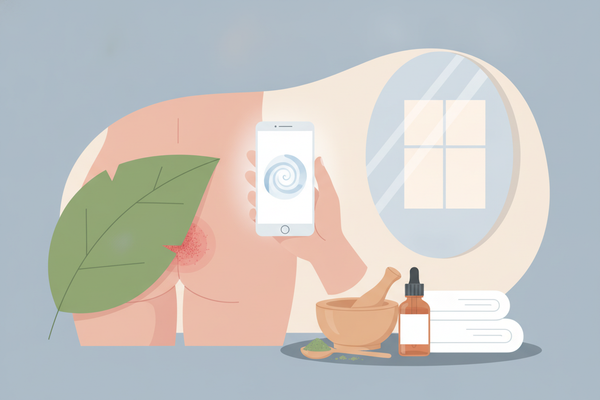
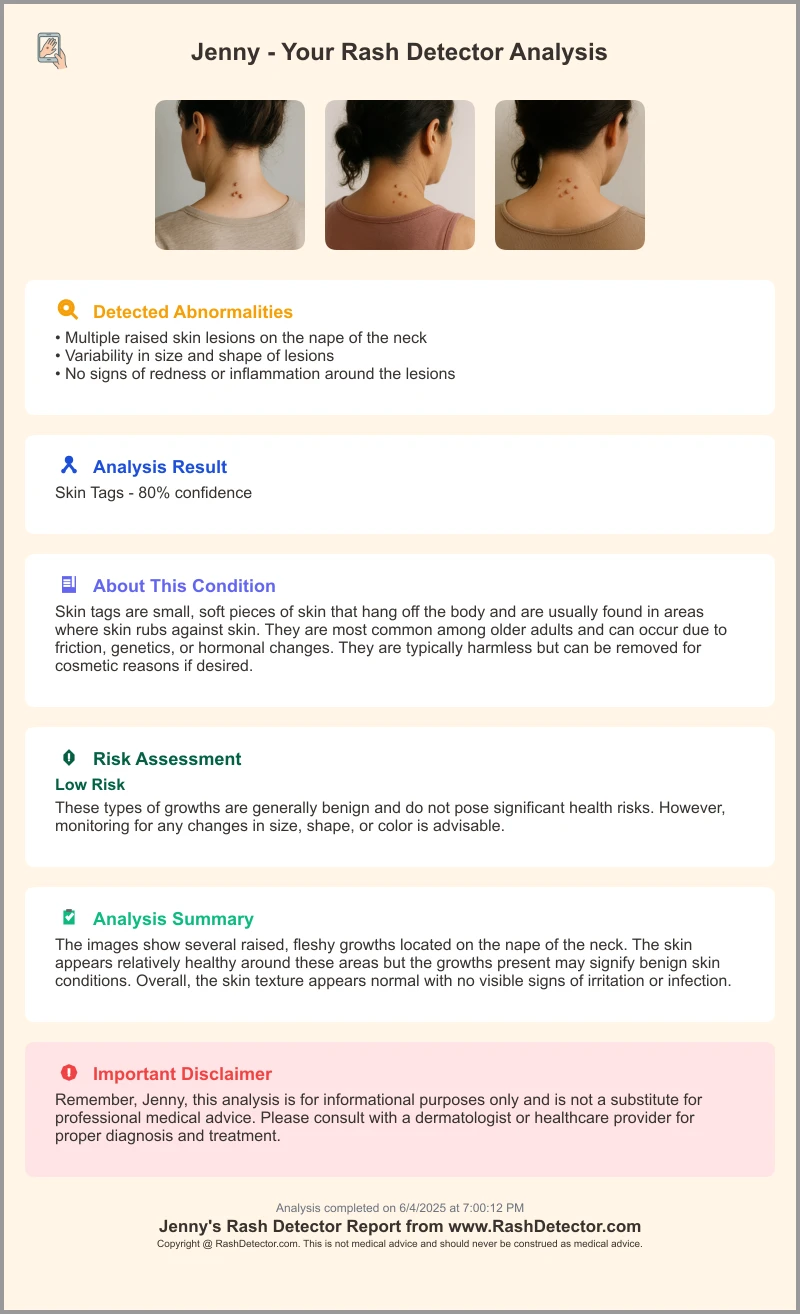
For a quick preliminary analysis, consider using the Skin Analysis App from Rash Detector to upload up to three images of your rash and receive an instant AI-generated report.
Understanding Medication-Induced Rashes
What Are Medication-Induced Rashes?
A medication-induced rash is a skin reaction caused by a drug. The body’s immune system may see the medicine as harmful and trigger inflammation in the skin. Some rashes are true allergic responses, while others result from direct drug toxicity or sunlight sensitivity. For more on identifying drug-induced rash symptoms.
Why They Occur
- Allergic/hypersensitivity response to drug metabolites
- Direct toxic effects on skin cells (non-allergic)
- Photosensitivity reactions when certain drugs plus sunlight spark a rash
Common Signs and Symptoms
- Redness (flat macules or raised papules)
- Itching or burning sensation
- Swelling and hives (urticaria)
- Blisters or peeling in severe cases
Importance of Early Identification
Spotting a drug rash early allows you to:
- Stop the culprit medicine sooner
- Prevent systemic complications (organ involvement)
- Avoid more severe skin disorders later
Common Causes and Risk Factors
Why Most Drugs Can Cause Rashes
Over 90% of medications list rash as a possible adverse event. Even common pills can backfire in the skin.
Medication Groups Often Implicated
- Antibiotics (penicillins, sulfonamides)
- Anticonvulsants (carbamazepine, phenytoin, lamotrigine)
- Allopurinol (gout therapy)
- NSAIDs (ibuprofen, naproxen)
- Chemotherapy and immune-modulating agents
Risk Factors That Increase Chances of a Rash
- Previous drug allergies or adverse reactions
- Polypharmacy (taking many meds at once)
- Viral infections while on antibiotics
- Genetic predispositions (specific HLA types)
- Older age and chronic illness
Role of Past Reactions and Documentation
- A history of rash raises risk of repeat or worse reactions
- Document all drug allergies, dates, and symptoms
- Share this record with every healthcare provider
Diagnosis and When to Seek Medical Help
How Clinicians Diagnose Drug Rashes
- Detailed medication review – Include prescriptions, OTCs, supplements
- Timing correlation – Link rash onset to starting or changing a drug
- Physical exam – Note rash morphology, distribution, blisters, hives
- Stop–observe approach – Discontinue suspect drug to see if rash improves
Additional Tests for Uncertain or Severe Cases
- Skin biopsy to confirm drug reaction
- Blood tests for systemic inflammation
- Patch testing or allergy testing for specific allergens
Red-Flag Symptoms Needing Urgent Care
- Difficulty breathing or wheezing (anaphylaxis)
- Swelling of face, lips, tongue, or throat
- Blistering, peeling skin including mucous membranes (SJS/TEN)
- High fever or flu-like symptoms
- Rapidly spreading rash or purple discoloration
- Signs of low blood pressure (dizziness, fainting)
Medication Rash Treatment Options
Core Principle
1. Stop the offending drug
2. Relieve symptoms and treat complications
- Discontinuation of Culprit Medication
- Under medical supervision, stop the suspected drug
- Substitute a chemically unrelated alternative if needed
- Never halt essential medications (heart, seizure drugs) without guidance
- OTC and Prescription Therapies by Severity
Mild/Localized Rashes
- Oral antihistamines (diphenhydramine or non-sedating)
- Low- to medium-strength topical corticosteroids
- Bland moisturizers and emollients
Moderate/Severe Reactions
- Prescription-strength topical steroids
- Short-course oral corticosteroids (prednisone)
- Epinephrine and systemic steroids for anaphylaxis
- Hospitalization and intensive care for SCARs (SJS/TEN)
- Non-Pharmaceutical and Home-Care Measures
- Cool compresses or oatmeal baths to soothe itching
- Gentle, fragrance-free cleansers and moisturizers
- Loose, breathable clothing; avoid scratching and hot showers
- Sun protection if photosensitivity is suspected
- Preventative Measures During Treatment
- Avoid new or unnecessary medications during evaluation
- Monitor for new symptoms (fever, blisters, swelling)
- Seek help promptly if rash worsens
Managing and Preventing Future Rashes
Managing Current Symptoms
- Follow the treatment plan exactly as prescribed
- Keep healing skin moisturized and protected
- Avoid re-exposure to the culprit drug and related medications
Preventing Future Occurrences
- Keep detailed records of drug allergies and reactions
- Share allergy history with all providers and pharmacists
- Wear medical alert ID for severe past reactions
- Consider alternative drug classes or specialist-guided desensitization
- Use one pharmacy to centralize your medication history
For more on long-term management of drug allergy rashes, see Managing Drug Allergy Rash.
Conclusion and Key Takeaways
Medication-induced rashes range from mild itching to life-threatening emergencies. Medication rash treatment hinges on early recognition and stopping the offending drug. Then, use the right therapies—antihistamines, topical steroids, oral steroids, or emergency measures like epinephrine and hospital care.
- Identify and discontinue the culprit drug quickly
- Use home remedies and OTC treatments for mild rashes
- Escalate to prescription medications and hospital care as needed
- Watch for red-flag symptoms: breathing trouble, facial swelling, blistering, fever
- Prevent future rashes with clear documentation and communication
Consult your healthcare professional promptly if you suspect a drug rash. Never stop essential medications without medical advice.
Additional Resources and References
- Merck Manual – Drug Rashes
- Johns Hopkins Medicine – Drug Rashes
- Harvard Health – When is a drug rash more than just a rash?
- GoodRx – Drug Rashes: Skin Reactions
- First Derm – Drug Rash: Pictures, Symptoms, Diagnosis & Treatment
- Identifying and Managing Drug-Induced Rash Symptoms
- Managing Drug Allergy Rash: A Comprehensive Guide
FAQ
- What is a medication-induced rash?
A skin reaction triggered by a drug, which can be allergic or toxic in nature. - How can I tell if my rash is drug-related?
Look for timing after starting a new medication, pattern of rash, and associated symptoms like fever or swelling. - When should I seek emergency care?
If you experience difficulty breathing, facial swelling, blistering or peeling skin, high fever, or rapid spread of rash. - What home remedies can help mild rashes?
Cool compresses, oatmeal baths, fragrance-free moisturizers, and OTC antihistamines may reduce itching and inflammation. - How do I prevent future drug rashes?
Maintain detailed allergy records, share them with providers, wear medical alert ID, and consider alternative drug options.