Medication Rash Treatment: How to Identify, Manage, and Prevent Drug-Induced Rashes
Learn how to recognize medication rash treatment, explore options, and know when to seek medical help for drug-induced rashes and prevent future occurrences.
Estimated reading time: 8 minutes
Key Takeaways
- Medication-induced rashes can range from mild redness to life-threatening reactions.
- Early recognition and stopping the culprit drug prevents complications like infection or severe reactions.
- Home remedies, OTC treatments, and prescriptions offer effective symptom relief.
- Seek emergency care for signs such as breathing difficulty or widespread blistering.
- Keeping a detailed drug and reaction history helps prevent future rashes.
Table of Contents
- Understanding Medication Rashes
- Identifying Medication Rashes
- Medication Rash Treatment Options
- When to Seek Professional Help
- Managing and Preventing Future Rashes
- Conclusion
Understanding Medication Rashes
A medication rash (or drug-induced skin reaction) happens when a drug causes an abnormal response. It may result from:
- Immune hypersensitivity (allergic reaction)
- Non-immunologic toxicity (direct skin irritation)
Major Rash Patterns
- Maculopapular rash: flat red areas with small bumps
- Urticaria (hives): itchy, raised welts that come and go
- Erythema multiforme: target-shaped red spots, sometimes with a central blister
- Stevens–Johnson syndrome (SJS) / Toxic epidermal necrolysis (TEN): severe blistering and peeling, a medical emergency
Common Culprit Medications
- Antibiotics (penicillins, sulfonamides)
- NSAIDs (ibuprofen, naproxen)
- Anticonvulsants (phenytoin, lamotrigine)
- Allopurinol (for gout)
- Chemotherapy agents & biologics
- OTC drugs & supplements
Typical Signs and Symptoms
- Itching or burning sensations
- Red spots, hives, or welts
- Swelling (angioedema), especially of face or lips
- Blistering or peeling skin
- Mucosal sores (mouth, eyes, genitals)
- Fever or swollen lymph nodes in severe cases
For more on symptoms, see our detailed guide on identifying and managing drug-induced rash symptoms.
Identifying Medication Rashes
Early and accurate identification accelerates safe treatment—stopping the culprit drug and starting the right therapy quickly.
Onset Clues
- Rash appears days to weeks after starting or changing a medication
- No new skincare products or infections to explain the rash
- Pattern matches common drug reactions (see previous section)
Monitoring Strategies
- Daily skin checks during the first 2–4 weeks on a new or high-risk drug
- Symptom diary: note medication start date, rash onset, location, and spread
- Photograph evolving rash spots to share with your doctor
Role of Healthcare Professionals
- Medication history review (prescriptions, OTC, supplements)
- Timeline correlation (when drug started vs. rash onset)
- Physical exam: rash pattern, spread, severity
- Diagnostics: blood tests, patch tests, skin biopsy for unclear or severe cases
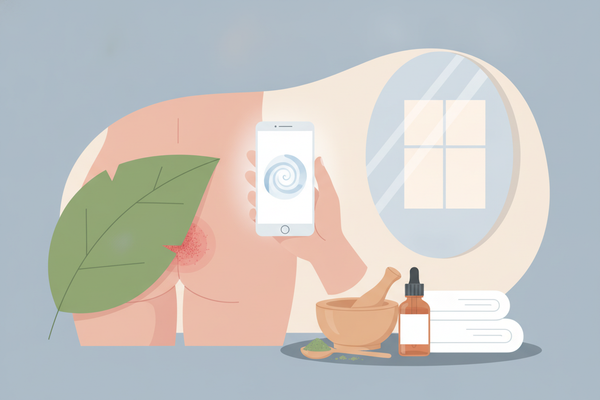
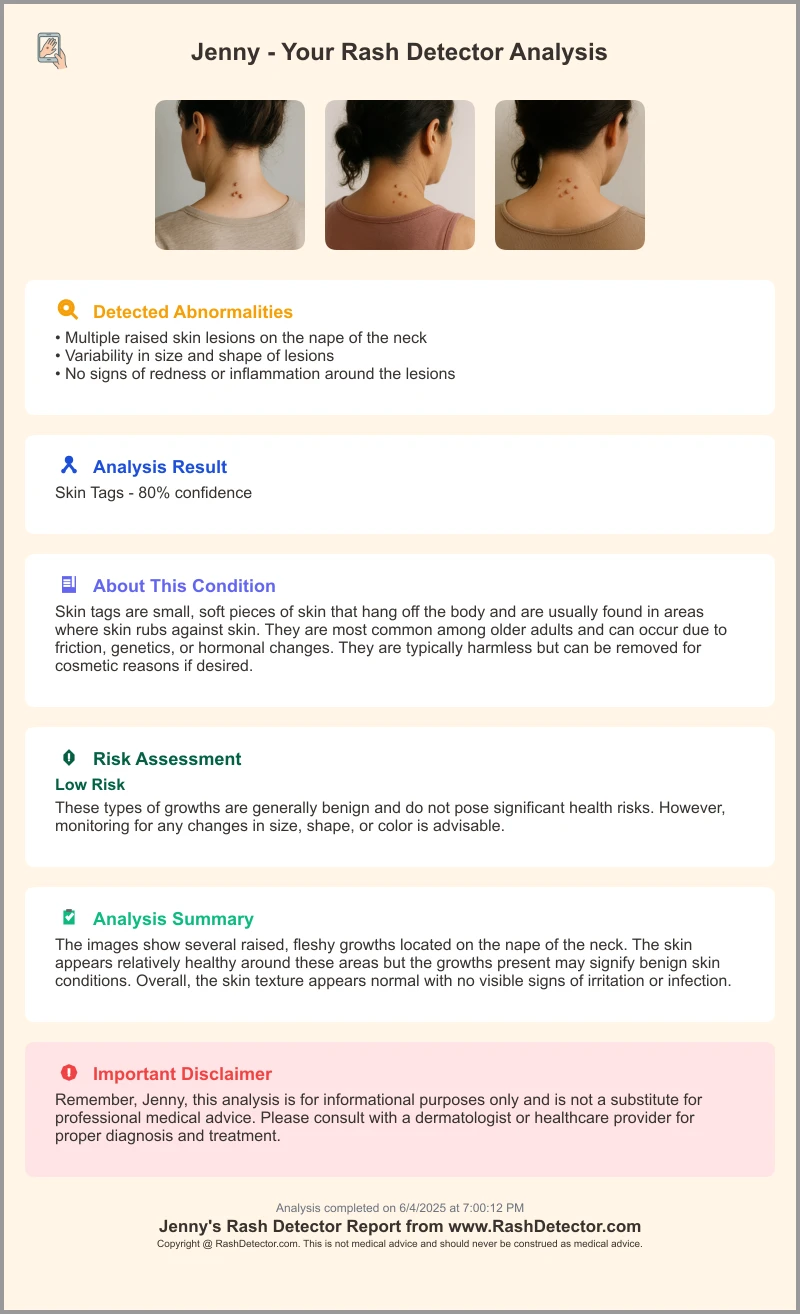
For quick at-home evaluation, try the Skin Rash App. Upload images for an instant AI-powered analysis:
Medication Rash Treatment Options
Effective medication rash treatment follows a stepwise approach:
- Stop the offending drug (under medical supervision)
- Provide symptom relief with home care, OTC, or prescription therapies
- Escalate to emergency care if severe
Home Remedies (Mild Reactions)
- Cool compresses to ease itching
- Fragrance-free gentle cleansers and moisturizers
- Loose, cotton clothing to reduce friction
- Trim nails and avoid scratching
Over-the-Counter Options
- Oral antihistamines (diphenhydramine, cetirizine, loratadine)
- Topical hydrocortisone 1% cream for localized inflammation
- Calamine or colloidal oatmeal lotions for soothing relief
Prescription Treatments
- Prescription-strength antihistamines for stubborn hives
- Topical corticosteroids (triamcinolone, fluocinonide)
- Systemic corticosteroids (oral prednisone taper or IV methylprednisolone)
- Epinephrine auto-injector for anaphylaxis
- Hospitalization with IV fluids, wound care, and immunosuppressants for SCARs (SJS/TEN)
Safety note: Never stop critical medications (seizure, cardiac drugs) on your own. Discuss all changes with your provider.
When to Seek Professional Help
Emergency Signs (Call 911 or Go to ER)
- Difficulty breathing, wheezing, tight throat
- Swelling of face, lips, tongue, or throat
- Rapid rash spread over hours
- Blistering or peeling affecting large areas
- Mucosal involvement (mouth, eyes, genitals)
- High fever, chills, or feeling very unwell
- Signs of low blood pressure (dizziness, fainting)
Urgent Same-Day Doctor Visit
- New rash after starting a medication
- Rash that is spreading, painful, or hot to touch
- Mild fever, joint pain, or swollen glands
- Any mucous membrane sores without severe systemic signs
Preparing for Your Appointment
- Bring a complete medication list with start dates (RX, OTC, supplements)
- Document rash onset, progression, location, and symptoms
- Take clear photos of the rash at different stages
- Ask targeted questions:
- “Could this be drug-induced?”
- “Should I stop or switch this medication?”
- “What medication rash treatment do you recommend?”
Managing and Preventing Future Rashes
Preventing repeat reactions saves you stress and health risks:
- Avoid re-exposure to known culprit drugs; keep a written or digital allergy record
- Inform all healthcare providers, including dentists and pharmacists, about past drug rashes
- Discuss alternative medications if you have a history of severe reactions
- Consider allergy testing or specialist consults to clarify safe drug options
For step-by-step strategies on managing drug allergies, visit our detailed guide.
Conclusion
A new rash after starting a medicine deserves attention. Most drug rashes clear by stopping the culprit and using antihistamines or corticosteroids. Severe cases need emergency care.
Prompt, evidence-based medication rash treatment prevents complications and speeds recovery. If you suspect a medication-induced rash:
- Contact your healthcare provider without delay
- Keep clear records of drugs and reactions
- Share this guide to help friends and family recognize and manage drug rashes safely
Stay vigilant, stay informed, and protect your skin health.
FAQ
-
What are common signs of a drug-induced rash?
Itching, redness, hives, blistering, or swelling—often appearing days to weeks after starting a medication. -
How can I treat a mild medication rash at home?
Use cool compresses, gentle skincare products, loose clothing, and consider OTC antihistamines or hydrocortisone cream. -
When should I see a doctor for a rash after taking medicine?
If the rash is spreading quickly, painful, involves mucous membranes, or is accompanied by breathing difficulty, fever, or swelling.