Medication Rash Treatment: Identify, Manage, and Prevent Drug-Induced Rashes
Effective medication rash treatment involves recognizing, managing, and preventing drug-induced rashes for optimal skin health and safety.

Estimated reading time: 8 minutes
Key Takeaways
- Early Recognition: Identify drug-induced skin reactions quickly to prevent complications.
- Drug Withdrawal: Discontinue suspected medications under medical supervision.
- Stepwise Treatment: Use home remedies for minor rashes and systemic therapies for severe cases.
- Emergency Signs: Seek immediate care for blisters, facial swelling, or systemic symptoms.
- Prevention: Maintain detailed reaction logs and consult specialists for future drug safety.
Table of Contents
- 1. Understanding Medication-Induced Rashes
- 2. Identifying a Medication-Induced Rash
- 3. Approaches to Medication Rash Treatment
- 4. When to Seek Professional Medical Help
- 5. Additional Tips and Preventative Measures
- Conclusion
1. Understanding Medication-Induced Rashes
A medication-induced rash is any allergic or non-allergic skin eruption connected to drug exposure. These reactions fall under cutaneous adverse drug reactions (CADRs). Symptoms often include redness, itching, bumps, or blister formation.
Key distinctions from contact dermatitis and infections:
- Timing: Drug rashes typically appear days to weeks after starting or changing dosage. Contact dermatitis often follows direct skin contact within hours.
- Resolution: CADRs usually improve when the offending medication is discontinued.
- Distribution: Drug rashes can be widespread or target specific areas, unlike localized allergic contact reactions.
Common drug classes implicated:
- Antibiotics (penicillins, sulfonamides)
- Non-steroidal anti-inflammatory drugs (NSAIDs)
- Anticonvulsants (phenytoin, carbamazepine)
- Biologics and immunotherapies
Individual immune responses vary. Two patients on identical regimens may experience different severities or no rash at all. Early professional evaluation ensures accurate diagnosis—mislabeling a benign rash as severe can lead to unnecessary drug avoidance, while underrating a serious reaction risks progression to blistering, mucosal involvement, or systemic illness.
Experience Highlight:
A 35-year-old patient developed widespread red papules five days after starting sulfamethoxazole-trimethoprim. Discontinuation led to resolution within a week under antihistamine therapy and topical steroids.
2. Identifying a Medication-Induced Rash
Spotting a drug-induced rash early is crucial. Key warning signs include:
- Itchy, red macules or papules that may coalesce into plaques.
- Blistering, scaling, or rapid spreading—signs of severe cutaneous adverse reactions.
- Facial, lip, or throat swelling, with possible wheezing, indicating potential anaphylaxis.
- Fever, lymphadenopathy, or other systemic symptoms alongside rash.
Differentiation strategy:
- Onset timing: Document when the rash began relative to drug initiation or dose change. Most allergic drug eruptions appear 1–3 weeks after starting therapy.
- Improvement after withdrawal: Note any relief when the suspect medication is paused.
- Rule out infections: Check for viral exanthems or bacterial skin infections, which follow different patterns.
Patient Documentation before Clinic Visit:
- Medication log: Name, dose, start date, recent changes.
- Rash timeline: Exact onset, progression rate.
- Morphology: Flat vs. raised; distribution (localized or generalized).
- Symptoms: Itching intensity, pain, blistering, weeping.
- Systemic signs: Fever, chills, facial swelling, breathing difficulty.
Real-World Tip:
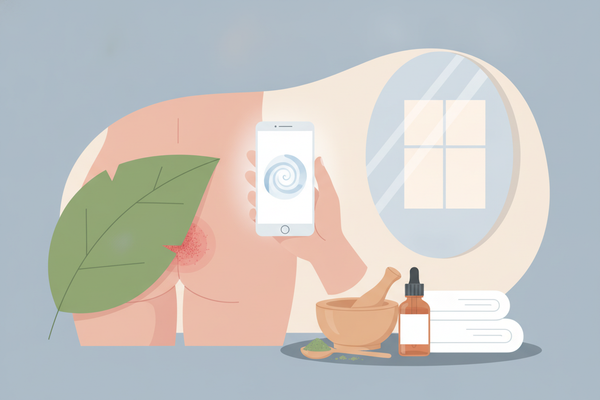
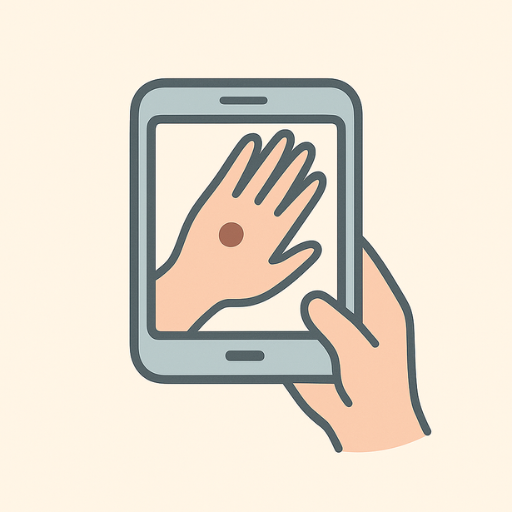
Use your smartphone to photograph the rash daily under consistent lighting. These images help clinicians assess evolution, severity, and response to initial home remedies. For more on detailed symptom recognition.
3. Approaches to Medication Rash Treatment
Effective medication rash treatment combines prompt drug review, symptom relief, and specialist guidance when needed. For a deeper dive into identifying, managing, and preventing drug-induced rashes, see our complete guide to identifying, managing & preventing drug-induced rashes and our complete guide to identifying, managing & preventing drug-induced rashes.
A. Discontinue Suspected Drug
First action: Stop the culprit medication under physician supervision, especially if it is not life-saving. Substitute alternatives if required to maintain disease control.
B. Mild Rash Management
- Oral antihistamines: Cetirizine, loratadine, or diphenhydramine to reduce pruritus.
- Topical corticosteroids: 1% hydrocortisone cream applied twice daily.
- Skin soothing: Cool compresses, fragrance-free emollients, colloidal oatmeal baths.
C. Moderate to Severe Therapy
- Oral corticosteroid taper: Prednisone starting at 0.5–1 mg/kg/day for 5–7 days, then gradual taper.
- Systemic immunomodulators: Cyclosporine or azathioprine for resistant cases, under specialist care.
- Antipyretics and pain management for associated fever or discomfort.
D. Hospitalization Criteria
- Widespread blistering or epidermal detachment (e.g., Stevens-Johnson syndrome).
- Mucosal involvement: Oral ulcers, conjunctivitis.
- Hemodynamic instability or severe systemic illness.
E. Individualized Plans
- Allergy referral and patch testing to confirm the responsible drug and identify safe alternatives.
- Adjustments based on patient age, comorbidities, and concomitant medications.
- Ongoing monitoring for late-onset reactions.
Expert Tip:
Patients with HIV or autoimmune disorders may have atypical rash presentations and higher risk of immune-mediated CADRs. Involve dermatology early for biopsy or specialized immunologic testing. For additional management strategies.
4. When to Seek Professional Medical Help
Some reactions escalate rapidly. Seek immediate care if you notice:
- Widespread or rapidly worsening rash, especially with blisters.
- Facial, lip, or throat swelling, or any breathing difficulty.
- High fever, mucosal involvement (mouth, eyes, genitalia), or systemic symptoms.
- No improvement—or worsening—after stopping the drug under guidance.
Potential complications of untreated severe rashes:
- Dehydration from fluid loss in blisters.
- Secondary bacterial infection in damaged skin.
- Anaphylaxis: A life-threatening, rapid allergic response.
- Stevens-Johnson or toxic epidermal necrolysis with extensive epidermal sloughing.
5. Additional Tips and Preventative Measures
Supporting skin healing:
- Avoid scratching; keep nails short to minimize breaks in skin barrier.
- Use fragrance-free, hypoallergenic moisturizers and gentle cleansers.
- Apply cool compresses or wet dressings to relieve inflammation.
- Protect healing skin from sun exposure with broad-spectrum SPF 30+.
Preventing future drug rashes:
- Discuss rash risks when prescribed new medications; ask about typical timelines.
- Maintain a detailed reaction log: date of drug start, rash onset, symptoms, resolution.
- Ensure confirmed drug allergies are documented in all medical records.
- Consider allergist or dermatologist referral for patch testing and safe drug alternatives.
LSI Tip:
Keep an allergy action plan that lists emergency contacts, known triggers, and preferred treatments for rapid reference. For comparing OTC vs prescription options.
Conclusion
Medication rash treatment hinges on quick recognition, appropriate withdrawal of the offending drug, and tailored care from mild home remedies to systemic therapies. Understanding how to differentiate drug eruptions from other skin disorders and knowing when to escalate care can significantly reduce the risk of severe complications. By combining symptom management, professional evaluation, and preventive planning, patients achieve better outcomes and greater confidence when starting new therapies. Timely action is the key to turning a potentially serious drug reaction into a manageable event.
Have you experienced a medication-induced rash? Share your story or questions in the comments below. Subscribe to our newsletter for more expert advice on skin health, drug safety, and rash prevention strategies. Let’s create a safer, rash-aware community together!
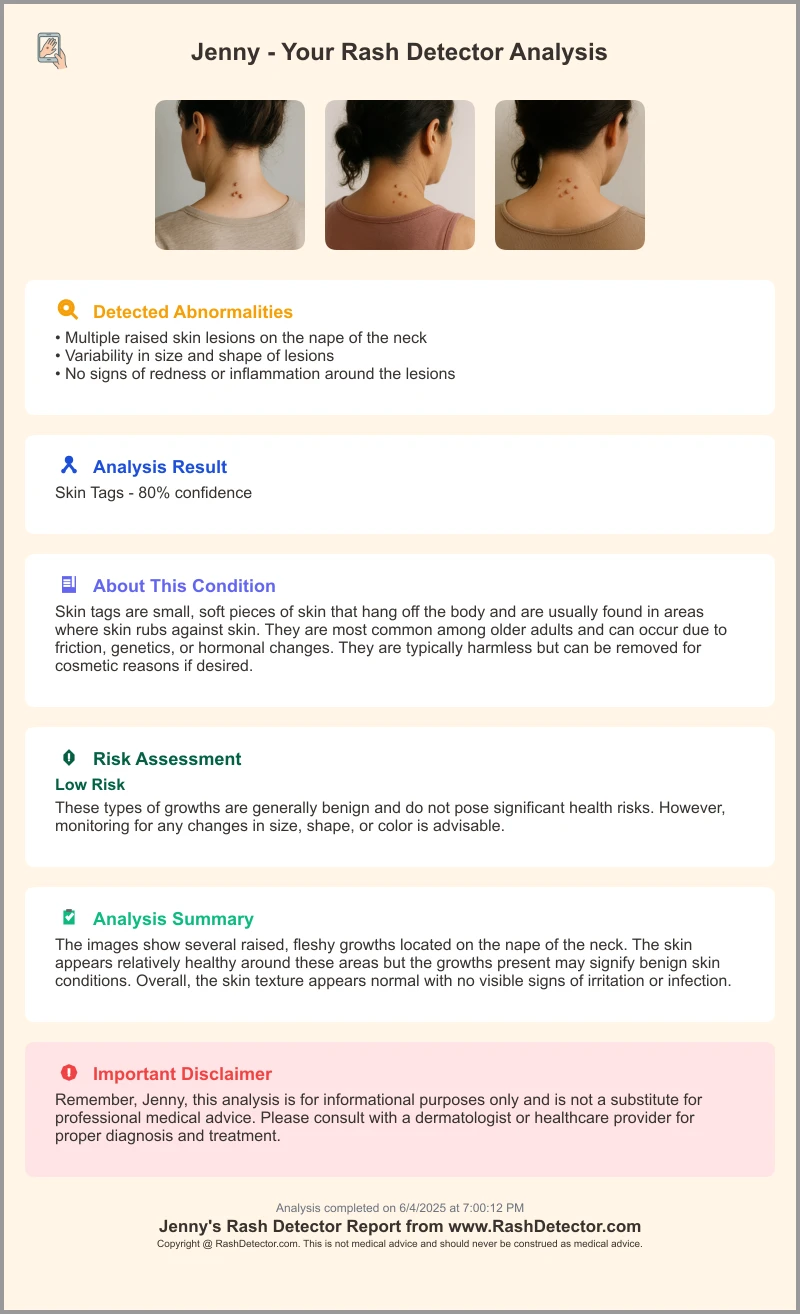
For a quick, AI-driven second opinion on your rash, consider using the Rash Detector. Upload photos of your rash to get an instant analysis and sample report:
FAQ
- Q: How can I tell if my rash is medication-related?
A: Note the timing: most drug rashes develop 1–3 weeks after starting a medication and improve upon withdrawal. - Q: When should I see a doctor for a drug rash?
A: If you experience blisters, facial swelling, breathing issues, fever, or mucosal involvement, seek immediate care. - Q: Can I use over-the-counter creams for a drug rash?
A: Mild rashes often respond to 1% hydrocortisone cream and oral antihistamines, but severe cases require prescription treatments. - Q: Will I have the rash every time I take the medication?
A: Not necessarily. Allergy severity can vary, but repeat exposure may trigger earlier or more severe reactions. - Q: How do I prevent future medication rashes?
A: Keep a detailed reaction log, confirm allergies with patch testing, and ensure all healthcare providers have up-to-date records.