A Complete Guide to Medication Rash Treatment
Learn to recognize, diagnose, and manage medication-induced rashes effectively. This guide covers symptoms, treatment options, and prevention strategies.
Estimated reading time: 8 minutes
Key Takeaways
- Prompt identification: Recognize drug-induced rashes early to prevent complications.
- Varied presentation: Rashes range from mild morbilliform eruptions to severe blistering syndromes.
- Structured diagnosis: A thorough medication history, exam, and targeted tests guide proper identification.
- Tiered treatment: Home remedies and OTC relief for mild cases; prescription and emergency care for severe reactions.
- Prevention focus: Document past reactions, review new prescriptions, and monitor closely for future rashes.
Table of Contents
- Understanding Medication-Induced Rashes
- Recognizing Signs and Symptoms of Medication-Induced Rashes
- Diagnosing Medication-Induced Rashes
- Medication Rash Treatment Options
- Managing Current Symptoms and Preventing Future Rashes
- Conclusion & Further Reading
Understanding Medication-Induced Rashes
In medication rash treatment, a medication-induced rash is a skin eruption triggered by prescription drugs, OTC medications, herbal remedies, or supplements. It often appears days to weeks after starting or changing a dose.
How they differ from eczema or contact dermatitis:
- Timeline tied to drug changes, not allergens or irritants
- Rash improves when the drug stops and recurs on re-challenge
- May include systemic symptoms like fever, swollen glands, or organ issues
Common drug classes that cause rashes:
- Antibiotics: penicillins, sulfonamides
- Anticonvulsants: used for seizures
- NSAIDs: pain relievers like ibuprofen
- Chemotherapy agents
- Biologic therapies and immunomodulators
Risk factors for medication-induced rashes:
- Prior drug allergy or personal/family history of atopy
- Polypharmacy (taking several drugs at once)
- Concurrent viral infections (e.g., mono, HIV)
- Genetic predispositions for certain drug reactions
Knowing these factors helps you and your clinician predict and identify drug eruptions early.
Recognizing Signs and Symptoms of Medication-Induced Rashes
Medication rash treatment begins with spotting visual and systemic clues.
Common visual patterns and sensations:
- Morbilliform eruptions: red, measles-like spots and patches
- Urticaria (hives): raised, itchy welts that may move around
- Macules and papules: flat or raised small bumps
- Vesicles and blisters: small fluid-filled sacs
- Peeling or skin shedding in severe cases
- Itching or burning, localized or widespread redness
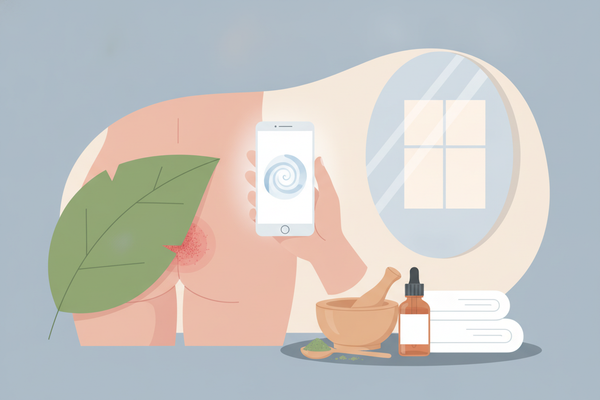
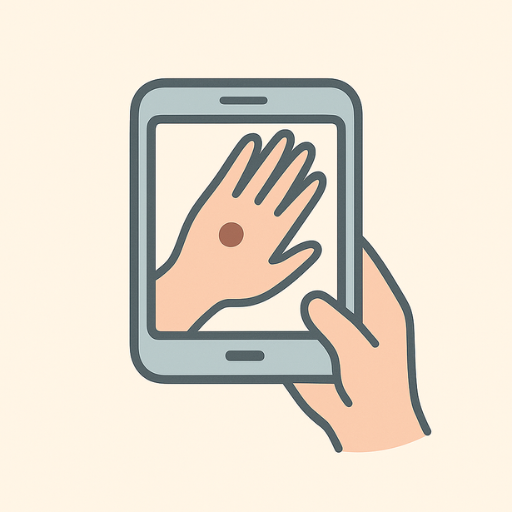
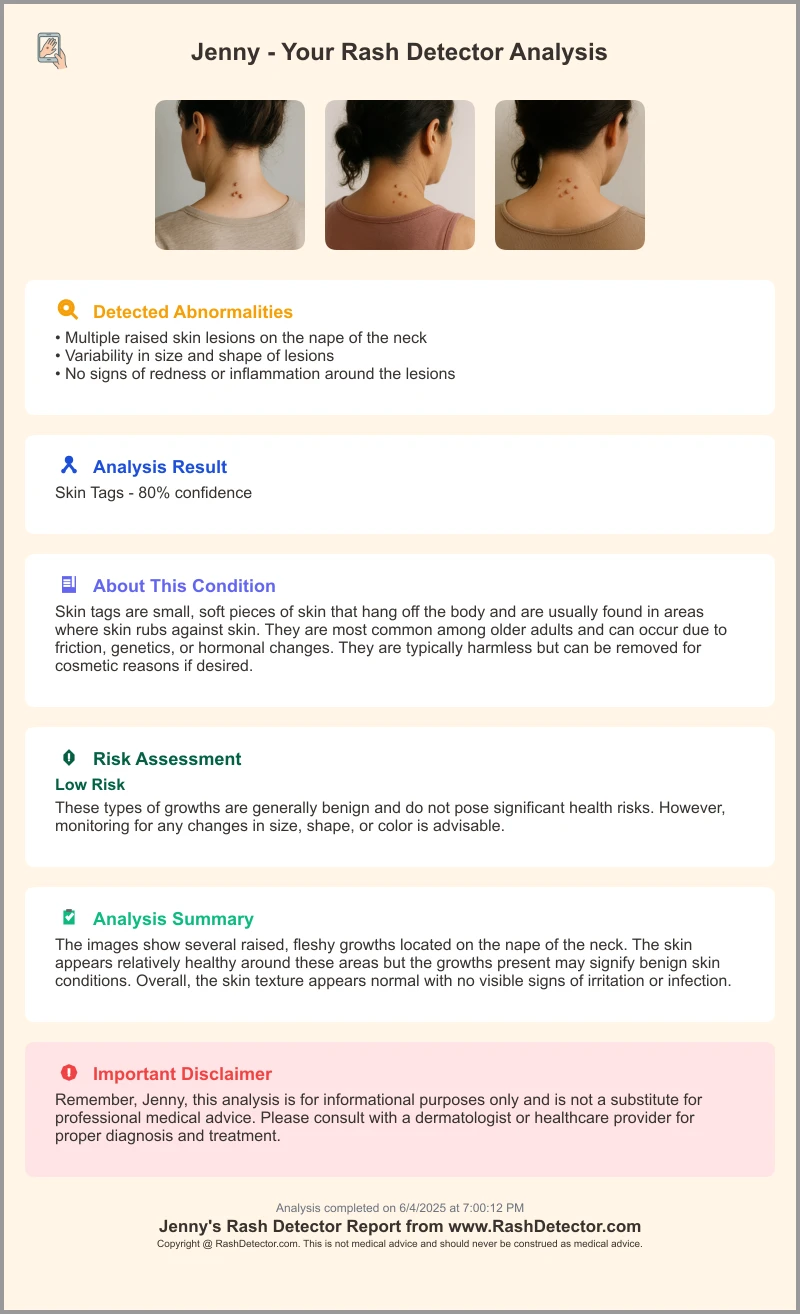
To collect clear photos and get an AI-assisted analysis you can share with your doctor, consider using Rash Detector. Below is a sample report you can generate:
Mild vs serious reactions:
- Mild reactions: limited redness, small bumps, mild itching, no fever or organ symptoms
- Serious reactions: widespread rash plus fever, blistering or peeling, facial or tongue swelling, joint pain, dark urine, jaundice
Warning signs that need urgent care:
- Rapid rash spread over hours
- Trouble breathing, wheezing, or tight chest
- Swelling of face, lips, or throat
- Mucosal involvement: blisters in mouth or genital areas
- High fever with rash or feeling very ill
If you see any of these, call emergency services or go to the nearest ER.
For a deeper dive into identifying drug-induced rash symptoms, explore detailed examples and tips.
Diagnosing Medication-Induced Rashes
In medication rash treatment, diagnosis uses history, exam, and tests to find the cause.
Diagnostic workflow:
- Comprehensive history: list all prescription drugs, OTC meds, herbs, supplements, with start/stop dates and dose changes
- Timeline correlation: match rash onset to drug exposure dates
- Physical exam: note rash distribution, morphology, mucosal involvement
- Exclude other causes: infections, autoimmune conditions, contact allergens
Laboratory and procedural aids:
- Blood tests: check for inflammation markers, liver/kidney function
- Skin biopsy: sample for unusual or severe rashes to guide therapy
Patient tips for tracking:
- Keep a medication diary with dates, doses, and new additions
- Photograph the rash each day to show spread or improvement
- Record systemic symptoms (fever, fatigue) and their timing
Role of allergy testing and history:
- Document prior reactions to avoid re-exposure
- Skin testing or graded drug challenges for select medications (e.g., penicillin)
- Referral to allergist or dermatologist for complex or unclear cases
Medication Rash Treatment Options
Early intervention:
Priority is to discontinue the suspected drug as soon as possible. Continuing it can worsen the rash and cause complications.
Self-care and home remedies for mild cases:
- Cool compresses or cool baths to reduce itching and heat
- Fragrance-free moisturizers to restore the skin barrier
- Avoid hot showers, harsh soaps, and scratching
- Wear loose, breathable clothing made of cotton
- Use hypoallergenic detergents for laundry
Over-the-counter measures:
- Oral antihistamines (e.g., cetirizine, loratadine) to ease pruritus
- Low-potency topical corticosteroids (e.g., hydrocortisone 1%) for small, inflamed areas
For an in-depth comparison of OTC vs prescription treatments, learn which option fits your needs.
When to consult a healthcare professional:
- Uncertain rash cause or when rash is widespread
- Painful, rising, or blistering rash
- Any systemic signs: fever, malaise, joint pain
For guidance on managing drug allergy rash in complex cases, review expert protocols.
Prescription treatments:
- Medium- to high-potency topical steroids for more severe inflammation
- Prescription oral antihistamines for persistent itching
- Short course systemic corticosteroids (e.g., prednisone) under close medical supervision
- Emergency or inpatient care for life-threatening rashes (SJS, TEN, DRESS syndrome) with IV fluids, wound care, and specialty teams
Severity-based treatment:
- Mild/localized: manage outpatient with topical agents, OTC meds, and monitoring
- Moderate with systemic symptoms: labs, possible brief admission, systemic steroids or antihistamines
- Severe/life-threatening: ICU or burn-unit care, multidisciplinary support, intensive skin management
Managing Current Symptoms and Preventing Future Rashes
Medication rash treatment also means managing today’s symptoms and stopping tomorrow’s rashes.
Managing an active rash:
- Follow your clinician’s advice on stopping the offender and choosing alternatives
- Use all prescribed topicals and antihistamines consistently
- Protect skin from sun, friction, and new irritants
- Keep skin clean with gentle, fragrance-free cleansers
Medication review and communication:
- Schedule a full review with your doctor or pharmacist if you take multiple drugs
- Document any drug reactions: drug name, symptoms, timing, and severity
- Share this information with all healthcare providers and pharmacies
- Update your digital and paper allergy records
Prevention strategies:
- Read medication leaflets for rash side effects and warning signs
- Monitor closely for new skin changes in the first days or weeks of a new medication
- Report any rash or systemic symptom right away; do not self-rechallenge with the same drug
- Ask about alternative treatments if you have a history of drug reactions
Conclusion & Further Reading
Accurate identification, timely discontinuation of the culprit drug, and proper symptomatic care form the heart of successful medication rash treatment. Working closely with healthcare professionals ensures safe drug choices and effective rash management.
Further reading from authoritative sources:
- American Academy of Dermatology – Drug Eruptions resources
- AAAAI Patient Guides on Drug Allergies
- NHS Pages on Stevens-Johnson Syndrome and Drug Rashes
FAQ
- What should I do if I suspect a medication is causing my rash?
Stop the suspected drug if advised by your clinician, document symptoms, and seek medical evaluation. - How are medication-induced rashes diagnosed?
Diagnosis involves a detailed drug history, physical exam, lab tests, and sometimes skin biopsy or allergy testing. - When should I seek emergency care for a drug rash?
Seek immediate help if you experience rapid rash spread, blistering, facial swelling, breathing difficulty, or high fever. - How can I prevent future medication-induced rashes?
Maintain an updated allergy record, review new prescriptions with your provider, and monitor skin closely after starting any drug.