Medication Rash Treatment: A Comprehensive Guide to Safe Care
Explore effective medication rash treatment methods to manage symptoms and prevent complications. Stay safe with timely identification and expert care.
Estimated reading time: 10 minutes
Key Takeaways
- Medication rashes can range from mild itching to life-threatening reactions.
- Early recognition and accurate self-assessment guide prompt action.
- Under medical supervision, discontinuation or substitution of the offending drug is crucial.
- OTC remedies (antihistamines, hydrocortisone) and prescription treatments (corticosteroids) ease symptoms.
- Professional evaluation prevents severe cutaneous adverse reactions and informs safe drug changes.
- Maintaining updated allergy records and clear communication with providers helps prevent future episodes.
Table of Contents
- Introduction to Medication Rash Treatment
- Recognizing a Medication-Induced Rash
- Initial Steps and Self-Assessment
- Treatment Options and Management Strategies
- Role of Healthcare Professionals
- Preventive Measures and Long-Term Care
- Conclusion: Key Takeaways for Medication Rash Treatment
Introduction to Medication Rash Treatment
A medication rash is a skin eruption triggered by a prescription drug, over-the-counter medication, or supplement. It appears as redness, spots, hives, swelling, or even blistering when the immune system or body chemistry reacts to a medicine. Understanding medication rash treatment is vital because timely identification and management can prevent mild reactions from becoming severe or life-threatening.
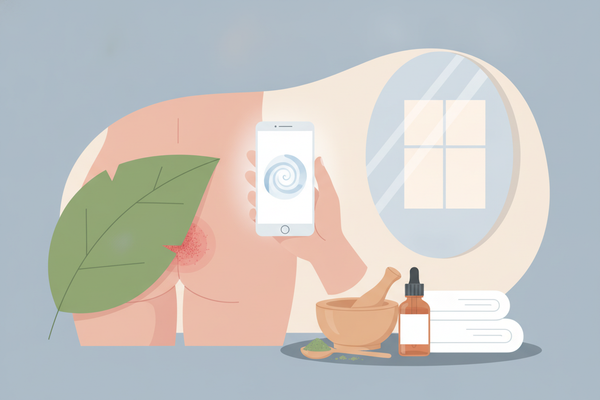
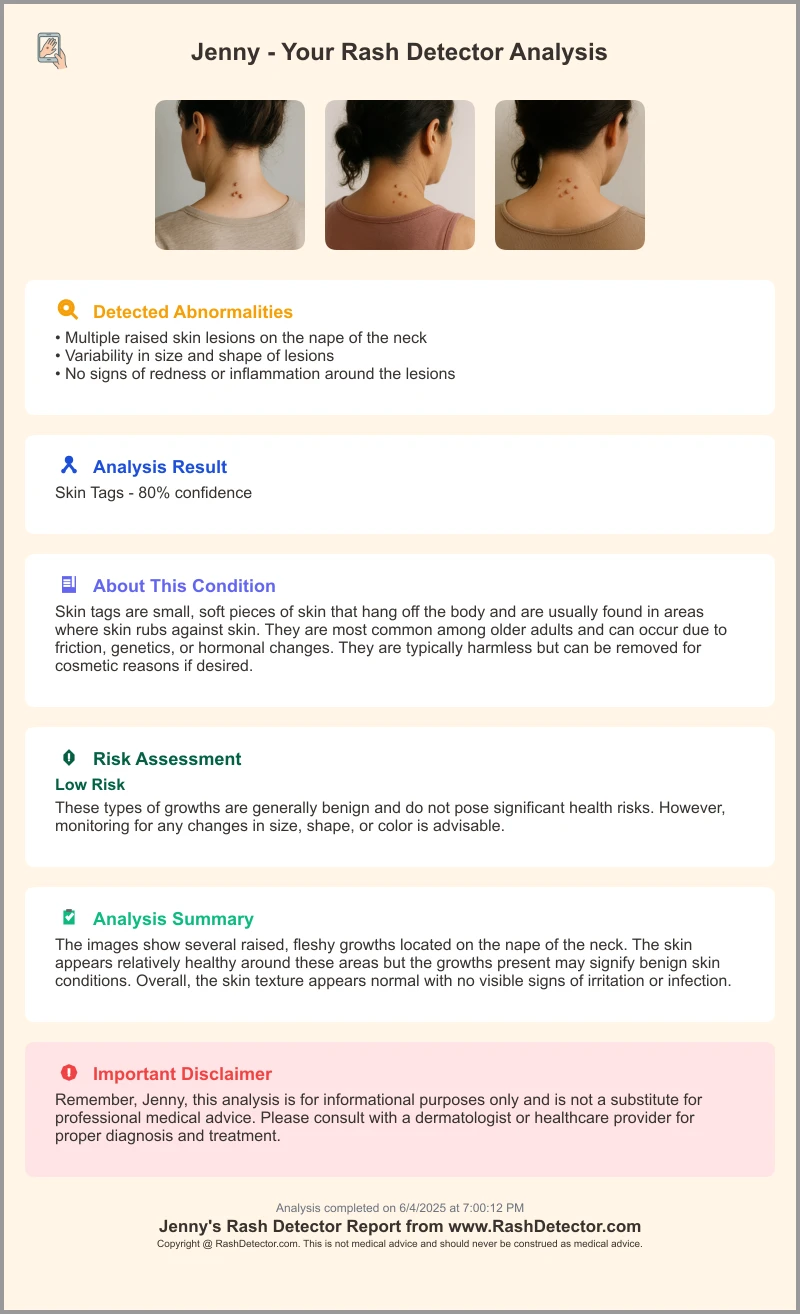
For a quick preliminary analysis of a rash, try the Rash Detector AI Skin Analysis App, which provides an instant sample report based on photos:
Common causes of medication rashes include:
- Immune or allergic response to a drug
- Non-allergic side effects
- Drug-induced photosensitivity (sun sensitivity)
Rashes may appear hours, days, or weeks after starting or changing a medication. They range from mild itching to serious blistering conditions that require emergency care. Early recognition and proper medication rash treatment help you stay safe and avoid complications.
Sources:
URMC Encyclopedia
GoodRx: Drug Rash Skin Reaction
Johns Hopkins Medicine: Drug Rashes
Recognizing a Medication-Induced Rash: First Step in Medication Rash Treatment
Typical Symptoms of Medication-Induced Rash
Spotting a drug eruption early lets you act fast. Look for:
- Redness or pink patches on skin
- Intense itching or burning sensation
- Swelling of the skin, face, or lips
- Hives (raised, itchy welts)
- Blistering or peeling skin (serious sign)
- Possible fever or flu-like symptoms in severe cases
For more on identifying the key signs and differentiating drug rashes, see our detailed guide on identifying and managing drug-induced rash symptoms.
Differentiating Drug Rashes from Other Skin Conditions
Medication rashes often stand out because of timing and pattern:
- Timing: Appears hours to weeks after starting or increasing a drug dose
- Distribution: Symmetrical and widespread, unlike contact dermatitis or insect bites
- Systemic signs: Accompanied by fever, joint pain, or general malaise
- No external irritants: No new soaps or detergents, but a clear link to a medication change
Common Culprit Medications for Drug Eruptions
While any medication can cause a rash, some groups are frequent triggers:
- Antibiotics (penicillins, sulfonamides, tetracyclines)
- Anticonvulsants (carbamazepine, lamotrigine)
- Allopurinol (for gout)
- NSAIDs and opioids
- Chemotherapy agents and certain heart drugs
Source for prevalence:
PMC article on drug eruption prevalence
Initial Steps and Self-Assessment for Medication Rash Treatment
- Immediate Self-Check
Note the date your rash began and list all medications—prescription, OTC, supplements—started or changed in the last 1–4 weeks. - Review Medication History
Consider new prescriptions, pain relievers, cold medicines, vitamins, herbal products, and supplements. - Red-Flag Symptoms Requiring Urgent Care
Difficulty breathing, swelling of face or throat, rapid rash spread, large blisters, widespread peeling, mouth or eye sores, high fever, signs of organ involvement. - When to Seek Help
Emergency department for any red-flag sign; same-day or next-day doctor visit for widespread rash without severe symptoms.
Sources:
First Derm: Drug Rash Pictures
GoodRx: Drug Rash Skin Reaction
IU Health: Drug Rashes
Mayo Clinic: Drug Allergy
Treatment Options and Management Strategies for Medication Rash Treatment
- Stopping or Changing the Offending Drug
Under medical supervision, discontinue the suspected medication and substitute a safer alternative if needed. Most rashes begin clearing within 1–2 weeks after stopping the drug. - Over-the-Counter Remedies
Oral antihistamines (loratadine, cetirizine, diphenhydramine), topical 1% hydrocortisone cream, fragrance-free moisturizers, and gentle cleansers. - Prescription Treatments
Strong topical corticosteroids, oral corticosteroids (prednisone), high-dose antihistamines, epinephrine for anaphylaxis, immunosuppressives for SJS/TEN or DRESS. - Non-Pharmacological Measures
Cool compresses or baths, loose cotton clothing, avoid friction and heat, keep nails short or use cotton gloves to reduce scratching. - Monitoring and Follow-Up
Check daily for spread, new blisters, or infection signs (pus, warmth, pain). If no improvement in several days or new systemic signs appear, revisit your provider.
For in-depth strategies on drug allergy rash management, check out managing drug allergy rash.
Role of Healthcare Professionals in Medication Rash Treatment
- Importance of Professional Evaluation
Clinicians distinguish benign rashes from severe cutaneous adverse reactions and balance the risks of stopping essential drugs against rash severity. - Diagnostic Procedures
Detailed history, physical exam, blood tests (liver enzymes, CBC), skin biopsy, and allergy testing in specialized settings. - Adjusting or Stopping Medication
Protocols for discontinuing nonessential drugs, substitution strategies, and permanent avoidance of culprits after severe reactions.
Preventive Measures and Long-Term Care in Medication Rash Treatment
- Avoidance Strategies
Do not retry offending drugs or cross-reactive agents; keep an updated allergy list and share with all healthcare teams. - Importance of Patient History & Records
Document allergies in your electronic medical record and pharmacy profile; consider medical alert jewelry for severe drug allergies. - Effective Communication with Providers
Report exact drug name, timing, rash details, symptoms; provide photos if possible; clarify allergy vs. side effect.
Conclusion: Key Takeaways for Medication Rash Treatment
A medication rash can range from mild itching and redness to life-threatening Stevens-Johnson syndrome, toxic epidermal necrolysis, or anaphylaxis. Effective medication rash treatment involves prompt recognition, early medical contact, supervised discontinuation of the offending drug, and appropriate use of antihistamines, corticosteroids, and supportive skin care. Maintaining accurate allergy records and communicating clearly with healthcare providers helps prevent future reactions. Use this guide to identify drug rashes, act quickly, and seek expert care when needed.
FAQ
- What causes medication rashes?
Medication rashes result from immune or non-immune reactions to drugs, including allergies, side effects, or photosensitivity. - How soon do medication rashes appear?
They can show up hours to weeks after initiating or changing a medication dose. - When should I seek emergency care?
If you experience breathing difficulty, facial swelling, rapid rash spread, large blisters, or high fever, go to the emergency department immediately. - How are medication rashes treated?
Initial steps include discontinuing the suspect drug, using antihistamines or corticosteroids, and applying cool compresses. - Can medication rashes be prevented?
Keep an updated allergy record, avoid known culprits, and communicate new symptoms promptly with your healthcare provider.