Medication Rash Treatment: Effective Ways to Manage and Recognize Skin Reactions
Discover how to effectively manage and recognize medication rash, ensuring patient safety through prompt treatment and prevention tips.

Estimated reading time: 5 minutes
Key Takeaways
- Understanding medication-induced rashes: how they develop and why timing matters.
- Early identification: common symptoms and red flags for severe reactions.
- Diagnosis and treatment: clinical evaluation, home care, prescription options, and emergency steps.
- Preventive strategies: documenting allergies, pharmacy coordination, and avoiding re-exposure.
Table of Contents
- Introduction
- Defining Medication-Induced Rashes
- Identifying Medication Rashes
- Diagnosis and When to Seek Medical Advice
- Medication Rash Treatment Options
- Home Care and Management Strategies
- Prevention and Future Considerations
- Conclusion
Introduction
Medication rash treatment begins with understanding that drug eruptions—skin reactions tied directly to prescription or over-the-counter (OTC) drugs—can range from mild redness to life-threatening blistering (Hopkins Medicine). Recognizing these adverse skin reactions early and knowing your treatment options is vital for patient safety and comfort (Harvard Health Blog, Healthline). In this guide, we will cover:
- What medication-induced rashes look like
- How they are diagnosed
- Medication rash treatment pathways
- Home care strategies
- Tips for preventing future episodes
Defining Medication-Induced Rashes
A medication-induced rash (or drug eruption) is a skin breakout directly linked to drug exposure, not to infections, contact allergens, or chronic skin conditions (Healthline). These adverse drug reactions require timely medication rash treatment to avoid complications.
Key distinguishing features:
- Clear timing link: rash appears days to weeks after starting, stopping, or changing a medication (Hopkins Medicine).
- Variable presentation: the same drug may cause different eruptions in different people (PMC article).
- Delayed onset: some eruptions take days or up to several weeks to manifest (Hopkins Medicine).
Identifying Medication Rashes
Spotting a medication-induced rash early guides prompt treatment and prevents escalation (for more on specific symptom patterns see Rash Detector blog).
Typical signs and symptoms:
- Morbilliform (measles-like) pink or red macules and papules (Healthline).
- Hives (urticaria): itchy, migrating wheals (GoodRx Health Topic).
- Pruritus (intense itching) and localized swelling.
- Occasionally fever or malaise with systemic drug reactions (Dermatology Seattle guide).
Severe warning signs (emergency):
- Blistering or peeling skin; painful or dusky purple discoloration.
- Mucosal involvement: sores in mouth, eyes, genitals.
- Facial or airway swelling, high fever, flu-like illness.
- Possible Stevens–Johnson syndrome (SJS), toxic epidermal necrolysis (TEN), DRESS syndrome, or anaphylaxis (Harvard Health Blog).
Diagnosis and When to Seek Medical Advice
Proper diagnosis ensures the right treatment and rules out other causes.
Diagnostic steps:
- Medication history: track start/stop dates of all prescriptions, OTC meds, supplements; note past drug allergies (Dermatology Seattle guide).
- Physical exam: assess rash type, pattern, distribution, mucosal sites, lymph nodes, systemic signs (Hopkins Medicine).
- Laboratory tests: CBC, liver and kidney panels for systemic involvement; skin biopsy for serious eruptions (Dermatology Seattle guide).
- Patch or skin testing: for delayed hypersensitivity in selected cases (Dermatology Seattle guide).
Medication management:
- Temporarily hold non-essential drugs under medical supervision.
- Switch to safer alternatives if possible (Hopkins Medicine). For long-term allergy strategies, see Rash Detector management strategies.
Emergency warning signs (ER/911):
- Respiratory distress, wheezing.
- Facial or throat swelling.
- Large-area blistering or peeling; dusky skin.
- High fever, chills, hypotension, dizziness (Harvard Health Blog).
Urgent same-day contact if:
- Rapid rash spread.
- New blisters or pustules.
- Swelling, fever with rash.
- Suspected SJS/TEN or DRESS.
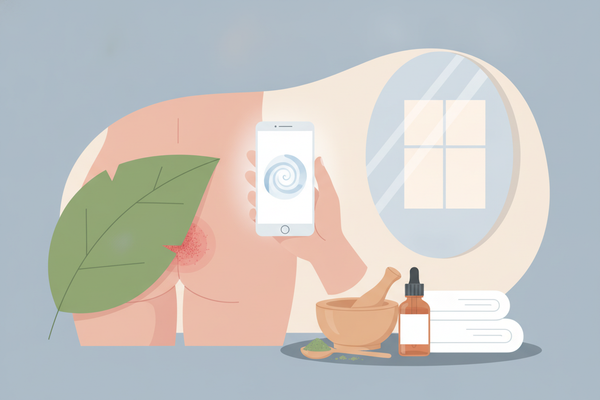
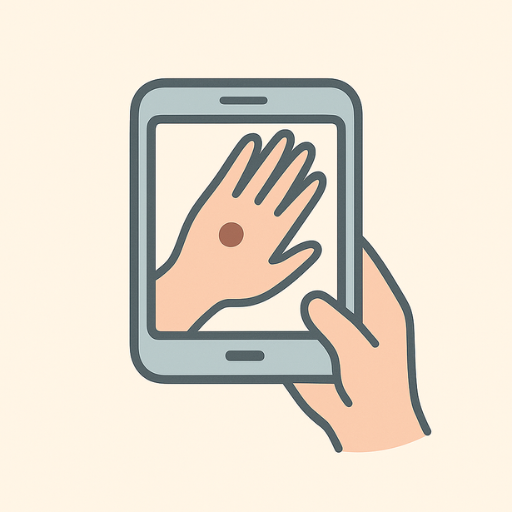
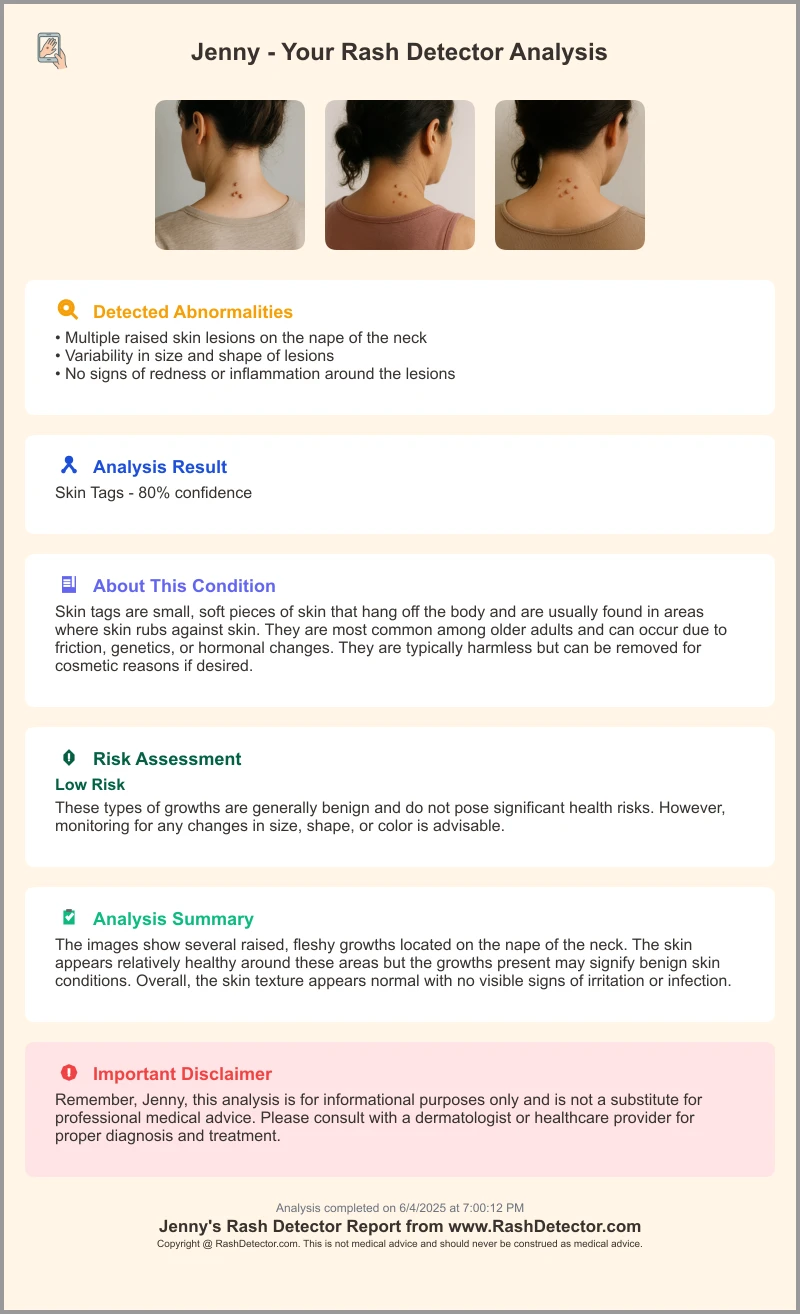
As an adjunct to professional care, consider using AI-powered tools like Rash Detector for quick photo-based skin analysis. Below is a sample report illustrating automated rash classification and risk insights:
Medication Rash Treatment Options
- Stopping the offending medication
Under provider guidance, discontinue the suspected drug; switch to a safer alternative if essential (NYU Langone Treatments). Expect improvement over 1–2 weeks post-discontinuation (Harvard Health Blog). - Symptom relief medications
Oral antihistamines (e.g., diphenhydramine) to block histamine-mediated itching; topical corticosteroids for localized inflammation; oral steroids for extensive rashes or DRESS (Hopkins Medicine). Severe cases: IV corticosteroids, epinephrine for anaphylaxis, IVIG for SJS/TEN in ICU/burn unit (NYU Langone Treatments). - Treatment plan adjustments
Substitute with a different drug class or adjust dosage/schedule; document allergy in medical record; specialist-led desensitization if no alternative exists (Dermatology Seattle guide). - Follow-up care & monitoring
Schedule visits to confirm rash resolution and monitor organ function via labs; provide written instructions on drugs to avoid and steps if rash recurs (Hopkins Medicine).
Home Care and Management Strategies
Supportive home measures can ease symptoms but do not replace professional care when needed.
- Cool compresses or baths to soothe itching and burning (Healthline).
- Fragrance-free, gentle moisturizers; avoid hot water and harsh soaps.
- Loose, soft clothing to reduce friction.
- OTC oral antihistamines if approved by provider.
Avoid: Scratching (risk of secondary infection); applying unapproved home remedies that may mask diagnosis (Dermatology Seattle guide).
Prevention and Future Considerations
Preventing recurrence is key to safe long-term medication use.
- Keep a detailed list of all drugs that caused rashes or allergies; share with providers (Dermatology Seattle guide).
- Use a single pharmacy for cross-checking allergies; consider medical alert jewelry for severe reactions (Hopkins Medicine).
- Report past drug rashes/allergies before new prescriptions; discuss risks/benefits and ask about alternatives if history of severe reactions (Dermatology Seattle guide).
- Avoid re-exposure to offending drugs unless under specialist supervision; regularly review meds with your provider; discontinue non-essential drugs; follow dosing instructions strictly to reduce hypersensitivity risk.
Conclusion
Early recognition of medication-induced rashes, understanding their link to drug changes, and timely treatment—from discontinuing the offending drug and using antihistamines or corticosteroids to seeking emergency care—ensures patient safety and rapid recovery. Never self-manage serious rashes; prompt medical evaluation is essential.
If you notice a new rash after starting or changing medication—especially with swelling, breathing issues, blisters, or systemic symptoms—consult your healthcare professional immediately for personalized diagnosis and a safe treatment plan.
FAQ
- What causes medication rashes?
Medication rashes occur when the immune system reacts to a drug, leading to skin inflammation. Timing, dosage changes, and individual sensitivity all play roles. - How soon should I seek help?
Contact your provider if a rash spreads rapidly, forms blisters, or is accompanied by fever, swelling, or breathing difficulty. Severe signs warrant an emergency visit. - Can I treat mild rashes at home?
Yes—cool compresses, OTC antihistamines, and gentle moisturizers can ease symptoms. Always inform your provider before starting home therapies. - Will the rash go away if I stop the drug?
Most rashes improve within 1–2 weeks after discontinuation. Persistent or worsening symptoms require medical reassessment. - How can I prevent future reactions?
Keep a detailed allergy list, use one pharmacy, wear medical alert jewelry if needed, and review all new prescriptions with your provider.