Medication Rash Treatment: A Comprehensive Guide to Identifying and Managing Drug-Induced Rashes
Discover essential steps for medication rash treatment, including identification and symptom management, to prevent severe complications.

Estimated reading time: 8 minutes
Key Takeaways
- Early Recognition: Spot medication rashes promptly to prevent severe reactions.
- Accurate Diagnosis: Review drug history, examine rash pattern, and consider dechallenge.
- Layered Treatment: Discontinue offending agent, use home remedies or prescriptions based on rash severity.
- Urgent Warning Signs: Blisters, mucosal lesions, breathing difficulty require immediate medical care.
- Prevention: Share allergy history, monitor skin changes, and adopt risk‐management strategies before starting new drugs.
Table of Contents
- Understanding Medication-Induced Rashes
- Signs and Symptoms Indicative of a Medication Rash
- Diagnosing a Medication Rash
- Approaches to Medication Rash Treatment
- When to Seek Professional Medical Help
- Prevention and Risk Management
Section 1: Understanding Medication-Induced Rashes
Causes
- Immune-mediated allergic reactions: The body recognizes a drug or its metabolites as foreign, releasing histamine and triggering inflammation (hives or widespread redness).
- Non-immune side effects: Some medications are directly toxic to skin cells or cause photosensitivity.
- All administration routes: Oral, injectable, topical, inhaled, and supplements can all provoke rashes.
Types of Medication Rashes
- Exanthematous (morbilliform) rash: Flat or slightly raised red spots that spread from the trunk.
- Urticaria (hives): Itchy wheals that appear and disappear rapidly.
- Fixed drug eruption: Recurring dark patches at the same location.
- Photosensitivity reactions: Sunburn-like rash on exposed areas after certain drugs.
- Severe cutaneous adverse reactions (SCARs):
- Stevens–Johnson syndrome (SJS)/Toxic epidermal necrolysis (TEN): Blisters, skin peeling, mucous membrane sores, fever.
- DRESS: Rash with fever, facial swelling, high eosinophils, and organ involvement.
Section 2: Signs and Symptoms Indicative of a Medication Rash
Common Presentation
- Erythema (redness) and pruritus (intense itching).
- Raised bumps or merging patches; hives that come and go.
- Localized or widespread swelling; dry, flaky, or peeling skin.
- Mild fever or malaise.
Warning Signs of Severe Reactions
- Blisters or widespread skin peeling; mucosal involvement (mouth, eyes, genitals).
- Facial or airway swelling; breathing difficulty indicating anaphylaxis.
- High fever, swollen lymph nodes, rapid heart rate.
Section 3: Diagnosing a Medication Rash
Clinical History
- Document all drugs, supplements, and timing relative to rash onset.
- Note dose changes and treatment duration.
Physical Examination
- Characterize rash lesions and distribution.
- Check mucous membranes and vital signs.
Correlation & Dechallenge
- Under supervision, pause the suspected drug and observe improvement over 48–72 hours.
Diagnostic Tests
- Blood tests (eosinophils, liver/kidney panels) for DRESS or systemic involvement.
- Skin biopsy to confirm SJS/TEN.
- Patch testing by allergy specialists for definitive culprit identification.
For more on recognizing early warning signs and detailed management, see Identifying and Managing Drug-Induced Rash Symptoms and Managing Drug Allergy Rash.
Section 4: Approaches to Medication Rash Treatment
- Discontinue Offending Agent
- Stop the suspected medicine under medical guidance and seek safe alternatives if needed.
- Avoid re-challenge after SJS/TEN or anaphylaxis without specialist-led desensitization.
- Home/OTC Interventions for Mild Rashes
- Oral antihistamines (cetirizine, diphenhydramine) for itching.
- Topical corticosteroids (hydrocortisone) to reduce inflammation.
- Soothing skin care: cool compresses, lukewarm baths, fragrance-free moisturizers.
- Prescription & Emergency Treatments
- Systemic corticosteroids or stronger antihistamines for moderate to severe reactions.
- Epinephrine auto-injector for anaphylaxis signs.
- Hospital care with burn-unit protocols for SJS/TEN (fluid balance, wound management).
- Non-Pharmacological Support
- Avoid culprit and cross-reactive drugs permanently.
- Maintain an allergy card or digital alert.
- Sun protection and gentle skin routines post-SCARs.
Section 5: When to Seek Professional Medical Help
- Breathing difficulty, throat/tongue swelling, or chest tightness.
- Rapidly spreading rash, blistering, or peeling skin.
- Mucosal lesions; high fever or systemic signs of infection.
- Hypotension, fainting, or tachycardia.
Immediate medical evaluation is critical for these warning signs.
Section 6: Prevention and Risk Management
Pre-Treatment Strategies
- Provide a comprehensive drug allergy history.
- Discuss potential skin side effects before new prescriptions.
- Consider patch testing or desensitization for high-risk patients.
Monitoring After Initiation
- Track new itching, rash, swelling, or fever early.
- Keep a drug diary and report suspicious changes immediately.
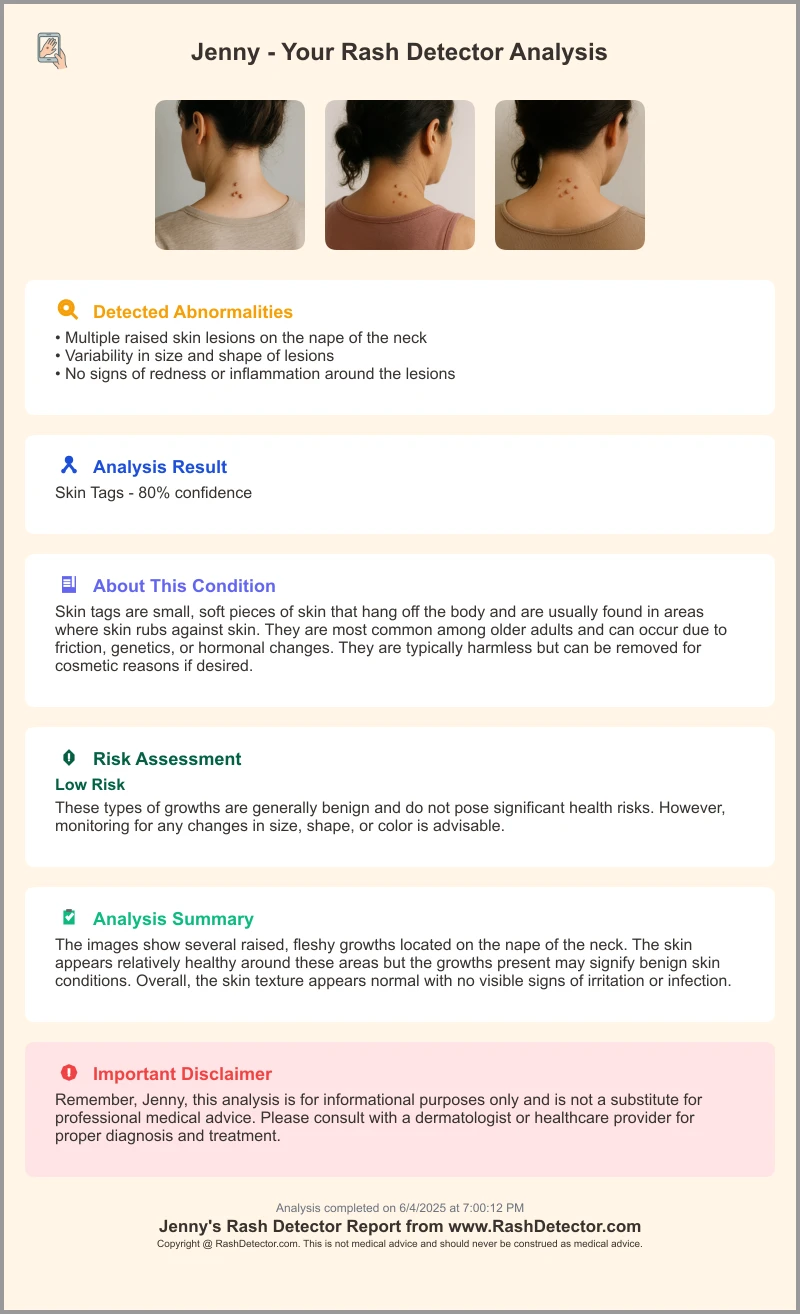
Sample Rash Detector Report
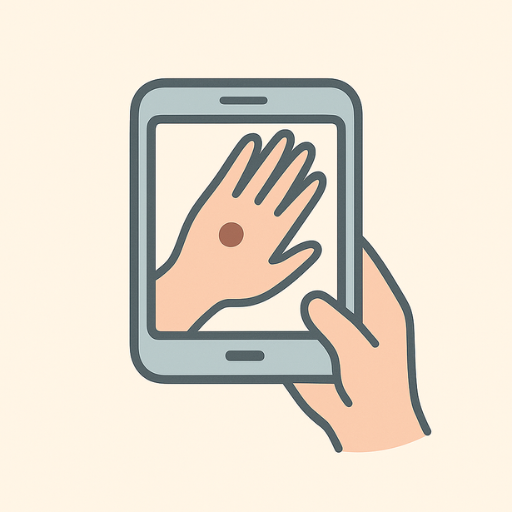
Get an instant, objective analysis with Rash Detector, an AI skin analysis tool. Simply upload clear photos to receive a detailed report:
Conclusion
- Quickly stop the offending drug under medical guidance.
- Use antihistamines, corticosteroids, and gentle skin care as needed.
- Recognize severe reaction signs (SJS/TEN, DRESS, anaphylaxis) and act fast.
- Maintain detailed records of drug reactions for future safety.
Collaborative care and early detection are key to preventing life-threatening complications.
FAQ
- Q: Can I treat a medication rash at home?
A: Mild rashes may respond to OTC antihistamines, topical corticosteroids, and skin-soothing measures. Seek medical advice if symptoms worsen. - Q: How soon do rashes appear after taking a new drug?
A: Exanthematous rashes often develop 1–2 weeks after starting a medication, while urticaria can appear within hours. - Q: Are photosensitive rashes permanent?
A: Photosensitivity rashes typically resolve after stopping the drug and avoiding sun exposure, but pigmentation changes may linger. - Q: When is a rash considered an emergency?
A: Any signs of mucosal involvement, blisters, peeling skin, airway swelling, or systemic symptoms (fever, hypotension) warrant urgent care.
準備方法を調べる際は、使用日、調整時間、保管方法も含めて整理すると進めやすくなります。複数の候補を比較する際は、コスプレウィッグ 保管方法で仕様の違いを確認できます。商品や素材によって条件が異なるため、最終的には販売ページやメーカーの案内も確認すると安心です。